

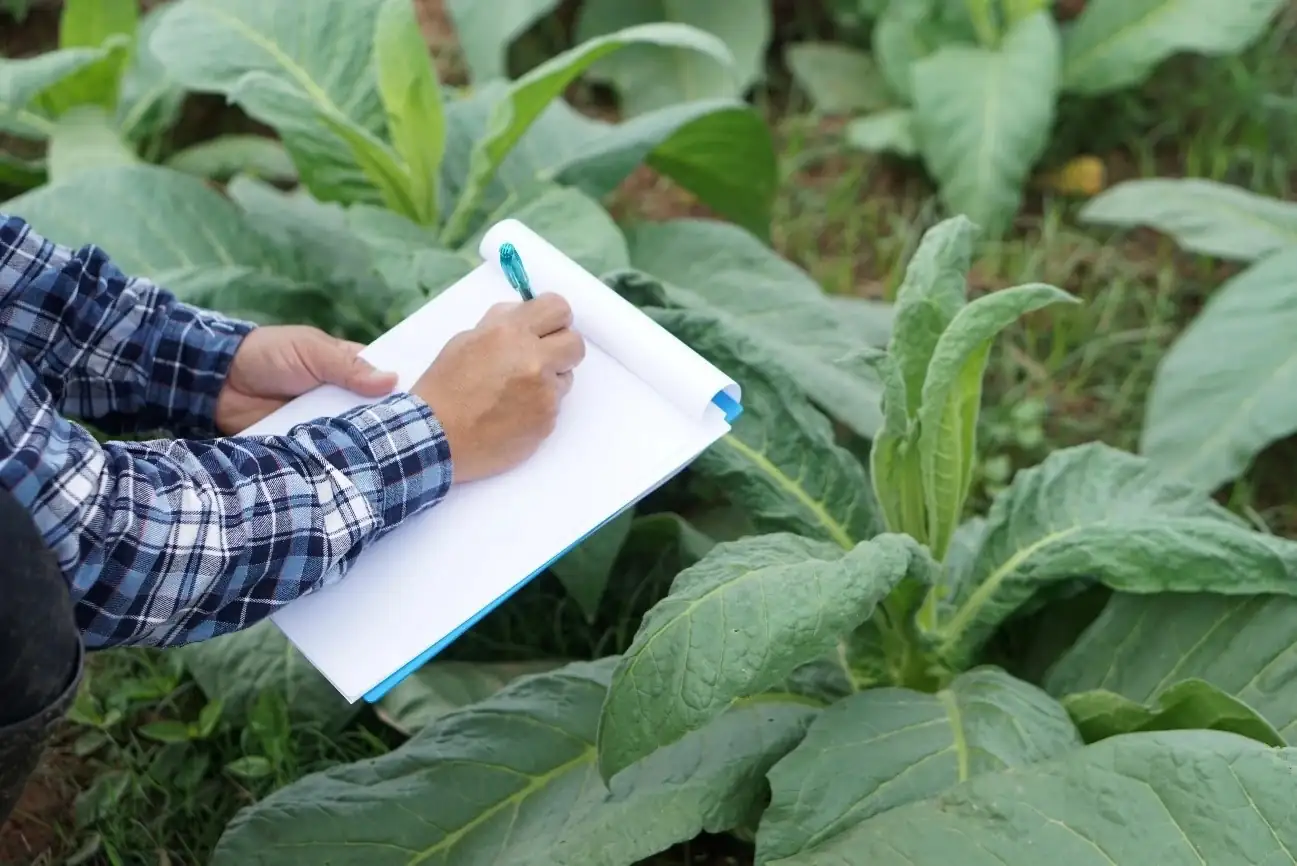
Whether you’re an avid gardener or a budding plant enthusiast, tracking your plant’s growth can be both enlightening and rewarding. Imagine having a detailed personal guide that helps you understand your plants better, enhances your green thumb, and even boosts your harvests! Let’s dive into how you can log plant growth changes effectively, using a mix of traditional tools and modern techniques.
Why Log Plant Growth?
Before digging into the how-tos, let’s talk about the why. Logging plant growth isn’t just about numbers; it’s about learning and improving. By keeping a detailed record, you can:
- Identify What Works: Discover which conditions make your tomatoes juicier or your sunflowers taller.
- Plan Smarter: Use past data to plan future planting seasons, so you’re always a step ahead.
- Share and Learn: Swap insights with fellow plant lovers, enriching your community knowledge.
Getting Started: Tools You Need
Fortunately, logging plant growth doesn’t require a lab coat or expensive gadgets. Here’s what you’ll need:
1. A Simple Journal
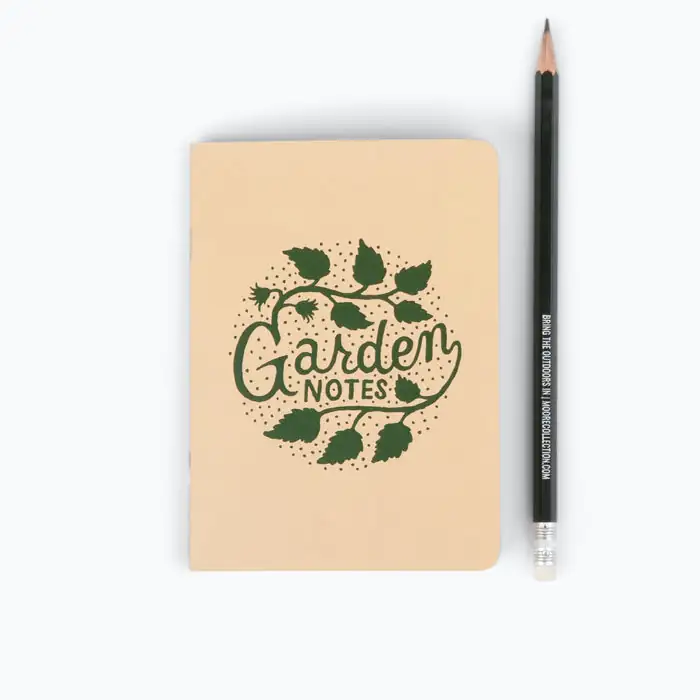
A notebook and pen are your best friends. Create sections for different plant types, dates, and observations. Jot down weather conditions, watering schedules, and any changes you notice. This old-school method is tried and true!
2. Measuring Tools
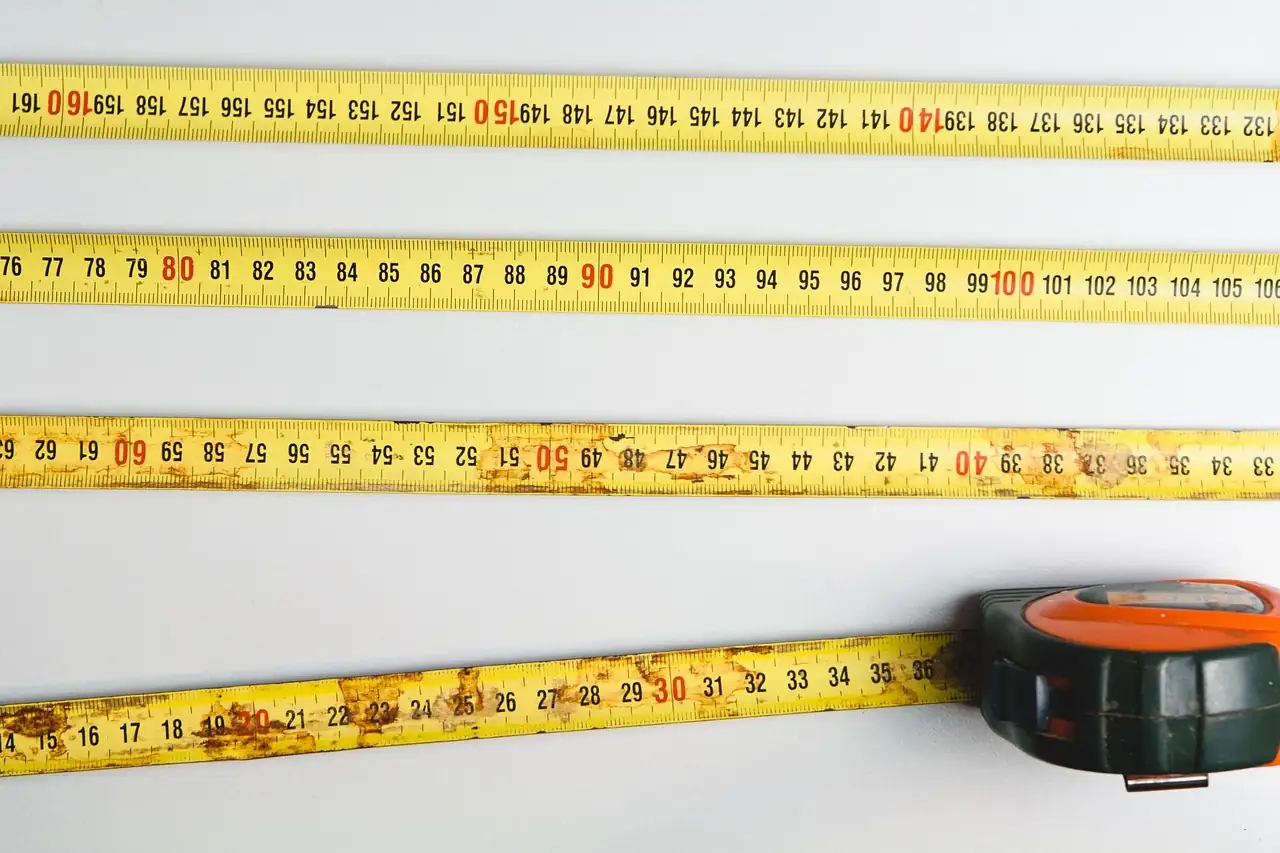
Keep a measuring tape or ruler handy. Regularly measure plant height from base to tip, and note any changes in leaf size. This helps you see which plants are thriving and which might need a little extra love.
3. Digital Helpers
If you’re growing indoors, a digital hygrometer can monitor temperature and humidity, helping you tweak conditions for optimal growth. Many also log highs and lows, giving you a comprehensive view of your plant’s environment.
How to Log: Step-by-Step
Track Growth Stages
Start from the beginning: seed germination. Note when your seedlings emerge, enter vegetative growth, and eventually begin flowering. Each stage offers insights into your plant’s health and needs.
Regular Measurements
Measure your plants’ height and leaf dimensions every few days. Use these to calculate growth rates. For instance, if your sunflower grows 5 cm over 10 days, that’s an average growth rate of 0.5 cm per day. Keep it simple, but consistent!
Observe and Record
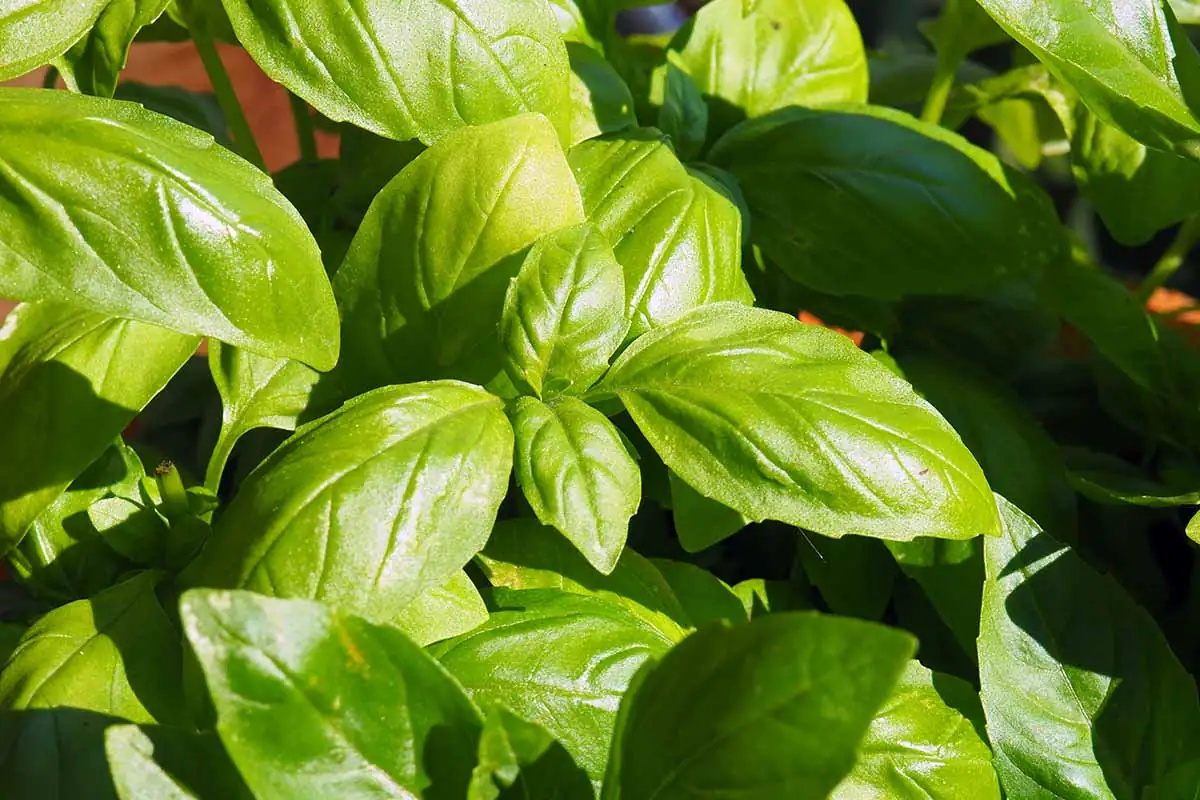
Beyond numbers, describe changes in color, texture, and overall plant health. Did your basil leaves turn a brighter green after you adjusted watering? Write it down! These observations are invaluable for understanding your plant’s journey.
Graph Your Data
For those who love visuals, plotting your data on a graph can provide a clear picture of growth trends over time. It’s a great way to spot patterns and make predictions about future growth.
Common Pitfalls and How to Avoid Them
- Inconsistent Logging: Missing measurements can lead to gaps in your data. Set reminders or make logging a part of your daily routine.
- Overlooking Variables: Factors like light, soil type, and even plant companions can affect growth. Note these variables to refine your gardening strategies.
- Too Much Data, Too Little Insight: Focus on actionable insights. Instead of just collecting data, ask what it tells you about your plant’s health and how you can improve it.
Wrapping Up: A Growing Experience
Logging plant growth is more than just a task; it’s a journey of discovery and improvement. With the right tools and techniques, you can transform your garden into a thriving ecosystem and yourself into a more knowledgeable gardener. Happy planting!


