Elevate Your Indoor Garden: The Perfect Companion Plants for Amaryllis
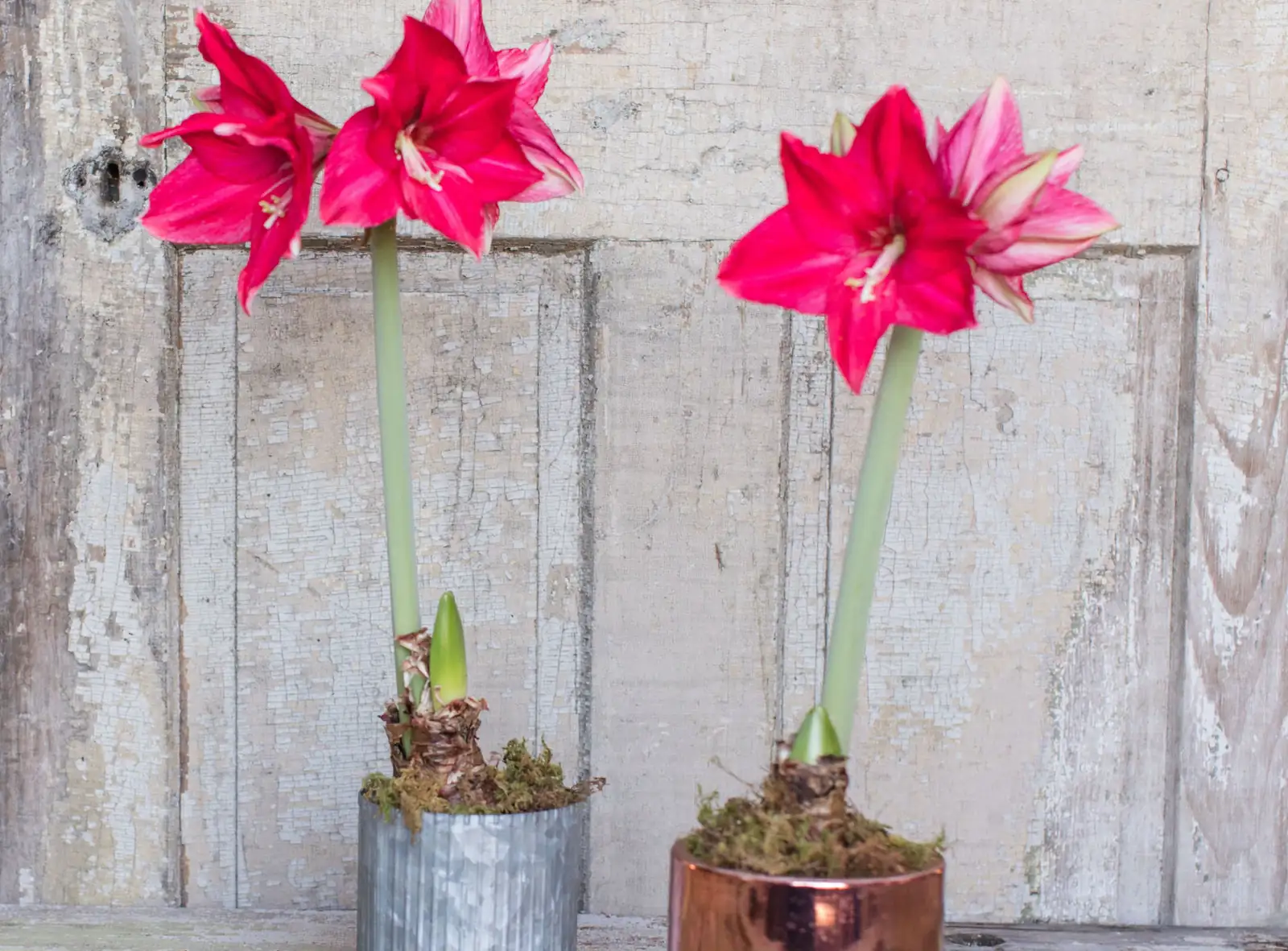
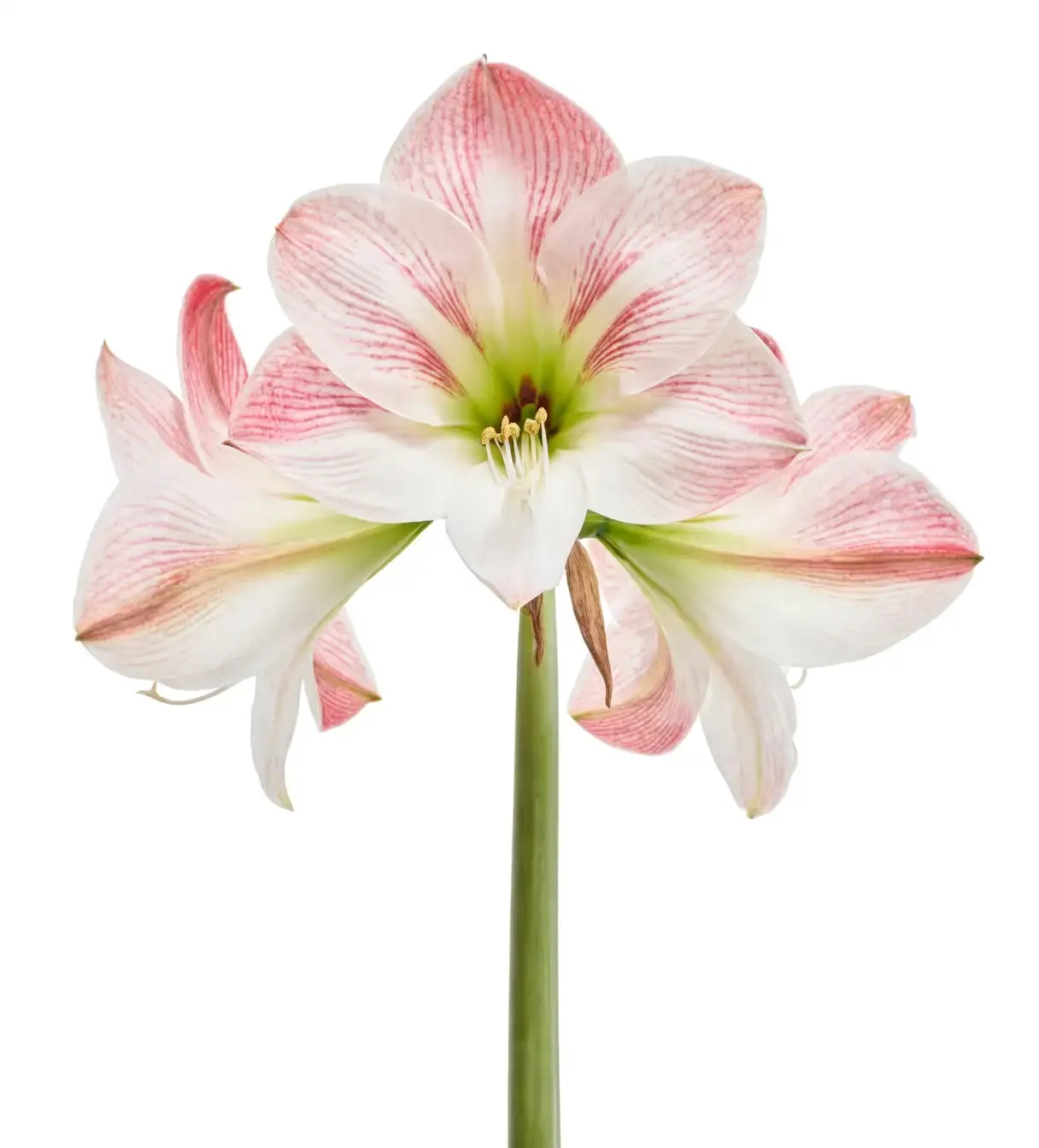
Imagine a winter home garden where splashes of color defy the dreariness outside, with each plant complementing the others in a harmonious display. At the heart of this indoor oasis could be the Hippeastrum × hybridum, more commonly known as the amaryllis. Renowned for its vibrant, trumpet-shaped blooms, the amaryllis is often a solo showstopper, yet it can be even more dazzling when paired with the right companion plants. Let’s delve into which flora friends make the best companions to this indoor superstar, considering both care requirements and aesthetic appeal.
Why Pair Amaryllis with Companion Plants?
The amaryllis is a perennial that thrives indoors, especially during the winter months when it graces homes with its bold blooms. It stands tall on sturdy, hollow stems—often a much-needed burst of color during the colder, greyer days. By pairing this beauty with complementary plants, you can create a dynamic indoor landscape that is not only visually appealing but also shares similar care needs.
Ideal Companion Plants for Amaryllis
1. Paperwhites (Narcissus papyraceus)
Paperwhites are often grown alongside amaryllis due to their shared preference for bright, indirect light and similar watering needs. These fragrant, delicate blooms contrast beautifully with the bold, vibrant flowers of amaryllis, creating a lovely winter tableau.
2. Poinsettias (Euphorbia pulcherrima)
With their vibrant red or white bracts, poinsettias are a holiday staple that pairs perfectly with amaryllis. Both plants thrive in bright light and can tolerate the lower indoor humidity of winter. Together, they transform any room into a festive wonderland.

3. Christmas Cacti (Schlumbergera spp.)
These succulent plants are not only easy to care for but also offer stunning, long-lasting blooms that complement the amaryllis. They enjoy similar indoor conditions, making them a practical and colorful addition to your indoor garden.
4. Snake Plant (Sansevieria trifasciata)
The upright, sword-like leaves of the snake plant provide a striking textural contrast to the amaryllis. Both plants are low-maintenance and can thrive in similar light conditions, making this a visually interesting pairing.
5. Spider Plant (Chlorophytum comosum)
The arching, variegated leaves of the spider plant add a touch of elegance and movement to your plant display. Low-maintenance and adaptable, they can share space with amaryllis without competing for resources.
6. Ferns
Ferns, like the Boston or maidenhair varieties, offer a soft, feathery texture that contrasts well with the boldness of amaryllis flowers. They appreciate similar humidity levels, making this duo a graceful combination.
7. Alocasia
The bold and striking foliage of Alocasia can enhance the elegance of amaryllis blooms. Both require similar light and humidity conditions, making them well-suited companions.
8. Ivy (Hedera species)
With its cascading growth habit, ivy can add a lush, trailing element to your amaryllis arrangement. It thrives in similar light and moisture conditions, providing a textural contrast to the upright amaryllis.
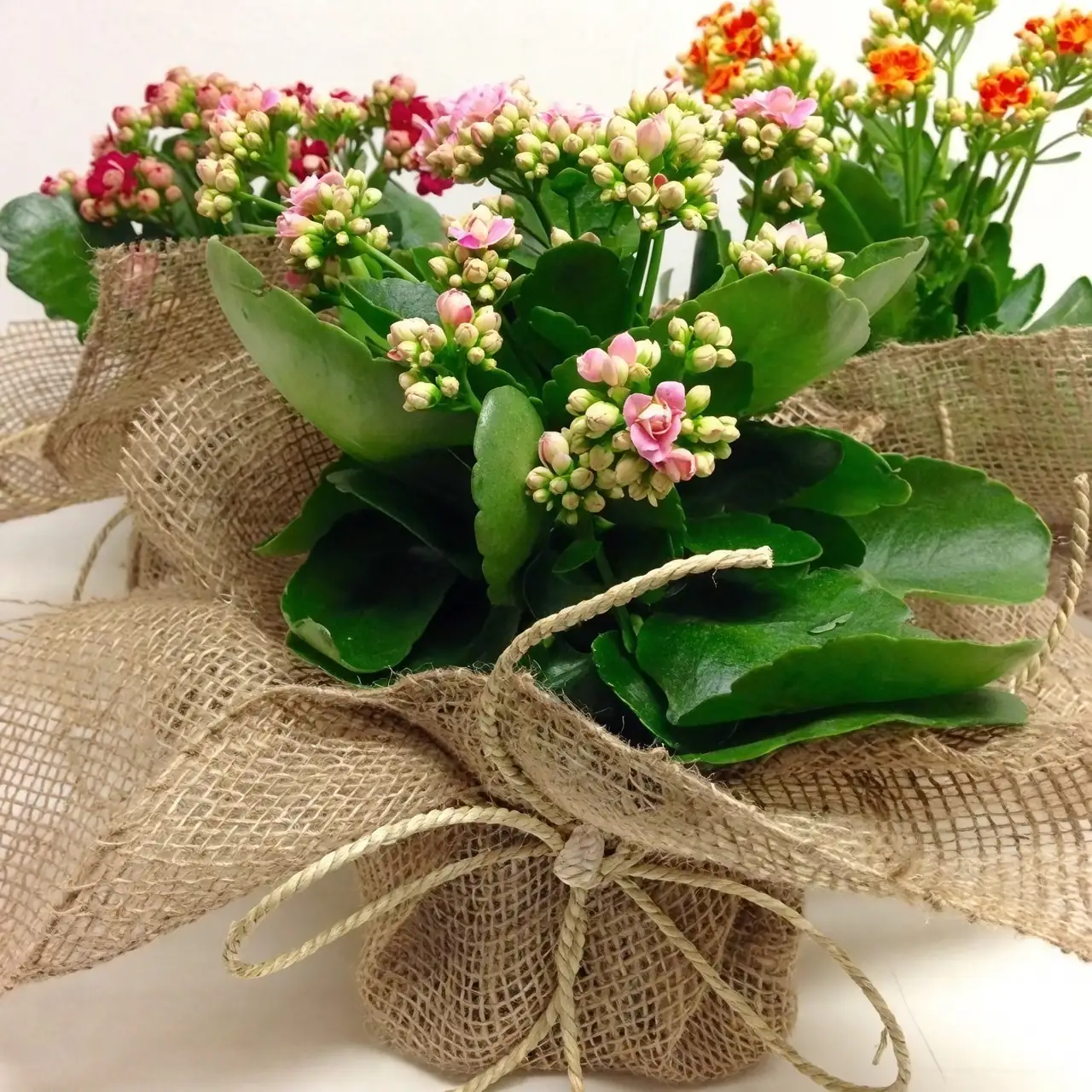
9. Kalanchoe
Kalanchoe, with its colorful, long-lasting flowers, adds a pop of color that pairs beautifully with the amaryllis. As a resilient succulent, it shares the amaryllis’s preference for bright, indirect light and moderate watering.
Crafting Your Indoor Display
When creating your indoor plant arrangement, consider the visual balance and care needs of each plant. Group them in containers that allow for proper drainage to prevent waterlogging—a common concern for amaryllis bulbs. By mixing different heights, textures, and colors, you can create a visually stunning display that thrives throughout the winter.
A Deeper Look: The Language of Flowers
Amaryllis is more than just a decorative plant; it carries a deep symbolism that speaks to strength, pride, and radiant beauty—a floral embodiment of “stand tall and shine.” This meaning traces back to Greek mythology, where the devoted shepherdess Amaryllis sparked the first crimson blooms with her love. In Victorian times, it symbolized splendid beauty and achievement, a message that resonates powerfully in any indoor garden.
Conclusion
Adding companion plants to your amaryllis can transform a simple display into a vibrant, living tapestry. By choosing plants that complement both the aesthetic and care requirements of the amaryllis, you’ll not only enhance your indoor space but also create a thriving environment that delights through the colder months. Whether you’re a seasoned indoor gardener or a beginner, these pairings offer an easy way to elevate your home’s botanical charm.