

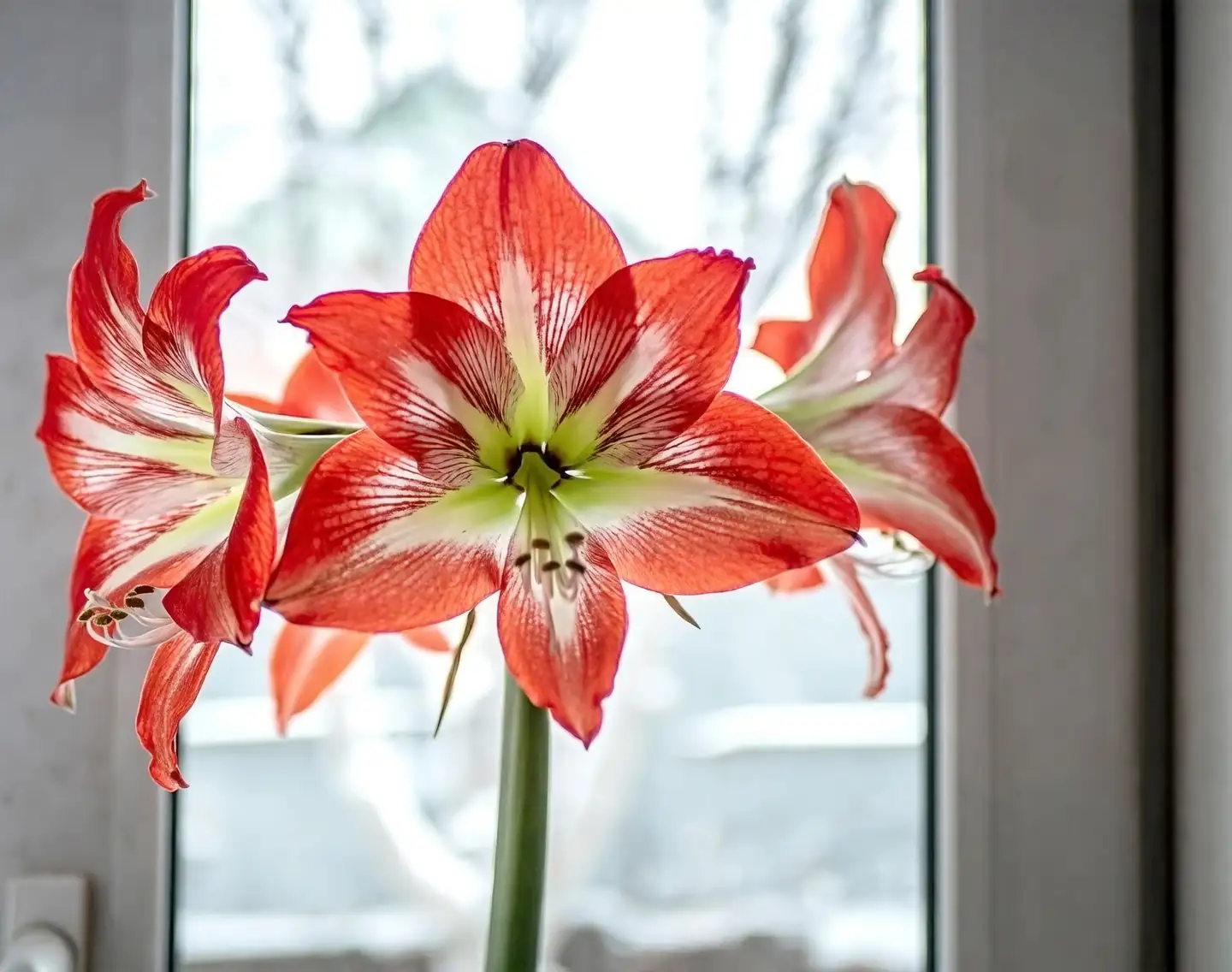
Are your stunning amaryllis blooms losing their luster? While Hippeastrum × hybridum, commonly sold as “amaryllis,” is known for its resilience and vibrant floral display, these plants can occasionally fall prey to pesky pests and debilitating diseases. Fear not! With a bit of detective work and some savvy care tips, you can keep your amaryllis looking splendid and thriving indoors or out. Let’s dive into a troubleshooting guide to tackle common pest and disease issues that might be plaguing your beloved amaryllis.
Spotting and Tackling Pests
1. Aphids: The Sneaky Sappers
Aphids are tiny, sap-sucking insects that can weaken your amaryllis by draining essential nutrients, often targeting new growth and flower buds. You might notice sticky residue on the leaves, known as honeydew, or curling leaves as telltale signs.
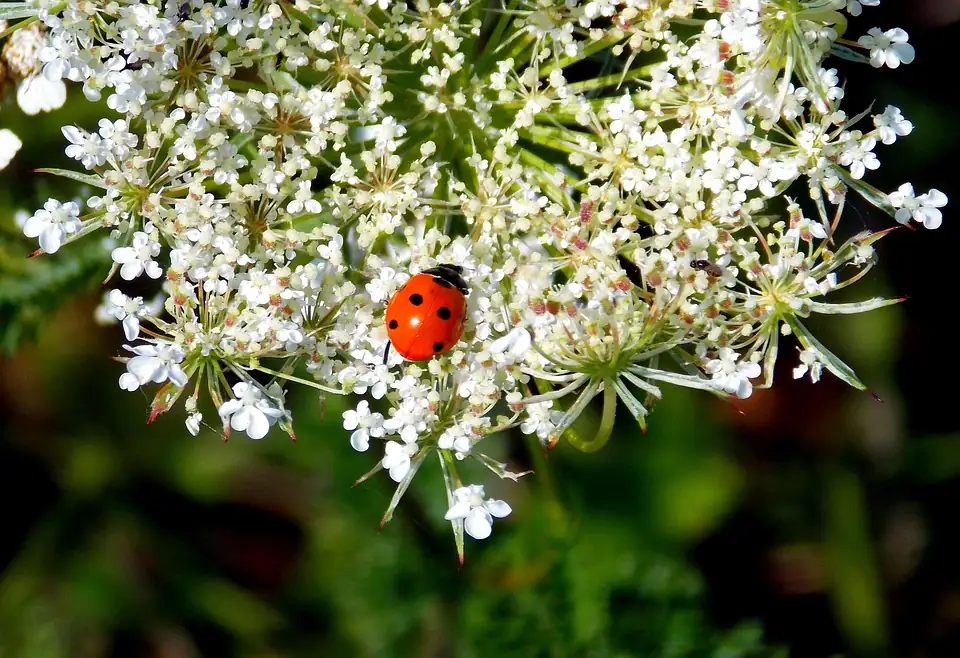
Solution: Introduce natural predators like ladybugs or treat your plants with insecticidal soap or neem oil. These methods are gentle on your plant but tough on aphids.
2. Spider Mites: The Dry Climate Dweller
These minuscule, spider-like pests adore dry conditions—making indoor amaryllis particularly vulnerable. Look for yellowing or stippling on the leaves and the presence of fine webbing.
Solution: Increase humidity around your plant by misting the leaves regularly (but avoid the flowers!). You can also introduce predatory mites or use miticides if the infestation is severe.
3. Mealybugs: The Cottony Culprits
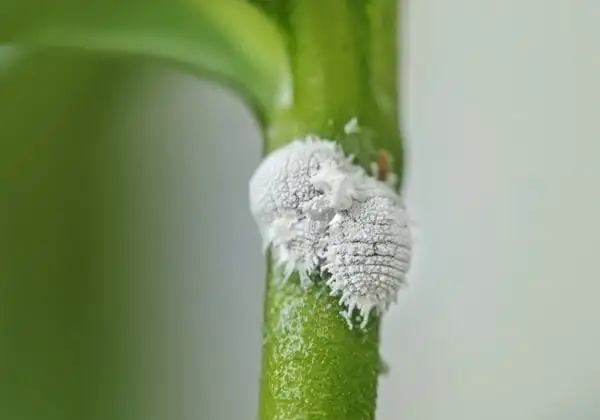
Characterized by their white, cottony masses, mealybugs feed on plant sap, leading to stunted growth.
Solution: Dab the infested areas with rubbing alcohol, or use horticultural oil. For more extensive infestations, systemic insecticides can be effective.
4. Fungus Gnats: The Soil Dwellers
While adult fungus gnats are harmless, their larvae can wreak havoc by feeding on organic matter in the soil, damaging roots.
Solution: Allow the soil to dry out between waterings, use sticky traps to catch the adults, and consider biological control options like beneficial nematodes.
Battling Diseases
Red Blotch: The Fiery Foe
Red blotch, also known as red fire disease or Stagonospora curtisii, is a fungal issue that causes red lesions on leaves and stalks. This disease can lead to bent or deformed plant parts and, in severe cases, prevent flowering.
Solution: Minimize moisture on the leaves and flower stalks by careful watering. Ensure good ventilation and plenty of light to reduce the spread of the fungus. Discard heavily infected bulbs to prevent further contamination.
Viral Infections: The Silent Saboteurs
Viruses can cause mottled foliage and stunted flowers, often spreading through vectors like aphids. Unfortunately, once infected, plants rarely recover fully.
Solution: Destroy infected plants to prevent the virus from spreading to healthy specimens. Monitor for aphids and other pests that might facilitate virus transmission.
Pro Tips for Prevention
- Environment Control: Keep your amaryllis in bright light but protect it from scorching midday sun. Ideal temperatures are between 20–25°C (68–77°F), but they can tolerate typical indoor ranges around 13–21°C (55–70°F). During dormancy, cooler conditions are preferable.
- Watering Wisdom: Start watering sparingly and increase once growth is evident. Ensure the potting mix is well-draining to avoid waterlogging, which can lead to bulb rot.
- Fertilization: Feed during active growth with a balanced liquid houseplant fertilizer every two weeks, and stop when you begin the dry rest period.
Keeping Your Amaryllis Safe
Remember, the amaryllis bulb is toxic if ingested, containing alkaloids that can cause nausea and other symptoms. Keep them out of reach of pets and children to avoid any mishaps.
With these troubleshooting tips, your amaryllis should continue to be the spectacular centerpiece it was meant to be. Through vigilant care and a bit of strategic intervention, you can ensure that your amaryllis will stand tall and shine brightly, echoing the floral symbolism of strength and radiant beauty. Happy gardening!


