

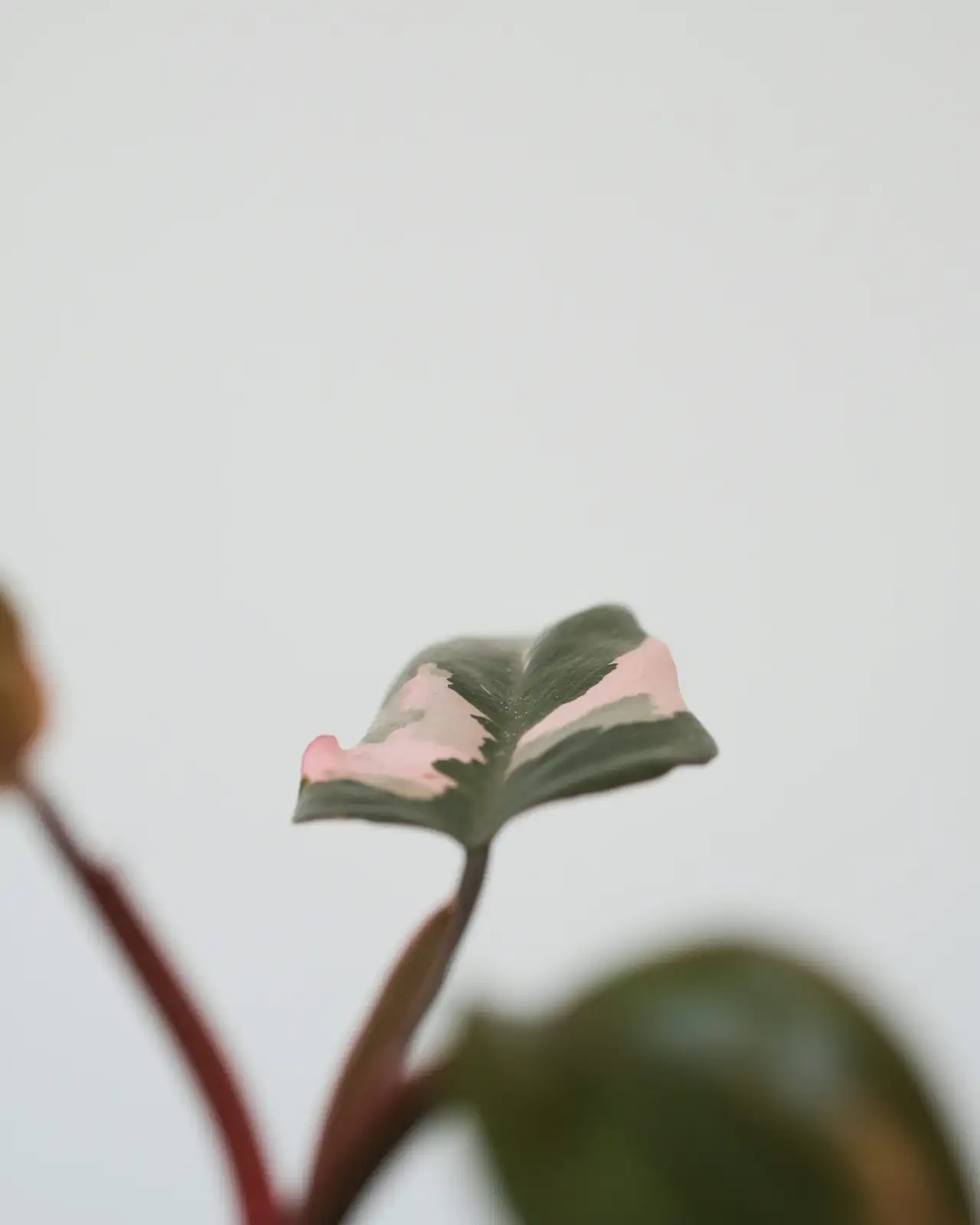
Are you enchanted by the captivating beauty of the Pink Princess Philodendron and dreaming of multiplying this regal plant in your collection? You’re in the right place! This guide will transform you into a propagation pro, unlocking the secrets to successfully expanding your Pink Princess empire with easy and effective stem cutting techniques. Let’s dive into the world of variegated foliage and discover the magic of propagation!
Why Propagate the Pink Princess Philodendron?
The Pink Princess Philodendron, with its dramatic, heart-shaped leaves splashed with hues ranging from soft blush to vibrant fuchsia, is a collector’s dream. But beyond aesthetics, propagating your Pink Princess offers several benefits:
- More Plants, More Fun: Let’s face it, one Pink Princess is never enough! Propagation allows you to fill your home with these beauties or share them with friends and fellow plant enthusiasts.
- Natural Insurance: Propagation provides backup plants in case the unexpected happens to your original.
- Enhance Variegation: Starting new plants from cuttings can sometimes result in more vibrant variegation, especially when you select cuttings with strong pink markings.
The Essentials of Pink Princess Propagation
Understanding the Basics
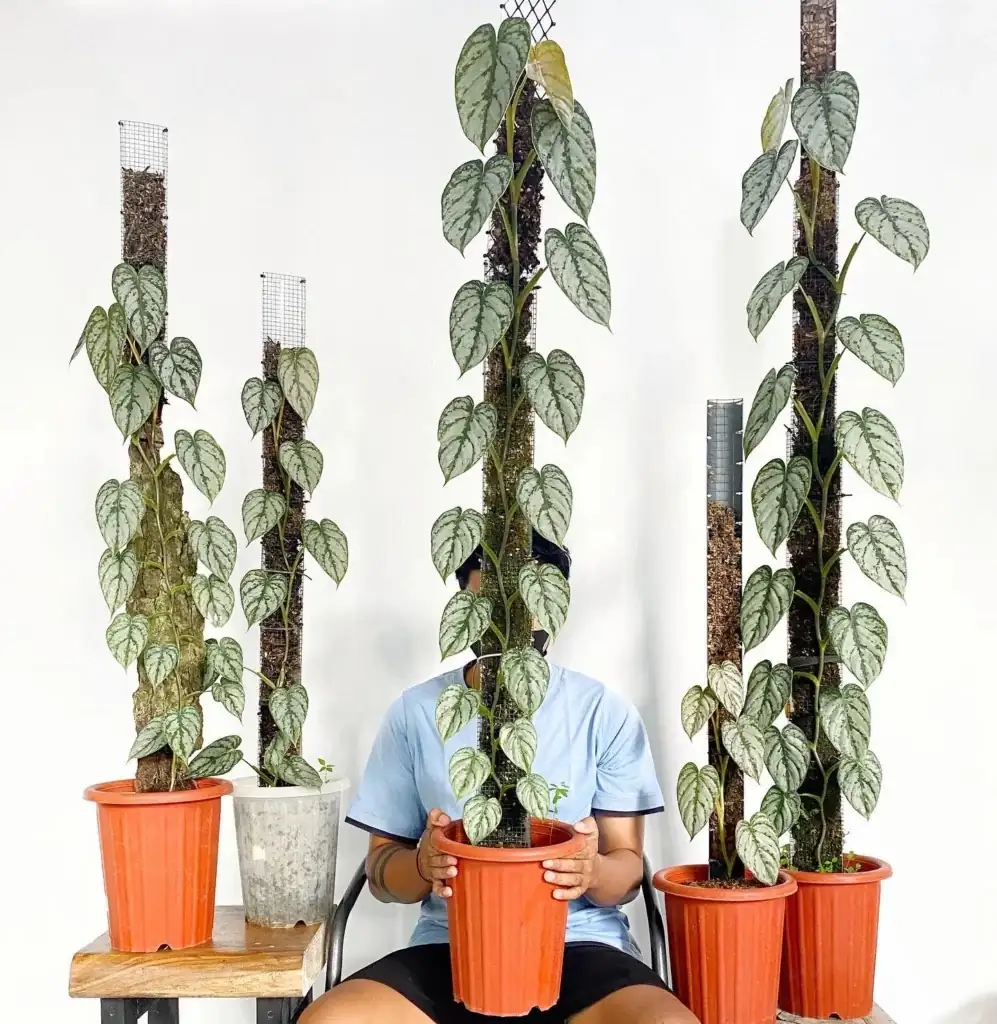
Before you snip away, it’s essential to grasp a few basics about your beloved Pink Princess. This plant, scientifically known as Philodendron erubescens ‘Pink Princess’, thrives as a climbing aroid, typically reaching heights of 3 to 5 feet indoors with proper support. Its distinct variegation results from a mutation that reduces chlorophyll in pink areas, making each leaf uniquely beautiful.
Gathering Your Tools
To propagate successfully, you’ll need:
- Sharp, Clean Pruning Shears: Ensures clean cuts and reduces the risk of infection.
- Rooting Medium: Water, sphagnum moss, or a mix of perlite and moist potting soil.
- Transparent Containers or Jars: Ideal for water propagation, letting you monitor root development.
- Optional Rooting Hormone: Can encourage faster root growth but isn’t strictly necessary.
Step-by-Step Guide to Propagation
Selecting and Preparing the Cutting
- Choose the Right Stem: Look for a healthy stem with at least 1-2 nodes and a couple of leaves. A node is where the leaf meets the stem and is crucial for root formation.
- Make a Clean Cut: Using your shears, cut the stem just below a node. Aim to leave at least one leaf above the node to aid in photosynthesis during root development.
- Prep the Cutting: Remove any leaves that will be submerged in water or buried in soil to prevent rot.
Rooting Your Cutting
Water Propagation
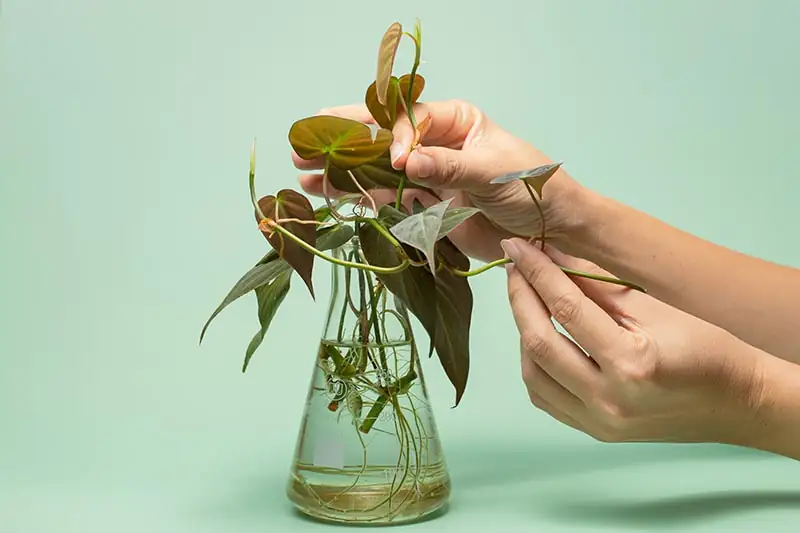
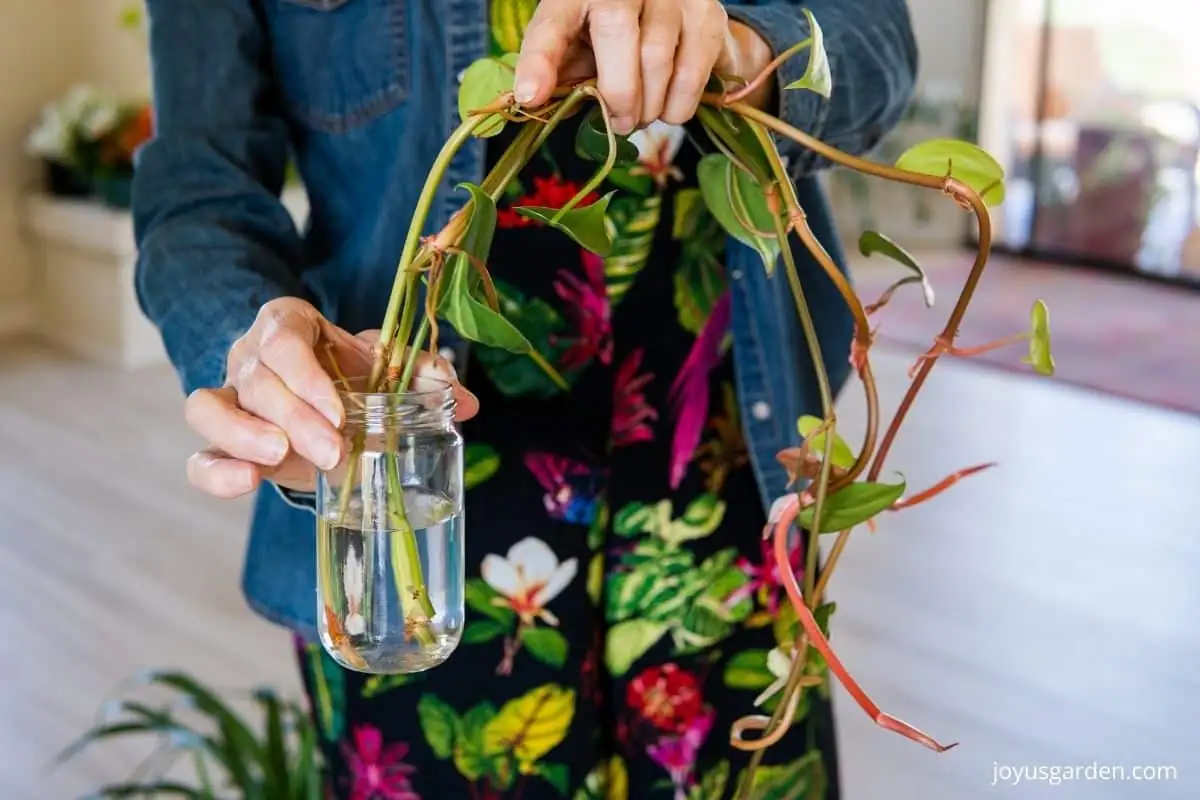
- Submerge the Node: Place the cutting in a jar of water, ensuring that the node is submerged but the leaves are above the waterline.
- Change Water Regularly: Refresh the water every few days to prevent stagnation and encourage healthy root growth.
- Monitor Growth: Roots usually start to appear in about 2-4 weeks. Wait until they are 1-2 inches long before potting up.
Sphagnum Moss or Soil Propagation
- Moist but Not Wet: Use damp sphagnum moss or a well-draining soil mix (like peat-based mix with perlite and orchid bark) to cover the node.
- Keep Humid: Enclose the pot in a plastic bag or place it in a greenhouse environment to maintain humidity.
- Watch for Roots: Similar to water propagation, roots will typically develop in a few weeks.
Potting Up
Once your cuttings have developed sufficient roots, it’s time to move them to their permanent homes:
- Choose the Right Pot: Select a pot with good drainage to prevent root rot.
- Use the Right Soil: A light, airy mix is best. Combine standard potting soil with perlite and orchid bark for optimal results.
- Acclimate Gradually: Introduce the potted plants to their new environment gradually, ensuring they receive plenty of bright, indirect light.
Nurturing Your New Princesses
Congratulations on your successful propagation! Here’s how to keep your new plants thriving:
- Light Requirements: Provide bright, indirect light to maintain that stunning pink variegation.
- Water Wisely: Water when the top half of the soil is dry, and always ensure good drainage.
- Stay Humid: Keep humidity levels high, ideally above 50%, to mimic their native tropical environment.
- Support Growth: Consider using a moss pole to encourage climbing, which helps produce larger leaves.
Final Thoughts
Propagating the Pink Princess Philodendron is a rewarding endeavor that not only expands your collection but also deepens your connection with these extraordinary plants. With a little patience and care, you’ll soon have a thriving family of Pink Princesses gracing your home. Happy propagating!


