

Discover the Quirky World of Snapdragons: Nature’s Puppets
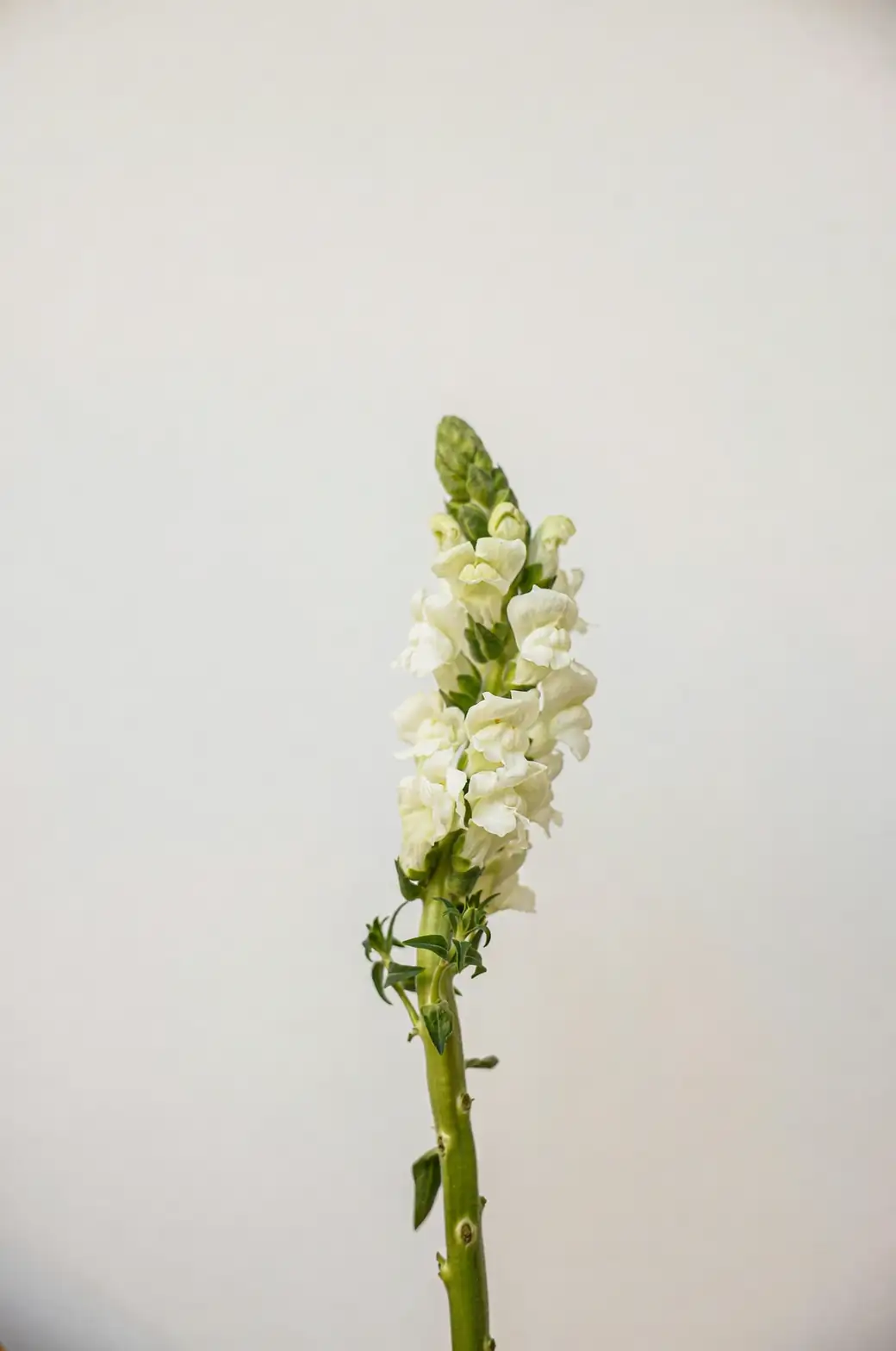
Imagine a garden where each flower seems to have a mind of its own, playfully opening and closing like animated puppet mouths. Welcome to the curious world of the Snapdragon, or as botanists call it, Antirrhinum majus. This enchanting flower, with its vibrant spikes and whimsical blooms, has captivated gardeners and storytellers alike for centuries. But beyond its visual appeal, the Snapdragon offers layers of wonder, from its unique folklore to its fascinating seed pods.
Puppet-Like Blooms: Nature’s Little Dragons
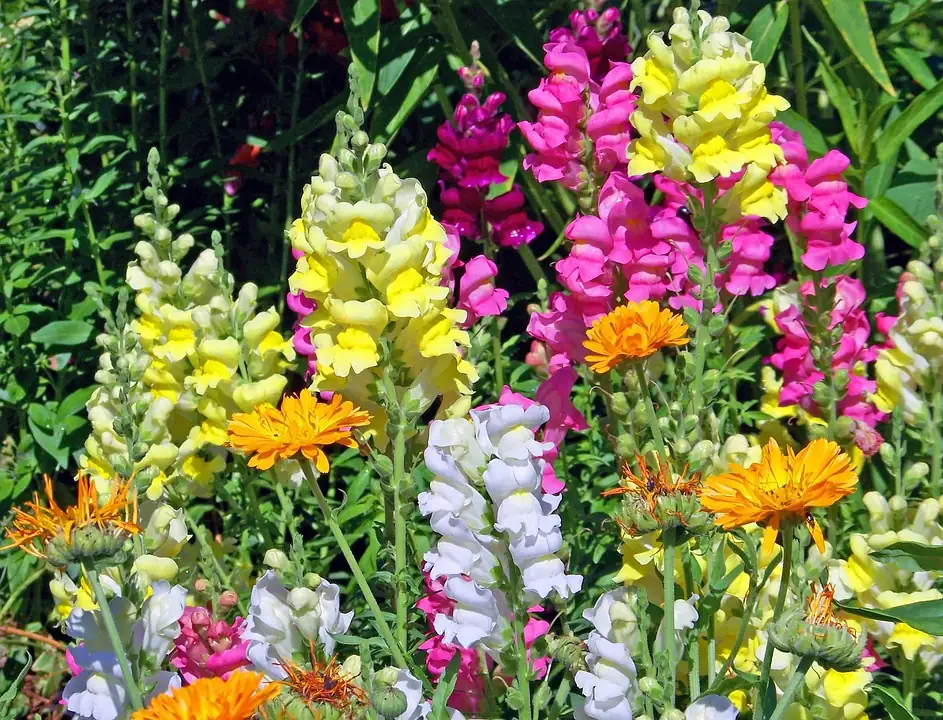
Have you ever wondered why this flower is affectionately called “Snapdragon”? The answer lies in its blooms. Gently squeeze the sides of a Snapdragon flower, and you’ll see it “snap” open like a tiny dragon’s mouth. This charming characteristic has delighted children and adults alike, turning a simple garden stroll into an interactive experience. Each tubular, two-lipped flower showcases a kaleidoscope of colors—from soft pastels to bright, daring hues—making it a versatile choice for any garden palette. Although you won’t find a true blue Snapdragon, the variety in shades more than makes up for it.
A Tale of Folklore and Magic
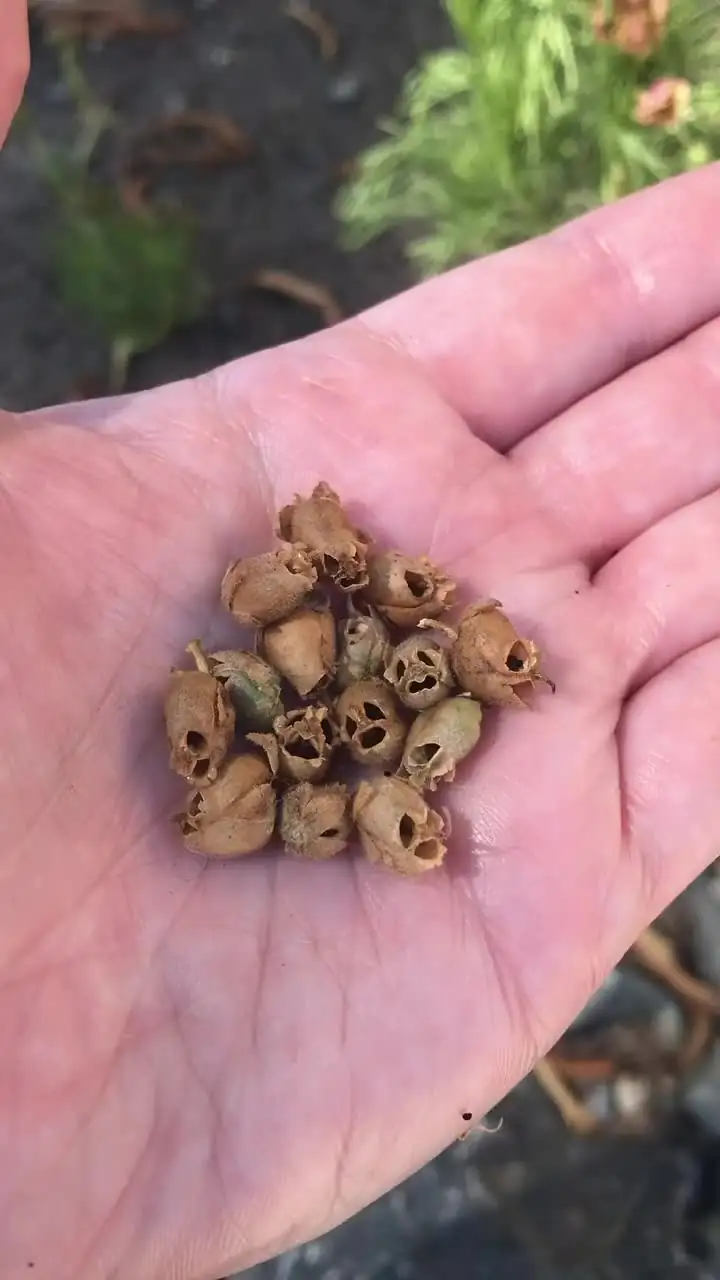
Snapdragons have deep roots in folklore, often associated with protection and mystery. In medieval Europe, they were believed to ward off evil spirits and were commonly planted near homes or hung at doorways like natural guardians. Their name, derived from the Greek “antirrhinon,” means “like a nose,” a nod to the flower’s unique shape. However, it’s the dried seed pods that truly capture the imagination. These pods eerily resemble tiny skulls, further fueling their mystical reputation and adding a dash of intrigue to their historical narrative.
Growing Snapdragons: A Gardener’s Delight
Snapdragons, native to the Mediterranean region, are as easy to grow as they are delightful to behold. They thrive in cool weather, making them perfect companions for early spring and fall gardens. Whether you’re filling a cottage border with tall varieties or creating a cascade of color in hanging baskets with trailing types, Snapdragons know how to put on a show.
- Sunlight: Full sun is ideal, although they tolerate partial shade in hotter climates.
- Soil: These plants favor fertile, well-drained soil with a near-neutral pH.
- Watering: Keep the soil evenly moist, watering at the base to prevent fungal issues.
Despite their delicate appearance, Snapdragons are relatively hardy, resisting deer thanks to their bitter taste. They can even handle light frosts, adding resilience to their list of attributes.
Folklore in the Garden: More Than Just a Pretty Face
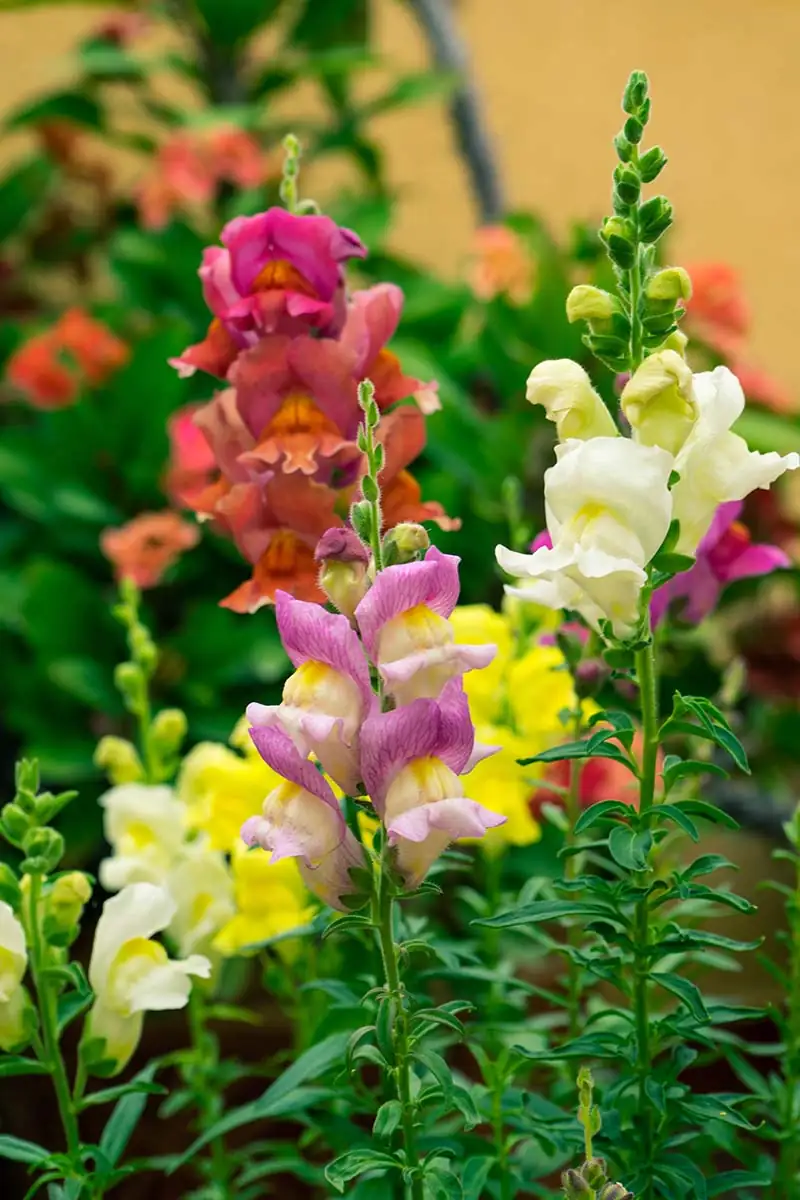
Beyond their protective lore, Snapdragons hold a special place in the language of flowers. In the Victorian era, they symbolized both grace and a hint of deception—a playful nod to their dual nature. Their colors carry specific meanings too: yellow for happiness, red for love, and white for purity, to name a few. This nuanced symbolism makes them a thoughtful addition to bouquets and floral arrangements.
Fun Facts and Floral Fascinations
- Did you know? Snapdragons are sometimes referred to as “Dog’s Mouth” or “Lion’s Mouth,” names that highlight their playful bloom structure.
- Bee-Friendly: These flowers are a magnet for pollinators, attracting bees, butterflies, and even hummingbirds.
- Edible Blooms: While they can be used as an edible garnish, their taste is often bitter, so they’re best appreciated visually.
Whether you’re an experienced gardener or a curious novice, Snapdragons offer a delightful mix of beauty, history, and interaction. Their quirky nature and storied past make them not just a garden staple, but a conversation starter and a symbol of enduring charm. So next time you see these floral puppets in bloom, give them a gentle squeeze and let the magic unfold.


