Unveiling the Enchanting Journey of Snapdragons
Have you ever stopped to marvel at the peculiar charm of the snapdragon? With its vibrant colors and playful blooms that mimic a dragon’s mouth, this delightful flower has captured hearts and imaginations for centuries. But where did these fascinating plants originate, and how have they evolved from their ancient roots to become a staple in gardens worldwide?
A Mediterranean Marvel
Our journey begins in the sun-drenched landscapes of the Mediterranean region and North Africa, where Antirrhinum majus, commonly known as snapdragons, first took root. Stretching from the rocky coasts of Morocco and Portugal to the fertile grounds of Turkey and Syria, these resilient plants thrived in the challenging climates of the area. Over centuries, snapdragons adapted to diverse conditions, making them a versatile choice for gardeners across various climates.
The name Antirrhinum itself is steeped in history. Derived from Greek, it translates to “nose-like,” a whimsical nod to the flower’s distinct shape. The Greeks weren’t the only ones to find charm in these blooms. In medieval Europe, snapdragons were believed to possess protective qualities and were often planted near homes and hung at doorways to ward off evil.
The Garden’s Playful Performer
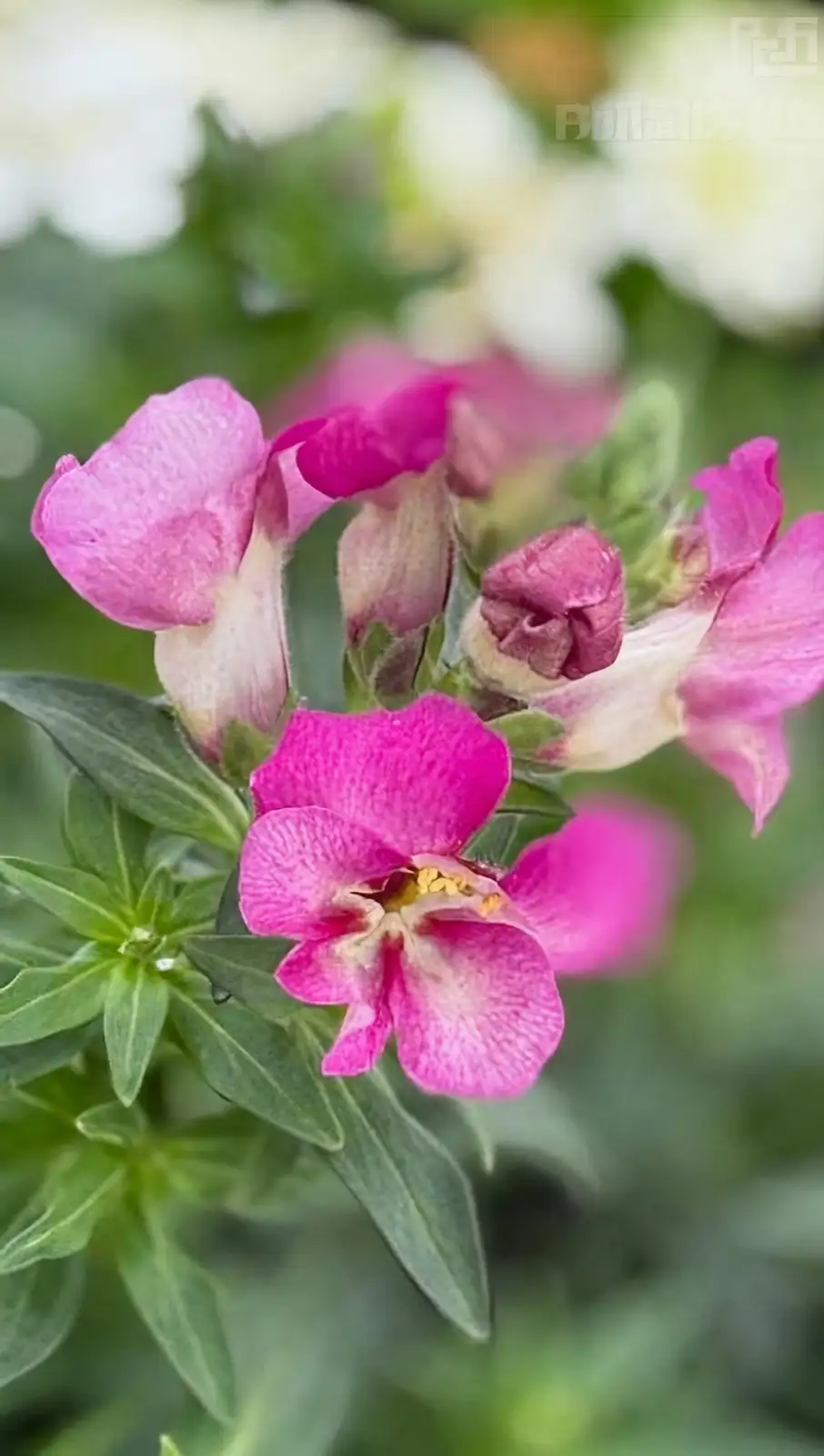
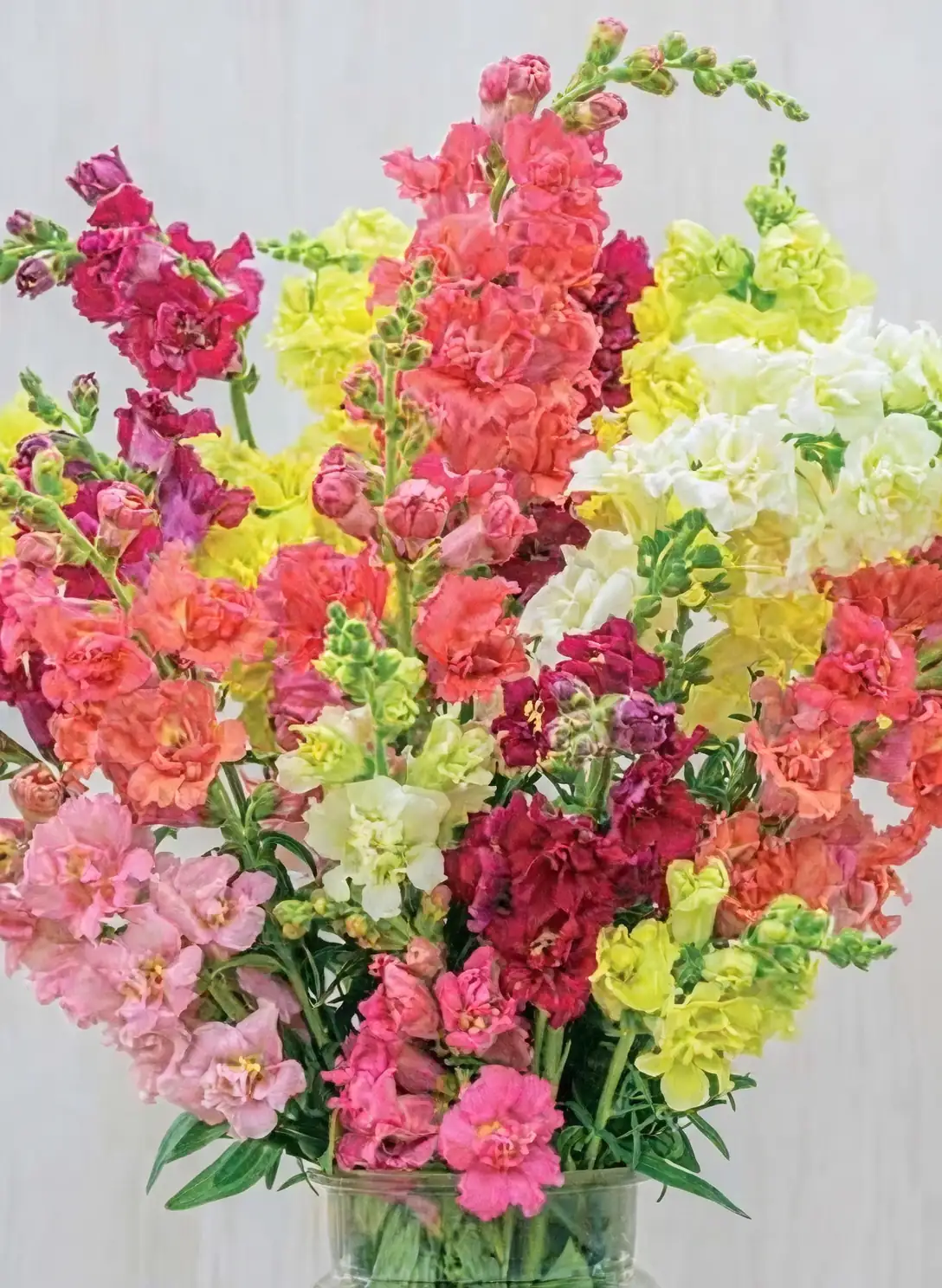
Snapdragons are more than just a pretty face in the garden. Their signature “dragon mouth” blooms, which open with a gentle squeeze, offer an interactive experience that delights both young and old garden enthusiasts. Available in nearly every color except true blue, these flowers can brighten any space, from cottage gardens to elegant borders and hanging baskets.
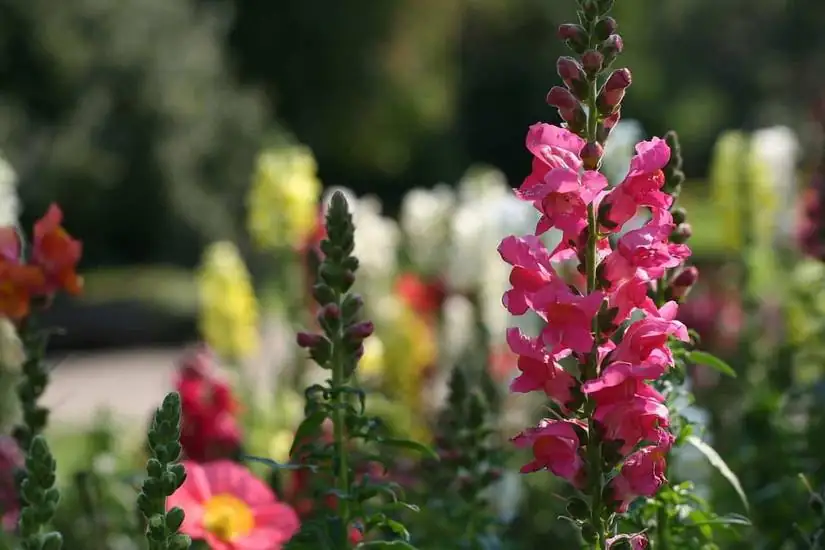
Depending on the variety, snapdragons range in size, with dwarf types standing at a modest 10–15 cm (4–6 in) and taller varieties reaching up to 120 cm (48 in). This range in stature makes them a flexible choice for different garden designs, whether you’re looking to add a burst of color to the front of a border or a vertical accent in the back.
A Flower for All Seasons
Snapdragons are cool-weather champions, flourishing most vibrantly in the spring and fall. In milder zones, they might even grace your garden with blooms through winter. It’s this adaptability and robust nature that has endeared them to gardeners seeking long-lasting floral displays.
However, snapdragons do have their quirks. They prefer full sun but can tolerate partial shade, especially in regions where summers are intensely hot. Their soil requirements are straightforward: well-drained, fertile, and enriched with organic matter. When temperatures soar, these flowers may take a brief pause, conserving their energy for cooler days.
Snapdragons in Folklore and Symbolism
Beyond their aesthetic appeal, snapdragons carry rich symbolic meanings. In Victorian flower language, they represented both grace and deviousness, a playful duality that reflects their whimsical nature. Color further enriches their symbolism: yellow signifies happiness and luck, red embodies love and energy, pink denotes elegance, purple suggests spirituality, and white stands for purity.
These colorful meanings are not just historical footnotes—they continue to influence how we perceive and use snapdragons today, whether gifting them in bouquets or showcasing them in floral arrangements.
Cultivating Snapdragons: Tips and Tricks
For those eager to bring snapdragons into their gardens, here are some expert tips:
- Planting and Care: Start seeds indoors 8–10 weeks before the last frost for a head start. Snapdragons thrive in cool, moist soil, so ensure they have consistent moisture without becoming waterlogged.
- Pinching and Pruning: To encourage bushiness, pinch back young plants when they reach about 10–15 cm (4–6 in) tall. Regularly deadhead spent blooms to promote continuous flowering.
- Pest Management: Keep an eye out for common pests like aphids and spider mites and prevent fungal diseases by ensuring good airflow and avoiding overhead watering.
A Floral Legacy
From their ancient Mediterranean origins to their modern-day status as garden favorites, snapdragons are a testament to nature’s creativity and resilience. Whether you’re captivated by their playful blooms or intrigued by their rich history and symbolism, these flowers offer a delightful addition to any plant collection. So, the next time you encounter a snapdragon, take a moment to appreciate its storied past and the vibrant life it brings to gardens around the world.