

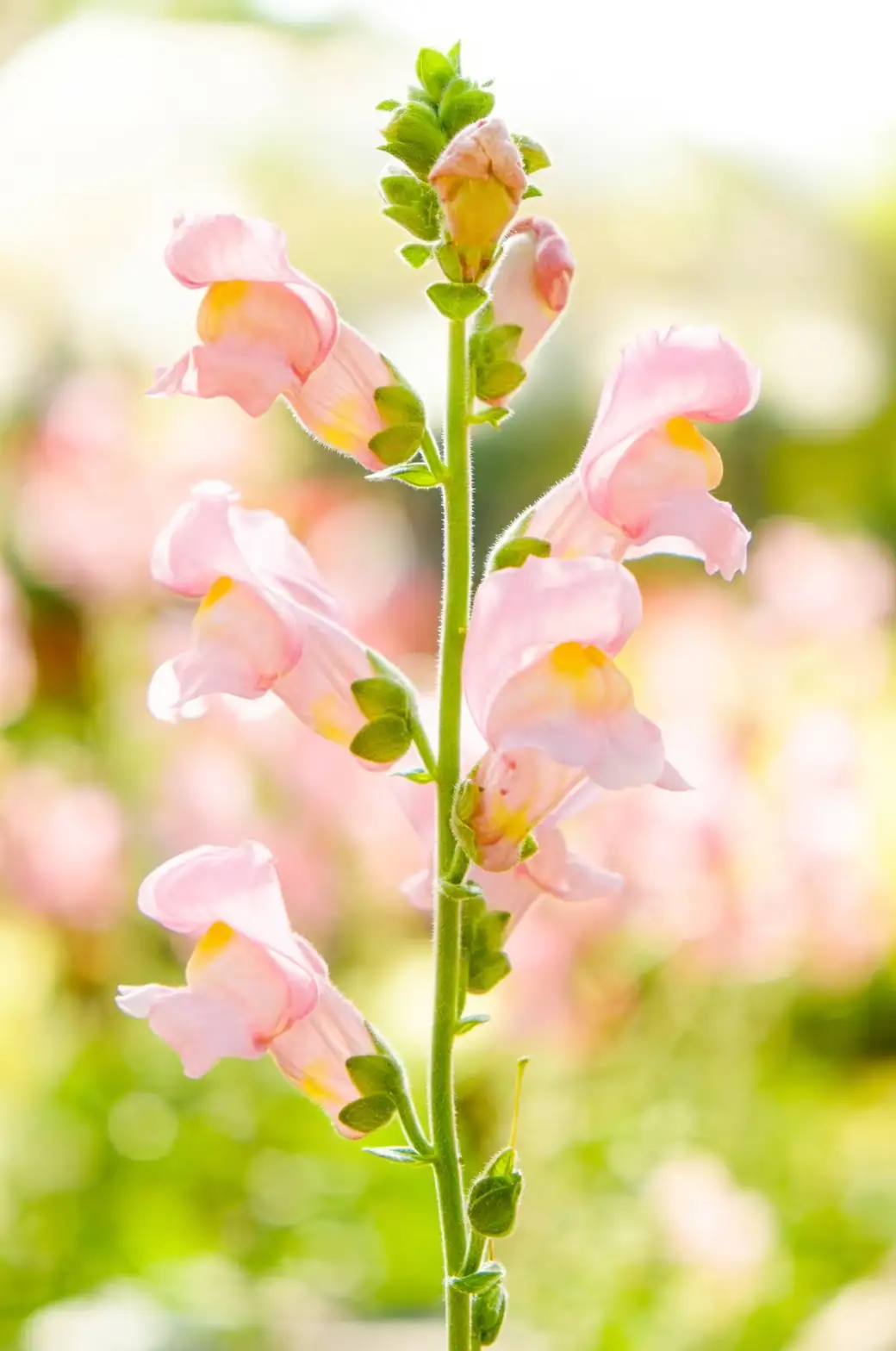
Snapdragons, or Antirrhinum majus, are the quintessential bloomers of the cottage garden, dazzling us with their array of colors and whimsical “dragon mouth” flowers. These charming plants, native to the Mediterranean region, have long been celebrated not just for their beauty but for the playful interaction they invite—squeeze their sides and watch the flowers snap open like tiny puppets! But to truly enjoy a bountiful display of these botanical wonders, it’s essential to understand their care needs. Let’s dive deep into how you can cultivate lush snapdragons in your garden.
Lighting and Temperature: The Goldilocks Zone
Snapdragons thrive in full sun, which means they need about six or more hours of sunlight each day to produce their best blooms. However, they’re also quite adaptable, tolerating partial shade, especially in regions where the summer sun is scorching. Imagine them as sunbathers who love the early morning rays but appreciate a little afternoon shade to cool off.
In terms of temperature, snapdragons are cool-weather lovers. They perform best with daytime temperatures around 21°C (70°F) and nights that cool down to about 4°C (40°F). Despite their preference for cool conditions, snapdragons are resilient and can withstand light frosts, making them a splendid choice for early spring or fall gardens.
Watering Wisdom: Striking the Right Balance
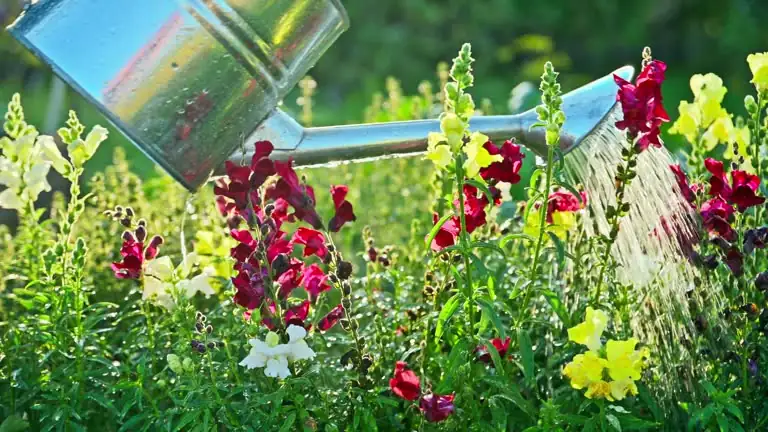
Snapdragons, much like Goldilocks, are a bit picky about their watering needs—they’re neither fans of drought nor of drowning. When establishing these plants, keep the soil consistently moist. Once they’re well-rooted, a general rule of thumb is watering when the top inch of soil feels dry. Aim for about an inch of water per week, whether from rainfall or irrigation.
In containers, snapdragons may need more frequent watering due to faster soil drying. Check daily during hot spells, and water early in the day to allow the foliage to dry, which helps prevent disease.
Soil and Fertilization: Feeding the Dragons
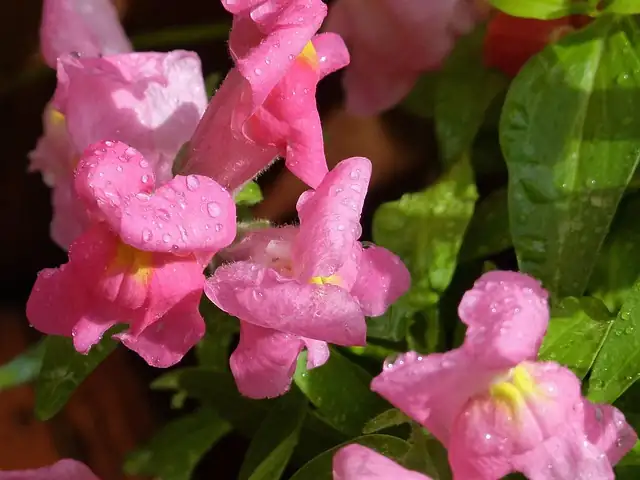
For the best growth, plant snapdragons in fertile, well-drained soil enriched with organic matter. A near-neutral pH of around 6.5 is ideal. Before planting, work compost into the soil to a depth of about 15 cm (6 inches), providing a rich foundation for your snapdragons.
During their active growth phase, feed your snapdragons with a balanced fertilizer every 2-4 weeks. Mulching around the base helps retain moisture and keeps the roots cool—perfect for those warm summer days.
Seasonal Care: Keeping the Blooms Coming
Snapdragons are the life of the garden party in cooler weather. They bloom prolifically in the spring and fall, with a tendency to take a little siesta during the peak summer heat. In mild climates, they may even surprise you with winter blooms.
- Spring: Plant out after the danger of hard frost has passed. Begin feeding and pinch young plants to encourage bushiness.
- Summer: Maintain even moisture and ensure good airflow. Expect a rest period during intense heat.
- Fall: Cooler temperatures often trigger a robust second bloom.
- Winter: In mild regions, snapdragons can keep flowering; in other areas, they’re typically treated as annuals.
Pruning and Propagation: Encouraging New Growth
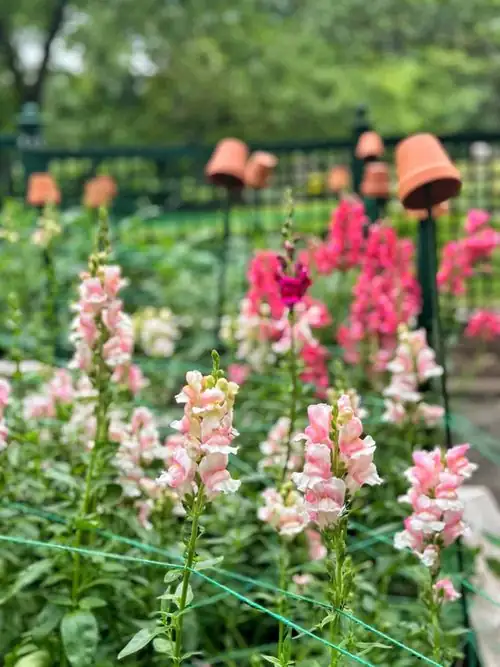
Deadheading, or removing spent flowers, is crucial to keep your snapdragons blooming. Snip back to a leaf node to encourage new spikes. For cut flowers, harvest when the lower third of the spike is open, and cut low to stimulate new stems.
Propagation can be done through seeds, cuttings, or division. For seeds, remember they need light to germinate, so press them onto the soil surface without burying. Start them indoors 8-10 weeks before the last frost for a head start on the season.
Snapdragons in Lore and Use
Beyond their garden appeal, snapdragons carry a rich tapestry of symbolism. In the Victorian language of flowers, they represent both graciousness and a hint of deviousness—a duality as intriguing as their dragon-like blooms. Their colors carry specific meanings too: yellow for happiness, red for love, pink for elegance, purple for spirituality, and white for purity.
Historically, snapdragons were believed to ward off evil when planted near homes, and their seed pods, resembling tiny skulls, have long sparked the imagination, contributing to their mystical reputation.
Conclusion
With a bit of attention to their preferences, snapdragons can be a stunning and long-lasting feature in your garden. Whether you grow them for their colorful display or the playful interaction they offer, these plants are a joy to cultivate and admire. So why not add a dash of dragon magic to your garden this season?


