

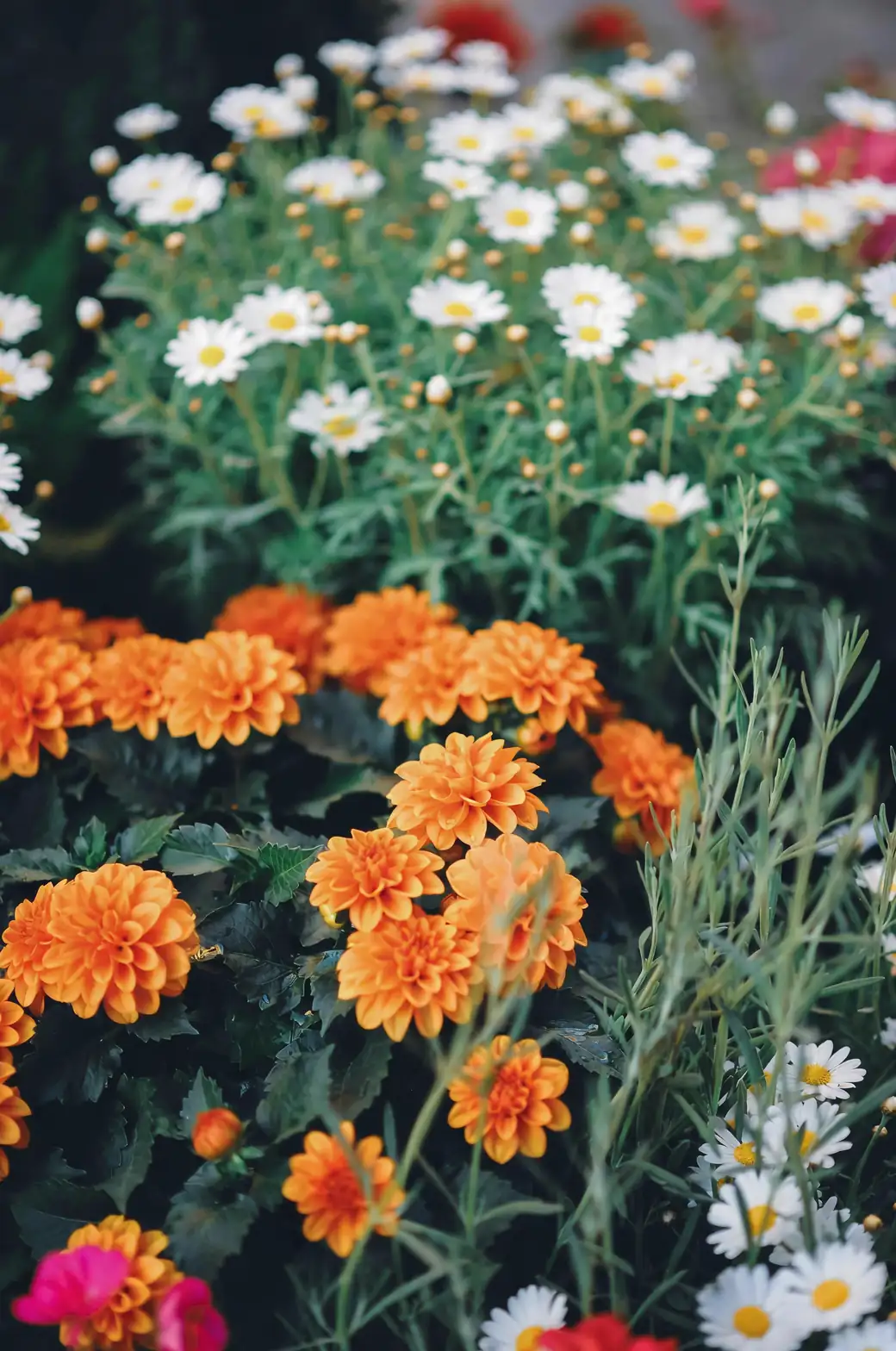
Propagating Chrysanthemum × morifolium: A Garden Enthusiast’s Guide to Abundant Blooms
Imagine your garden adorned with a vibrant tapestry of Chrysanthemum × morifolium, those charming “Queens of Fall Flowers,” dazzling in hues of yellow, pink, red, and even the occasional green. As a gardener, there’s nothing quite like the satisfaction of seeing these perennial beauties flourish year after year. But how do you ensure your chrysanthemums remain as plentiful as they are colorful? The secret lies in mastering the art of propagation.
Why Propagate Chrysanthemums?
Propagation is the gardener’s magic wand, transforming a single plant into a chorus of blooms that can fill your garden with life. Not only does it help in rejuvenating older plants, but it also allows you to share your floral triumphs with fellow garden enthusiasts. Chrysanthemums are particularly rewarding to propagate due to their robust nature and the myriad of methods available to coax them into multiplying.
Techniques for Propagating Chrysanthemums
1. Stem Cuttings: Clone Your Favorites
Stem cuttings are like nature’s copy-paste function, giving you an exact replica of the parent plant. Here’s how to do it:
- Timing: Aim for late spring or early summer when the shoots are firm and turgid.
- Selection: Choose healthy, non-flowering shoots about 10–15 cm (4–6 inches) long.
- Preparation: Remove the lower leaves to reduce water loss and make a clean cut to prevent rot.
- Planting: Insert the cuttings into a pot filled with a free-draining compost mix. Terracotta pots are ideal as they allow the soil to breathe.
- Environment: Cover the pot with a plastic bag to maintain humidity, ensuring the bag doesn’t touch the leaves to avoid mold.
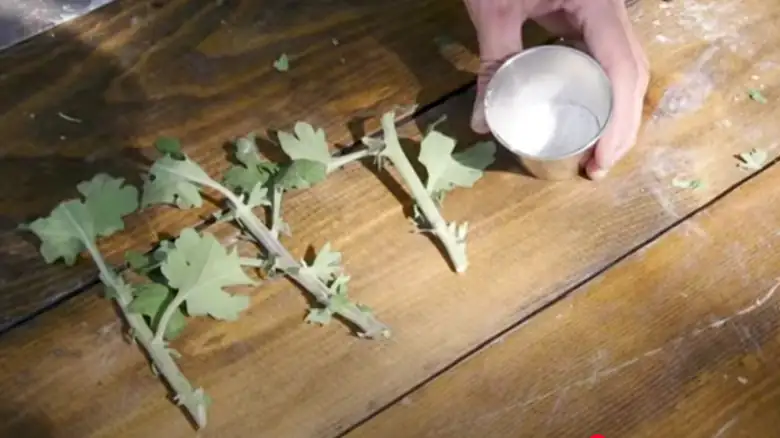
Within 2–3 weeks, roots will form, and you’ll have a new chrysanthemum ready to plant out.
2. Division: Refresh and Multiply
Every 2–3 years, your chrysanthemums will appreciate a little division. This method not only propagates but also invigorates the parent plant:
- Timing: Best done in late spring.
- Process: Gently lift the entire clump from the ground and carefully split it into sections, each with shoots and roots.
- Replanting: Plant these divisions immediately, ensuring they have enough space to breathe and grow.
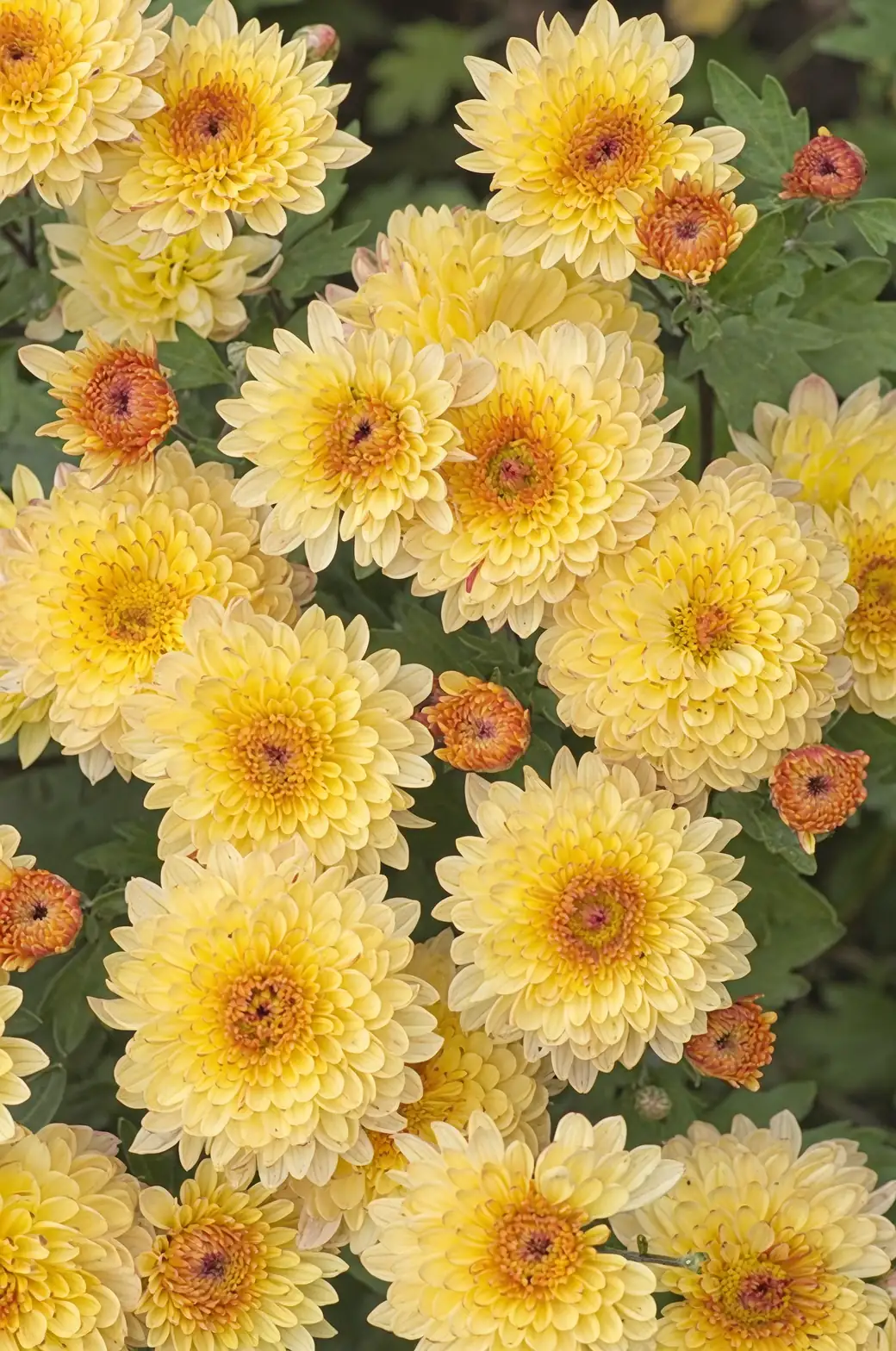
This method is particularly useful for reducing overcrowding and maintaining plant health.
3. Seed: For the Adventurous Gardener
While growing chrysanthemums from seed can be unpredictable, with potential surprises in flower color and form, it’s a fun way to explore new varieties:
- Timing: Start indoors 6–8 weeks before the last frost.
- Germination Conditions: Maintain temperatures between 21–24°C (70–75°F) for 1–3 weeks.
- Expectations: Seed-grown plants might bloom in about three months, but remember, they may not be identical to the parent plant.

Ensuring Success: Tips for Flourishing Chrysanthemums
- Sunlight and Placement: Ensure at least 5–6 hours of direct sun daily. Position them away from bright night lights as chrysanthemums are short-day plants, and such lighting can interfere with blooming.
- Soil and Watering: Rich, well-draining soil is a must. Keep the soil evenly moist, but never soggy, and water at the soil line to prevent leaf diseases.
- Care and Maintenance: Regular pinching (removing the soft tip growth) encourages a bushier plant and more blooms. Start when the plants are about 15 cm (6 inches) tall and continue every 2–3 weeks until mid-summer.
Chrysanthemum Cultural Significance
Beyond their garden charm, chrysanthemums carry rich cultural symbolism. In China, they symbolize noble character and longevity, often linked to the poet Tao Yuanming. In Japan, the chrysanthemum is revered as the Imperial flower, representing the monarchy itself. Understanding these layers of meaning adds an extra dimension to growing these flowers, connecting you to a tapestry of history and tradition.
Bringing It All Together
By mastering these propagation techniques, you’ll not only have a garden that bursts with color every fall but also a deeper connection with one of the world’s most cherished flowers. Whether you’re cloning your favorite variety through cuttings or experimenting with seeds, each new plant is a testament to your skill and patience as a gardener. So, grab your gardening gloves and let the chrysanthemum magic begin!


