

Chrysanthemums: A Blossoming Tale Through Time
—
Few flowers carry the cultural and historical gravitas of the chrysanthemum, scientifically known as Chrysanthemum × morifolium. Often celebrated as the “Queen of Fall Flowers,” this vibrant perennial has captured hearts and imaginations from the ancient gardens of China to bustling flower markets in modern America. Let’s embark on a journey through time to explore how this captivating bloom has evolved and spread across the globe.
The Ancient Roots
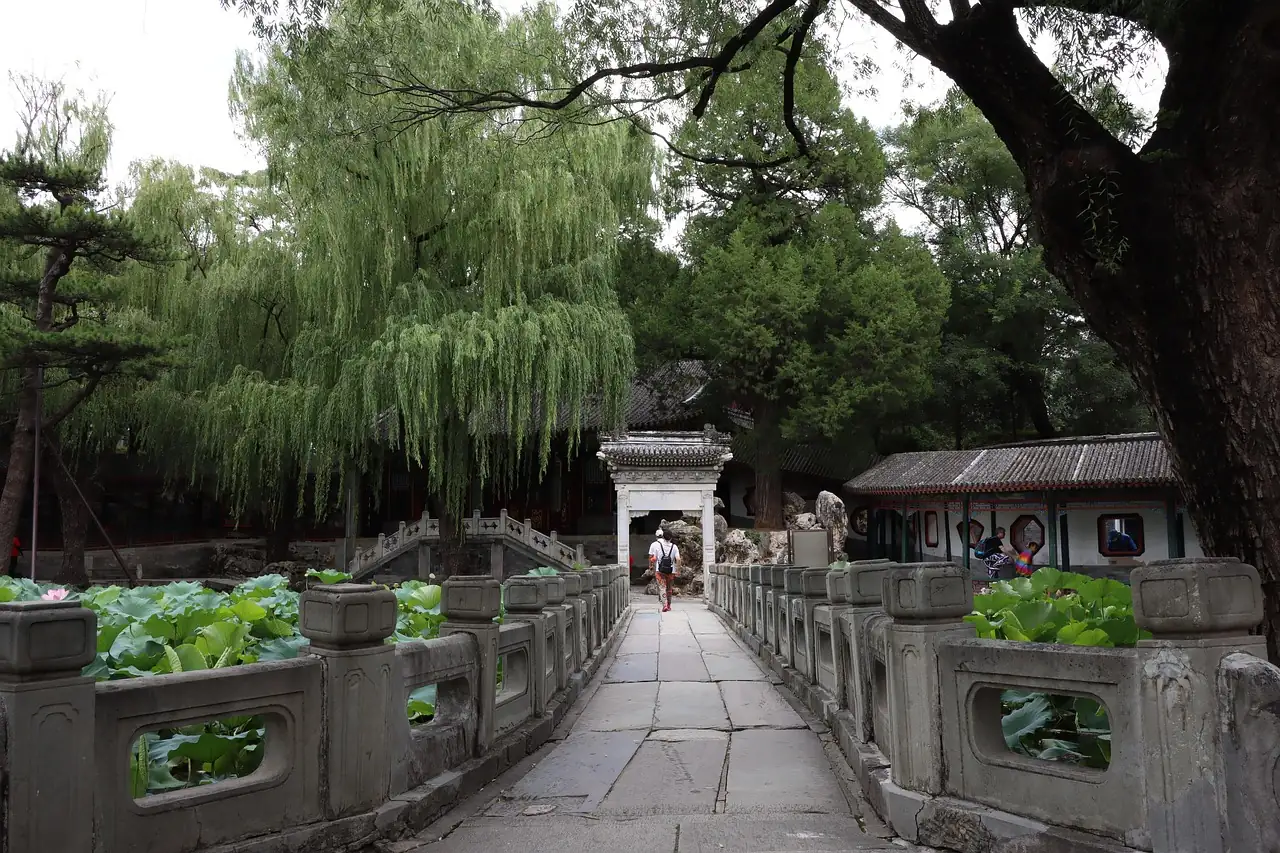
Our story begins in the heart of ancient China, where chrysanthemums were first cultivated over 3,000 years ago. Originally revered not just for their beauty but also for their potential medicinal benefits, these flowers were believed to hold life-extending properties. Imagine a time when the petals and young shoots were tossed into salads and teas, providing both nourishment and potential healing. The city of Chu-Hsien, or “Chrysanthemum City,” stands as a testament to the flower’s esteemed status in Chinese culture.
Crossing the Sea to Japan
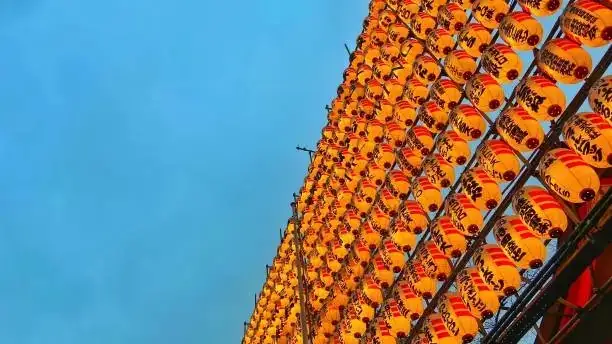
By the 8th century, chrysanthemums had made their way to Japan, where they were embraced with open arms and elevated to a symbol of imperial power. Known as “Kiku” in Japanese, the chrysanthemum became the emblem of the Imperial family—so much so that the Japanese monarchy is often referred to as the “Chrysanthemum Throne.” The flower’s regal allure is celebrated annually on Chrysanthemum Day, also known as the Festival of Happiness, a nod to its associations with longevity and rejuvenation.
A European Debut
Chrysanthemums continued their journey westward, reaching Europe in the 17th century. Dutch explorers and French horticulturists were instrumental in introducing and developing new varieties. The “Old Purple” chrysanthemum, one of the earliest European cultivars, paved the way for the diverse forms we know today, from pompons to spider mums. The flower’s name itself is a nod to its vibrant appearance, derived from the Greek words “chrysos” (gold) and “anthemon” (flower).
The American Flourish
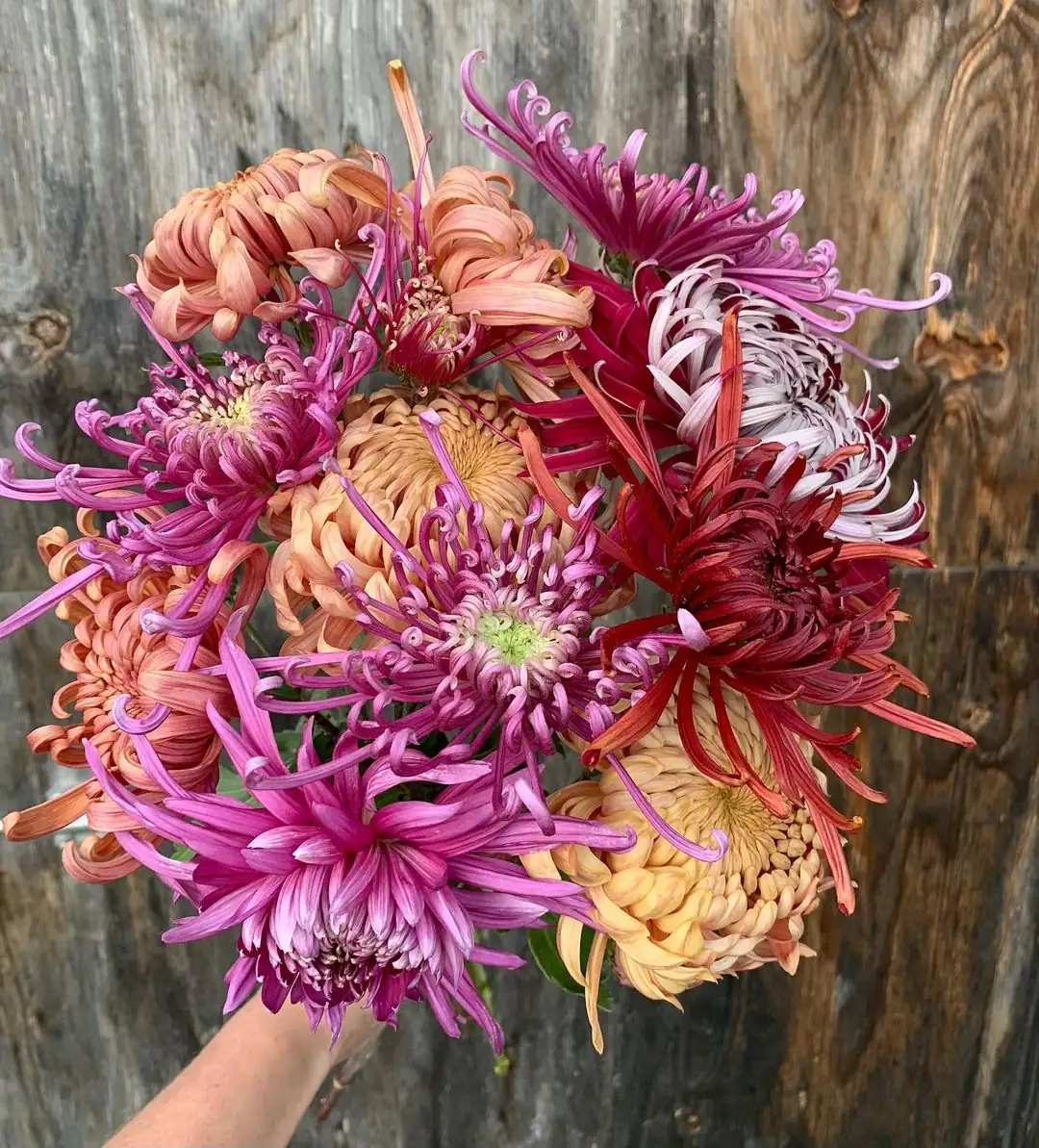
By the late 18th century, chrysanthemums had crossed the Atlantic, landing in North America. Their popularity soared throughout the 19th and 20th centuries, driven by extensive breeding that resulted in tens of thousands of cultivars. Today, chrysanthemums symbolize autumn across the United States, adorning gardens, porches, and floral arrangements with their brilliant hues.
Cultural Significance and Symbolism
Chrysanthemums carry profound cultural symbolism, varying across regions:
- China: Here, chrysanthemums are one of the “Four Gentlemen” of flowers, representing noble character and scholarly retirement. The Double Ninth Festival is associated with the flower, celebrated with poetry and contemplation.
- Japan: Beyond their imperial ties, chrysanthemums denote happiness and are a national symbol of goodwill and longevity.
- Europe: In parts of Europe, particularly France and Italy, chrysanthemums are linked to mourning and are often seen at funerals.
A Bloom for Every Occasion
The versatility of chrysanthemums is evident not only in their symbolism but also in their numerous uses:
- Ornamental: A staple in fall gardens, they are beloved for their wide array of colors and forms, from decorative to quill-shaped blooms.
- Culinary: Chrysanthemum tea, made from dried flowers, is cherished in East Asian cultures for its refreshing and purported health benefits.
- Medicinal: Traditional Chinese Medicine has long utilized chrysanthemums for their cooling properties, often as a remedy for eye health.

A Living Legacy
Chrysanthemums stand as a testament to the enduring allure of nature’s artistry. Whether you’re drawn to their vibrant colors, intricate forms, or rich cultural history, these flowers offer something for everyone. As you admire a bouquet of mums or stroll through a garden bed ablaze with their blooms, consider the centuries of cultivation and reverence that have brought these stunning flowers to your doorstep. What stories will these chrysanthemums inspire in your life?


