

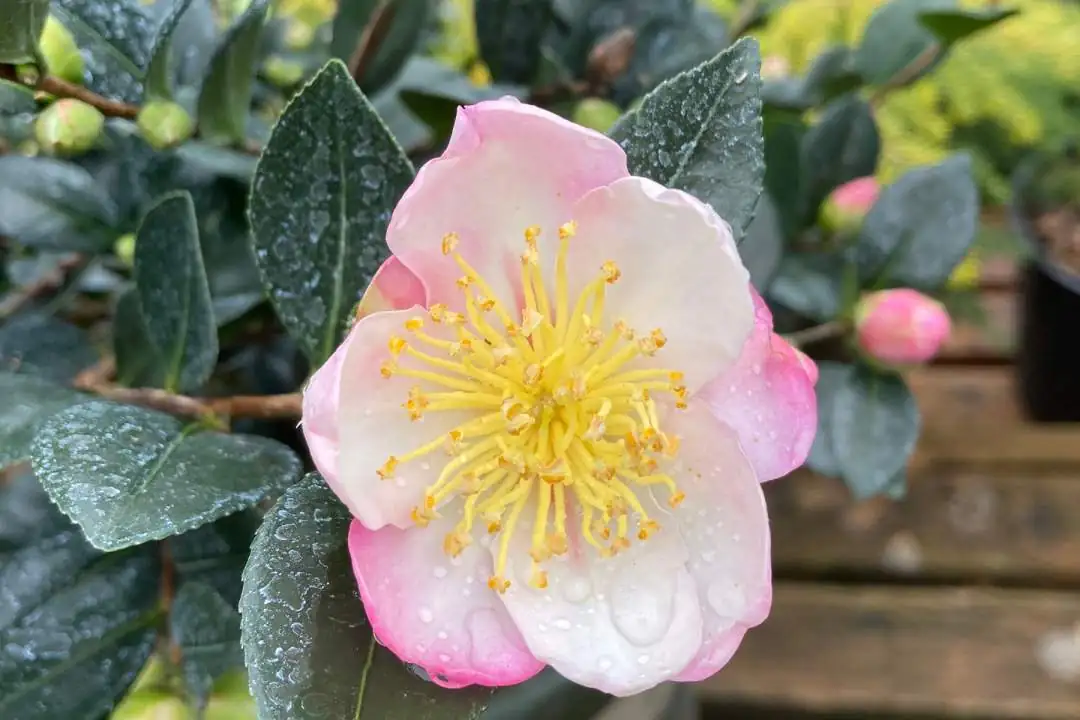
A Blooming Symbol: The Enchanting Tale of Camellia japonica
Imagine a garden in the heart of winter. The landscape seems hushed, cloaked in a sleepy lull, when suddenly, amidst the evergreen foliage, a vibrant burst of color emerges. This is no ordinary bloom; it’s the Camellia japonica, a dazzling spectacle that commands attention with its glossy leaves and lush, rose-like flowers.
As we delve into the enchanting world of this remarkable plant, we uncover a rich tapestry of symbolism and cultural significance that spans continents and centuries.
The Language of Flowers: Decoding the Camellia
In the lexicon of floral symbolism, the camellia speaks the language of love, devotion, and admiration. Originating from the mystical lands of East Asia—China, Korea, and Japan—this flowering plant has long been associated with profound emotions and virtues.
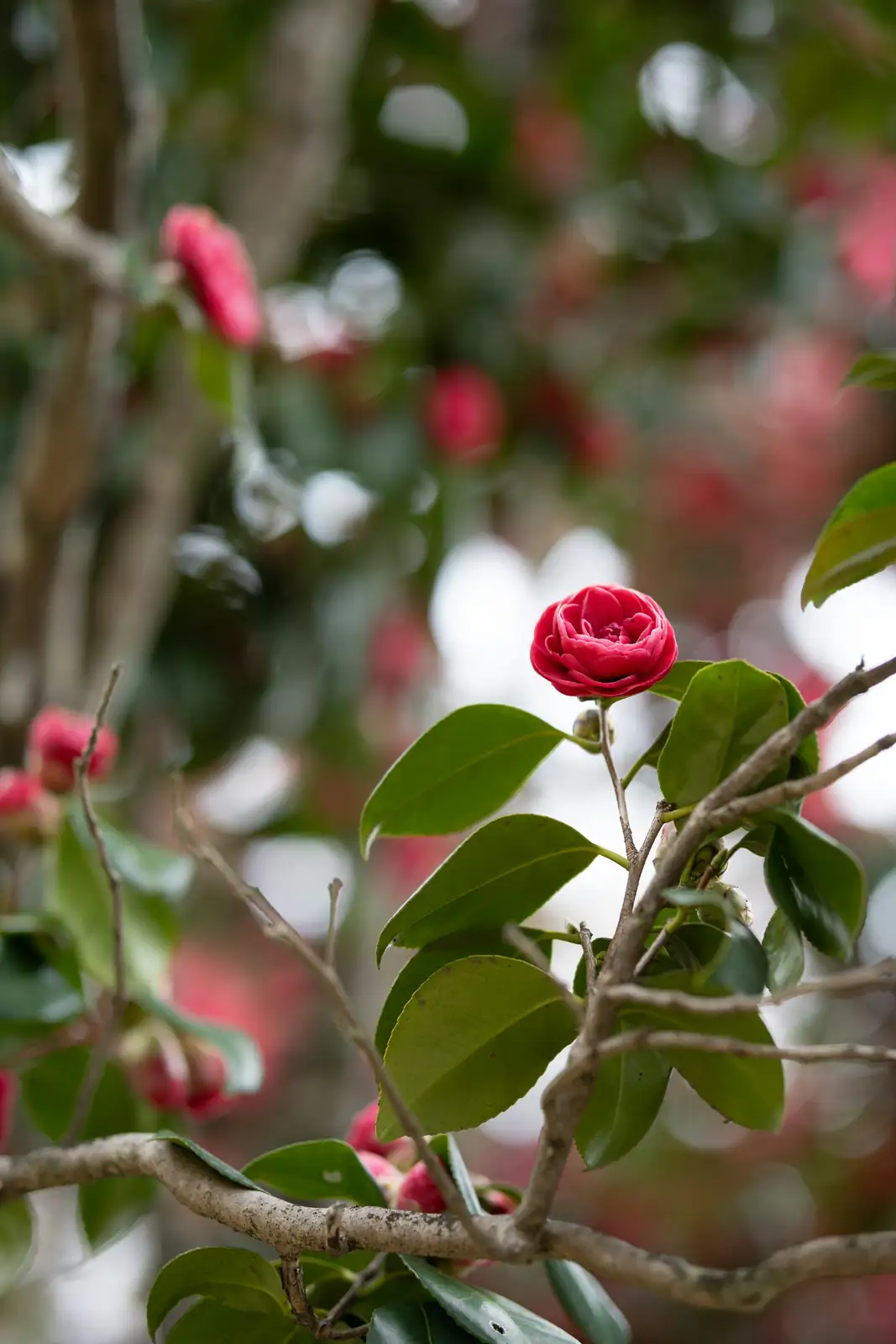
- Red Camellia: In the heart of Japanese tradition, the red camellia embodies courage, passion, and the fiery spirit of perseverance. It is said to echo the resilience of warriors, a nod to its historical ties with the samurai, symbolizing honor and the noble acceptance of fate.
- White Camellia: This variant is often linked with purity and innocence. In many cultures, it is an emblem of spiritual reflection and clarity, invoking a sense of serene beauty and peace.
- Pink Camellia: The pink blooms whisper of longing and admiration, a gentle salute to the subtler facets of affection and refined elegance.
A Cultural Odyssey: Camellias in Tradition
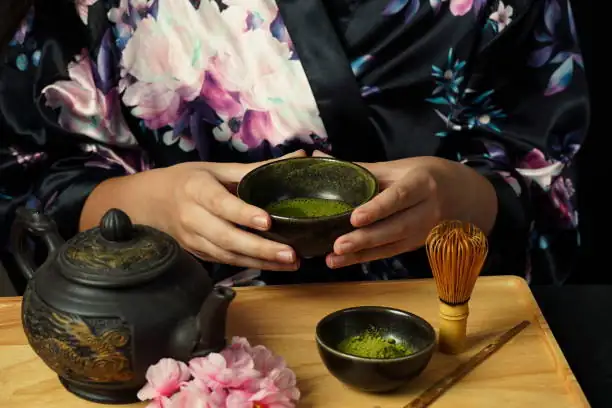
The camellia’s allure transcends its physical beauty, embedding itself deeply in the cultural fabric of the regions it graces. In Japan, known as “tsubaki,” the camellia is more than just a flower; it is a symbol of grace and enduring strength. Its presence is felt in traditional tea ceremonies, where the flower represents a harmonious blend of beauty and tranquility.
In China, the camellia is celebrated in art and literature as a symbol of feminine beauty and resilience. Its blooms are often depicted in poetry and paintings, embodying ideals of virtue and steadfast love.
During the Victorian era, camellias crossed oceans to captivate European hearts, becoming icons of luxury and refinement. Their association with wealth and admiration has since become an enduring part of their legacy.
Celebrations and Traditions
The camellia’s role in celebrations is as prominent as its blooms are vivid. During the New Year and Lunar New Year festivities, the plant is cherished as a symbol of good fortune and renewal, its winter resilience serving as a hopeful harbinger of the year to come.

In modern times, camellias continue to play a starring role in weddings and special occasions, their elegant flowers often used in bouquets and decorations, infusing events with their timeless charm.
The Art of Cultivation: Nurturing a Legend
Growing camellias requires a touch of artistry and a good dose of patience. These evergreens thrive in acidic, well-drained soils and prefer the gentle caress of filtered sunlight. Like any relationship, they flourish with consistent care—keeping their soil moist yet never soggy, and protecting them from harsh elements.
Despite their beauty, camellias can be temperamental. Bud drop, yellowing leaves, and shy blooms often signal stress or incompatible growing conditions. However, with a little attention to detail and the right environment, these plants can live for decades, offering their radiant blooms as a perennial gift.
A Lifelong Bloom
Camellias, with their storied past and cultural resonance, are more than just garden plants. They are storytellers, weaving tales of love, strength, and beauty through their petals. As you admire a camellia, consider not just its delicate form, but the centuries of admiration and symbolism it carries. Whether gracing a garden or a special celebration, the Camellia japonica remains a testament to nature’s timeless elegance and humanity’s enduring admiration for its beauty.


