

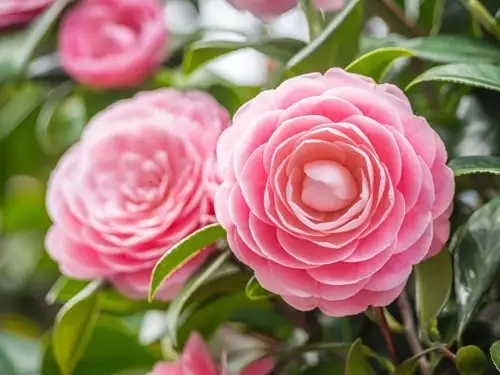
Cultivating the Charm: A Comprehensive Guide to Thriving Camellia japonica
Imagine a garden where the quiet elegance of glossy evergreen leaves is punctuated by the vibrant, rose-like blooms of Camellia japonica. Known as the “queen of winter flowers,” this cherished ornamental plant offers a dazzling display when most of the garden slumbers. Whether you’re a novice gardener or a seasoned green thumb, understanding the subtleties of camellia care can transform your garden or home into a lush, blooming paradise even in the chill of winter.
The Light and Shade Tango: Finding the Perfect Spot
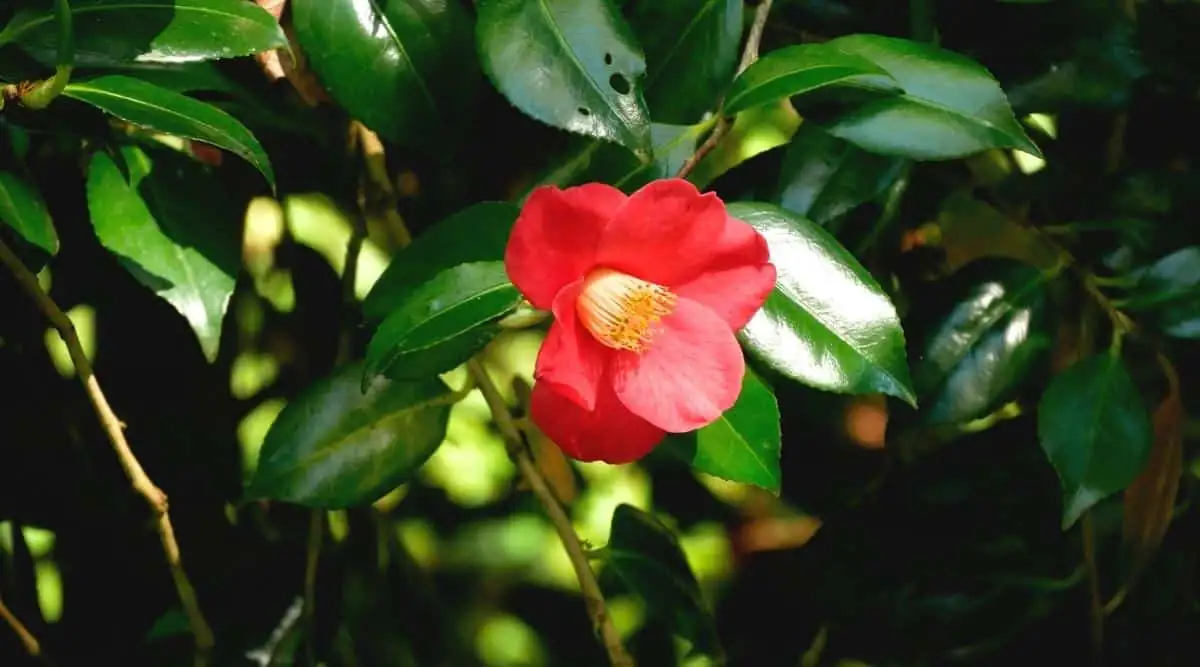
Camellias thrive on a delicate balance of light and shade. Picture them as dancers needing the perfect spotlight—not too harsh, not too dim. Outdoors, they flourish in bright, dappled light, such as morning sun followed by afternoon shade. This prevents the blooms from scorching and keeps those glossy leaves looking their best. Indoors, a bright window is ideal, with an east-facing spot being particularly gentle. A south-facing window can work wonders in winter, provided the room remains cool and the plant doesn’t overheat. Too much shade might make your camellia a bit shy, reducing its bloom performance.
The Art of Watering: Keeping It Just Right
Watering camellias is akin to crafting the perfect cup of tea—it’s all about balance. Consistency is key. The soil should remain evenly moist, never soggy, which mirrors their natural habitat enriched by the gentle, consistent rains of East Asia. In warmer months, potted camellias may need daily watering, ideally in the morning to prevent root rot. As the temperature drops, reduce watering to every 2–3 days, taking care not to chill the roots by watering during the coldest part of the day. If you live in an area with alkaline water, switching to rainwater can make a noticeable difference, keeping those leaves vibrant and green.
Seasonal Care: Adapting to Nature’s Rhythm
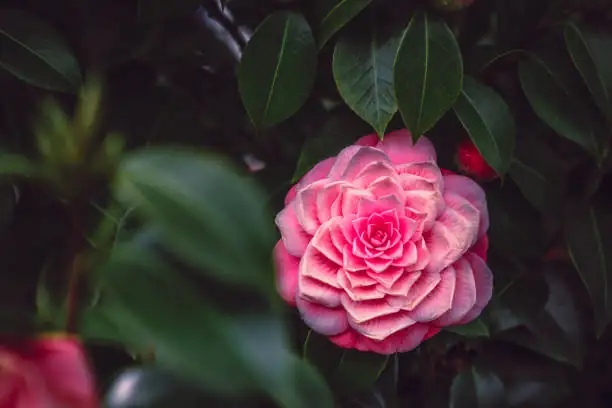
Camellias are seasonally savvy and require a gardener to be in tune with nature’s rhythms. In spring, enjoy the blooms and consider light pruning to maintain a balanced shape. As summer approaches, shield your camellias from harsh sunlight and keep watering consistent to encourage robust bud development for the following season. Come fall, continue steady watering and introduce a light feed to support bud set. Winter care involves protecting the plant from temperatures below -5°C (23°F) and maintaining cooler indoor conditions to help the flowers last longer.
Soil and Fertilization: The Foundation of Growth
Camellias crave acidic, well-draining soil, rich in organic matter—much like the forest floors of their native East Asian habitats. A mix of leaf mold, composted bark, loam, and coarse sand can create the perfect environment. Fertilize lightly and consistently during the growing season with an acid-forming fertilizer, reminiscent of the gentle feeding habits of forest ecosystems. Avoid heavy feeding during extreme heat or late in the season to reduce the risk of bud drop.
The Dance of Propagation and Repotting
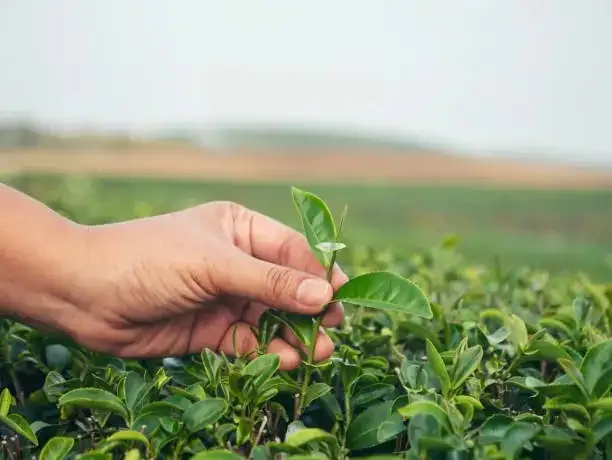
If you wish to share the beauty of your camellias, propagation by semi-ripe cuttings is a rewarding endeavor. This method keeps the new plant attached to the original, ensuring a robust start. Repotting every 2–3 years is also essential for container plants, ideally after flowering or during autumn. Choose a pot that allows for growth, but avoid burying the plant’s crown too deeply, ensuring excellent drainage.
Preventing Troubles: A Healthy Camellia is a Happy Camellia
Camellias are generally hardy, but vigilance is crucial. Common pests like scale insects, aphids, and spider mites can be managed with early intervention. Diseases such as petal blight and root rot can be minimized by maintaining good airflow and avoiding waterlogged conditions. Regularly remove spent blooms and monitor for any signs of distress.
The Language of Camellias: More Than Just a Bloom
These flowers carry a rich symbolism, often associated with love, devotion, and admiration. In China, blooming around major winter holidays, they symbolize celebration and good fortune. The cultural history of camellias is equally fascinating, from their veneration in Japanese folklore to their romantic embodiment in Western literature, like Alexandre Dumas’ “La Dame aux Camélias.”
In conclusion, the Camellia japonica offers a rewarding experience to those who understand its needs and rhythms. By mimicking its natural environment with care and patience, you can enjoy a spectacular display of blooms that light up the dreariest of seasons, adding a touch of elegance and history to your home or garden.


