

Embrace the Charm of Garden Balsam: Nature’s Pollinator Magnet
Imagine strolling through your garden on a warm day, surrounded by the vibrant hues of pink, red, purple, and white. Amidst this colorful tapestry, the gentle buzz of bees and the fluttering dance of butterflies bring the scene to life. What if I told you that cultivating this enchanting oasis is as simple as introducing Garden Balsam, or Impatiens balsamina L., into your garden?
The Beauty and Function of Garden Balsam
Garden Balsam, affectionately known as Touch-Me-Not or Rose Balsam, is a delightful addition to any garden. With its ruffled, camellia-like blooms, this plant not only adds visual appeal but also serves a vital ecological role. The flowers, snugly nestled in the leaf axils, offer an irresistible buffet for pollinators, making them a natural magnet for bees and butterflies. This symbiotic relationship not only ensures the plant’s propagation but also supports the broader ecosystem by aiding pollinator populations.
Creating a Pollinator Paradise
To transform your garden into a haven for beneficial pollinators, the placement and care of Garden Balsam are key. These tender annuals thrive in conditions that mimic their native habitats in India, Myanmar, China, and Malaysia. Here’s how you can cultivate a thriving Balsam display:
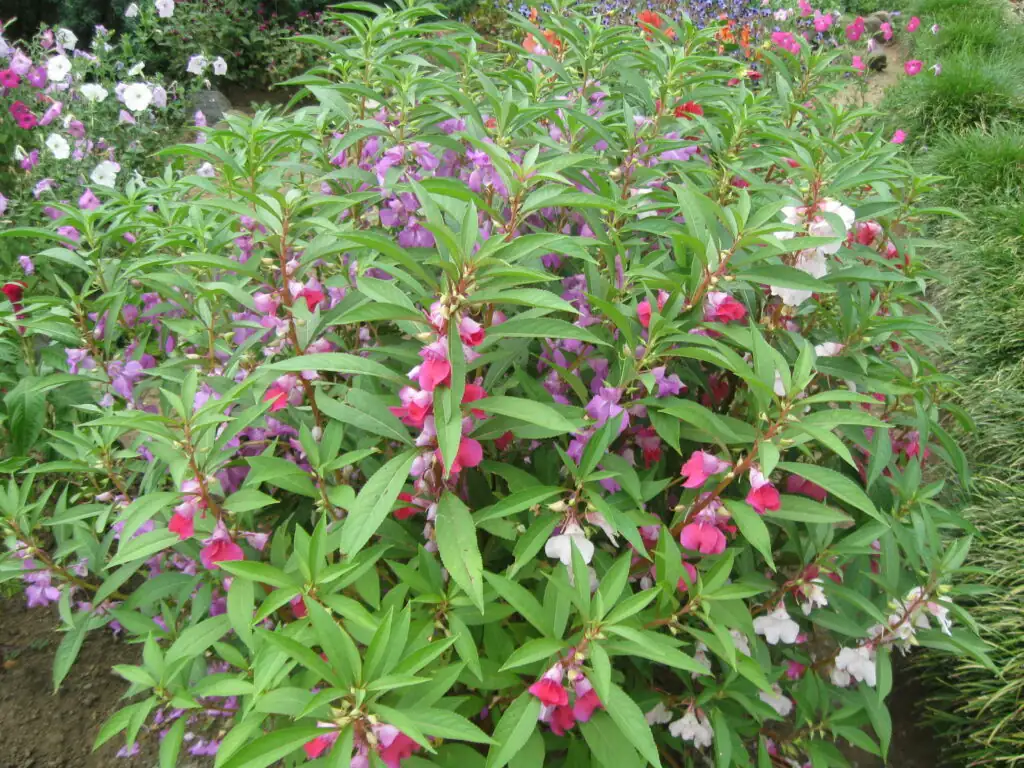
- Sunlight: Garden Balsam prefers full sun to part shade, enjoying 4–6 hours of direct sunlight. In hotter climates, providing afternoon shade helps maintain their vitality.
- Soil and Water: Use fertile, organically rich soil that retains moisture yet drains well. Consistent watering is crucial; the soil should remain evenly moist without becoming waterlogged.
- Repotting and Fertilization: While repotting is usually unnecessary, a slow-release granular fertilizer can support growth. For container plants, consider a balanced liquid fertilizer every few weeks during the blooming season.
The Magic Behind the Name
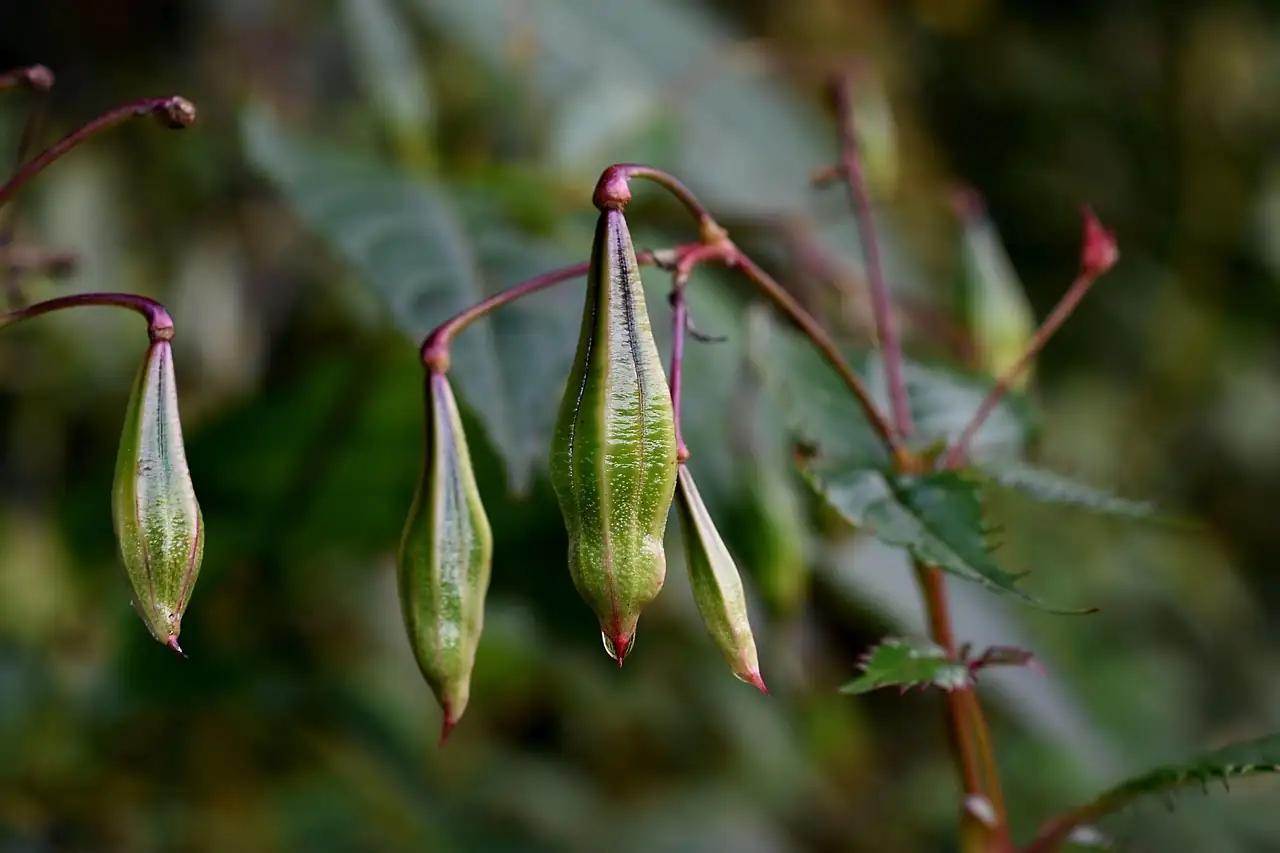
Ever wondered why Garden Balsam is called “touch-me-not”? This whimsical nickname stems from its explosive seed pods, which burst open at the slightest touch, scattering seeds far and wide. This self-seeding trait ensures the plant’s return year after year, often popping up in unexpected corners of your garden—a delightful surprise that adds to its charm.
Enhancing Your Garden’s Ecosystem
Garden Balsam’s role in your garden extends beyond its beauty. By attracting pollinators, it encourages biodiversity and helps maintain a balanced ecosystem. As these pollinators visit the Balsam, they also venture to other plants, enhancing fruit and seed production across your garden.
Moreover, the plant’s traditional uses add another layer of interest. In various Asian cultures, Garden Balsam has been utilized as a natural dye for nails and textiles, and even in folk medicine for its supposed soothing properties. While not a substitute for medical advice, these historical uses reflect the plant’s deep cultural significance.
A Touch of Victorian Elegance
Garden Balsam harks back to the elegance of Victorian gardens, where its double-flowered varieties were prized for their rose-like appearance. This heritage plant is making a comeback, appreciated anew for its heirloom charm and pollinator-friendly nature.
Conclusion: Invite Garden Balsam to Your Garden
By introducing Garden Balsam to your garden, you’re not just planting a flower but inviting an entire ecosystem to flourish. With its vibrant blooms, ease of care, and ability to attract pollinators, Garden Balsam is more than a plant—it’s a celebration of nature’s interconnectedness. So, why not give your garden the gift of Garden Balsam and watch as it blossoms into a lively, buzzing paradise?


