

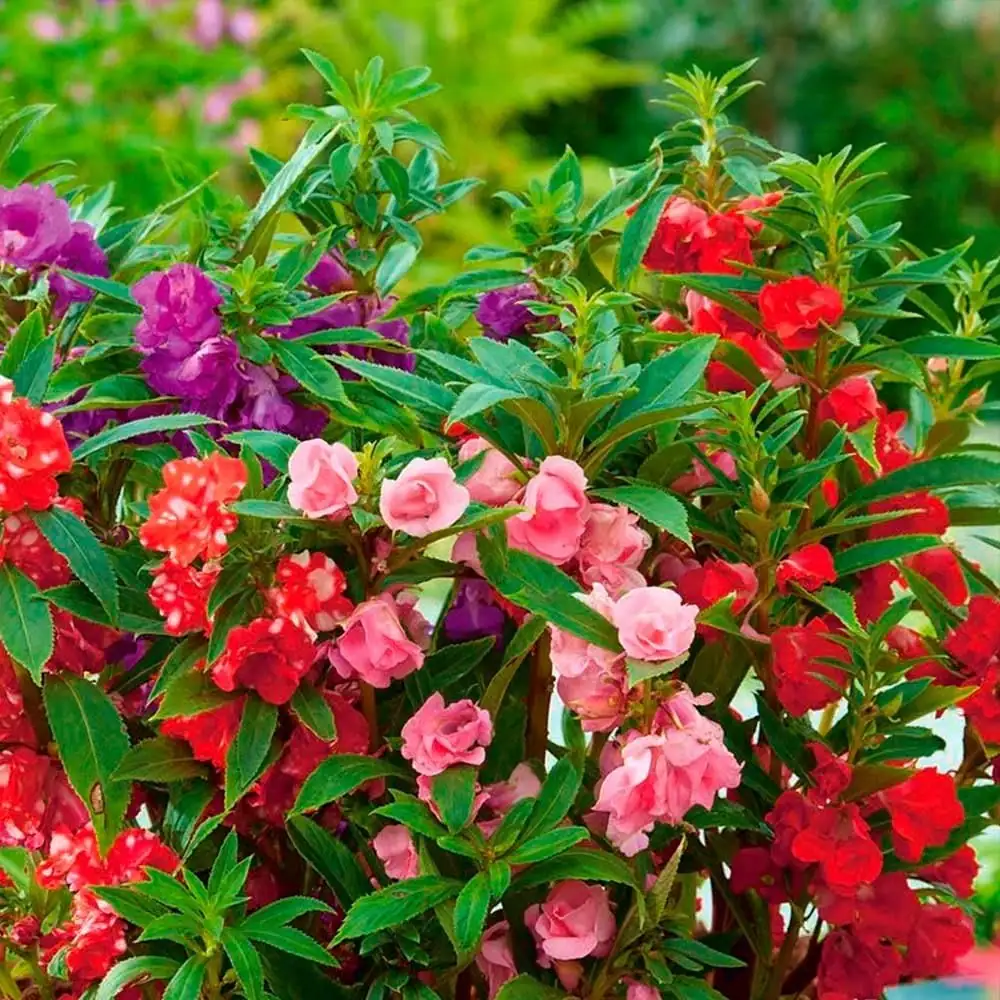
Are you ready to add a splash of color and charm to your garden with minimal effort? Let me introduce you to the delightful Impatiens balsamina, affectionately known as Garden Balsam or Touch-Me-Not. This vivacious annual is a staple of cottage gardens, cherished for its bright, ruffled blooms that resemble tiny camellias or roses. Whether you’re a seasoned gardener or just starting out, these flowers are a joy to grow from seed, offering a colorful display that returns year after year. Let’s dive into the secrets of cultivating these beauties, ensuring your garden stays vibrant and lively all season long!
Why Choose Impatiens Balsamina?
Garden Balsam is an heirloom favorite, hailed for its easy-to-grow nature and enchanting blooms. These flowers are not only visually captivating with their shades of pink, red, purple, and white but also offer a tactile experience with their “impatient” seed pods that burst open at the slightest touch. Imagine a tiny spring-loaded catapult flinging seeds across your garden—nature’s way of ensuring these plants make a comeback every year!
The Perfect Spot for Your Balsam
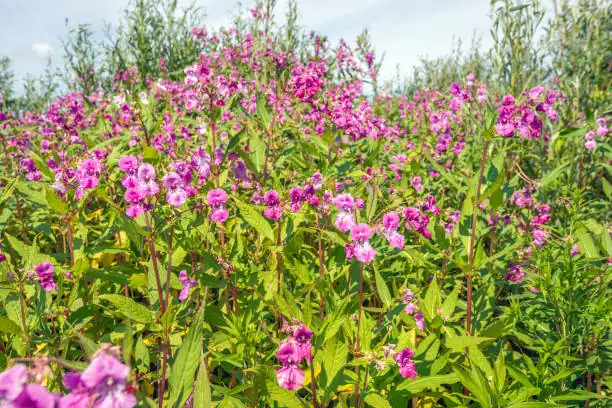
These tender annuals thrive in full sun to part shade. Aim to provide your garden balsams with 4–6 hours of direct sunlight. In hotter climates, offering some afternoon shade can keep them perky and maximize flowering. Remember, these plants adore warmth, and temperatures around 24°C (75°F) are ideal for growth.
Preparing the Soil
The key to successful balsam growth lies in the soil. They flourish in fertile, organically rich soil that retains moisture yet drains well. A loose, well-aerated garden soil or quality potting mix will do wonders for these plants, whether in beds or containers.
Growing Impatiens Balsamina from Seed
Seed Starting Tips
- Timing: Start seeds indoors 6–8 weeks before the last frost, or wait to direct sow outdoors once the danger of frost has passed.
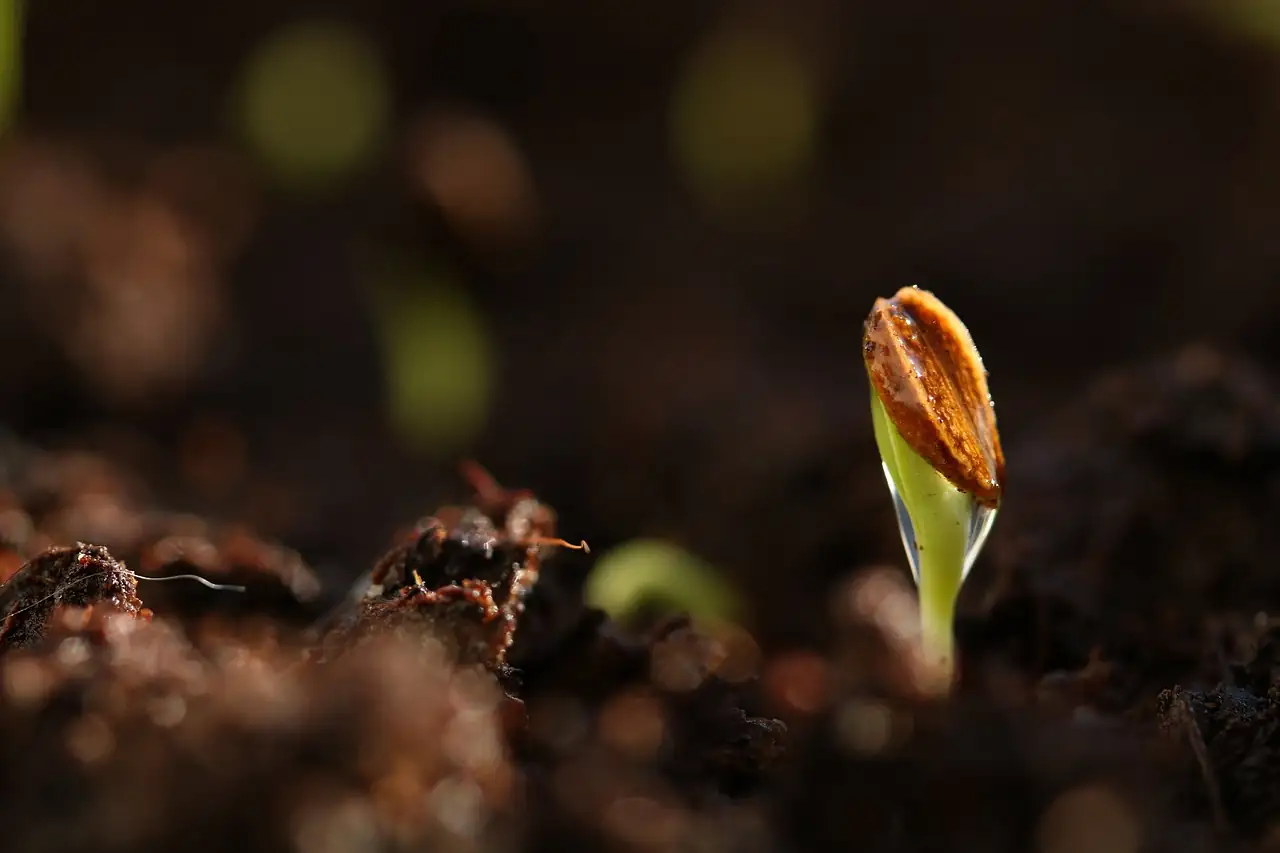
- Light and Temperature: Seeds need light to germinate, so press them onto the soil surface without burying them. Maintain a warm environment, ideally between 60-70°F (15-21°C), to encourage sprouting. Using a heating mat can help maintain consistent temperatures.
- Moisture: Keep the soil consistently moist but not waterlogged. Seeds typically germinate in 4–7 days under optimal conditions.
Transplanting Seedlings
Once seedlings stand a few inches tall with several true leaves, they’re ready to move outdoors. Space them 8–12 inches apart to allow for their upright, branching growth habit. Take time to harden off your seedlings, gradually acclimatizing them to outdoor conditions to reduce transplant shock.
Caring for Your Garden Balsam
Watering and Feeding
Consistent moisture is vital for balsams, especially during active growth and flowering. In containers, check daily and water when the top layer begins to dry. A slow-release granular fertilizer can be applied once seedlings are established, or use a balanced liquid fertilizer twice a month for container plants.
Pruning and Maintenance
Pinch the tips of young plants when they reach about 4 inches tall to encourage bushier growth. Regular deadheading will keep your plants tidy and promote continuous blooming. If you notice any damaged or diseased stems, remove them promptly to maintain plant health.
A Colorful Legacy
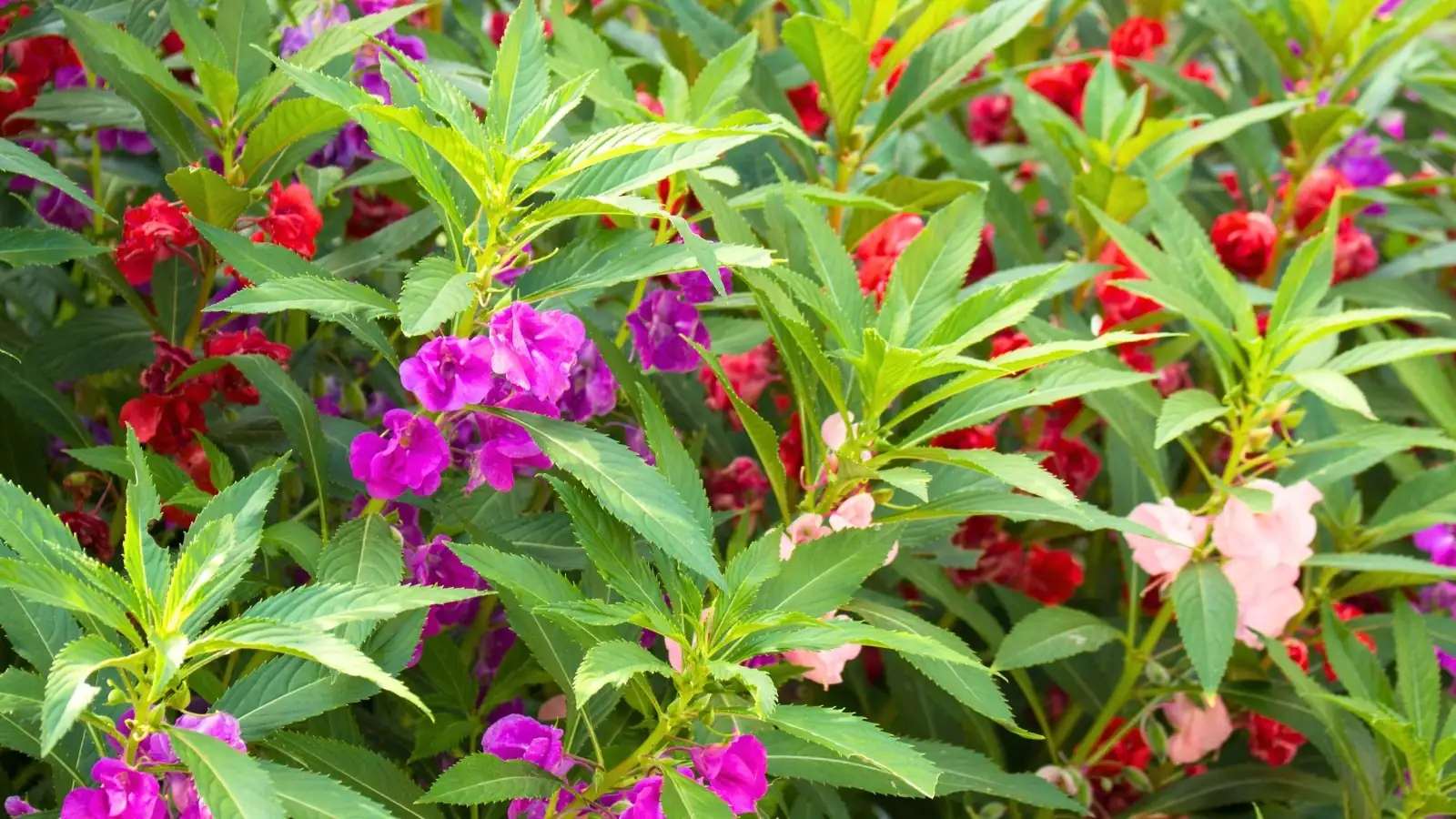
Garden balsam is not just a feast for the eyes; it’s a gift that keeps on giving. Thanks to their self-seeding nature, these plants often return year after year, populating your garden with vibrant surprises. If you wish to control their spread, simply collect the seed pods before they burst.
Flower Language and Symbolism
In the Victorian era, the language of flowers was a popular means of communication, and the garden balsam was no exception. Its association with “impatience” stems from its explosive seed pods. Yet, it also symbolizes ardent love and heartfelt emotion, a nod to its vibrant and captivating presence in the garden.
Common Pests and Troubleshooting
While generally low-risk, garden balsam can occasionally fall prey to aphids and beetles. Treat infestations with insecticidal soap or neem oil. To prevent powdery mildew, ensure good airflow around plants and avoid overhead watering.
Safety and Enjoyment
Although the seeds may cause mild upset if ingested in large quantities, these plants are generally safe for gardens. Treat them as ornamental companions and enjoy the lively dance of pollinators they attract.
By following these tips, you’ll be well on your way to creating a garden bursting with the vibrant hues and lively energy of Impatiens balsamina. Embrace the joy of gardening with these “impatient” beauties and let their colorful blooms bring endless delight to your outdoor space!


