

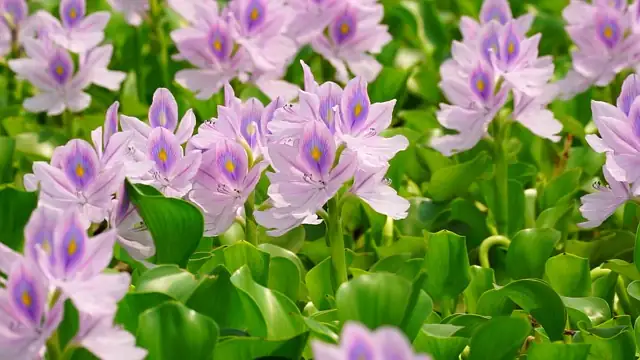
Welcome to the enchanting world of Impatiens balsamina L., affectionately known as garden balsam. This cottage garden staple is a delightful splash of color that can transform any garden into a vibrant tapestry. With its ruffled, camellia-like blooms and playful seed pods that burst open with a mere touch, garden balsam is a plant that thrives on both whimsy and resilience. But how do you ensure that your garden balsam becomes the star of your garden show? The secret lies in understanding its ideal watering schedule and light conditions. Let’s dive in!
The Perfect Light: Balancing Sun and Shade
Garden balsam is a bit of a sun connoisseur, thriving in full sun to part shade. Ideally, aim for a solid 4-6 hours of direct sunlight each day. While it basks in this light, it’s also sensitive to intense midday sun, especially in hotter climates. Imagine it as a delicate Victorian lady with a parasol—graceful and vibrant, but in need of a little shade to remain fresh. In such climates, providing some afternoon shade can help prevent wilting and ensure continuous blooming.
This plant’s adaptability is one of its charms; it can adjust to different sun exposures. However, for the most prolific flowering and a tidy, compact growth habit, partial shade is your best bet. If you’re planting in a garden bed, consider placing your balsams where they can enjoy the morning sun followed by afternoon shade. For container gardeners, balconies with dappled light or patios with filtered sun work wonderfully.
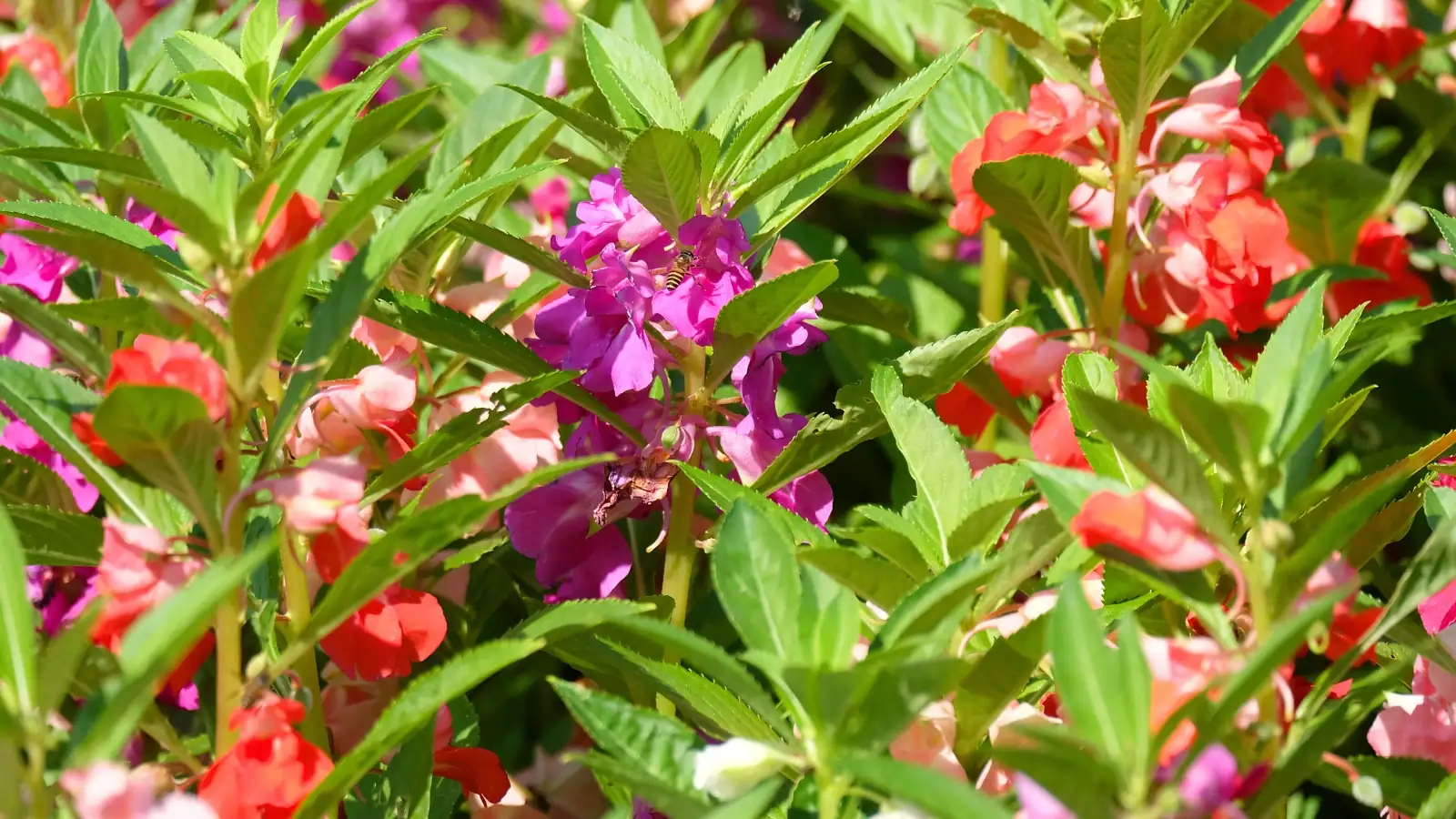
Watering Wisdom: Consistency is Key
When it comes to watering garden balsam, consistency is the name of the game. This plant enjoys evenly moist conditions but is not a fan of either drought or waterlogging. Think of it as a Goldilocks scenario—not too dry, not too wet, but just right. During the active growth and flowering period, keep the soil consistently moist. In containers, this might mean checking the soil daily in warmer weather and watering when the top inch begins to dry.
Avoid letting the soil dry out completely, as repeated drought stress can lead to scorched leaves and reduced flowering. However, be cautious of overwatering, as balsams are susceptible to root rot. A moisture-retentive potting mix with good drainage is ideal for container-grown balsams, ensuring they stay hydrated yet not waterlogged.
Soil and Fertilization: Feed and Nourish
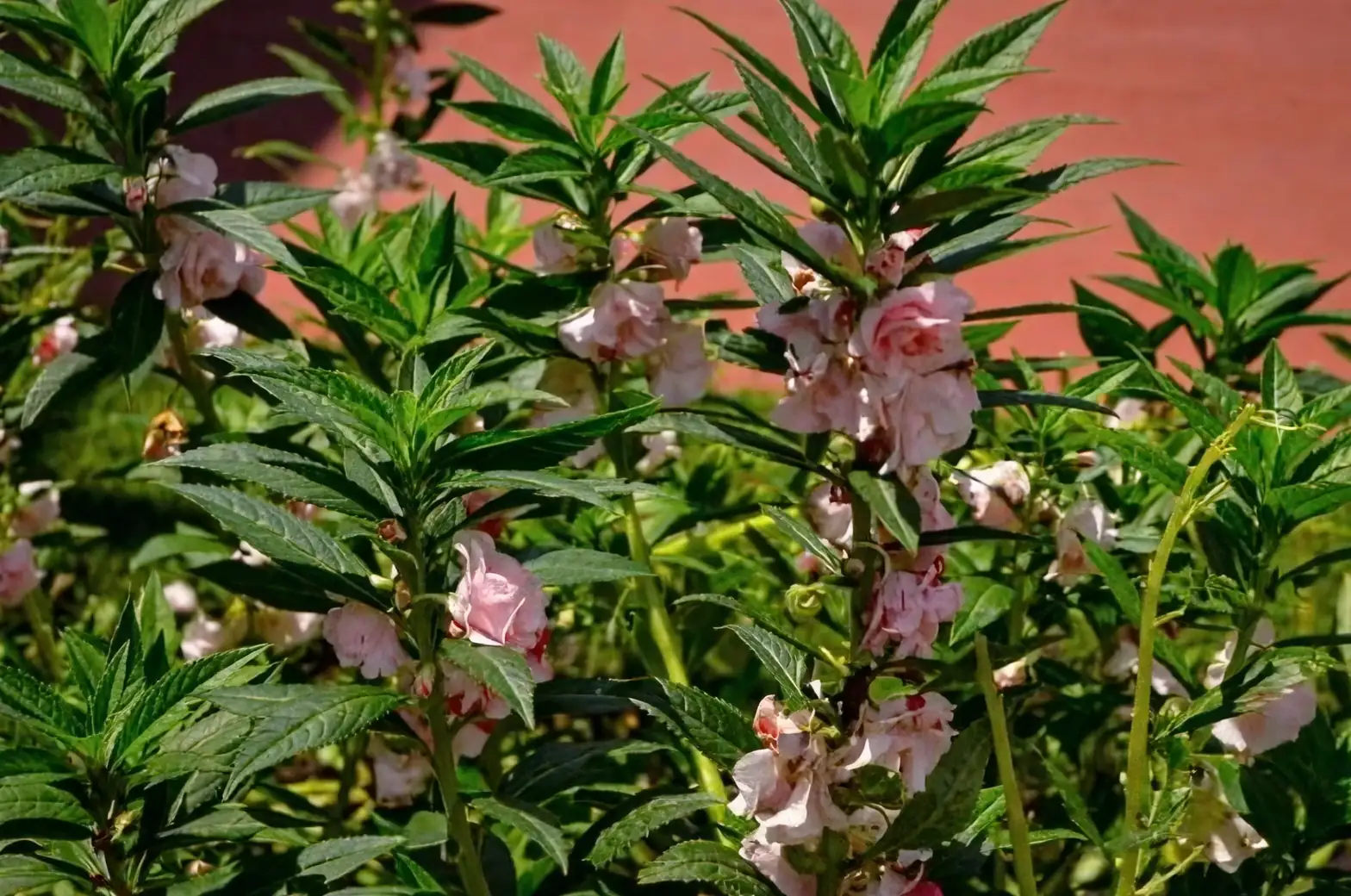
Garden balsam performs best in fertile, organically rich soil that holds moisture while draining well. A loose, well-aerated garden soil or a quality potting mix for containers is perfect. To give your balsams an extra boost, consider using a slow-release granular fertilizer once seedlings are established. For container plants, a balanced liquid fertilizer for flowering plants can be applied twice a month during the blooming season. Stick to label directions to avoid overfeeding.
Pruning and Propagation: Encouraging Bushiness and Rebirth
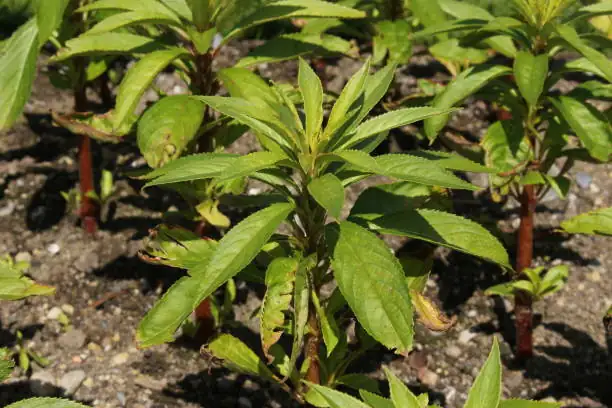
Pinching the tips of young balsam plants when they reach about 10 cm (4 in) encourages bushier growth and more blooms. Regular deadheading will keep your plants tidy and promote continuous flowering. As the season winds down, collect seeds before the pods pop if you wish to control where new plants will appear the following year. Garden balsam is a champion self-seeder, often returning year after year with minimal effort on your part.
Embracing the Touch-Me-Not: A Blooming Finale
Finally, let’s celebrate the garden balsam’s iconic personality trait: its touch-me-not seed pods. This playful mechanism not only aids in seed dispersal but also adds an element of surprise and delight to your garden. It’s no wonder that in the Victorian language of flowers, balsam symbolizes ardent love and heartfelt emotion—a fitting tribute to its vibrant and dynamic nature.
In conclusion, with the right balance of light, consistent watering, and a little care, garden balsam will reward you with a season-long display of joyful blooms. Whether in beds, borders, or containers, it’s a plant that asks for little but gives so much, ensuring your garden is a burst of color all season long. Happy gardening!


