

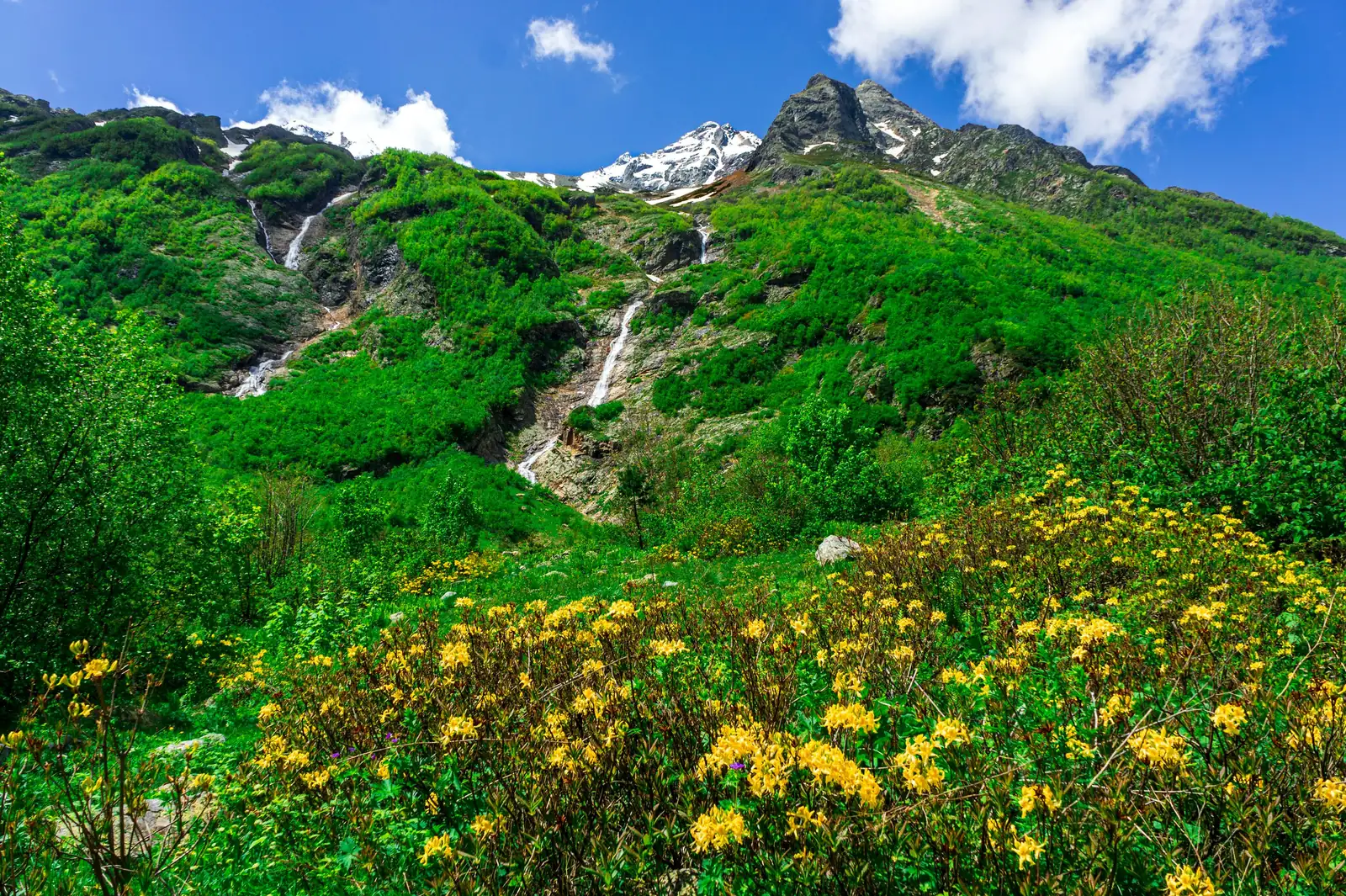
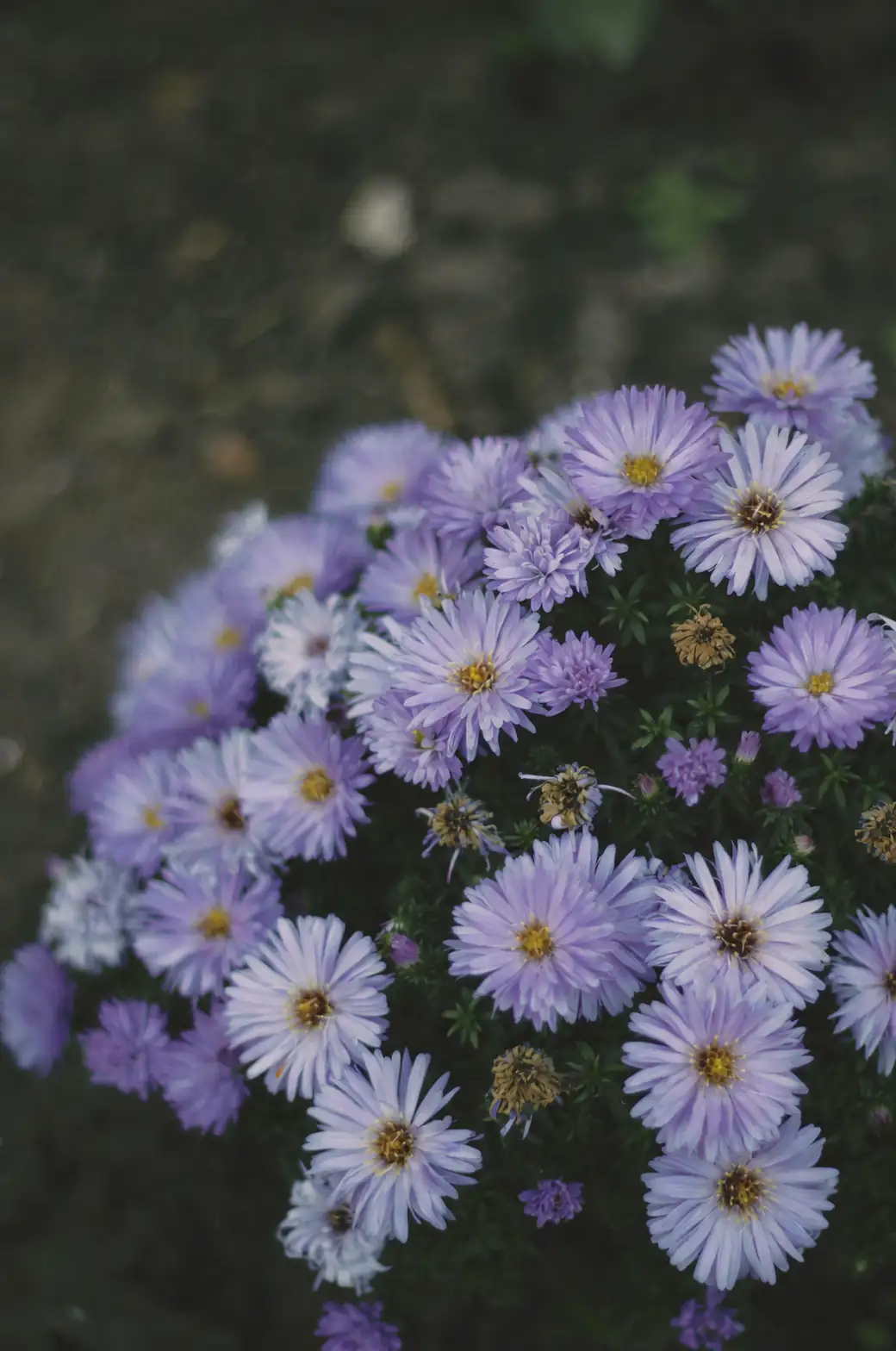
Nestled among rocky crags and alpine meadows, the Alpine Aster (Aster alpinus L.) is a vibrant reminder of nature’s resilience. This charming perennial, with its daisy-like blooms of blue-violet rays and golden centers, not only adds a splash of color to your garden but also embodies the spirit of love, patience, and longevity. Are you ready to welcome this starry-eyed beauty into your garden? Let’s explore the art of propagating these delightful plants through seeds, cuttings, and division.
The Seed Saga: Starting from Scratch
Growing Alpine Asters from seeds is akin to painting a masterpiece from a blank canvas—a rewarding endeavor that requires a touch of patience and a splash of care. Begin by sowing seeds indoors about 4-6 weeks before the last frost. Scatter the seeds lightly over moist soil, pressing them gently into the surface without burying them too deeply. Mother Nature favors those who wait, so expect germination within 2-4 weeks.
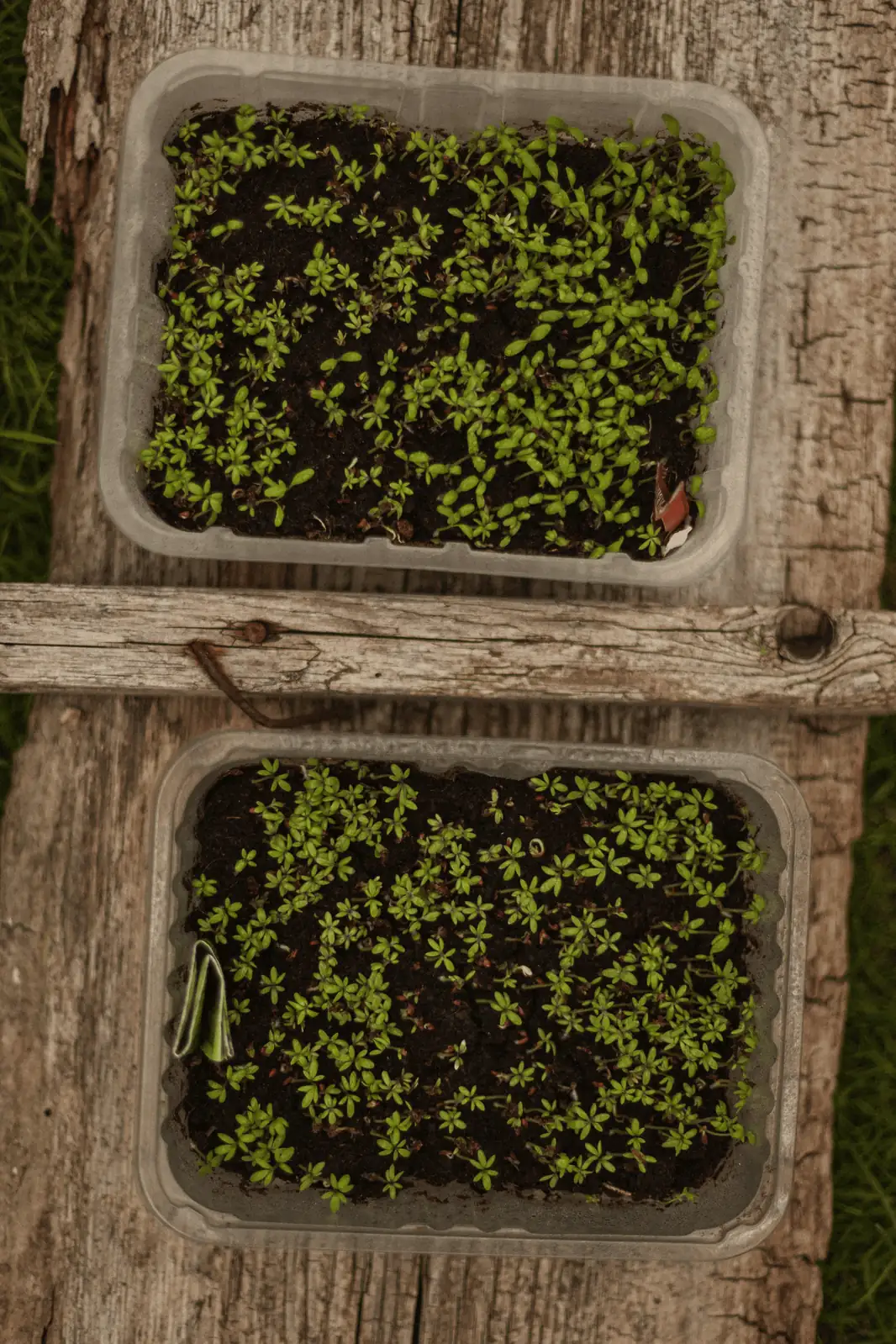
Once your seedlings have sprouted and grown two sets of true leaves, it’s time to transplant them outdoors. Choose a sunny spot with well-draining soil—this will be your canvas where these alpine artists will flourish. Remember, seeds from cultivars may not always be true to their parent plants, so be open to delightful surprises in your garden!
Cuttings: Cloning the Charm
For those who prefer a more instant gratification method, taking cuttings is akin to cloning the charm of the Alpine Aster. In spring, select healthy stems with vibrant growth, and snip 3-5 inch sections just below a node. A dash of rooting hormone can act as a magic potion, enhancing root development.
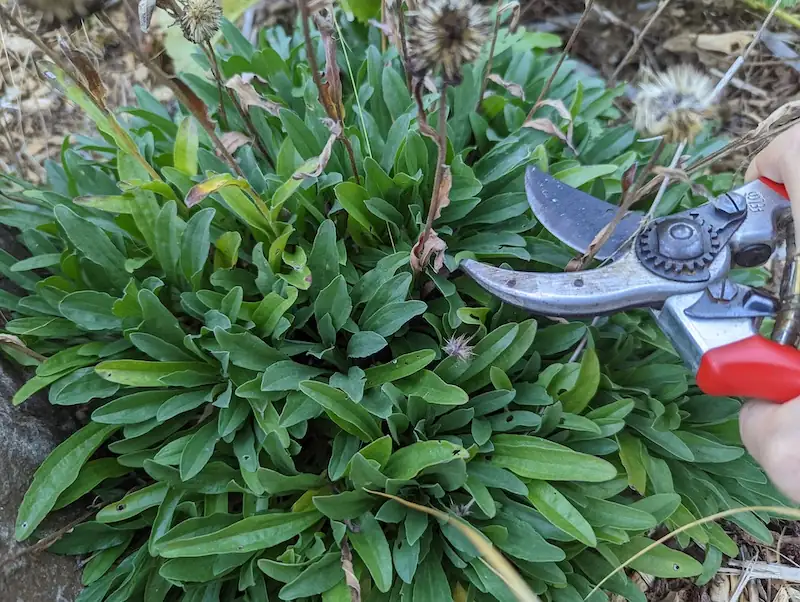
Prepare a potting medium that mirrors the final growing environment—a gritty, well-drained mix is ideal. Insert the cuttings into the medium, ensuring the lower leaves are removed to prevent rot, but keep some leaves at the top for photosynthesis. Provide bright, indirect light and maintain moist—but not soggy—conditions. Think of it as nurturing a newborn, where gentle care and patience will lead to robust growth.
Divide and Conquer: Multiplying the Marvel
Dividing clumps is a time-honored method of propagation, ensuring vigor and vitality. Spring is the prime season for this task, aligning with the plant’s natural growth cycle. Water your aster a few days prior to division, easing soil and root separation.
Armed with a clean spade, slice into the clump, ensuring each section has roots and shoots. Replant these divisions promptly, allowing enough space for each to thrive. With regular watering and a sprinkling of mulch, your newly divided asters will be well on their way to establishing themselves as garden stalwarts.
Care Essentials: Nurturing Your Asters
An Alpine Aster’s heart beats for the sun and well-drained soil. While it enjoys cool conditions, its resilience shines through in its ability to thrive in USDA Zones 3–8. Once established, these asters exhibit a fair degree of drought tolerance, though they flourish best with occasional deep watering during dry spells.
Minimal fertilization is necessary—think of it as a Spartan warrior, thriving on lean conditions. Should you wish to give it a gentle boost, a light compost top-dress in spring or a spare sprinkle of slow-release organic feed will suffice.
Aster Adventures: From Myths to Gardens
Asters have journeyed through folklore, earning their name from the Greek word for “star” due to their radiant, star-like blooms. Historically, they were believed to ward off evil, embodying protection and remembrance.
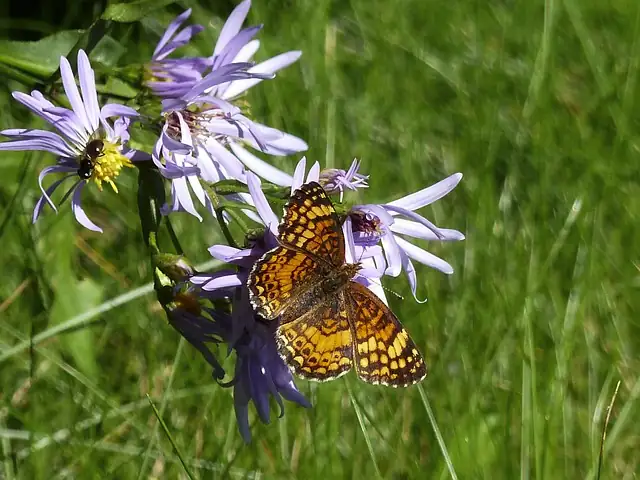
Their significance doesn’t end in folklore. These plants are pollinator magnets, drawing bees and butterflies, and their seeds provide nourishment for birds. From rock gardens to containers, Alpine Asters are versatile performers, earning the Royal Horticultural Society’s Award of Garden Merit for their reliable brilliance.
In cultivating Alpine Asters, you’re not just adding a plant to your garden; you’re weaving a tapestry of history, culture, and natural beauty. So why not let these starry blooms illuminate your garden, bringing a touch of the mountains to your everyday landscape?


