

Discover the Alpine Aster: A Hardy Mountain Gem with Starry Delights
Have you ever wondered what it takes for a flower to thrive in the chilly embrace of mountain heights? Meet the Alpine Aster (Aster alpinus L.), a remarkable plant that has perfected the art of resilience. This tiny powerhouse, also known as the Blue Alpine Daisy or Dwarf Aster, paints high-altitude landscapes with its dazzling daisy-like blooms and has even earned prestigious accolades along the way.
High-Altitude Adaptations: Thriving Among the Peaks
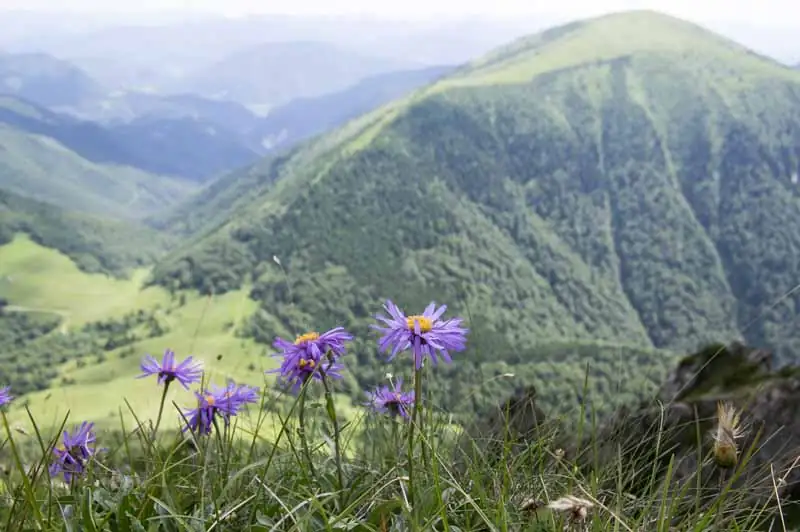
The Alpine Aster’s natural habitat reads like a travel brochure for ruggedly beautiful landscapes. Native to the majestic Alps, Carpathians, and Pyrenees of Europe, as well as the highlands of North America and Asia, this plant is a true globe-trotter. But what makes it particularly fascinating is its ability to flourish in these extreme environments.
Imagine standing atop a mountain over 4,600 meters (15,000 feet) high, where oxygen is sparse and temperatures can drop significantly. That’s where the Alpine Aster, with its compact stature reaching just 15-30 cm (6-12 in) in height, stands strong. Its thick rhizomes anchor it firmly, while its dark green, lance-shaped leaves form a basal rosette to conserve energy and moisture. This plant’s strategy is all about endurance, thriving in well-draining, rocky soils where other plants might falter.
A Starry Performer in Gardens
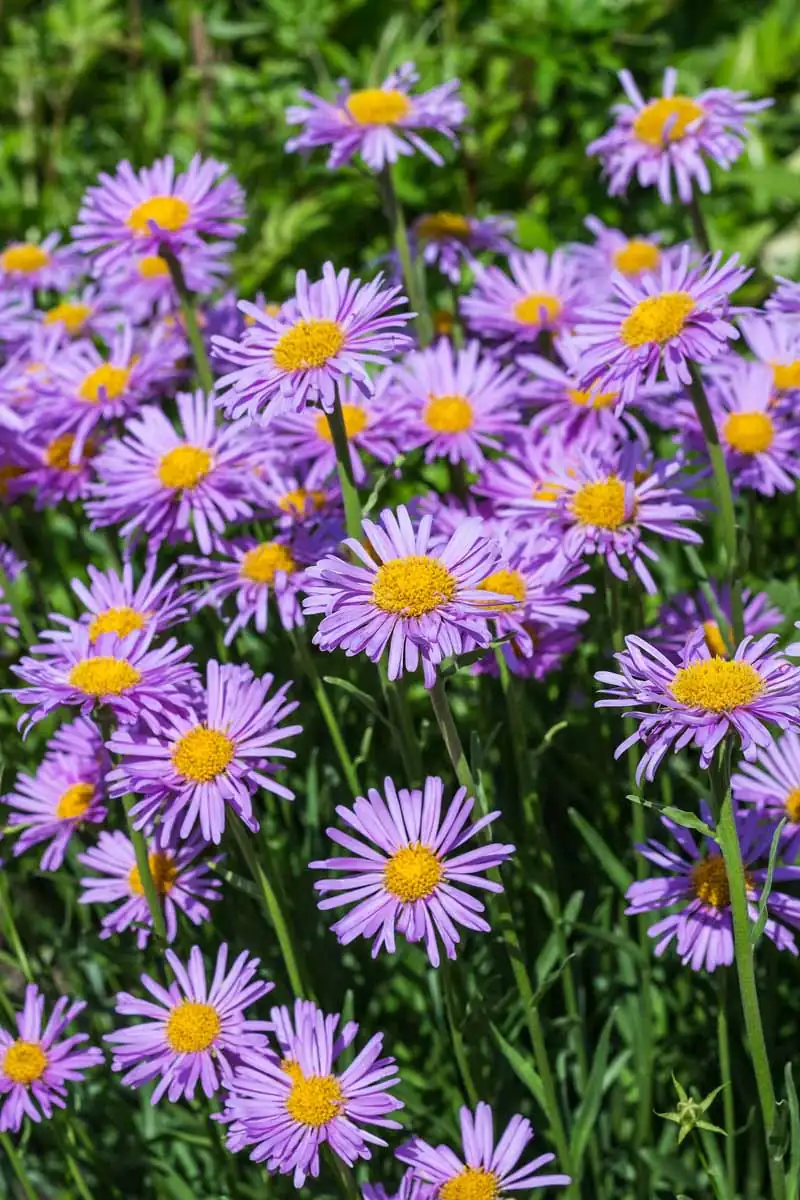
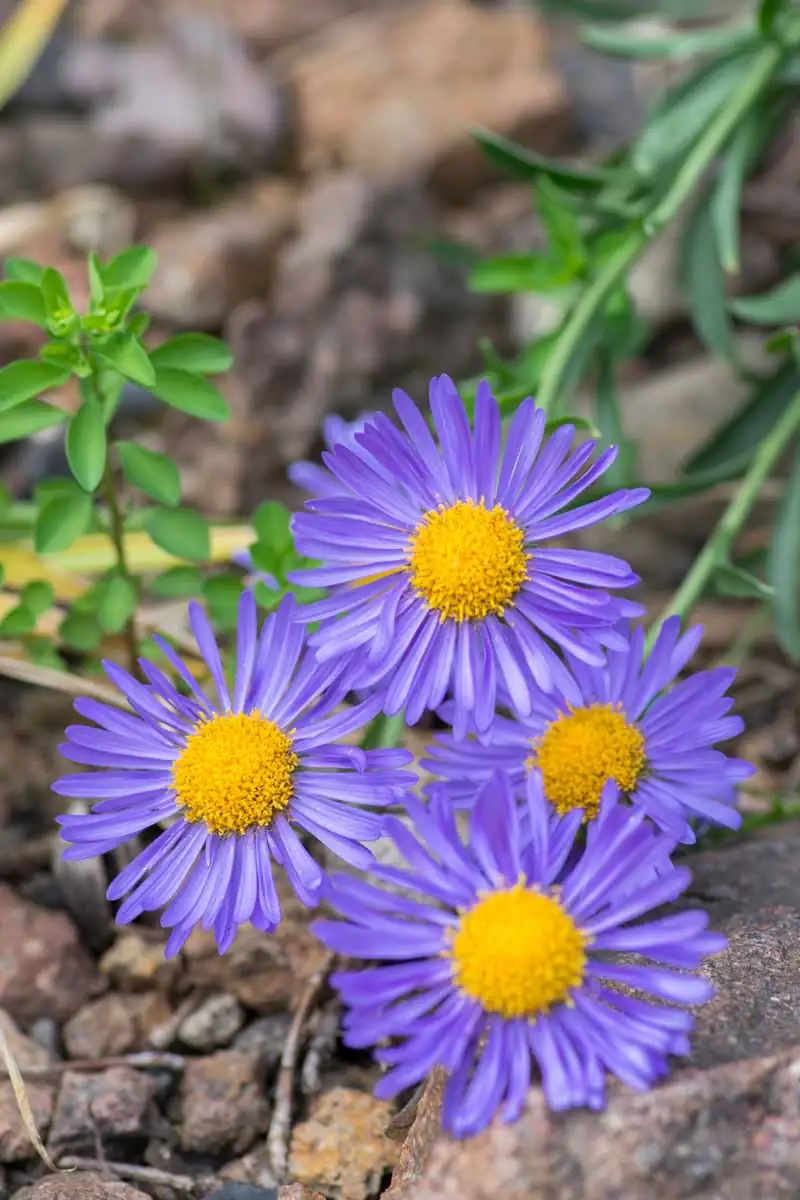
While its natural habitat is the wild, wind-swept mountains, the Alpine Aster is a garden star as well. Its striking blue-violet to purple flowers, sometimes tinged with pink, make it a superb choice for rock gardens, alpine troughs, and sunny borders. Each solitary flower head boasts 35-40 ray florets circling a golden-yellow center, embodying the very essence of a “star”—a nod to its Greek-derived name.
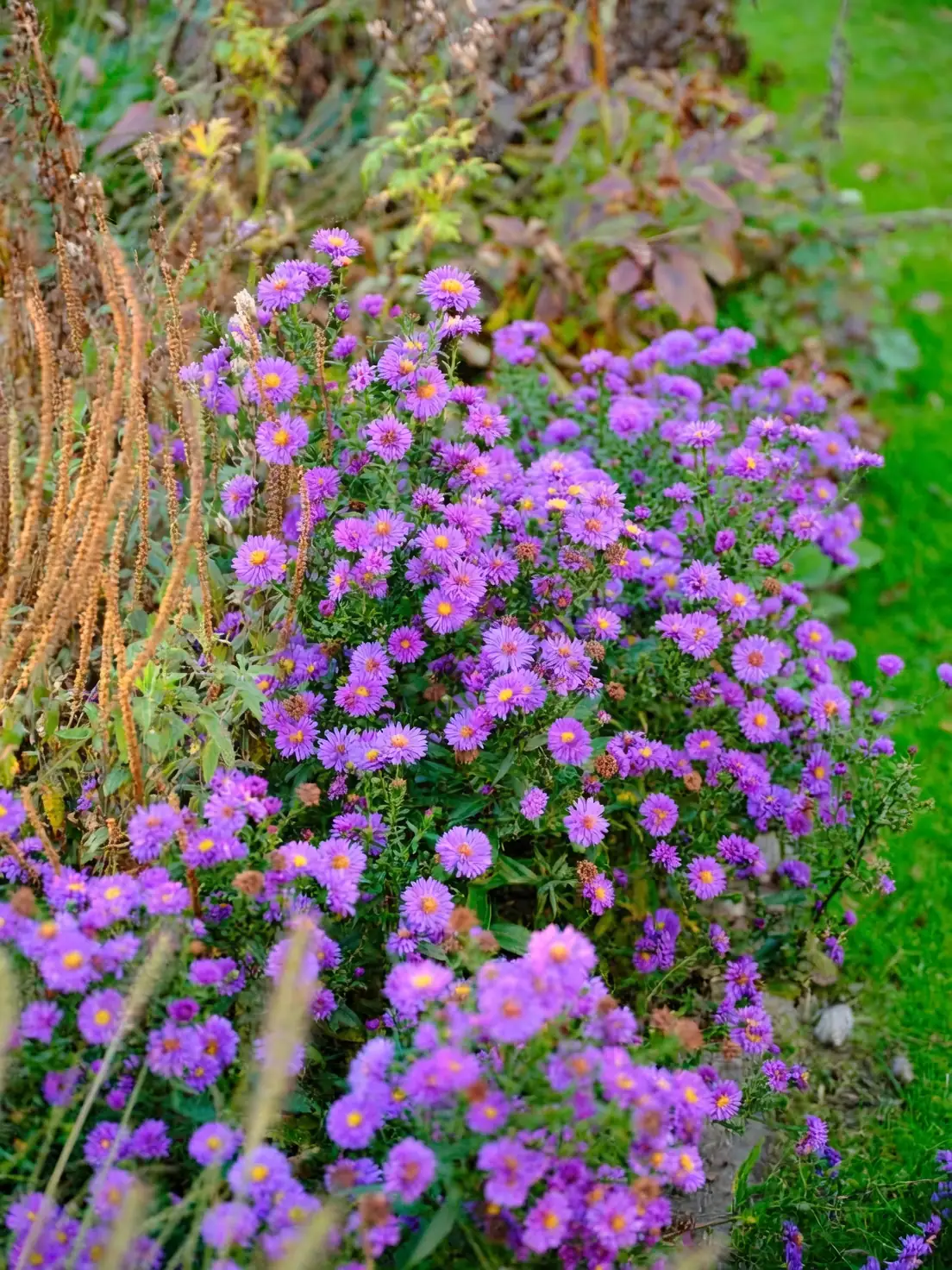
The Alpine Aster blooms from late spring into mid-summer, standing out as an early-season performer compared to many fall-blooming aster relatives. Its vibrant blossoms are not just a visual treat; they also attract bees and butterflies, making it a valuable addition to pollinator-friendly gardens.
An Award-Winning Garden Favorite
Adding to its charm, the Alpine Aster has been recognized with the Royal Horticultural Society’s Award of Garden Merit. This accolade underscores its dependable performance in gardens, a testament to its hardiness and low-maintenance nature. The plant’s ability to endure cold temperatures down to -28°C (-18.4°F) and its preference for full sun and sharp drainage make it a favorite for gardeners seeking color without fuss.
Fun Facts and Care Tips
- Adaptability: Alpine Asters can self-sow gently but are not considered invasive, making them a sensible choice for gardeners looking to maintain a balanced ecosystem.
- Drought Tolerance: Once established, these perennials are fairly drought-tolerant, although occasional deep watering during prolonged dry spells will keep them thriving.
- Propagation: To keep your Alpine Asters vigorous, divide clumps every 2-3 years in early spring. You can also propagate them by seed or spring stem cuttings.
Symbolism and Cultural Significance
Beyond their physical beauty, Alpine Asters carry profound symbolism. They are often associated with love, patience, and longevity, reflecting the plant’s enduring nature. In ancient Greek traditions, asters were used in rituals to ward off evil, while the term “Michaelmas daisy” connects them to St. Michael’s Day in late September—highlighting their cultural footprint.
Conclusion
The Alpine Aster is more than just a pretty face; it is a testament to nature’s ingenuity. Whether in the wild or gracing a garden, this plant embodies resilience, beauty, and a touch of celestial wonder. So next time you spot this starry gem, take a moment to appreciate its high-altitude adaptations and the award-winning charm it brings to any setting.


