

Unveiling the Secrets to Thriving Alpine Asters: Your Ultimate Care Guide
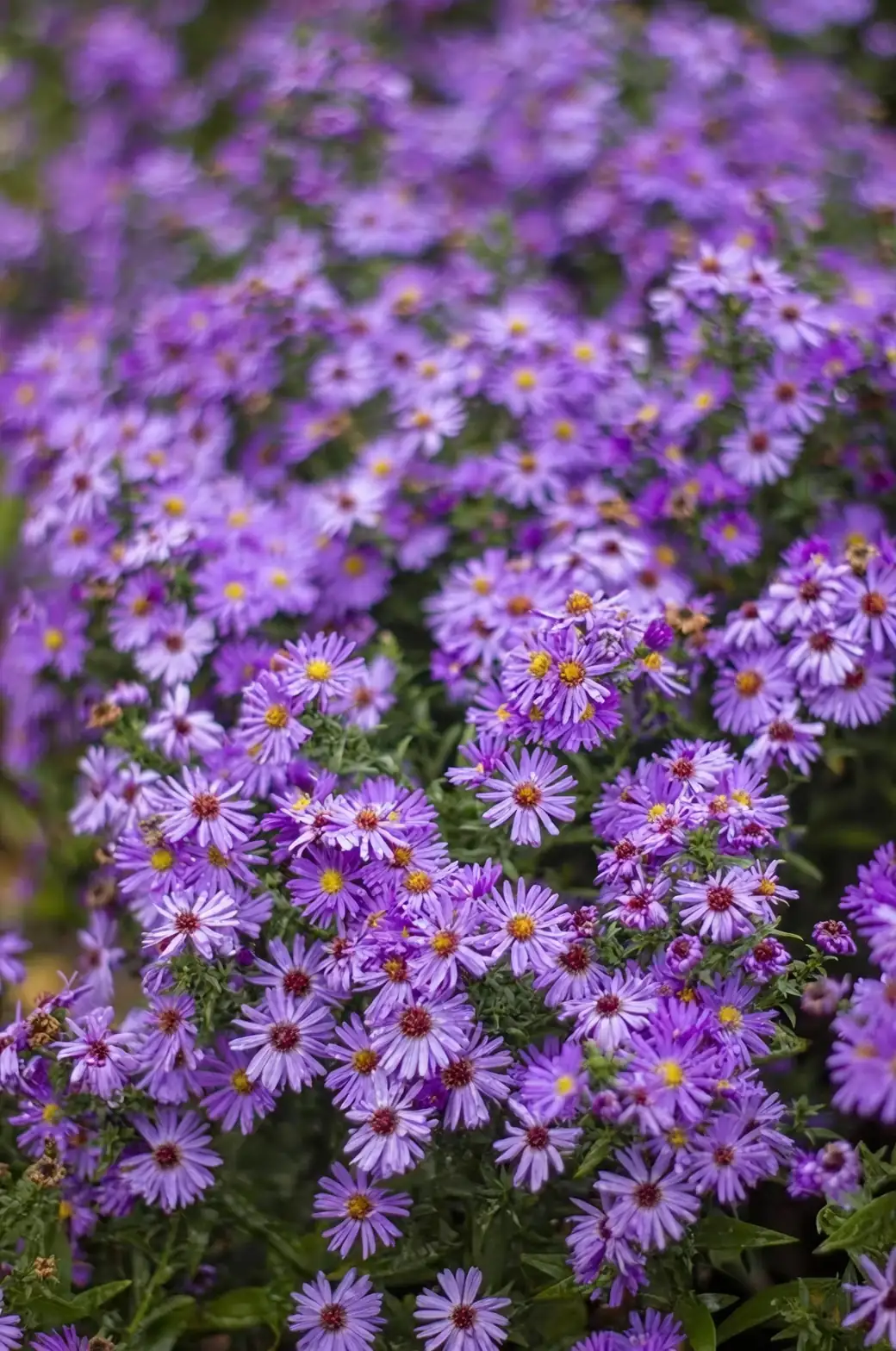
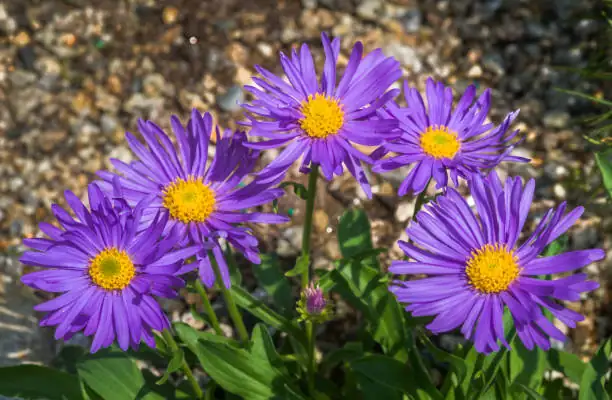
Imagine a garden where starry bursts of blue-violet flowers dance in the breeze, their golden centers gleaming like tiny suns. This isn’t just a dream—it’s the reality of cultivating Alpine Asters (Aster alpinus L.), a vibrant perennial that brings the cheer of mountain florals to your backyard. Whether you’re a seasoned gardener or new to the world of perennials, these hardy plants are a brilliant choice for adding long-lasting beauty to your landscape. Let’s dive into the specifics of nurturing these resilient beauties to ensure they bloom their best each season.
Sunlight: The Key to Vibrant Blooms
Alpine Asters are true sun-worshippers, thriving best in full sun while tolerating light shade. Picture placing them in a sun-drenched spot where they can soak up at least 6 hours of bright, direct sunlight daily. This will not only promote robust growth but also intensify the vibrant colors of their petals. If you’re planting in a region with shorter daylight during winter, consider supplementing with artificial light to help them maintain their radiance.
Watering: Striking the Perfect Balance
While Alpine Asters are quite forgiving, they do have specific watering preferences. Initially, water them regularly to help them establish a strong root system. Once settled, these plants exhibit a commendable drought tolerance but will reward you with spectacular blooms if you provide occasional deep watering during extended dry spells. Aim to keep the soil evenly moist, avoiding sogginess that can lead to root rot. For container-grown asters, check the soil more frequently, as pots tend to dry out faster.
Soil: A Rocky Relationship
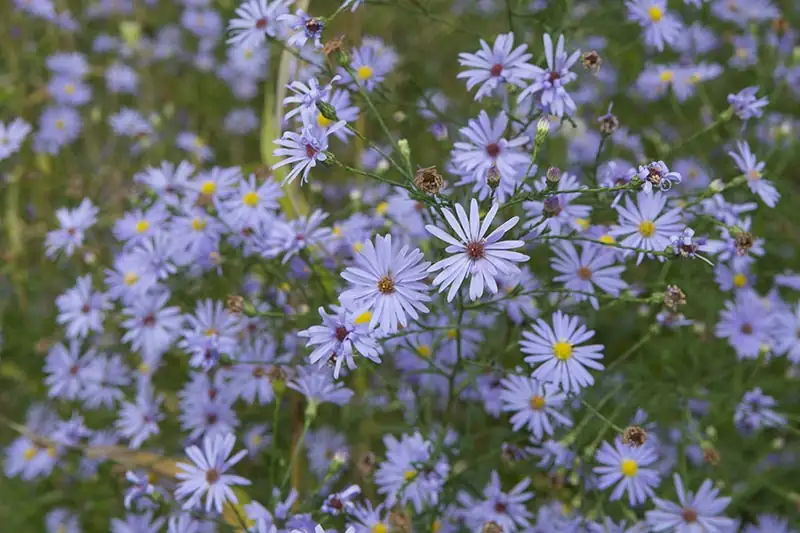
When it comes to soil, Alpine Asters prefer conditions that echo their rugged mountain origins. They thrive in well-draining, average-to-poor soils—think rocky or gravelly mixes. This is not the plant that craves rich, nutrient-laden earth; instead, lean soil conditions encourage more flowers and sturdier growth. Aim for a pH range of 6.0 to 7.5. Overly fertile soil might lead to lush foliage at the expense of blooms, so resist the urge to overfeed.
Temperature & Humidity: Cool and Collected
These asters adore cool temperatures and are exceptionally cold-hardy, making them perfect for alpine-style climates. They flourish in USDA Zones 3–8 and can even handle the chill of Zone 2 in sheltered, well-drained sites. While they prefer moderate humidity with good air movement, watch out for prolonged high humidity, which can invite fungal issues.
Routine Care: Keeping Your Asters in Top Form
- Fertilization: Generally unnecessary, but if you wish to give them a gentle boost, a light top-dress of compost in spring is sufficient. Avoid high-nitrogen fertilizers to prevent reducing their flowering potential.
- Pruning: Deadhead spent blooms to encourage a continued floral display and reduce self-sowing. After flowering or a frost, trim back stems, and in early spring, cut remaining growth to about 2.5–5 cm above the soil.
- Propagation: Divide clumps every 2–3 years in early spring to maintain vigor. Propagation by seed or spring stem cuttings is also effective, although seeds from cultivars may not come true to type.
Placement: Designing Your Garden Sanctuary
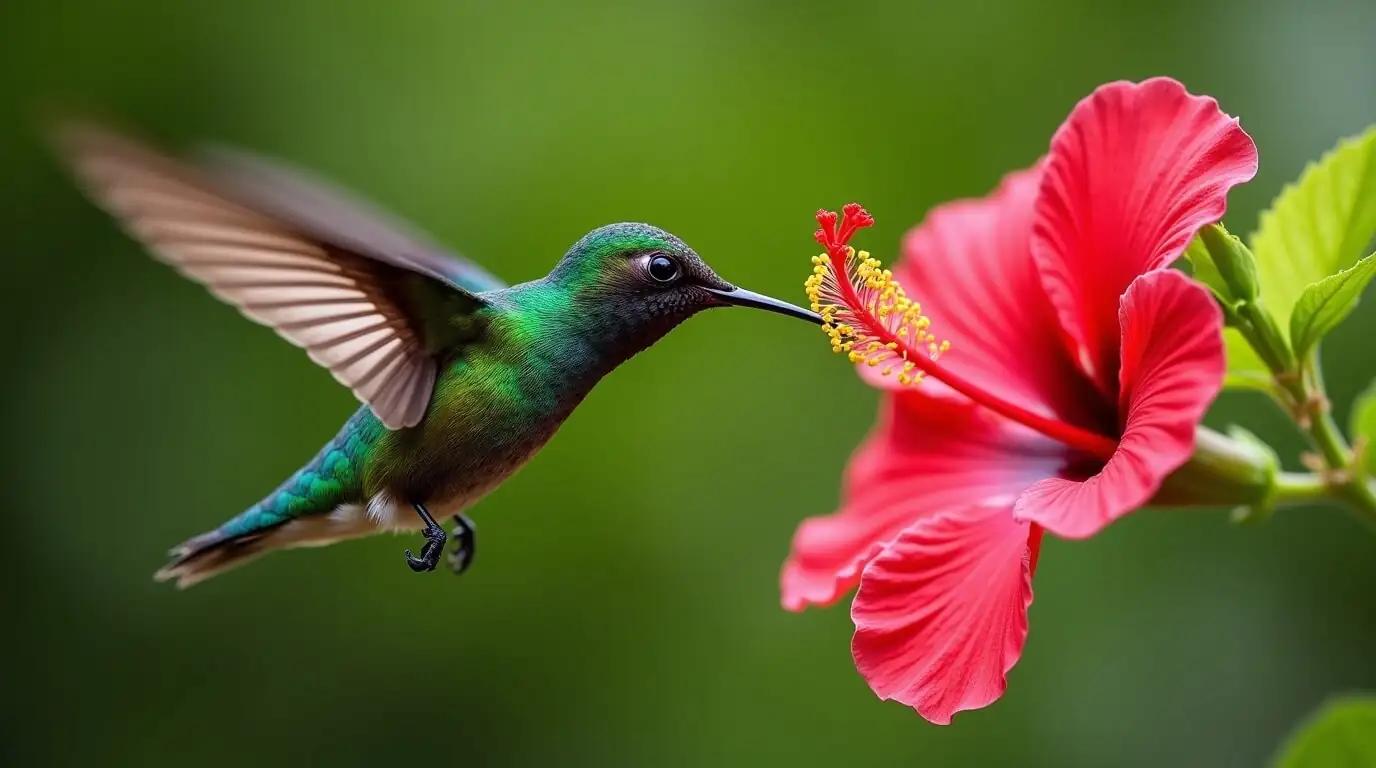
Alpine Asters are incredibly versatile in garden design. They shine in rock gardens, alpine beds, sunny borders, and containers with sharp drainage. Their cheerful blooms also make them a delightful choice for xeriscapes and wildflower-style gardens, where they can support pollinators like bees and butterflies.
Health & Safety: A Resilient Companion
These plants are generally non-toxic to humans and pets, making them a safe choice for family gardens. While they are hardy, keep an eye out for pests like aphids or slugs and diseases such as powdery mildew. Ensuring good air circulation and avoiding overhead watering late in the day can prevent many common issues.
The Starry Legacy of Alpine Asters
The name “Aster” comes from the ancient Greek word for “star,” aptly reflecting the flower’s radiant, celestial form. Traditionally, asters symbolize love, patience, and longevity, with a touch of remembrance and longing—a nod to their enduring and steadfast nature in the garden.
With these insights and care tips, you’re well-equipped to cultivate a thriving display of Alpine Asters. Their starry blooms and resilience will not only enhance your garden but also enrich your gardening experience with their effortless charm and beauty. So, are you ready to let these mountain gems light up your landscape?


