

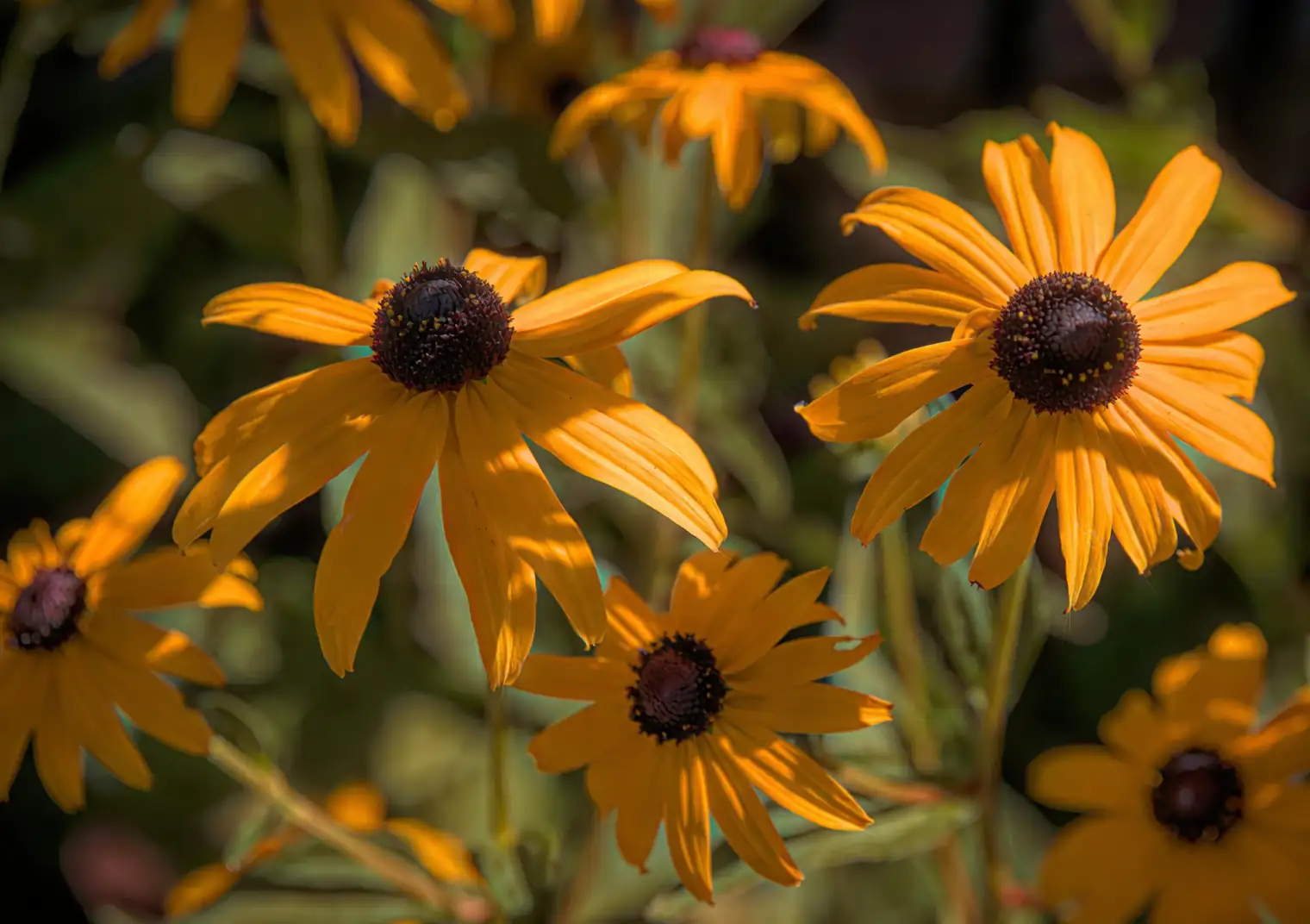
Discover the Best Companion Plants for Black-Eyed Susans
Black-eyed Susans, known scientifically as Rudbeckia hirta, are the epitome of sunshine in the garden with their golden, daisy-like blooms and bold, dark centers. These native North American wildflowers are not just eye-catching; they’re also a fantastic choice for any gardener looking to create a vibrant, pollinator-friendly haven. But what if you could make your garden even more enticing to bees, butterflies, and birds by pairing these beauties with the right companions? Let’s dive into the art of companion planting with black-eyed Susans.
Why Companion Planting?
Companion planting is like setting up a harmonious symphony in your garden. When you choose plants that complement each other, you create a thriving ecosystem that enhances growth, repels pests, and draws in beneficial pollinators. Black-eyed Susans are already stars, known for their resilience and long blooming season from early summer into the fall. By selecting the right neighbors, you can amplify their benefits and create a dazzling display that’s both aesthetically pleasing and ecologically beneficial.
Shrubs to Pair with Black-Eyed Susans
Imagine a backdrop of vibrant foliage against which your black-eyed Susans can truly shine. Shrubs such as red twig dogwood, elderberry, and barberry offer striking contrast with their colorful leaves or bark, complementing the sunny blooms of the black-eyed Susans. These shrubs not only add structure to your garden but also produce flowers and berries that attract even more wildlife, creating a bustling, biodiverse environment.
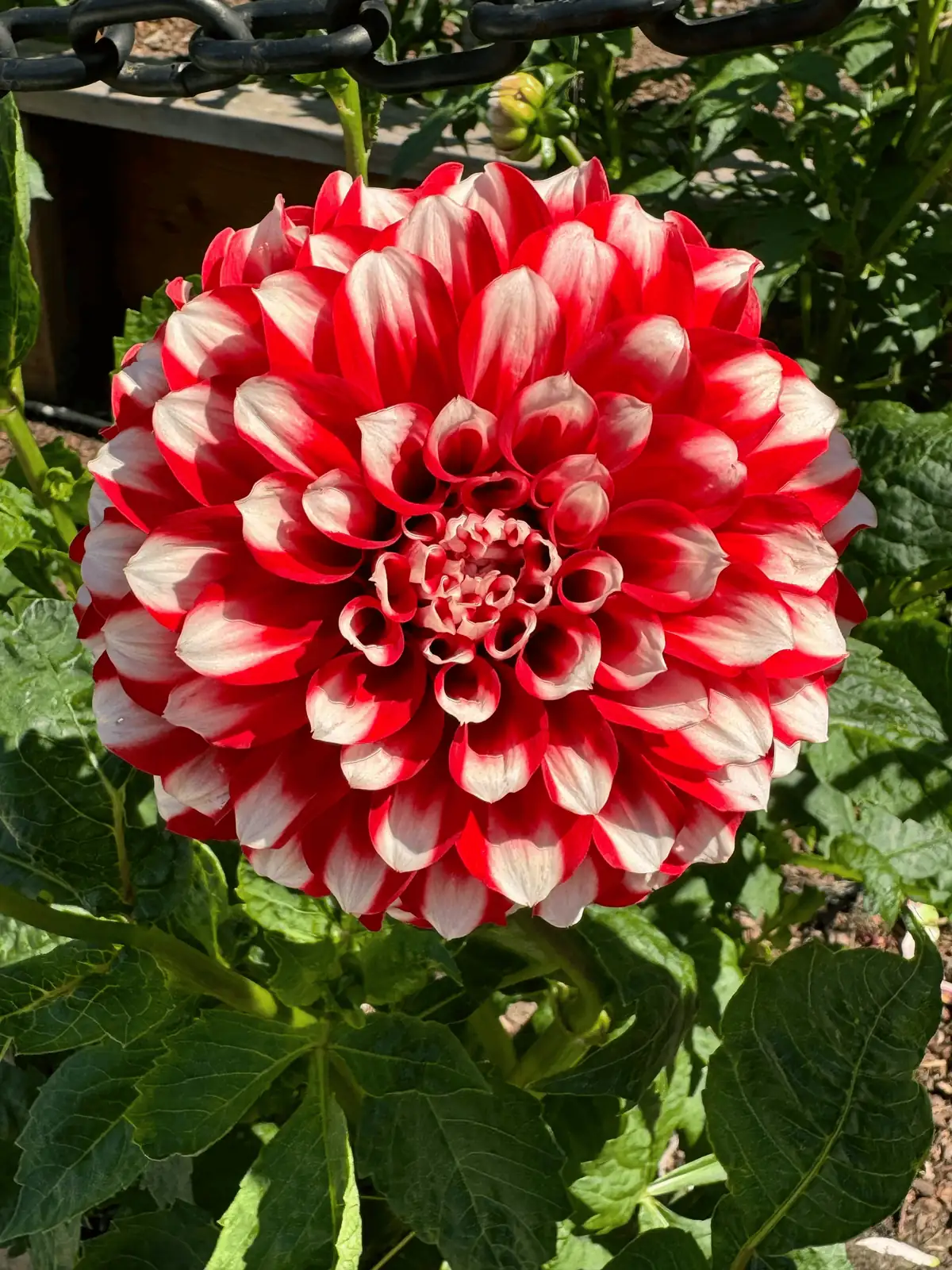
- Red Twig Dogwood: Its striking red stems stand out against the golden blooms.
- Elderberry: Offers both ornamental beauty and edible berries.
- Barberry: With its vibrant foliage, it provides a dramatic contrast.
Perennial Companions
For a perennial party, consider pairing your black-eyed Susans with plants like globe thistle, sea holly, or Russian sage. Their cool blues and purples create a captivating contrast to the warm yellows and oranges of the Susans, lending a tranquil vibe to your garden.
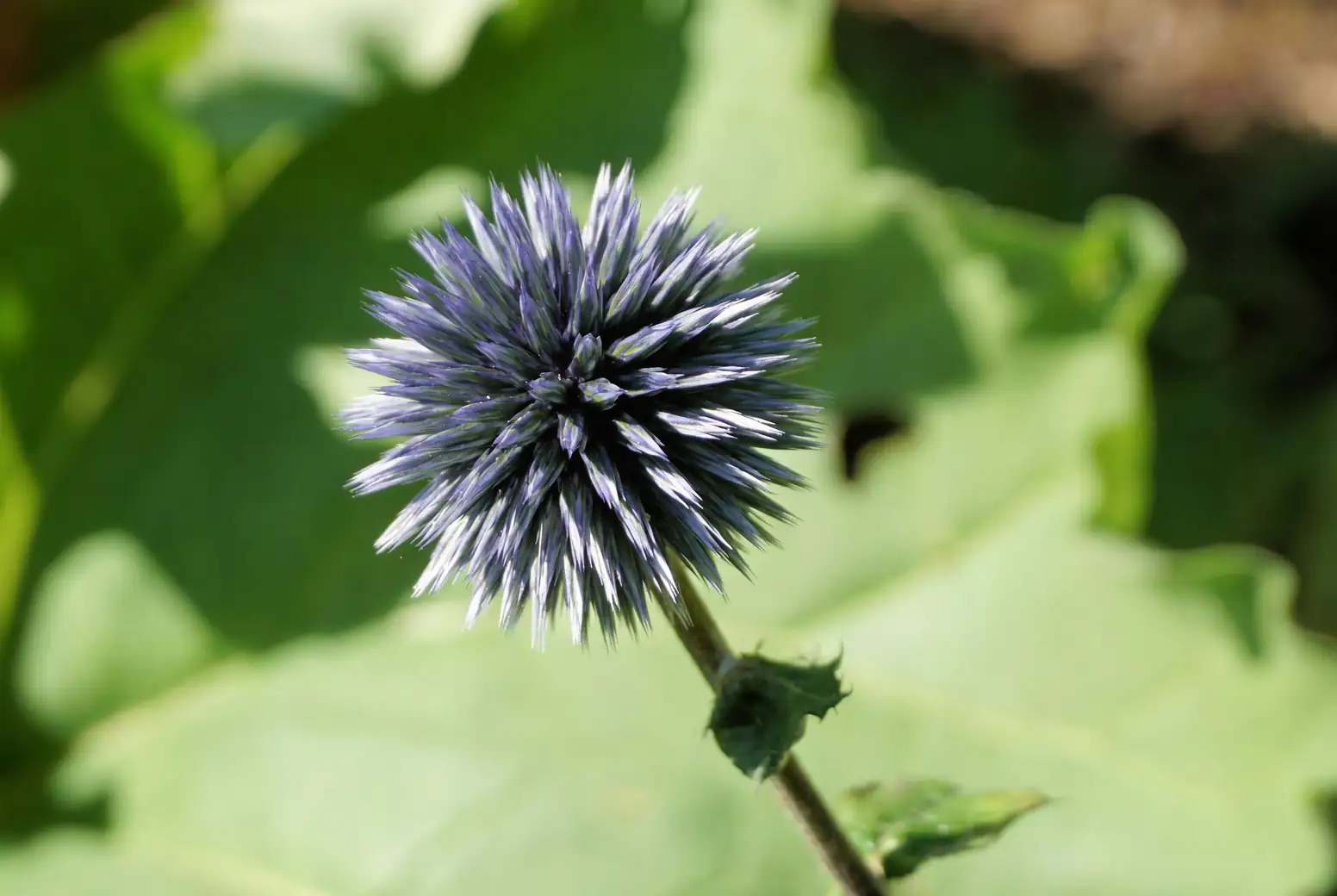
- Globe Thistle: Its spherical blooms add texture and interest.
- Russian Sage: With its delicate, silvery foliage, it enhances the color palette.
- Agastache: A magnet for bees, offering a splash of color and a sweet scent.
Annual Additions
Annuals like marigolds, cosmos, and angelonias can add vibrant pops of color throughout the season. These companions not only look stunning but also provide functional benefits such as pest repellent properties and additional nectar sources for pollinators.
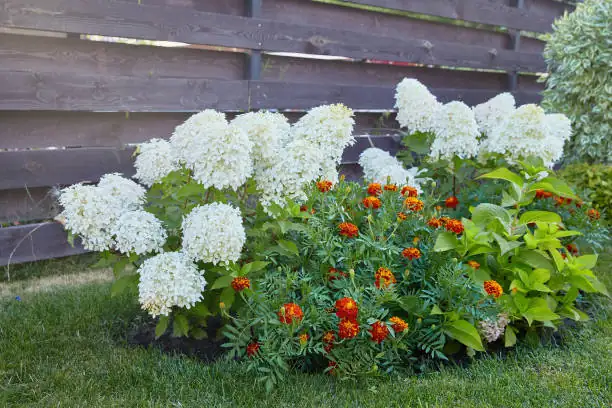
- Marigolds: Their fiery hues and pest-repelling properties make them perfect partners.
- Cosmos: These delicate flowers add a whimsical touch to any garden.
- Angelonias: Known for their hardiness, they complement the Susans beautifully with their varied colors.
The Ecological Impact
Black-eyed Susans play a critical role in supporting pollinators. By selecting the right companions, you’re effectively rolling out a banquet for bees, butterflies, and birds. Notably, leaving some seed heads on your black-eyed Susans can transform them into natural bird feeders, attracting goldfinches and other songbirds.
Designing Your Garden Symphony
Creating a garden that sings with life is about more than just selecting beautiful plants. It’s about understanding how each plant contributes to the whole. With black-eyed Susans as the stars of the show, choose companions that enhance their beauty and ecological value. Consider the colors, heights, and textures of the plants you choose and how they’ll interact throughout the growing season.
Conclusion
By thoughtfully selecting companion plants for your black-eyed Susans, you’re not just creating a more beautiful garden—you’re fostering a dynamic ecosystem that supports a wide array of wildlife. Whether you’re drawn to the vibrant colors, the ecological benefits, or the sheer joy of watching nature thrive, there’s no denying that black-eyed Susans and their companions will bring a touch of magic to any garden space. So, why not start planning your symphony today? Your garden—and the pollinators—will thank you!


