

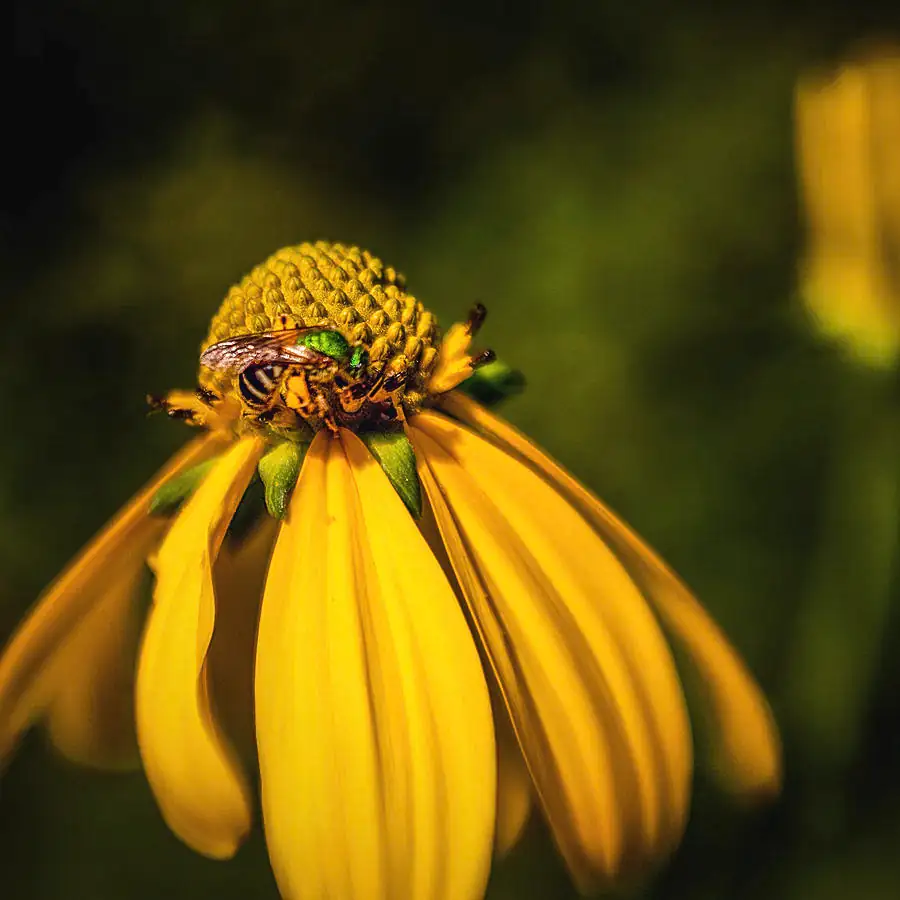
Discover the Resilient Beauty of Black-eyed Susan: A Symbol of Encouragement and Resilience
Imagine a garden bursting with vibrant hues of golden yellow and deep brown, where the air hums with the delicate dance of bees and butterflies. This is the realm of the Black-eyed Susan (Rudbeckia hirta), a flower that stands not just as a beacon of summer but as a symbol of steadfast encouragement and resilience. Native to North America and known by affectionate names like Brown Betty or Gloriosa Daisy, these cheerful blooms have a story to tell—a tale woven through history, culture, and the language of flowers.
The Language of Flowers: More Than Just Petals and Leaves
In the Victorian era, when words sometimes failed, flowers spoke volumes. This tradition, known as floriography, assigned meanings to flowers, enabling individuals to convey messages without uttering a single word. Among these floral storytellers, the Black-eyed Susan emerged as a symbol of encouragement and motivation. Its sunny disposition and hardy nature mirror a spirit of enduring positivity, encouraging one to persevere through life’s challenges.
Cultural Symbolism: Justice, Whimsy, and Well-being
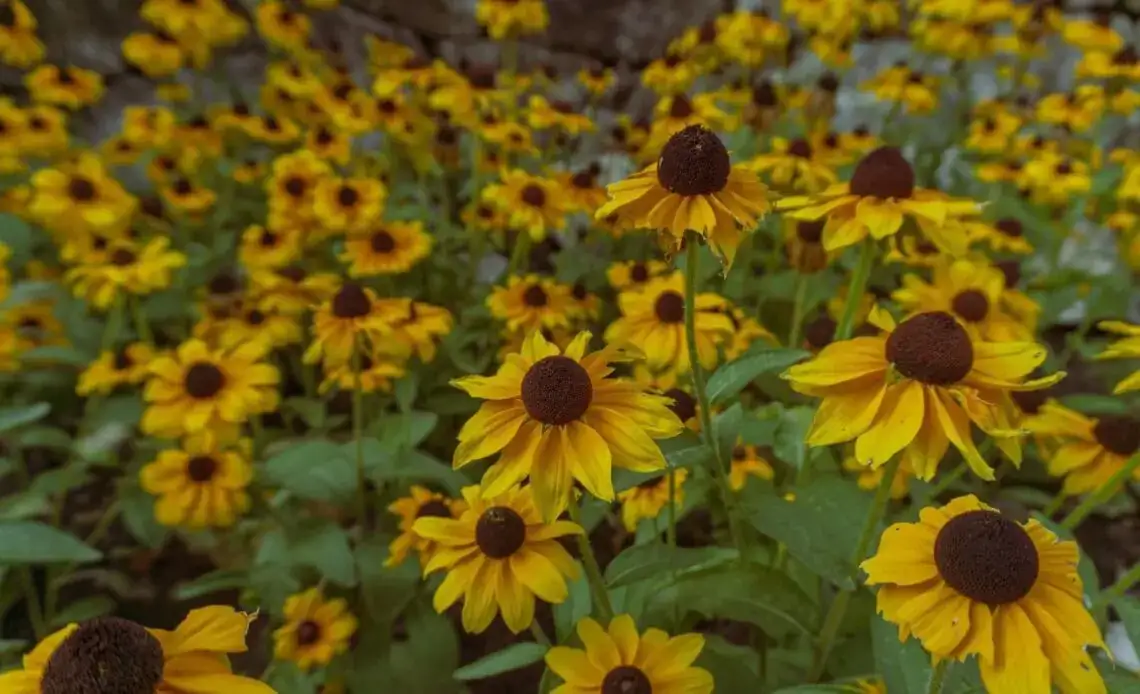
While the Black-eyed Susan is primarily a symbol of encouragement, it also embodies concepts of justice and a gentle reminder to pursue a path of well-being. Its vibrant petals are a call to embrace childhood wonder and imagination—urging us to find whimsy in everyday life. Historically, these flowers have graced ceremonies and stories across cultures, often symbolizing protection and growth, particularly in Native American traditions.
A Hardy Companion in the Garden
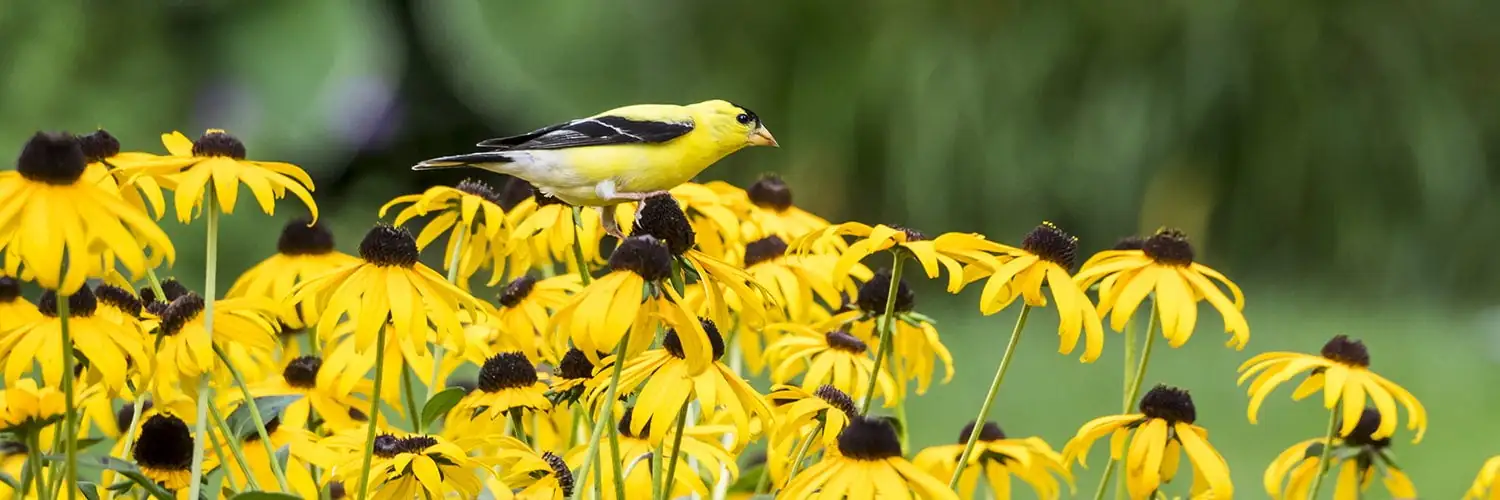
Beyond its symbolic weight, the Black-eyed Susan is a garden’s best friend. Its golden blooms, with centers so dark they appear almost black, are a magnet for pollinators and a source of fascination for gardeners. Standing tall at 30–90 cm (1–3 ft), these plants thrive in full sun and well-drained soil, adapting to various conditions with ease. As a low-maintenance, deer-resistant plant, it offers a splash of color from early summer through fall, ending its season with a gift to goldfinches who feast on its seeds.
Romancing the Garden: A Love Story in Blooms
The tale of the Black-eyed Susan is not just one of resilience but also of romance. Linked to the wildflower Sweet William, this duo creates a picturesque love story in gardens. Their contrasting colors—a mix of golden yellows and vibrant reds—bloom in harmony, telling a tale of devotion and continuity that warms the heart.
Practical Tips for Growing Black-eyed Susans
- Sunlight & Soil: These flowers bask in full sunlight, though they can tolerate partial shade. They thrive best in well-drained soil, making them an ideal choice for borders, meadows, and containers.
- Watering & Fertilization: Once established, they are drought-tolerant. Water deeply during dry spells and avoid soggy conditions. A balanced fertilizer during planting suffices, but go easy on the nitrogen to ensure blossoms over foliage.
- Bloom Management: Regular deadheading extends their blooming period and controls self-seeding. If left to their own devices, they naturalize beautifully, creating swathes of golden delight.
A Piece of History: The State Flower of Maryland
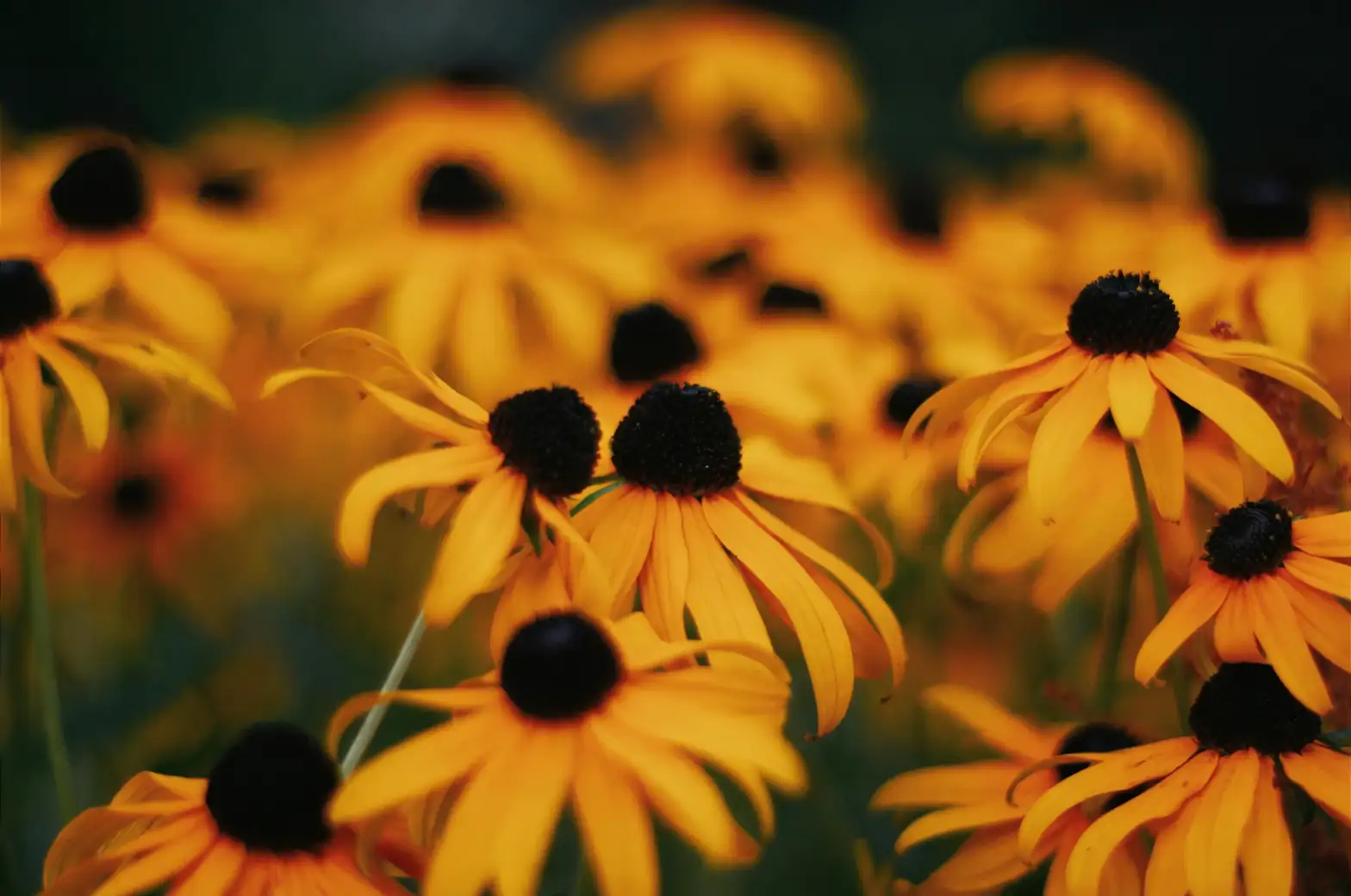
Adopted as Maryland’s state flower in 1918, the Black-eyed Susan is more than a mere plant; it’s a piece of cultural heritage. Its scientific name honors Swedish botanists Olaus and Olof Rudbeck, and its ability to thrive in disturbed soils historically made it a pioneer species, signaling recovery and renewal.
The Black-eyed Susan’s Legacy
In gardens and hearts alike, the Black-eyed Susan stands as a testament to resilience and encouragement. Whether gracing a celebration of new beginnings or reminding us of the beauty in everyday perseverance, this flower remains a beacon of hope and joy. So, as you walk past their cheerful blooms, consider the stories they whisper—of justice, whimsy, and the enduring human spirit.


