

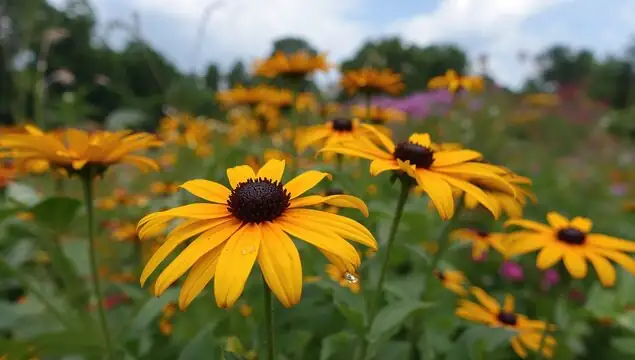
The Story of Rudbeckia hirta: Nature’s Burst of Sunshine
Step into any garden, meadow, or roadside in the height of summer, and you’ll likely encounter the cheerful face of the Black-eyed Susan. Often called the “Gloriosa Daisy” or “Brown-eyed Susan,” Rudbeckia hirta is a star of the natural world, boasting daisy-like blooms that glow with golden hues and a strikingly dark center. But beyond its undeniable visual appeal, this plant has a rich history, deep cultural significance, and a penchant for brightening both landscapes and spirits.
A Native North American Treasure
Native to North America, the Black-eyed Susan is a tough and adaptable wildflower. Its presence is felt from the eastern and central United States, where it originated, to the western states and beyond, having naturalized even in places as far-flung as China. The plant’s ability to thrive in various climates and soil types makes it a resilient choice for gardeners and landscapers alike, often acting as a pioneer species in disturbed soils, where it is one of the first plants to take root after events like fires or construction.
Maryland’s Floral Emblem
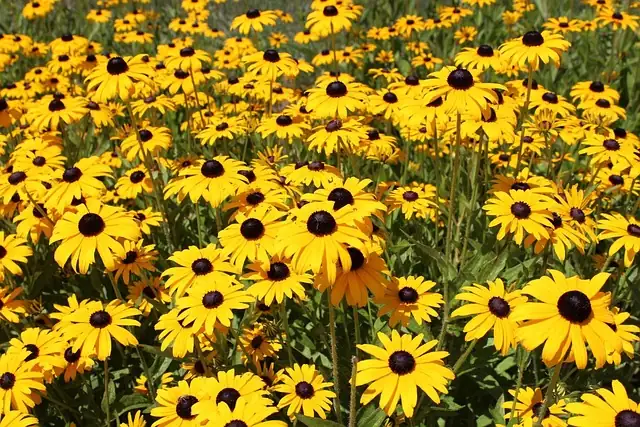
In 1918, Maryland adopted the Black-eyed Susan as its state flower, cementing its status as a symbol of resilience and hope. Its selection was not only due to its widespread presence and beauty but also because it blooms around the same time as another Maryland favorite: the Preakness Stakes, the second jewel in horse racing’s Triple Crown. The plant’s vibrant petals form a living, golden blanket, much like the one draped over the winning horse of this prestigious race.
A Plant of Many Names and Faces
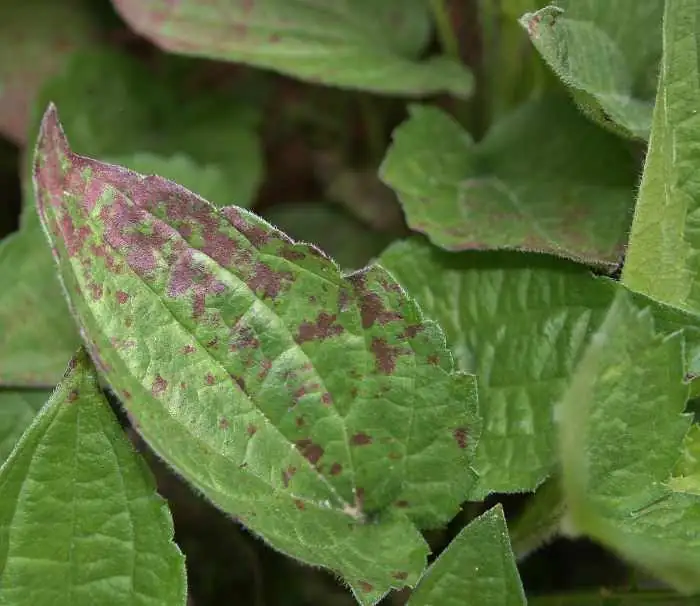
The Black-eyed Susan is known by many names, including “Brown Betty” and “Golden Jerusalem.” Its scientific moniker, Rudbeckia hirta, pays homage to the Swedish botanists Olaus Rudbeck and his son Olof Rudbeck, while “hirta” refers to the plant’s characteristic rough, hairy leaves and stems. These textures might deter deer, but they certainly do not deter the human hand, which often reaches out to touch its slightly scratchy surface.
Cultural and Medicinal Significance
The Black-eyed Susan holds a place in Indigenous traditions, where it was historically used for various medicinal purposes. Though modern medicine does not recommend self-treatment using these methods, these historical uses reflect the plant’s importance in traditional healing practices.
Beauty in Bloom
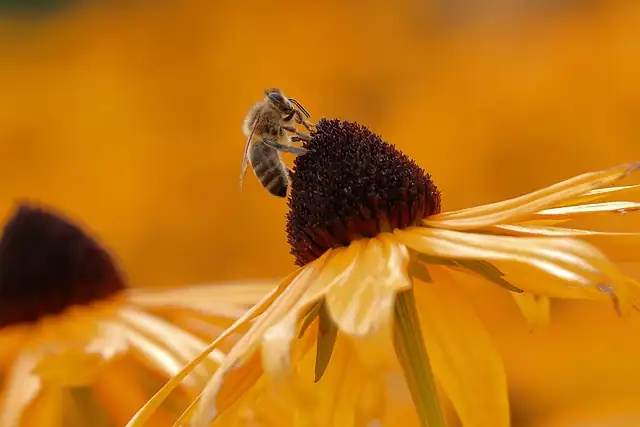
From early summer through fall, Black-eyed Susans dazzle with composite flower heads that measure 5 to 7 centimeters wide, each composed of bright yellow to orange-gold ray florets surrounding a dark, cone-like center. Yet, what appears to be a single flower is actually a congregation of many tiny flowers—a community working together to create something visually stunning. This characteristic makes them irresistible not just to humans, but also to bees, butterflies, and other pollinators. Leave a few seed heads standing, and you’ll find that birds, especially goldfinches, are also among its admirers.
A Gardener’s Delight
For those with a green thumb, the Black-eyed Susan is a dream come true. It’s low-maintenance, drought-tolerant, and thrives with minimal care. It prefers full sun, though it can tolerate partial shade, and once established, it becomes a steadfast feature of the garden, self-seeding with abandon. This habit can be both a blessing and a curse—while it ensures the plant’s return year after year, it may also require some management to prevent it from overtaking less aggressive neighbors.
Symbolism: A Flower with a Message
In the language of flowers, Black-eyed Susans symbolize encouragement, motivation, and optimism. Their ability to bloom even in challenging conditions sends a message of resilience and hope—a fitting analogy for life’s ups and downs. Like a little burst of sunshine, they remind us that beauty and strength often coexist, even in adversity.
Conclusion
The Black-eyed Susan is more than just a pretty face in the garden; it’s a testament to the beauty of resilience and the power of nature to uplift our spirits. Whether you’re cultivating them in a sunny border, allowing them to naturalize in a meadow, or simply enjoying their cheerful blooms as they dance in the breeze, Rudbeckia hirta is a plant that speaks to the heart as much as it does to the eye. So, the next time you see these golden blooms nodding in the sun, take a moment to appreciate all that they represent—a lively blend of history, culture, and undying optimism.


