

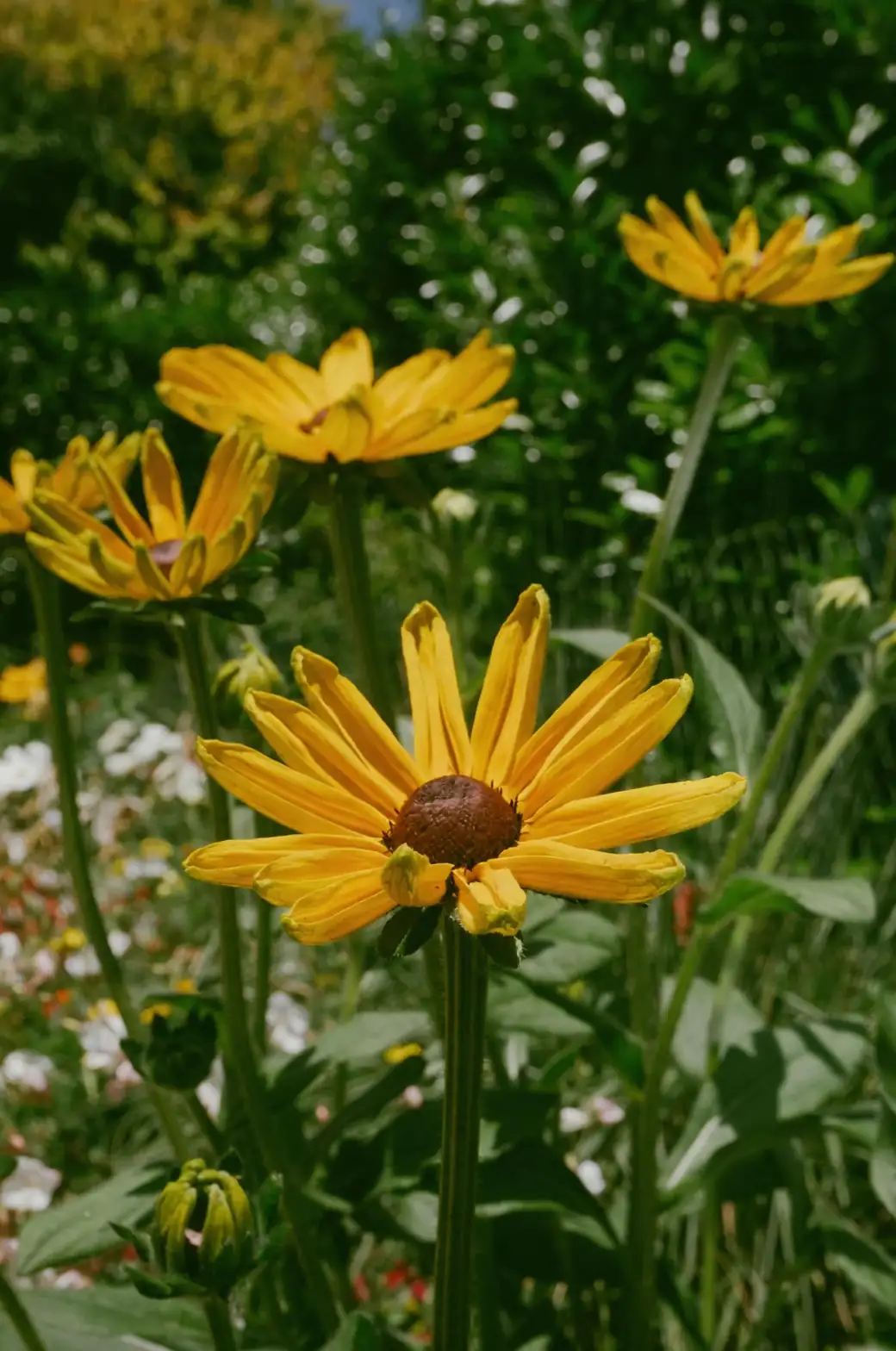
Unlock the Secrets to a Thriving Black-eyed Susan Garden
Imagine fields of golden-yellow flowers swaying gently in the breeze, each punctuated by a striking dark center that seems to wink at you in the sunlight. That’s the enchanting allure of the Black-eyed Susan (Rudbeckia hirta), a perennial favorite in North American gardens. These vibrant blooms are more than just eye-catching; they’re resilient, pollinator-friendly, and surprisingly easy to care for. Whether you’re a seasoned gardener or a newbie with a green thumb in training, let’s dive into the essentials of nurturing these sunny beauties.
Soak Up the Sun: Light Requirements
Black-eyed Susans are sun worshippers, preferring at least six hours of direct sunlight per day. Think of them as the solar panels of the plant world, converting every ray into an explosion of color and vitality. While they can tolerate partial shade, you’ll notice a marked difference in the abundance and vibrancy of their blooms when they’re basking in full sunlight. So, aim to plant them where they can soak up all the sun’s goodness—it’s their secret to thriving.
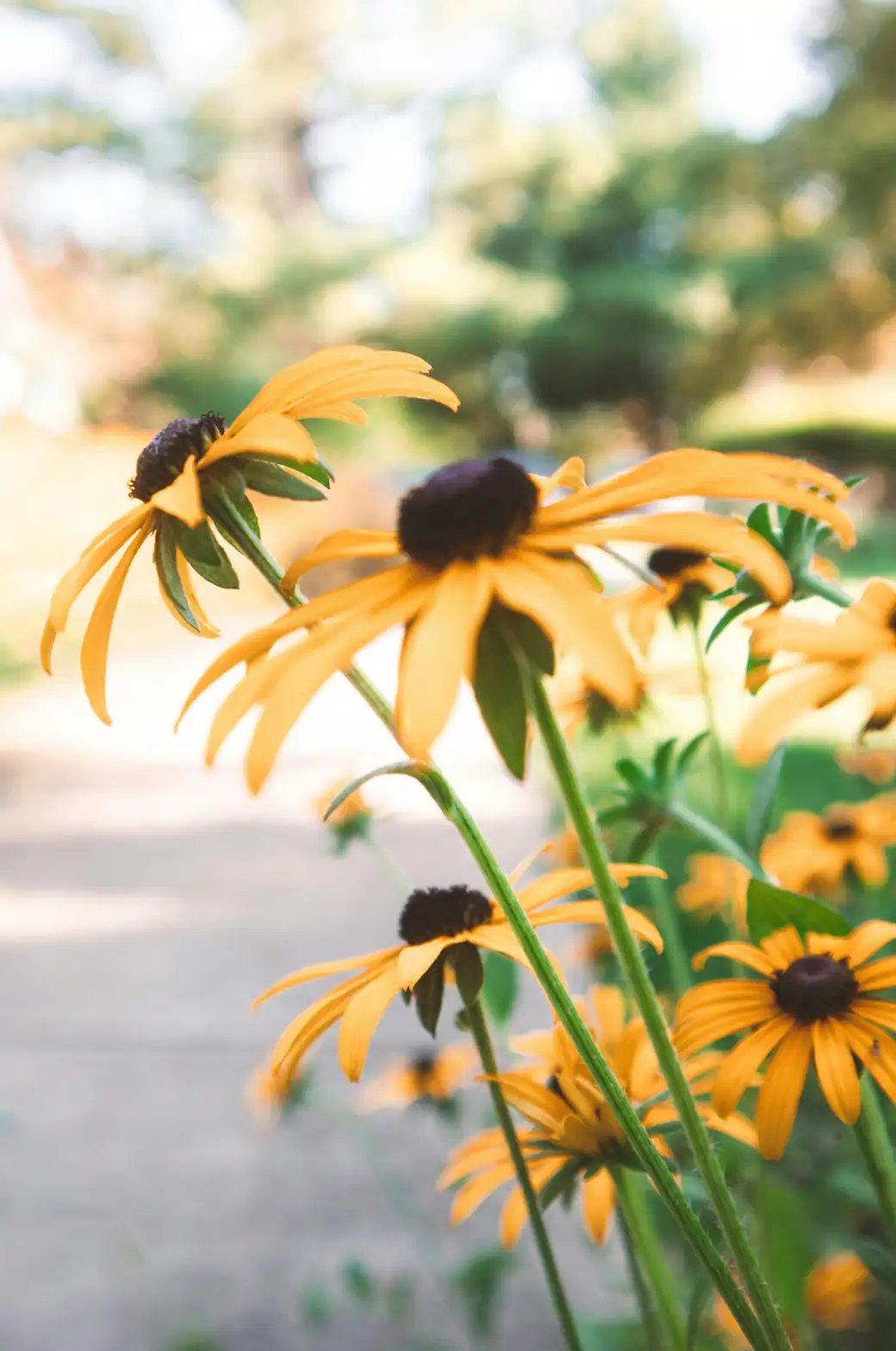
Quench Their Thirst: Watering Tips
When it comes to watering, Black-eyed Susans are like a well-hydrated marathon runner—they perform best with deep, consistent watering during their active growth periods. Aim to water them thoroughly about once a week, increasing the frequency during particularly hot or dry spells. However, remember the golden rule: moderation is key. While they can handle drought once established, overly soggy soil can lead to root problems. Water at the soil line to prevent fungal issues, and you’ll have happy, healthy plants.
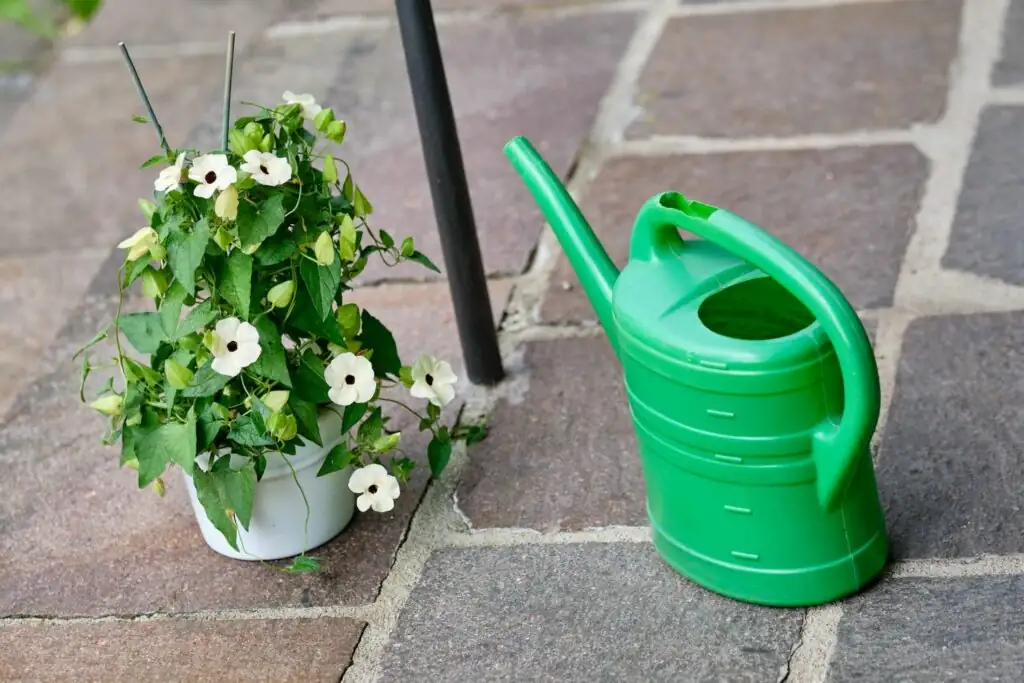
Feeding the Need: Nutritional Guidance
While Black-eyed Susans are not heavy feeders, a little boost goes a long way. A balanced fertilizer at the time of planting usually suffices, but if your soil is lacking, a bloom-leaning formula with higher phosphorus and potassium can encourage flowering. Be cautious with nitrogen, though—too much can result in lush foliage but fewer blooms. Think of it as feeding a child; you want just the right nutrients for them to flourish without overindulgence.
The Art of Pruning: Keeping Blooms Coming
Deadheading is your best friend when it comes to prolonging the flowering season of your Black-eyed Susans. By regularly removing spent blooms, you encourage the plant to produce more flowers instead of going to seed. If you’re feeling ambitious, you can cut back the plants after a significant flush to coax out a second round of blooms. In the fall, consider leaving some seed heads intact for birds to feast on and for a bit of winter garden structure.
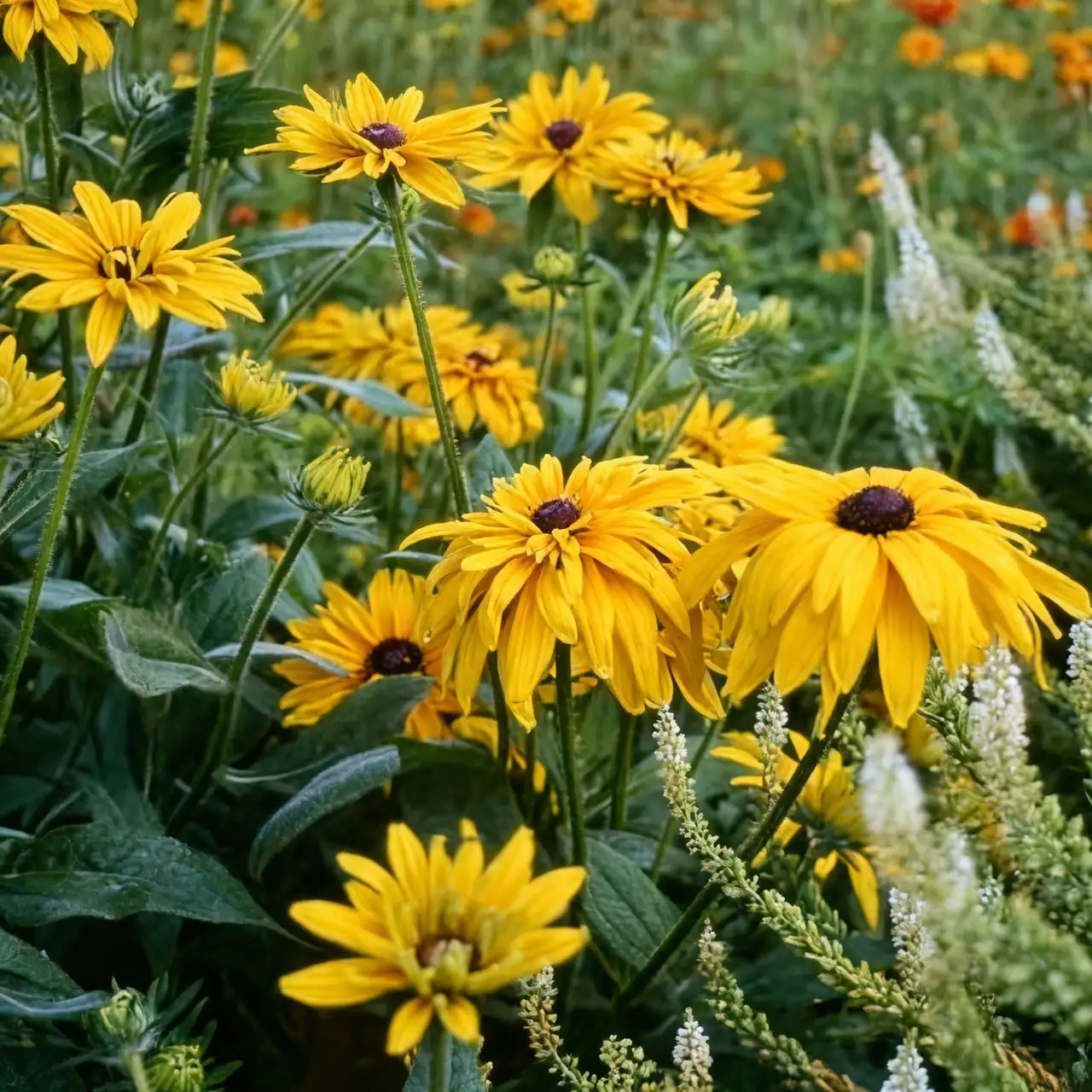
Seasonal Care: Preparing for Every Phase
- Spring: As soon as the threat of frost has passed, sow seeds or plant seedlings. This is also a great time to divide older clumps for rejuvenation.
- Summer: Keep those pruners handy for deadheading, and ensure your plants are well-watered during dry spells.
- Fall: Allow some flowers to go to seed for birds, and pull up any unwanted seedlings to control spread.
- Winter: In colder climates, a light mulch can offer protection, and in late winter or early spring, cut back dead growth to make way for new shoots.
Troubleshooting: Common Pests and Problems
While Black-eyed Susans are generally robust, they can fall prey to powdery mildew, leaf spot, and downy mildew. Ensuring good air circulation and avoiding overhead watering can mitigate these issues. Watch out for pests like aphids and slugs, which can be managed with hand-picking or organic solutions like insecticidal soap.
A Symbol of Resilience: The Language of Flowers
In the floral lexicon, Black-eyed Susans symbolize encouragement and optimism—a nod to their sunny appearance and tenacity. Their resilience in the garden mirrors the idea of persevering through adversity and thriving despite challenges. It’s no wonder these flowers have become a symbol of motivation and endurance.
Cultivating a Connection
Planting Black-eyed Susans isn’t just about adding a splash of color to your garden; it’s about creating a habitat that benefits both you and the local ecosystem. These plants are a magnet for bees and butterflies, and their seeds provide nourishment for songbirds like goldfinches. So, as you cultivate your patch of Black-eyed Susans, remember that you’re also contributing to a vibrant and interconnected natural world. Happy gardening!


