

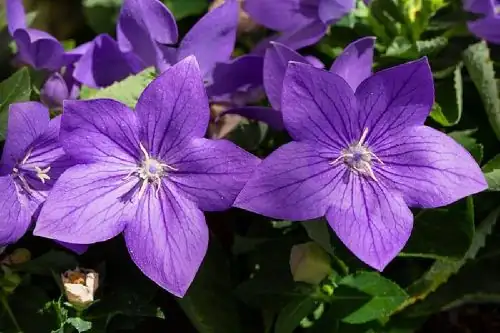
Balloon Flowers, or Platycodon grandiflorus, are like nature’s little magicians, transforming from tight, balloon-like buds into enchanting star-shaped blooms. If you’re yearning to bring this spectacle indoors, you’re in luck. With a touch of know-how, you can cultivate these East Asian natives right in your living room. Let’s dive into the essentials for nurturing vibrant Balloon Flowers indoors, focusing on light, soil, and container tips to coax out their best blooms.
Let There Be Light
Balloon Flowers bask in the spotlight, thriving in full sun to partial shade. Aim for at least six hours of direct sunlight daily. If your indoor space is in a hotter climate, consider providing some afternoon shade to prevent stress. Think of it as a spa day for your plants—after all, even Balloon Flowers appreciate a break from the glaring sun!
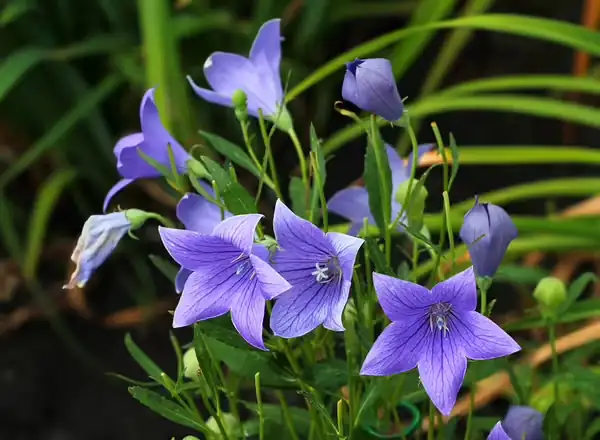
Soil: The Foundation of Blooming Success
For Balloon Flowers, soil is more than just a resting place; it’s their lifeline. They prefer rich, loamy, and well-drained soil, with a slightly acidic to neutral pH (around 5.5 to 7.5). Avoid heavy clay and waterlogged conditions, as these can lead to dreaded root rot. Consider adding compost to the mix when planting to boost soil fertility and ensure well-draining properties.
The Perfect Home: Choosing the Right Container
When it comes to indoor Balloon Flowers, container choice is critical. Opt for a deep pot, at least 25–30 cm (10–12 in) deep, to accommodate their impressive taproot. The deeper the pot, the happier the root. And remember, these roots are sensitive souls—handle with care to avoid setbacks.
Watering Wisely
Newly planted Balloon Flowers appreciate consistent moisture, but once established, they become fairly drought tolerant. Water when the top layer of soil feels dry, but be cautious not to let them sit in soggy soil. Picture it like a good cup of tea: refreshing but not drowning.
Feeding Your Floral Friends
Balloon Flowers aren’t particularly demanding, but if you want to boost their blooming prowess, a balanced fertilizer every 7–10 days during active growth can work wonders. Go easy on the nitrogen and slightly heavier on phosphorus as buds form to encourage those starry blooms.
Pruning and Maintenance
To keep your Balloon Flowers in top shape, deadhead spent blooms to encourage continuous flowering and prevent self-seeding. If your plants start getting a bit too leggy, give them a trim in late spring, cutting back by about half to promote bushier growth.
Indoor Placement and Care
While Balloon Flowers are robust outdoor performers, they can thrive indoors with the right conditions. Place them in a bright spot with excellent drainage. A sunny windowsill is ideal. Remember, they’re hardy perennials, so they’ll retreat in winter, only to bounce back with new vigor in the spring.
Pests and Precautions
Balloon Flowers are mostly trouble-free, but keep an eye out for rot-related diseases, which can occur in overly wet conditions. Ensure good air circulation and avoid watering late in the day. A little vigilance goes a long way.
A Touch of Culture: The Symbolism of Balloon Flowers
In East Asian culture, Balloon Flowers symbolize honest feelings, steadfast devotion, and enduring love. In Japan, their star shape is considered auspicious, linked to the five senses and elements. The legend of Kikyo, a girl who waited for her lover until she transformed into a Balloon Flower, adds a bittersweet note to their symbolism—representing love that endures or remains just out of reach.
Bringing Balloon Flowers indoors is more than just adding a plant to your space; it’s inviting a piece of living art that evolves and enchants. With the right care, these botanical stars will dazzle you with their showy blooms and rich cultural heritage. So, roll up your sleeves and let the magic of Balloon Flowers unfold in your home!


