

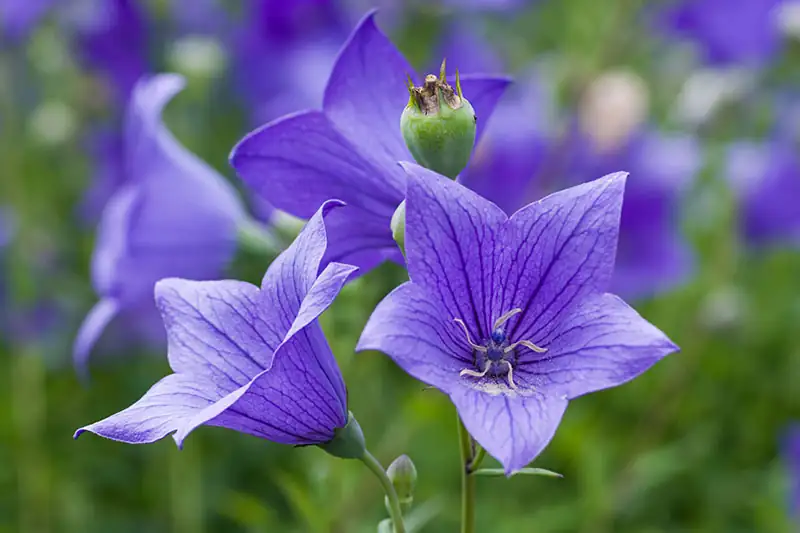
Ah, the Balloon Flower! Its charming, puffed-up buds and starry blossoms make it a staple in gardens worldwide. But like any beloved plant, Platycodon grandiflorus isn’t immune to the pesky pests and sneaky diseases that can deflate its vibrant presence. Let’s dive into how you can protect these delightful blooms, ensuring they thrive and enchant year after year.
Unmasking the Culprits: Common Pests
Slugs and Snails: The Nighttime Nibblers
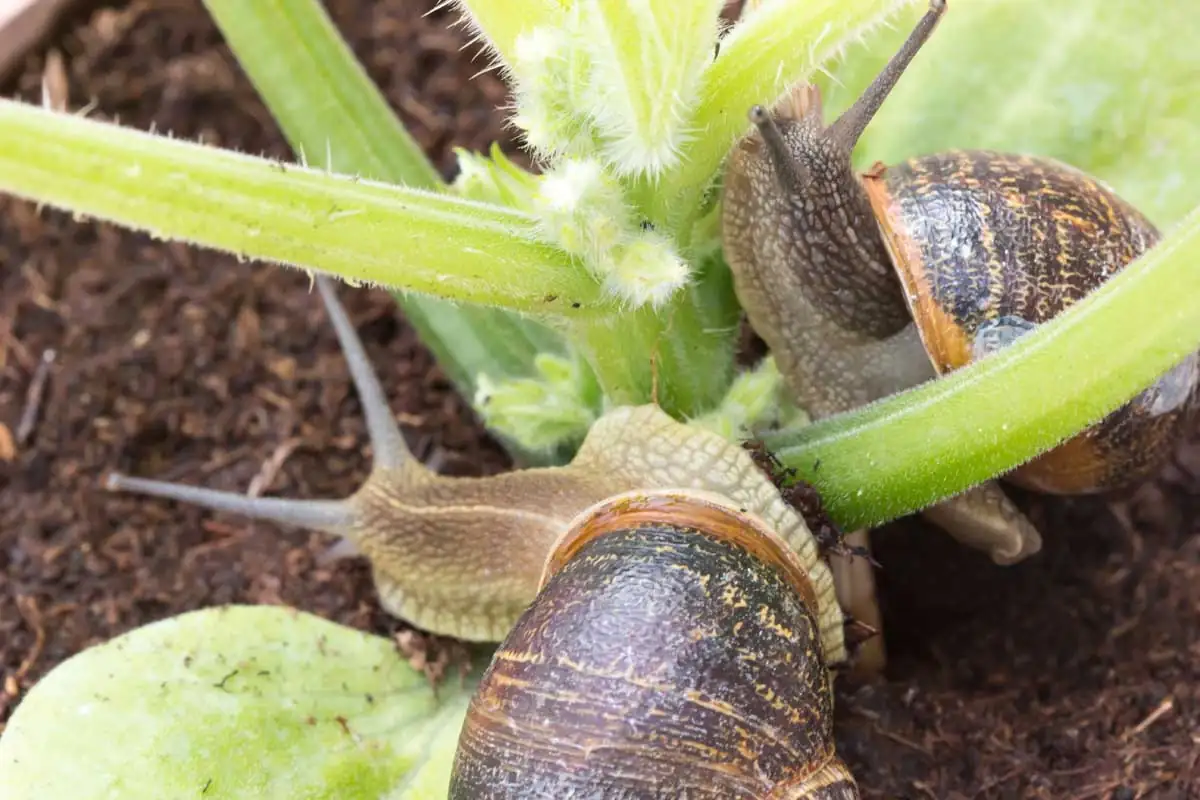
Imagine waking up to find your Balloon Flowers looking like they’ve been through a shredder. Often, the culprits are none other than slugs and snails—those slimy little garden invaders that prefer to feast under the cover of darkness. To combat them, consider using barriers like copper tape or crushed eggshells around your plants. These deterrents can make the terrain less hospitable for these mollusks. Alternatively, organic slug pellets or beer traps can be surprisingly effective.
Disease Detectives: Spotting and Stopping Plant Ailments
Crown Rot and Root Rot: The Silent Sappers
These fungal diseases creep in when soil conditions are too wet, often leading to droopy, wilting plants. The Balloon Flower’s deep taproot, which is usually its strength, can become a liability in soggy conditions. Ensure your soil is well-draining, and avoid over-watering. Raised beds can be a lifesaver in areas prone to heavy rain, as they help excess water escape.

Powdery Mildew: The Unwanted Dusting
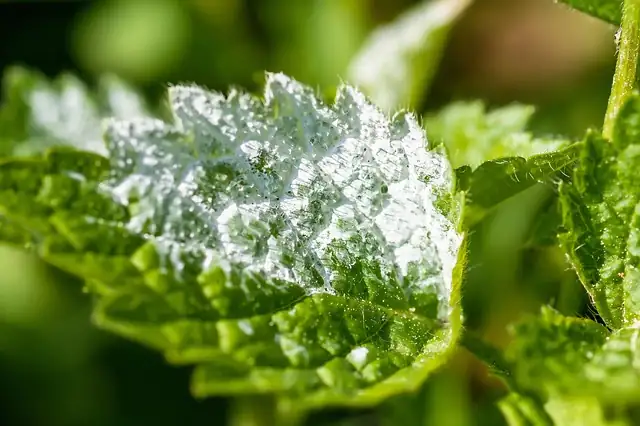
If you spot a white, powdery substance on your Balloon Flowers, it’s likely powdery mildew. This fungal issue thrives in humid, crowded conditions. To prevent it, make sure your plants have plenty of air circulation. Prune back any overly dense foliage, and water at the base of the plant to keep leaves dry. If mildew becomes a recurring problem, a sulfur-based fungicide or a homemade solution of baking soda and water can help nip it in the bud.
Practical Solutions for a Healthy Bloom
Location, Location, Location
Balloon Flowers thrive in full sun to partial shade, with at least six hours of sunlight daily. In hotter climates, a little afternoon shade can prevent heat stress. Remember, these perennials prefer cool-to-moderate conditions, so choose your planting spot wisely.
Soil and Watering Tips
Rich, loamy soil that drains well is your best bet. Balloon Flowers aren’t fans of heavy clay or waterlogged sites. Once established, they’re fairly drought-tolerant, thanks to their deep taproot, but young plants need consistent moisture. Water when the top layer of soil is dry, but always prioritize good drainage to keep rot at bay.
Feeding and Pruning
A balanced fertilizer can work wonders during the active growing season, especially if your soil is less than ideal. Focus on phosphorus to encourage blooms while keeping nitrogen levels moderate. Regular deadheading will keep your Balloon Flowers blooming their best, and cutting back tall stems in late spring can promote bushier growth.
A Little Bit of Magic: The Flower Language of Balloon Flowers
In the language of flowers, Balloon Flowers symbolize honest feelings and steadfast devotion. Their ability to pop open suddenly into star-shaped blooms is not only a physical delight but also carries a metaphorical message—love that is patient and enduring, sometimes waiting quietly for the right moment to shine.
So, whether you’re a seasoned gardener or a newbie just starting to dig in the dirt, with a bit of care and attention, your Balloon Flowers can remain a breathtaking feature in your garden. Keep an eye out for those pesky pests and sneaky diseases, and you’ll enjoy their enchanting beauty for many seasons to come. Happy gardening!


