

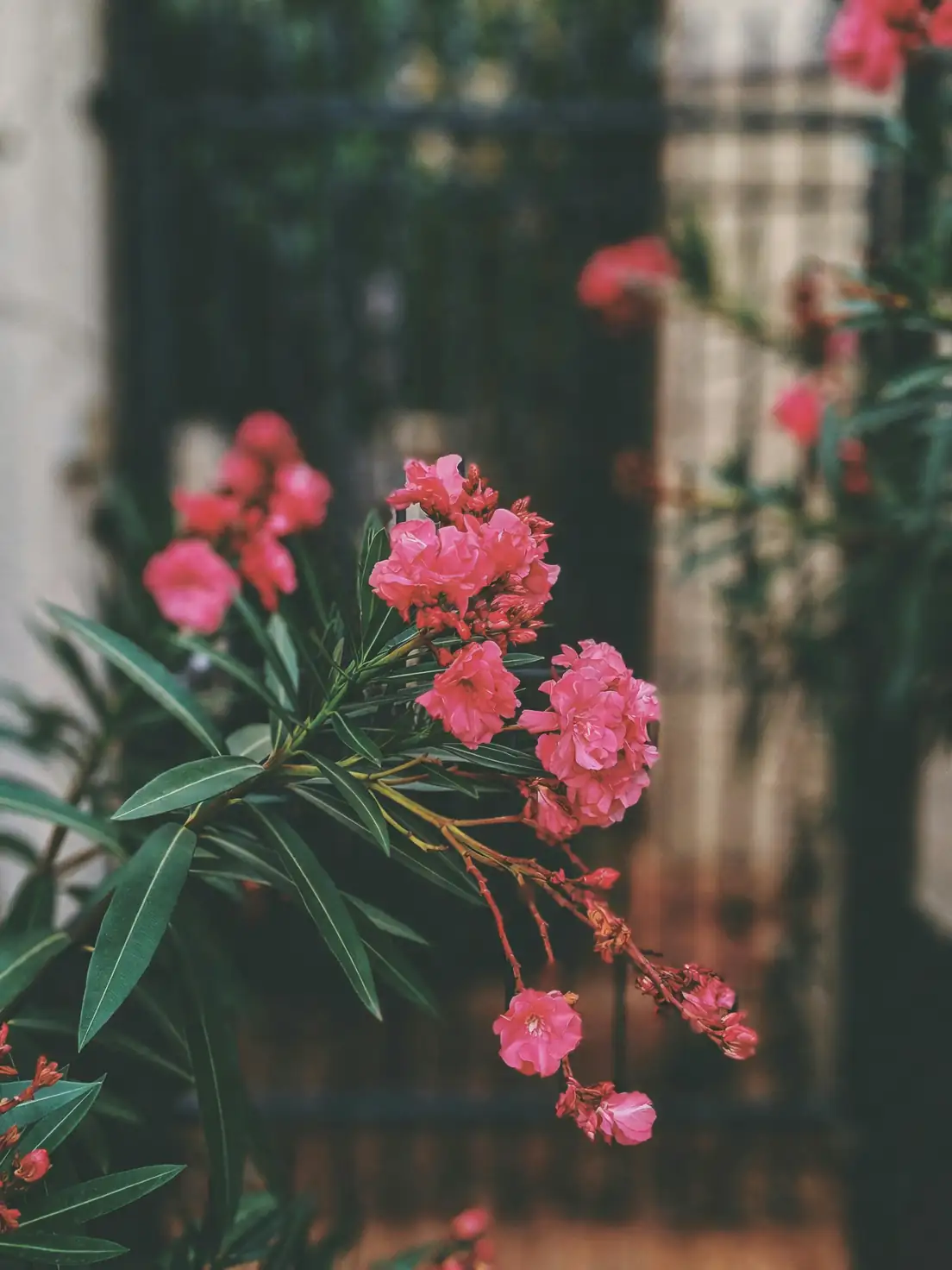
Imagine standing in a sun-drenched garden, surrounded by the vibrant hues of oleander flowers—pink, white, red, and even candy-striped. These blossoms, with their alluring charm and heady fragrance, belong to the Nerium oleander, a resilient plant that hails from the Mediterranean Basin. Despite its beauty and endurance, oleander faces challenges from pests and diseases that can threaten its health. Let’s delve into how you can keep your oleanders thriving by managing common pests like the oleander caterpillar and preventing diseases such as oleander leaf scorch.
—
Identifying Common Oleander Pests
The Oleander Caterpillar: A Colorful Menace
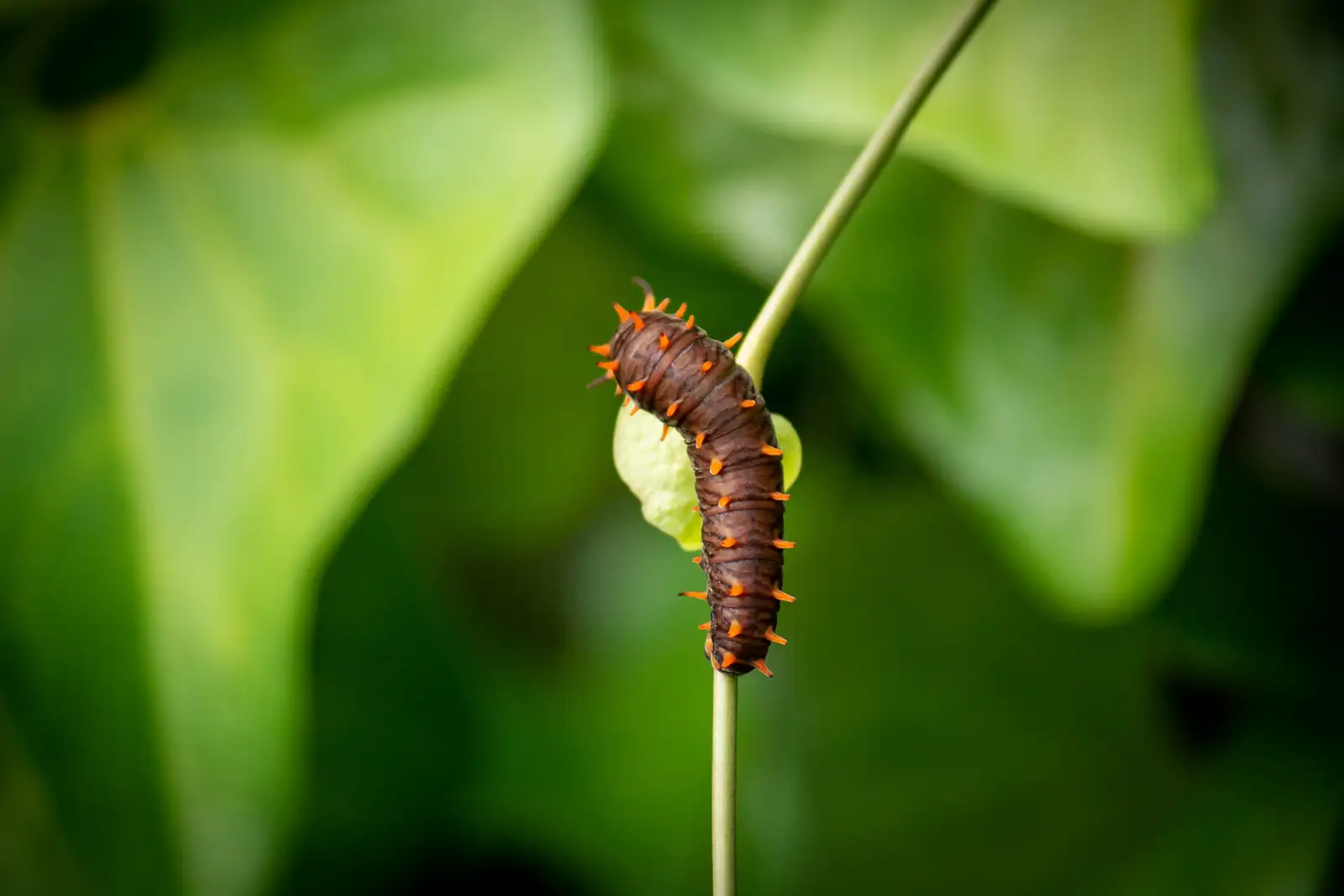
Among the various pests that target oleander, the oleander caterpillar is notorious for its vivid appearance and voracious appetite. These bright orangish-red caterpillars, dotted with black tufts, are the larvae of the polka-dot moth. They may appear enchanting, but when they gather in groups, they can quickly defoliate an oleander shrub, leaving it bare and vulnerable.
Control Tips:
- Manual Removal: The simplest way to deal with these caterpillars is to pick them off by hand. Drop them into a bucket of soapy water to ensure they don’t return.
- Biological Control: If manual removal doesn’t suffice, consider using Bacillus thuringiensis (Bt), a biological control that targets caterpillars without harming beneficial insects.
- Chemical Options: As a last resort, apply permethrin-based insecticides, but remember, repeated applications may be necessary.
Other Pests: Scale, Aphids, and More
- Scale Insects: These small pests can appear as armored or soft scales, sucking nutrients from the plant. Armored scales have a hard covering, while soft scales are more rounded.
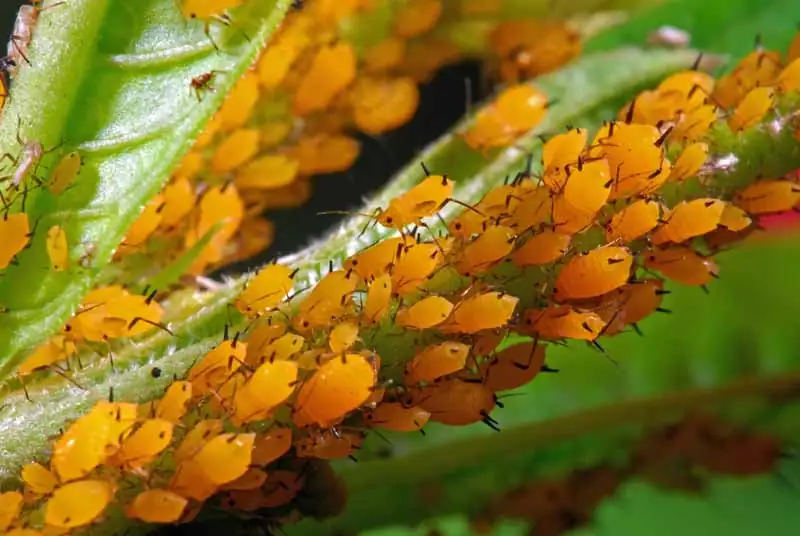
- Aphids: Often clustering on new growth, these bright yellow pests can lead to sooty mold due to their honeydew excretions.
- Treatment: Regular washing of the foliage with water can help manage aphid populations, while neem oil or insecticidal soaps can be effective for scale.
Guarding Against Oleander Leaf Scorch
The Silent Threat
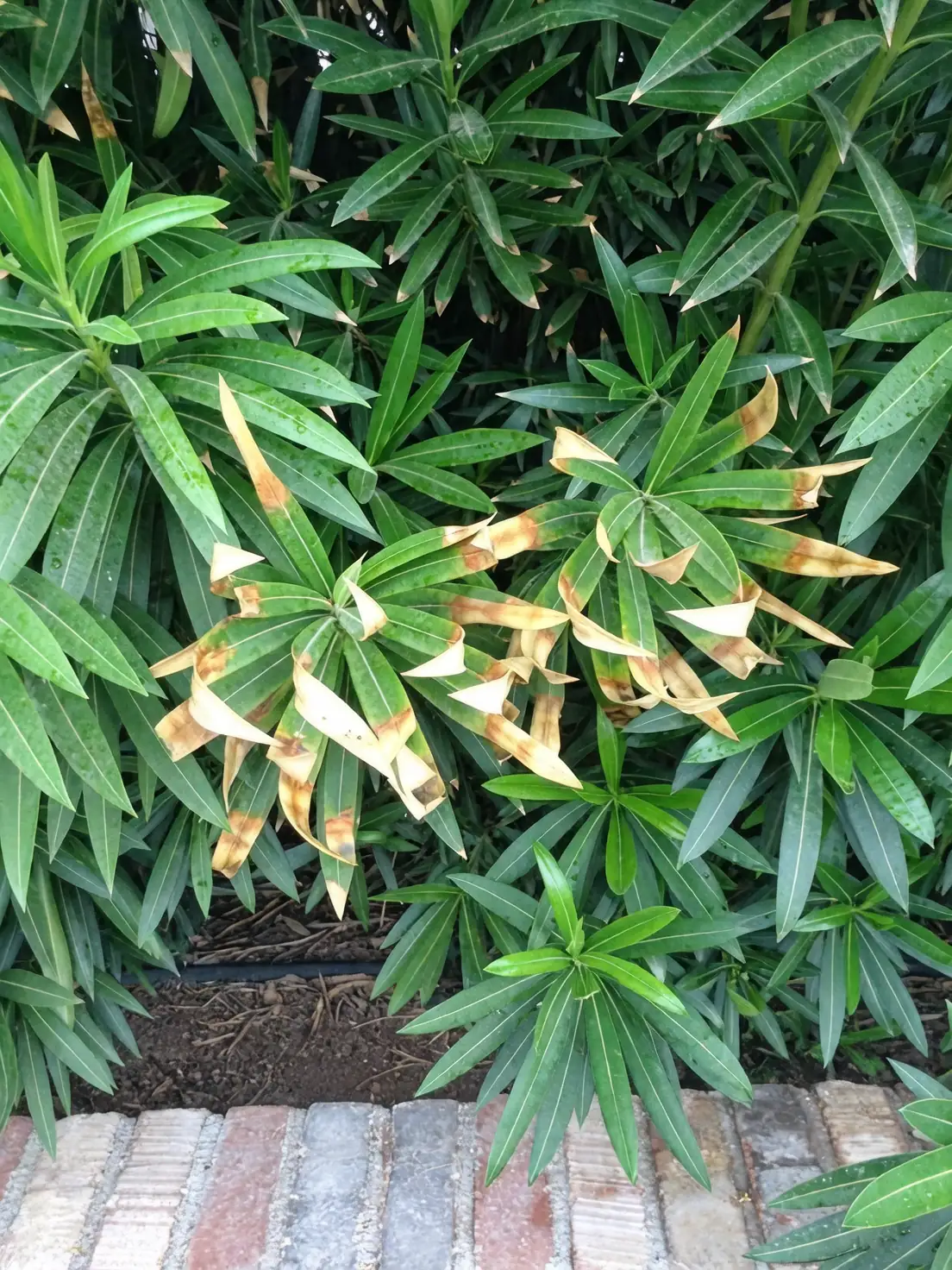
Oleander leaf scorch is a bacterial disease caused by Xylella fastidiosa, which clogs the plant’s xylem, hindering water transport and leading to browning and wilting of leaves. Unfortunately, there is no cure once an oleander is infected, and it typically results in the plant’s demise.
Prevention and Management:
- Early Detection: Inspect plants regularly for symptoms such as yellowing leaves with brown margins.
- Control Vectors: Since the disease spreads through insect vectors, controlling pests like sharpshooters is crucial.
- Remove and Replace: To prevent the spread, promptly remove and dispose of affected plants.
Keeping Your Oleander Flourishing
Cultural Practices for Healthier Plants
- Sunshine and Soil: Oleanders thrive in full sun and well-drained soil. While they are incredibly drought-tolerant once established, regular watering during dry spells promotes more vigorous flowering.
- Pruning and Feeding: Prune oleanders in late winter to maintain their shape and remove diseased wood. Light feeding in spring can boost growth, especially for container plants.
- Avoiding Overcrowding: Space plants adequately to ensure good airflow, reducing the risk of fungal diseases.
A Word on Safety
Despite its stunning display, every part of the oleander plant is highly toxic, containing compounds that can cause severe illness or even death if ingested. Always handle with gloves and keep it out of reach of children and pets.
—
Oleanders, with their tenacity and beauty, can be a captivating addition to any landscape, provided they’re kept healthy and safe from pests and diseases. With these tips, you can enjoy their vibrant blooms and robust presence in your garden, while respecting the plant’s potent nature. Remember, in the world of oleander, beauty comes with a cautionary tale—admire it from a safe distance, and it will reward you with years of breathtaking blooms.


