

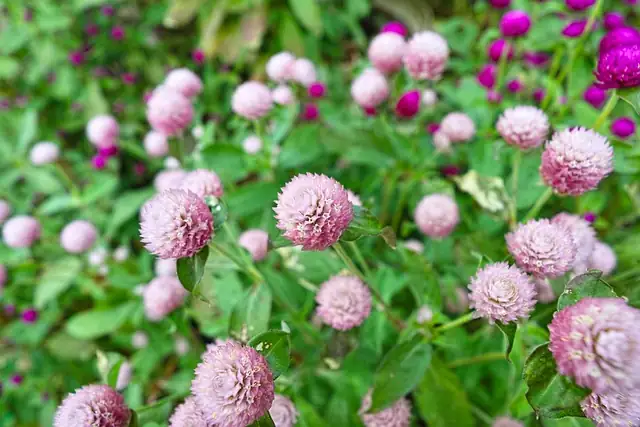
Are you looking to add a splash of vibrant color to your garden that lasts long into the year? Meet Gomphrena globosa, commonly known as Globe Amaranth, your new garden superstar. Whether you’re a seasoned gardener or just starting out, this plant’s cheerful, clover-like blooms are easy to grow and maintain, making them an ideal choice for anyone looking to brighten their outdoor space.
Unveiling the Charm of Globe Amaranth
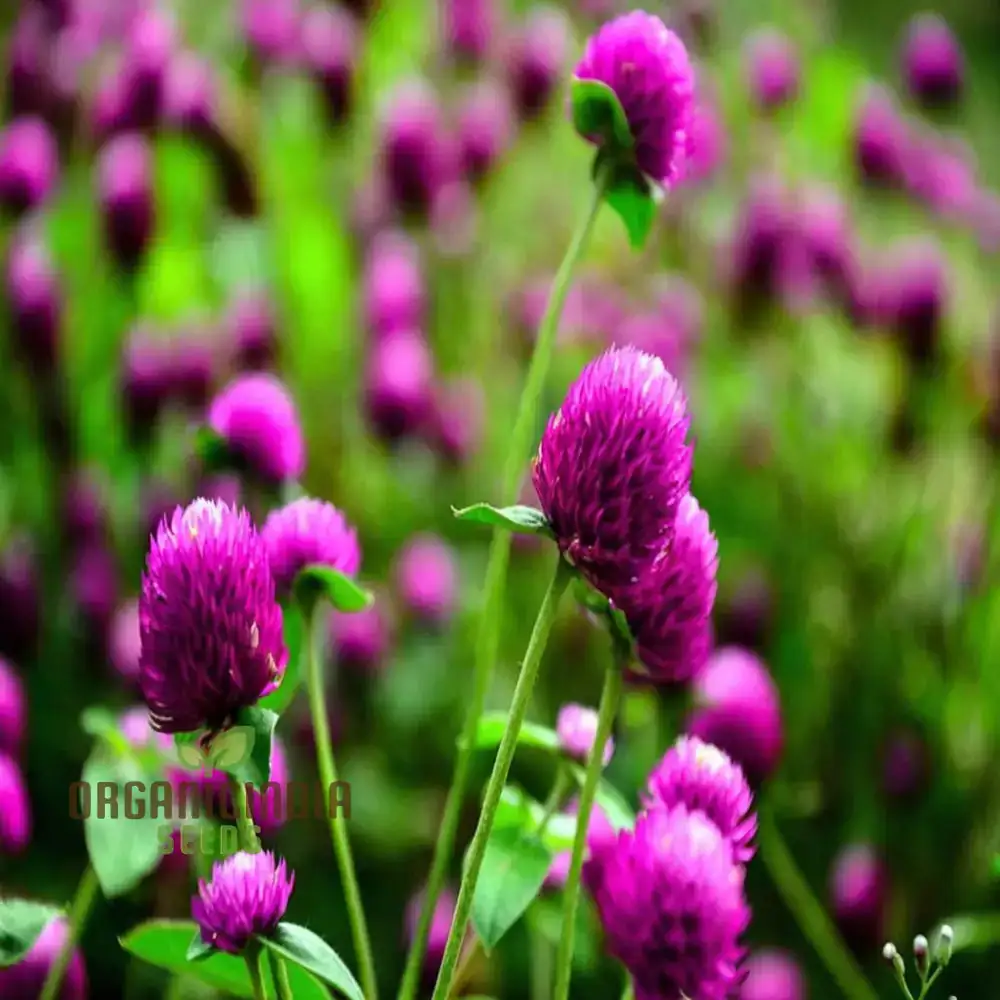
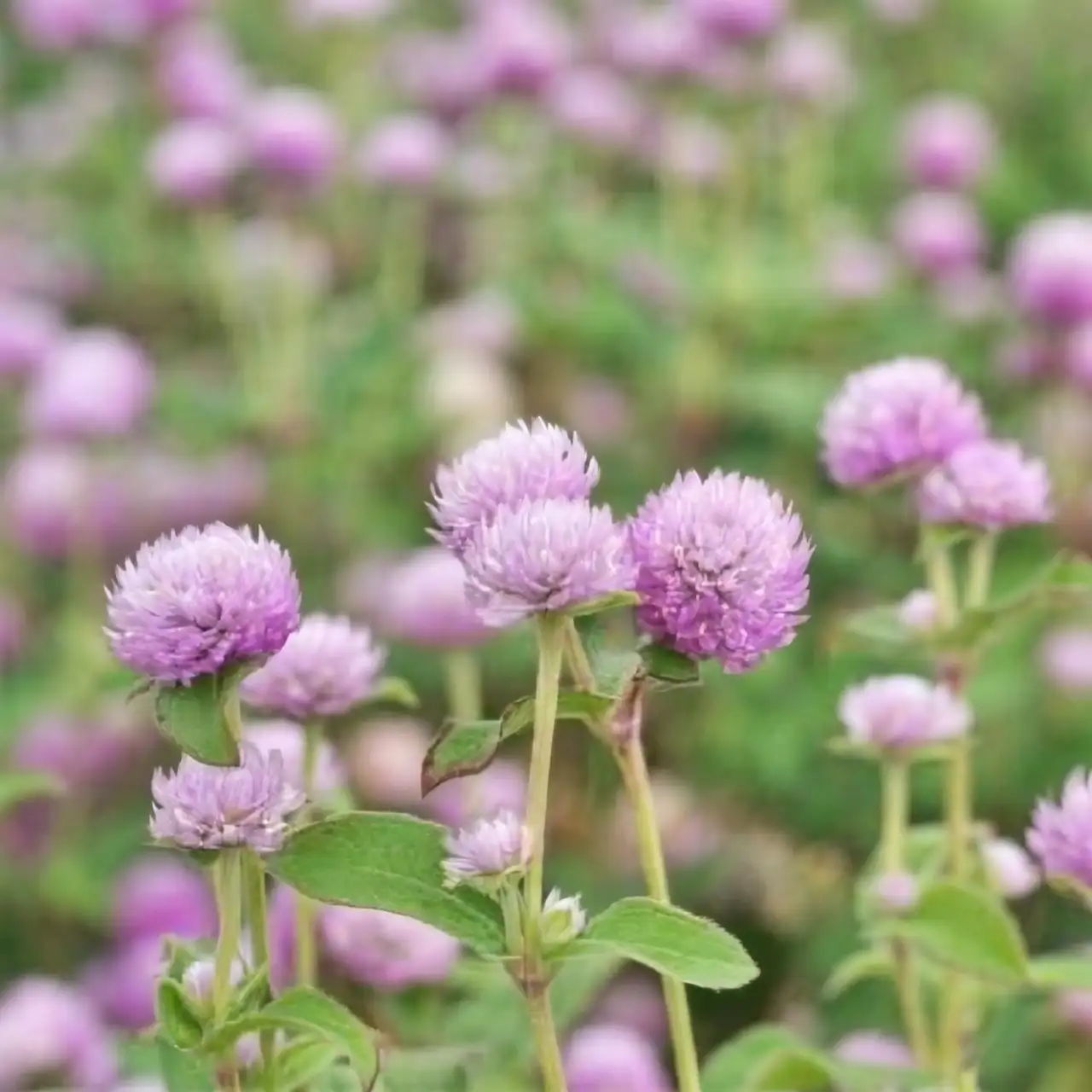
Globe Amaranth is a playful plant that belongs to the Amaranthaceae family. Native to the tropical regions between Guatemala and Panama, it has won hearts worldwide with its ability to thrive in various conditions. Often referred to as Bachelor Button or Fireball Flower, its globe-shaped blooms come in a dazzling array of colors: magenta, purple, red, orange, white, and lilac. These colorful, papery bracts aren’t just eye-catching; they’re also incredibly durable, making them perfect for dried flower arrangements that last for years.
Setting the Stage: Ideal Growing Conditions
Sunlight and Placement
Globe Amaranth is a sun worshipper. For best results, plant it in a spot where it can soak up 6 to 8 hours of direct sunlight every day. Too much shade can lead to fewer blooms and leggy growth, so aim for full sun exposure to keep your plant compact and bushy.
Soil and Watering
This plant isn’t picky about soil type but thrives in well-draining, moderately fertile soil. If you’re planting in containers, a quality potting mix will do the trick. Initially, keep the soil evenly moist to help the plant establish itself. Once settled, Globe Amaranth becomes quite drought-tolerant but will perform best with consistent moisture. Water at the base to avoid wetting the foliage, which can help prevent fungal diseases.
Temperature and Humidity
A true lover of heat, Globe Amaranth flourishes in temperatures ranging from 20–25°C (68–77°F) and can tolerate heat up to 40°C (104°F). While it prefers moderate humidity, it adapts well to both humid and dry climates as long as there’s good airflow.
Seasonal Care Tips
Spring
Start seeds indoors 6 to 8 weeks before the last frost, or sow them directly in the garden once the soil has warmed. Pinch young plants back when they’re about 15 cm (6 in) tall to encourage a bushier growth habit and more flower stems.
Summer
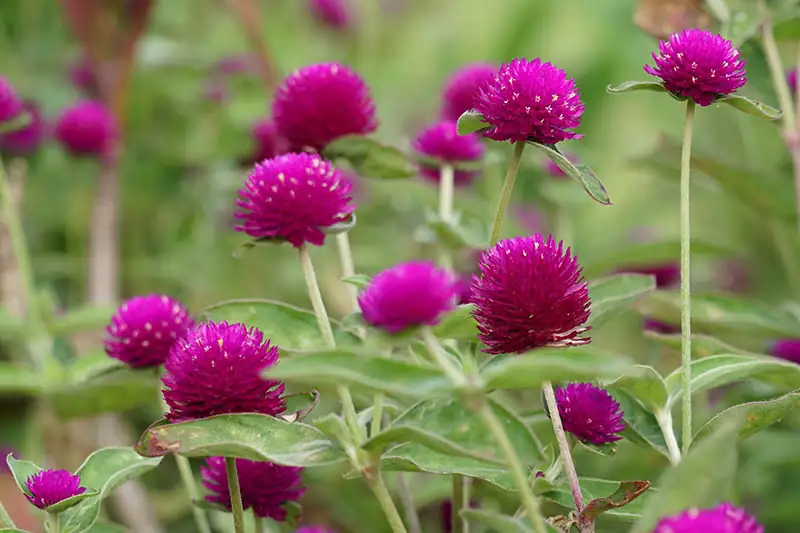
Once planted in the garden, Globe Amaranth will reward you with continuous blooms throughout the summer. Water as needed, and if growing in containers, consider a light feeding every 2 to 3 weeks to maximize blooms. Don’t worry about deadheading; cutting flowers for arrangements keeps plants tidy and encourages more blooms.
Fall
The flowering show continues until the first frost. Harvest flowers for drying before the centers start shedding. This is also the time to collect seeds from fully dried flowers if you wish to grow them again next year.
Winter
In most climates, Globe Amaranth is grown as an annual and will die back with frost. However, in frost-free zones (USDA Zones 9–11), it may persist as a tender perennial, offering even longer-lasting garden color.
Why Choose Globe Amaranth?
Apart from its vibrant blooms and low maintenance, Globe Amaranth is a fantastic pollinator attractor, drawing in butterflies and bees, making it an excellent addition to any pollinator-friendly garden. It is also remarkably resilient, withstanding heat and drought that can stress other annuals.
A Touch of Symbolism
In the language of flowers, Globe Amaranth symbolizes immortality and enduring affection. Its long-lasting blooms are a metaphor for resilience and strength, thriving through the harshest of conditions.
Final Thoughts
Whether you’re looking to fill your garden with color or create stunning dried flower arrangements, Globe Amaranth is a top contender. Easy to grow, heat-tolerant, and visually striking, it’s an ideal plant for gardeners of all experience levels. Why not give it a try this season and let its cheerful blooms light up your space?


