

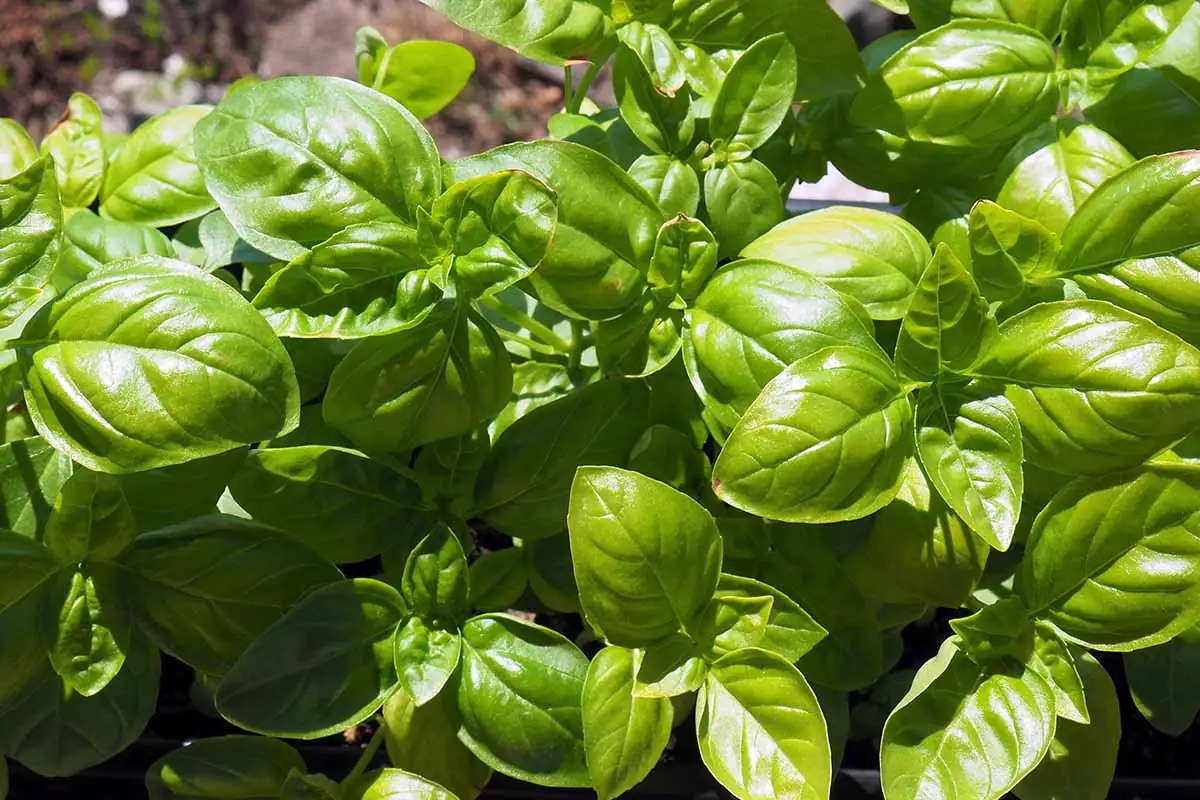
Keeping Your Basil Buzzing: An In-Depth Guide to Managing Pests and Diseases
Basil, the beloved “King of Herbs,” is a staple in gardens and kitchens around the world. With its aromatic leaves brightening dishes from pesto to Thai curry, it’s no wonder gardeners are eager to keep their basil thriving. However, this culinary superstar can face its fair share of challenges in the form of pests and diseases. Fear not! With some savvy strategies, you can ensure your Ocimum basilicum stays lush and productive. Let’s dive into the world of basil plant care and defense!
Common Pests that Prey on Basil
Basil may be a friend to your palate, but it can also be a favorite target for certain garden pests. Here’s how to spot and manage them:
1. Aphids:
These tiny green or black insects love to sap the life out of young basil shoots. While they might be small, their numbers can grow quickly, leaving you with stunted plants.
- Prevention/Treatment: Regularly check the undersides of leaves for clusters of aphids. A strong spray of water can dislodge them, or you can use insecticidal soap for severe infestations.
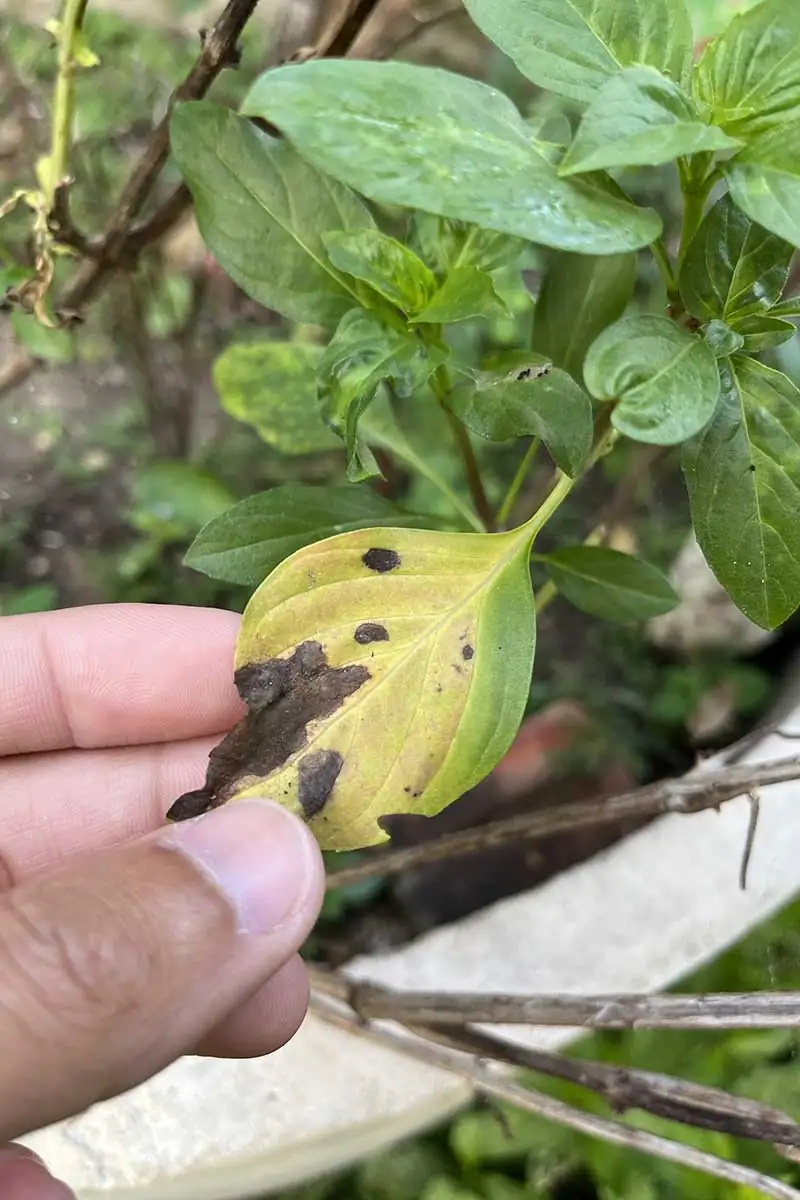
2. Japanese Beetles:
These shiny, metallic pests are not only beautiful but also a menace, munching through basil leaves with abandon.
- Prevention/Treatment: Hand-picking is effective for small gardens. Neem oil can help deter them, making your basil less appealing.
3. Thrips:
These slender insects are known for their ability to transmit viruses, as well as causing silvery scarring on leaves.
- Prevention/Treatment: Encourage beneficial insects like ladybugs, which are natural predators of thrips, or apply insecticidal soap.
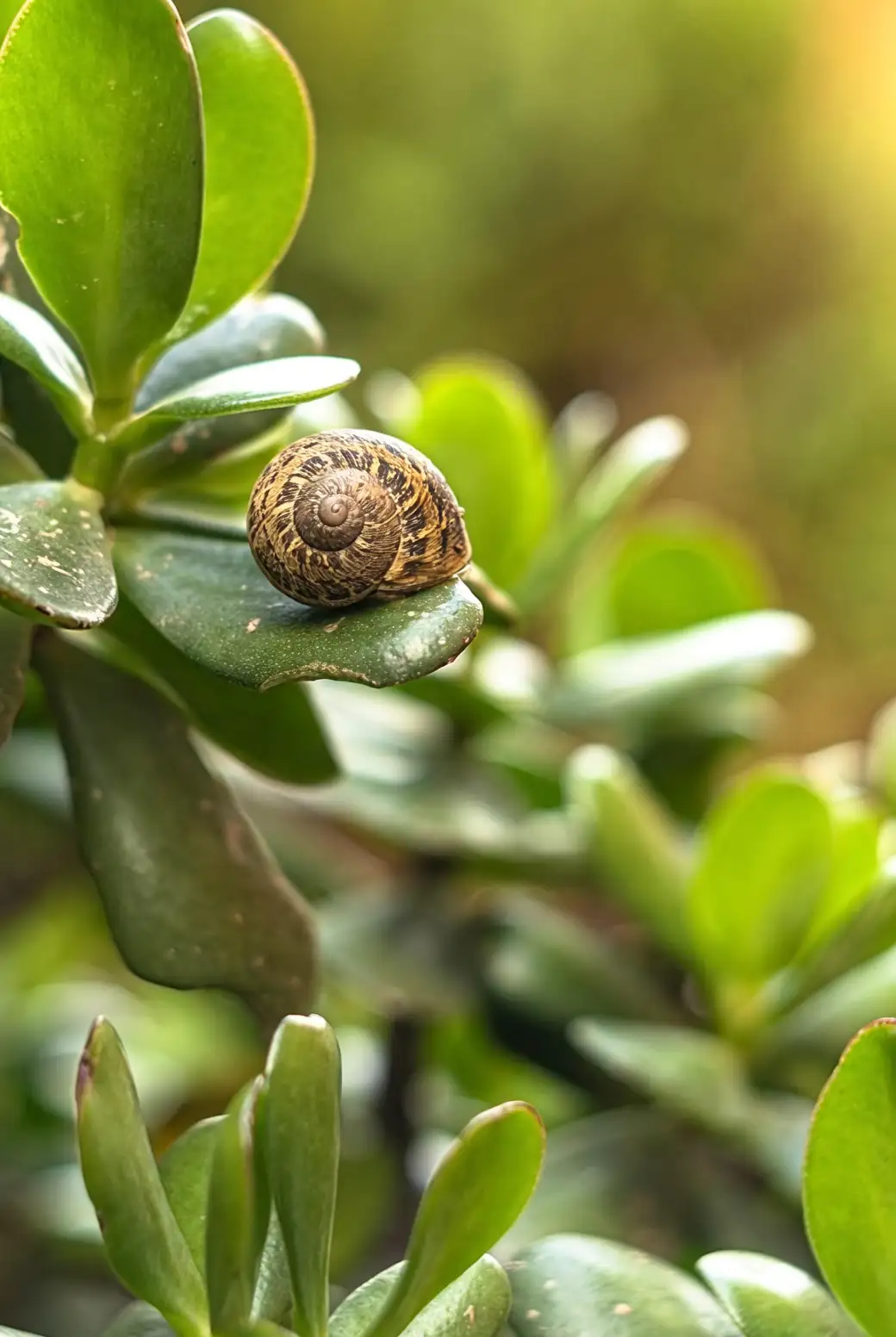
4. Slugs and Snails:
These slow-moving pests leave behind telltale slime trails and ragged holes in leaves.
- Prevention/Treatment: Create barriers using copper tape or diatomaceous earth, and hand-pick any visible culprits during damp evenings.
Plant Pathologies: Diseases that Afflict Basil
Basil is not just a tasty treat for insects; it can also fall victim to an array of diseases, especially in the warm, humid conditions it loves.
1. Basil Downy Mildew:
Perhaps the most notorious of basil diseases, this fungal issue manifests with yellowing leaves and a fuzzy gray growth on the undersides.
- Prevention/Treatment: Ensure good air circulation by spacing plants properly and watering at the base. Remove and destroy affected plants to prevent spread. Opt for resistant varieties if available.
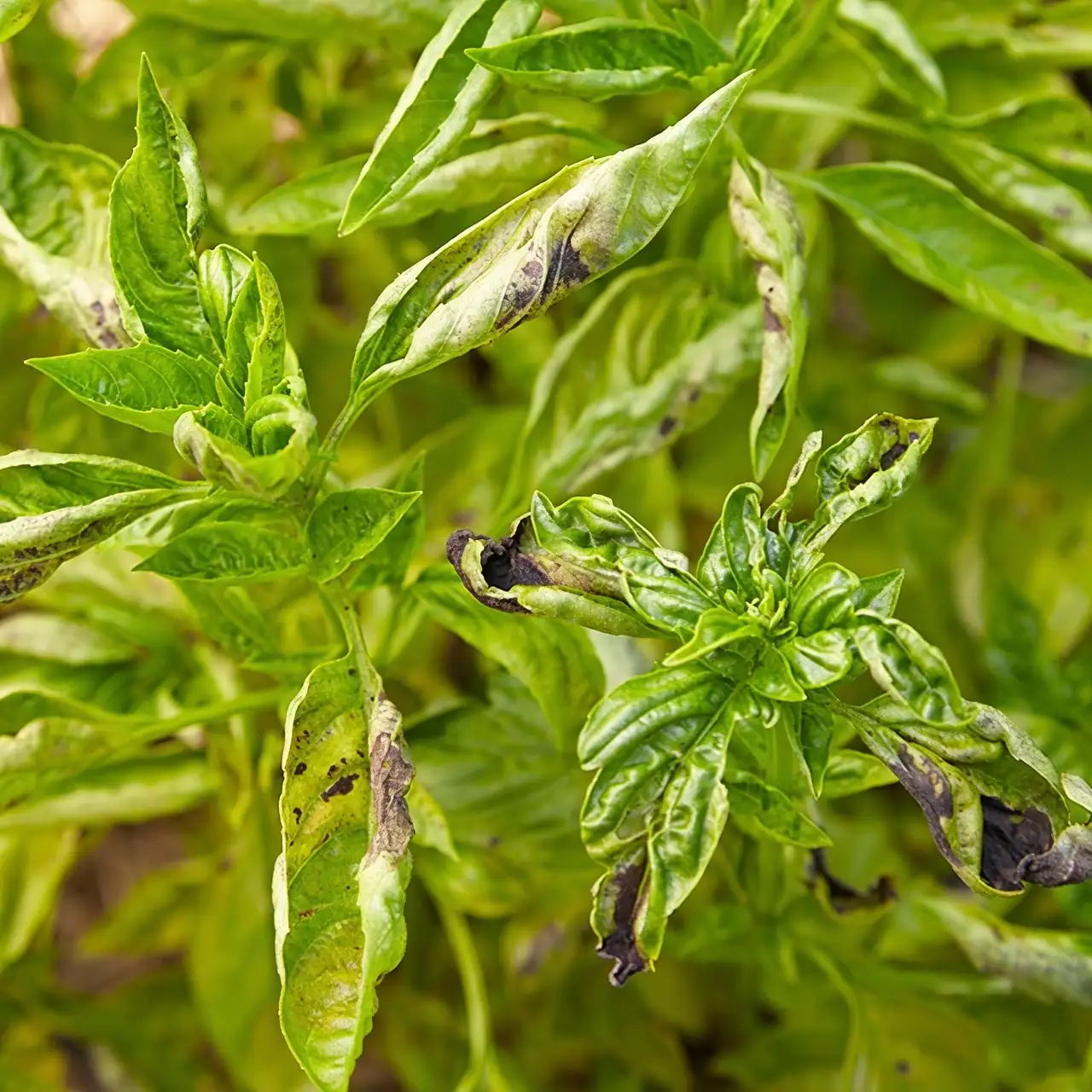
2. Fusarium Wilt:
This soil-borne fungus causes wilting and yellowing, often accompanied by brown streaks on the stems.
- Prevention/Treatment: Rotate crops to avoid build-up in the soil. Unfortunately, there’s no cure once plants are infected, so removal is necessary.
3. Powdery Mildew:
Characterized by a white powdery growth on leaves, this disease thrives in high humidity.
- Prevention/Treatment: Improve airflow and reduce humidity. Use a fungicide like potassium bicarbonate for treatment.
4. Gray Mold (Botrytis):
This disease causes browning and decay, often under humid conditions.
- Prevention/Treatment: Avoid overhead watering and remove affected plant parts promptly. Fungicides can be helpful for severe cases.
Best Practices for a Healthy Basil Garden
Maintaining a healthy basil plant is about more than just fending off pests and diseases. Here are some tips to keep your basil thriving:
- Sunlight and Temperature: Basil thrives in full sun but appreciates some afternoon shade in very hot climates. Aim for temperatures between 21–29°C (70–85°F).
- Watering: Keep soil consistently moist but not waterlogged. Water at the base in the morning to minimize fungal risks.
- Fertilization: Use a balanced, water-soluble fertilizer sparingly to maintain flavor intensity in the leaves.
- Pruning: Regularly pinch off stems to encourage bushy growth and remove flower buds to keep leaf production high.
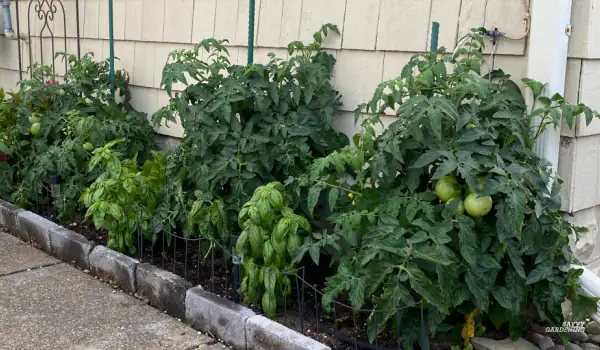
- Companion Planting: Plant basil alongside tomatoes and peppers, which can mutually benefit from each other’s pest-repelling properties.
By staying vigilant and proactive, you can ensure your basil remains the vibrant star of your garden and your kitchen. With these strategies in your gardening toolkit, pests and diseases will be mere blips on the radar, allowing your “King of Herbs” to reign supreme!


