

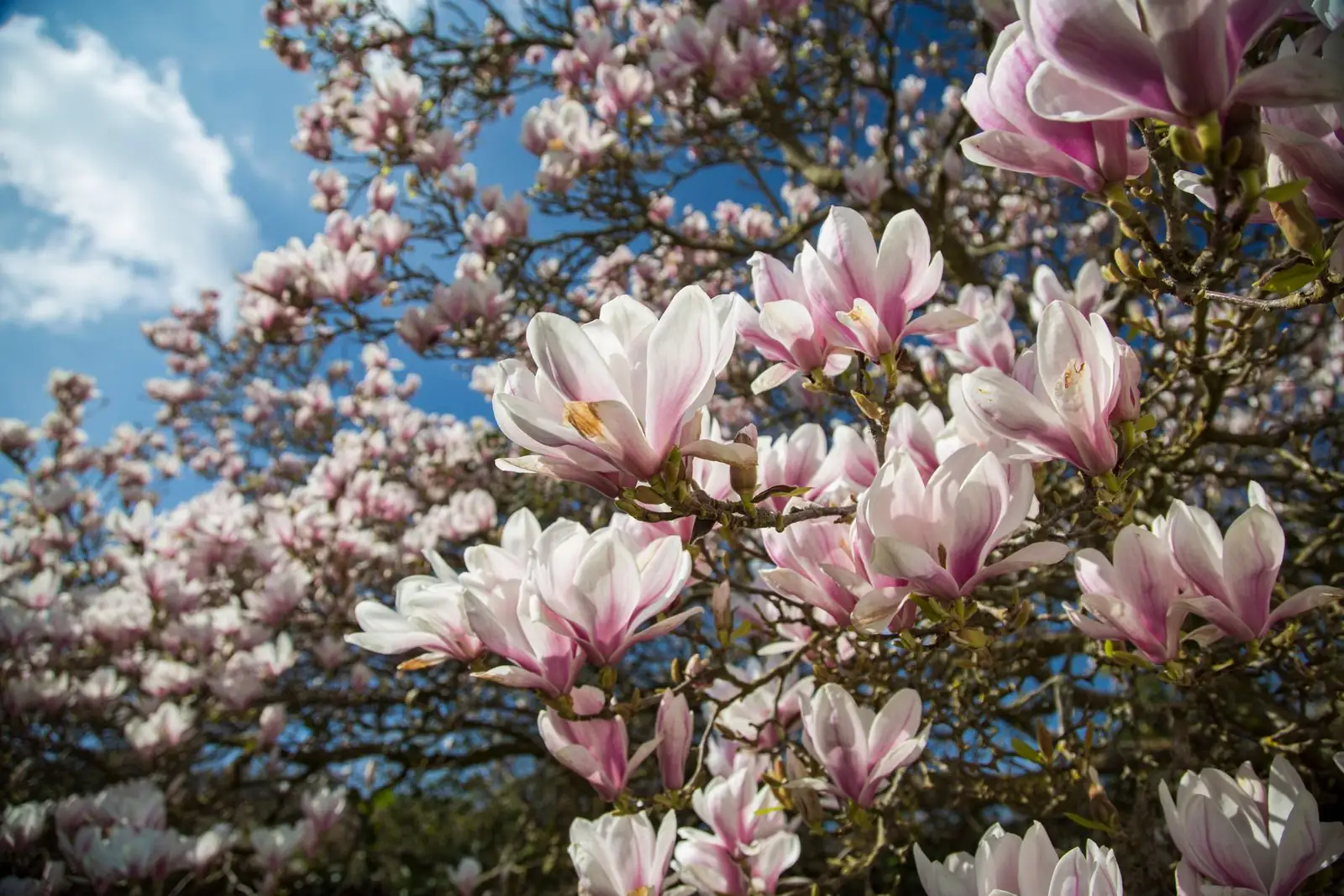
Magnolias are the timeless beauties of the botanical world, admired for their stunning flowers and rich history. These graceful trees and shrubs, with a lineage dating back around 100 million years, bring elegance and charm to any garden. But to truly make your magnolia stand out, consider pairing it with the right companion plants. By selecting plants that complement the magnolia’s aesthetic and thrive in similar conditions, you can create a harmonious and visually captivating garden environment.
Creating a Perfect Garden Symphony
Imagine your garden as an orchestra where the magnolia is the soloist, its blooms the crescendo of the performance. To make this performance truly spectacular, you need the right ensemble of companion plants.
Understanding Magnolia Needs
Before diving into companion planting, it’s essential to understand what makes magnolias flourish. These ancient plants prefer full sun to partial shade and thrive in fertile, moist, well-drained soils with a slightly acidic to neutral pH. While they are moderate in their hardiness, it’s crucial to protect them from harsh winds and ensure they have room to grow, as their roots can spread widely.
Choosing the Right Companions
Shrubs and Trees
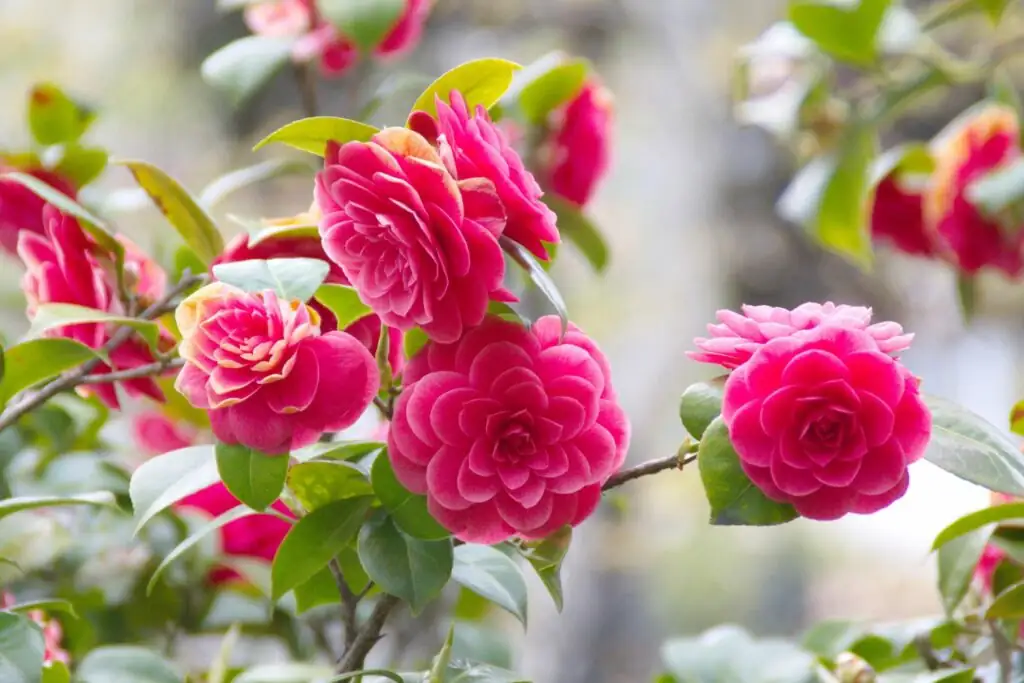
- Camellias: Much like magnolias, camellias offer showy blooms in shades of white, pink, and red. They thrive in light shade and can echo the magnolia’s grandeur without overshadowing it. Plant them nearby but not directly underneath your magnolia to avoid competing for nutrients.
- Forsythia and Japanese Cherry: These spring bloomers provide a vibrant display that complements the early flowering of deciduous magnolias. Forsythia, with its bright yellow flowers, and Japanese Cherry, with its delicate pink blossoms, create a striking visual contrast.
- Viburnum and Dogwoods: Viburnum offers clusters of flowers followed by colorful berries, while dogwoods are known for their spring blossoms and attractive bark. Both provide multi-season interest and pair well with magnolias.
Bulbs and Perennials
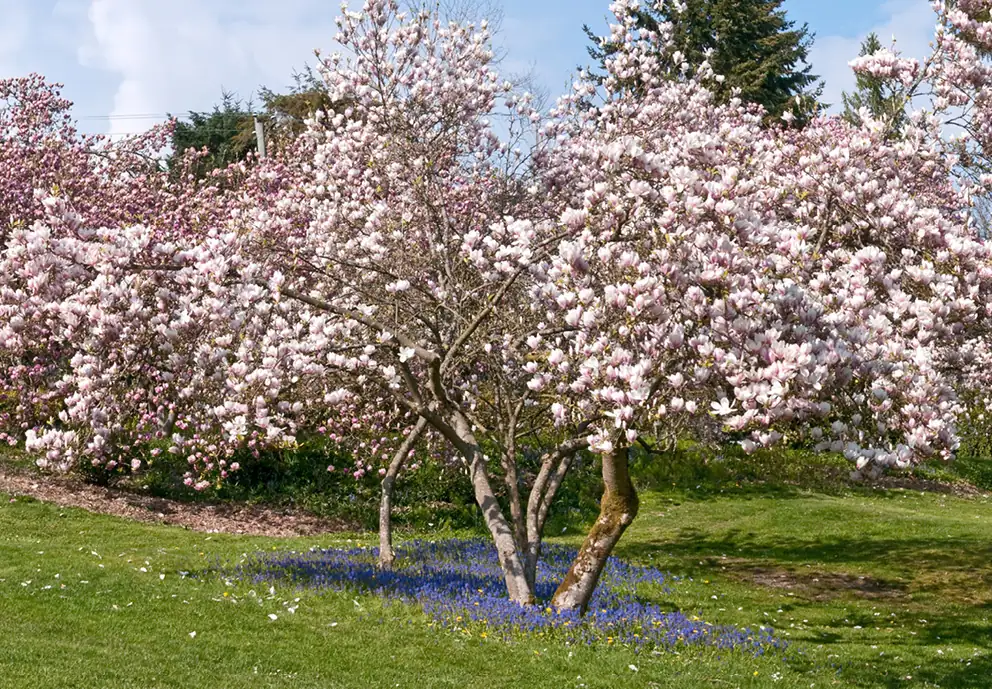
- Daffodils and Dwarf Irises: These bulbs bloom early and can be planted at the edge of the magnolia’s canopy. Their bright colors herald the arrival of spring, complementing the magnolia’s dramatic blooms.
- Hostas and Ferns: Perfect for the shaded understory, these plants thrive beneath the wide canopy of magnolias. Hostas offer lush, variegated foliage, while ferns add a delicate texture.
- Anemones and Sweet Flag: Anemones, or windflowers, bloom from spring through fall, adding consistent color. Sweet Flag is a grass-like perennial that provides texture without overwhelming the scene.
Harmonizing Growth Conditions
When selecting companion plants, ensure they share similar needs with your magnolia. Acid-loving plants like rhododendrons, azaleas, and hydrangeas can be great choices, provided they won’t overshadow the magnolia’s form. Remember, it’s vital to respect the magnolia’s shallow roots—avoid aggressive plants that might compete for resources.
The Art of Placement
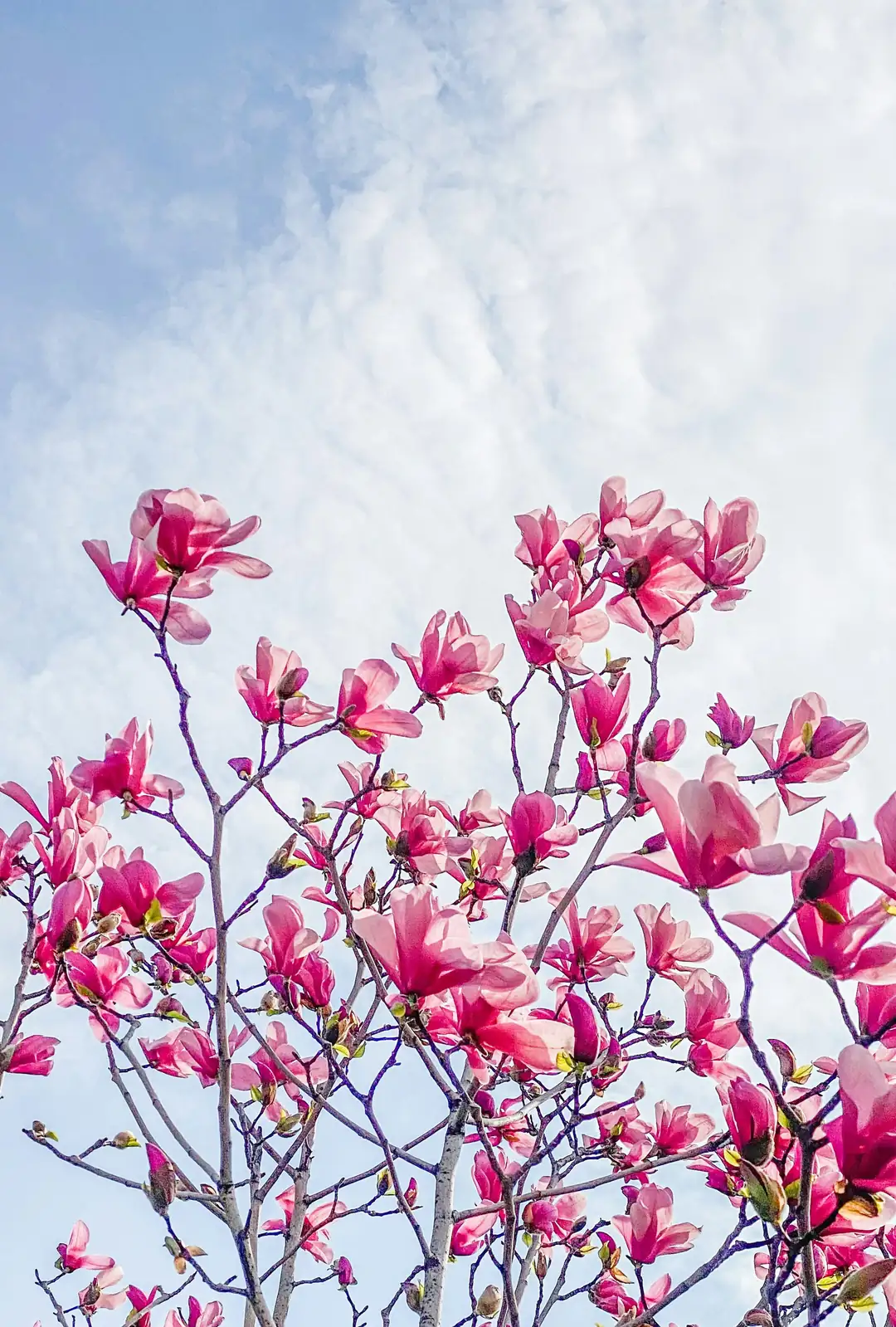
Placement is crucial in companion planting. For deciduous magnolias, which bloom before leaf-out, choose early spring-flowering companions that can bask in the filtered sunlight. For evergreen varieties, opt for shade-tolerant companions that can flourish beneath the dense canopy.
Caring for Your Garden Ensemble
Once planted, regular maintenance will keep your garden thriving. Ensure consistent moisture, avoid overwatering, and maintain proper drainage. A light layer of mulch can help retain soil moisture and keep roots cool.
Unveiling the Magnolia’s Symbolism
Magnolias are steeped in symbolism. In Chinese culture, they represent feminine sweetness and enduring love, while in the American South, they embody hospitality and elegance. Understanding these meanings can add a layer of depth to your garden, transforming it into a narrative of beauty and tradition.
By thoughtfully selecting companion plants, you can enhance the natural beauty of your magnolias, creating a garden that is not only visually stunning but also a reflection of harmony and grace. Whether you are drawn to the vibrant colors of spring bulbs or the serene greens of shade-loving perennials, your garden can become a symphony of nature’s finest elements—a masterpiece of botanical artistry.


