Discover the Quirkiest Facts About Magnolias
The world of magnolias is a delightful blend of history, elegance, and quirky biology that has charmed humans for centuries. These botanical treasures are more than just springtime showstoppers; they are living fossils that have witnessed the rise and fall of dinosaurs, and they continue to thrive today in gardens across the globe. Let’s delve into the fascinating world of magnolias, where ancient lineage meets modern beauty.
A Living Piece of History
Imagine a world where dinosaurs roamed and flowering plants were just beginning to emerge. This was the world when magnolias first appeared, around 100 million years ago. Unlike many of their floral counterparts, magnolias have maintained a connection to their prehistoric past. They are among the oldest known flowering plants, a testament to their resilience and adaptability.
Beetles: The Unsung Heroes of Magnolia Pollination
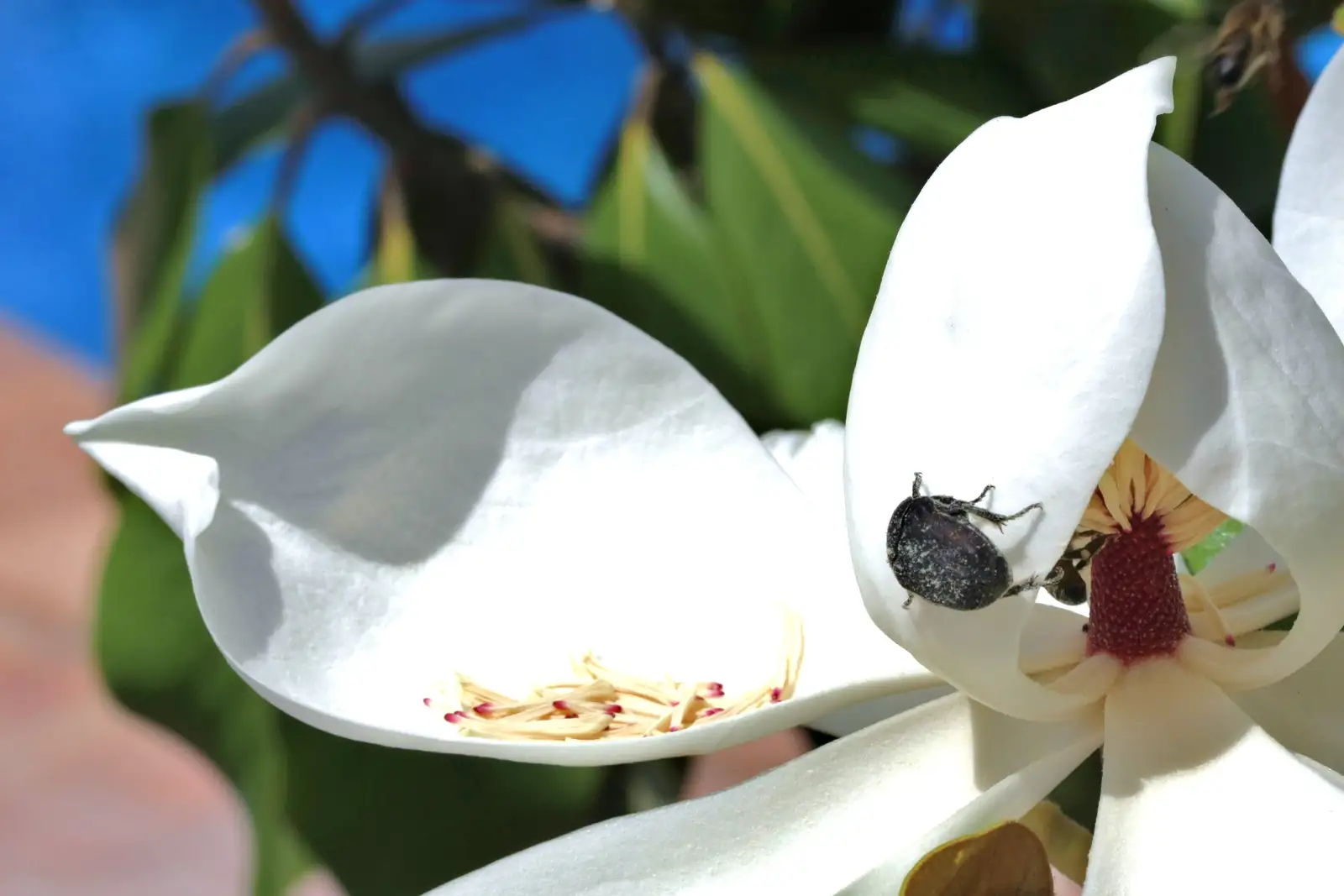
While most flowers today rely on bees and butterflies for pollination, magnolias have a unique partnership with beetles. This is because magnolias predate bees, evolving before these buzzing insects were around to assist in their floral endeavors. Thanks to their thick, leathery tepals, magnolia flowers can withstand the robust attention of beetles, which feast on their pollen rather than nectar. It’s a quirky yet effective strategy that has served them well for millennia.
Colors and Blooms That Speak Volumes
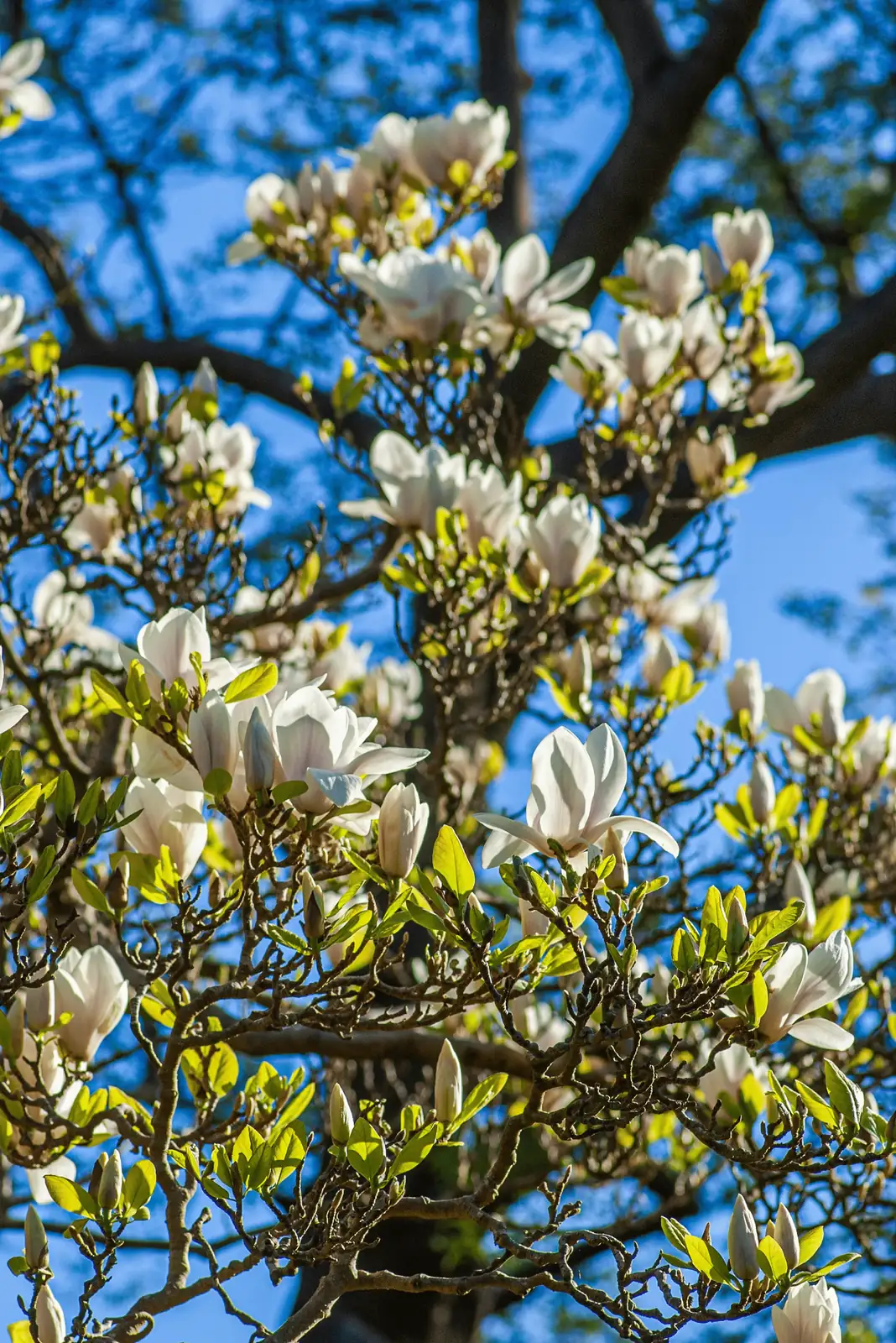
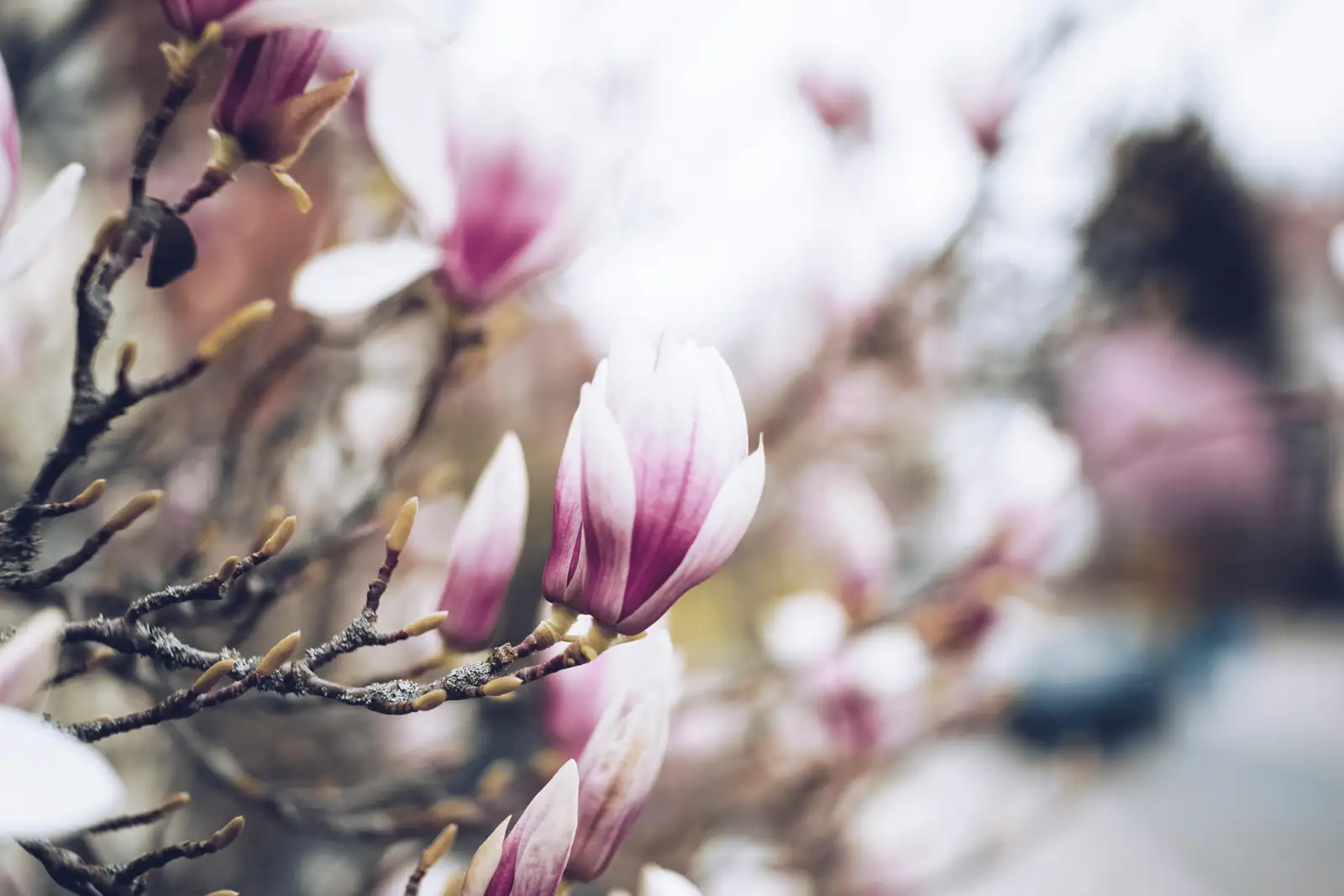
Magnolias are a florist’s dream with their large, fragrant blooms that come in a palette ranging from pristine white and creamy yellow to soft pink and regal purple. But did you know these colors also carry symbolic meanings? In the Victorian “language of flowers,” white magnolias symbolize purity and eternal love, pink represents fondness, and purple signifies passion.
The Majestic Magnolia: A Southern Emblem
Magnolias hold a special place in American culture, particularly in the South. The Southern Magnolia, or Magnolia grandiflora, with its glossy leaves and grand, creamy blooms, is the state flower of both Mississippi and Louisiana. These magnolias are not just beautiful; they are symbols of hospitality, elegance, and the timeless charm of the Southern landscape.
From Garden Showpieces to Culinary Delights
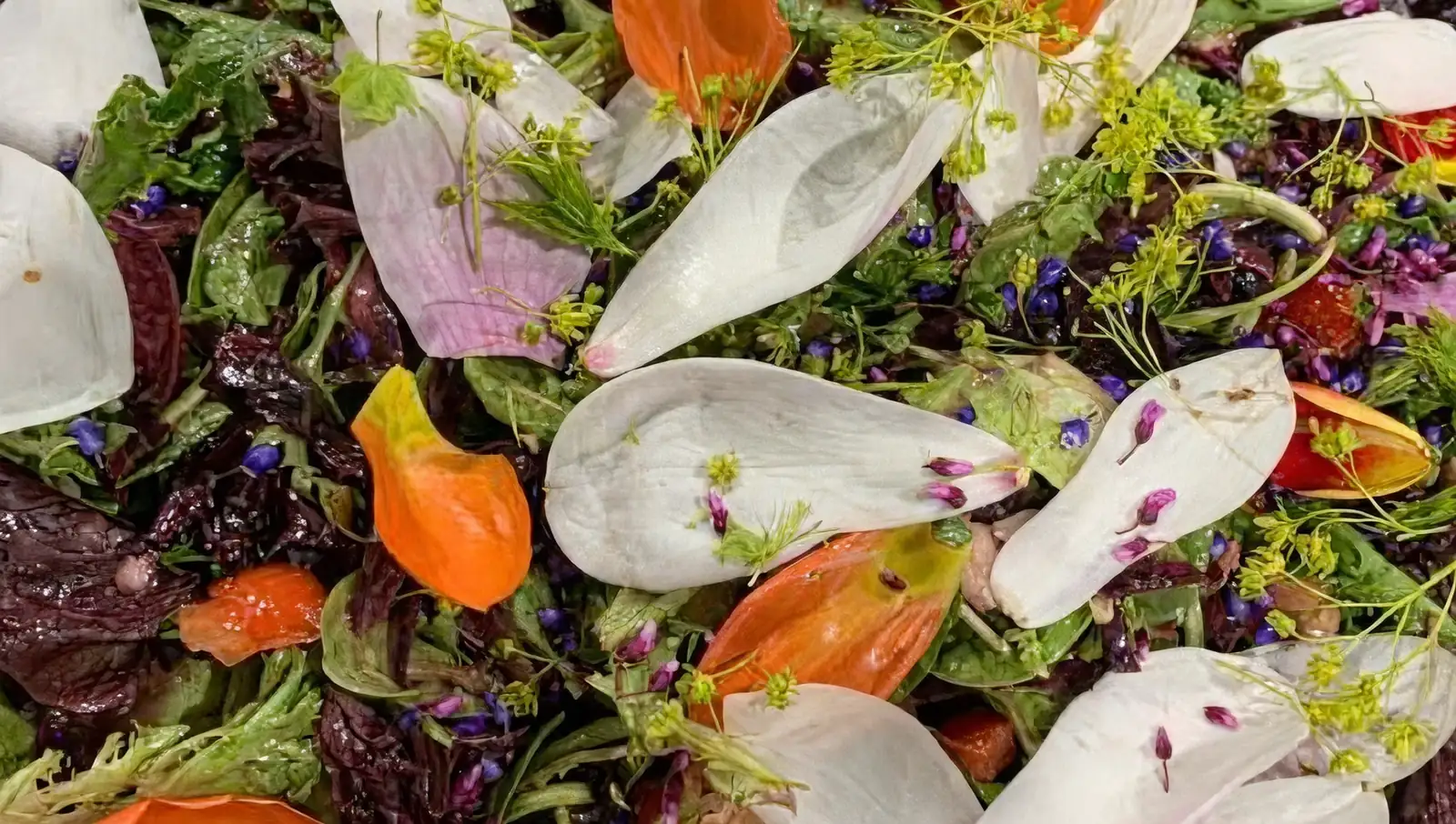
Magnolias are not only admired for their beauty but also valued in culinary and traditional medicine circles. Some magnolia flowers are edible, their petals offering a unique ginger-cardamom flavor. Imagine adding a sprinkle of these exotic petals to your salad for a delightful twist! In traditional medicine, magnolia bark and flower buds have been used for their purported anti-inflammatory properties, showcasing the plant’s versatility beyond ornamental use.
Growing Your Own Piece of History
Planting a magnolia is like planting a piece of history in your backyard. These trees thrive in rich, well-drained soils with plenty of sunlight. Whether you choose a compact shrub or a towering tree, magnolias can transform your garden with their graceful form and stunning blooms. Remember, they prefer consistent moisture, so water them wisely, especially during dry spells.
Fun Magnolia Facts to Share
- State Flower: Magnolia is the state flower of Mississippi and Louisiana.
- Longevity: Some magnolia trees can live for over a century, standing as silent witnesses to the passage of time.
- Diverse Species: With over 340 species, magnolias offer a wide range of shapes and sizes to suit any garden.
- Historic Trees: The oldest trees on the White House grounds are Southern Magnolias, planted by President Andrew Jackson in memory of his wife.
Conclusion
Magnolias are more than just plants; they are storytellers from a bygone era, captivating us with their beauty and resilience. Whether you’re a gardener, a history enthusiast, or someone who simply loves the elegance of these trees, magnolias offer a unique connection to both the past and the present. So next time you see a magnolia in bloom, take a moment to appreciate the quirky facts and timeless charm these amazing plants bring to our world.