

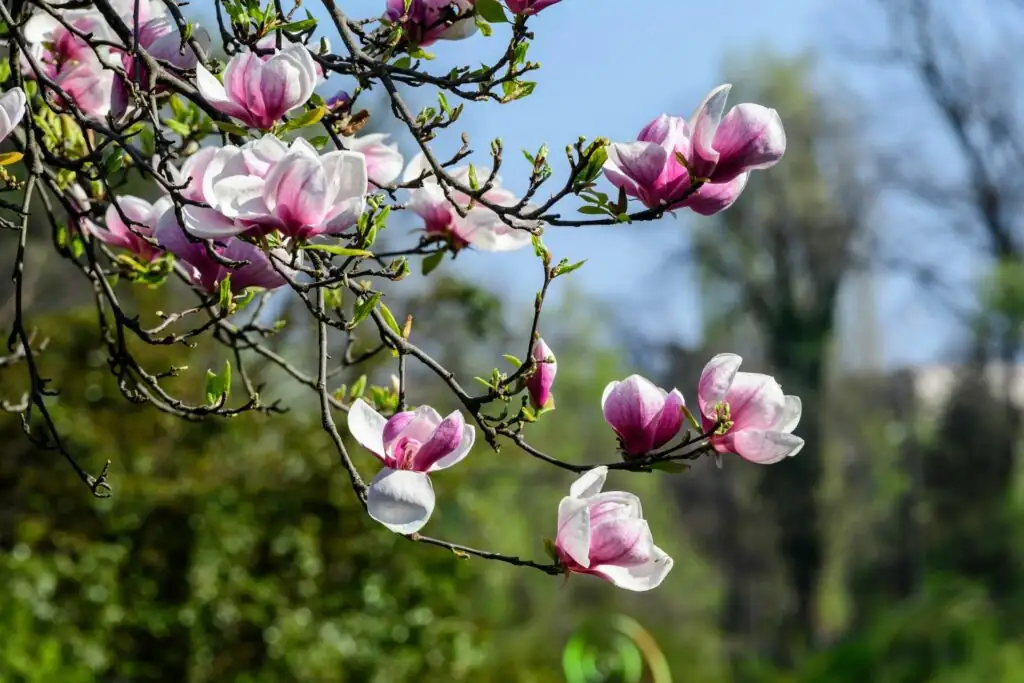
Magnolias are like nature’s own fireworks, bursting with color and fragrance in gardens worldwide. These ancient beauties, which have graced the Earth for roughly 100 million years, are as captivating as they are storied. Whether you’re a seasoned gardener or a budding enthusiast, understanding how to care for magnolias can help you ensure these majestic trees and shrubs flourish and fill your landscape with vibrant blooms. Let’s explore the essential care techniques for magnolias, so you can enjoy their showy flowers and sophisticated charm year after year.
Magnolias in the Spotlight
Before diving into care tips, it’s worth appreciating the diverse world of magnolias. With over 340 species, they range from compact shrubs to towering trees. Their blooms, often seen in elegant hues of white, pink, purple, and yellow, are not just a feast for the eyes but also for the nose, with many varieties offering a delightful fragrance. Whether you know them as the Lily Tree, Saucer Magnolia, or Tulip Tree, these plants are quintessential symbols of springtime beauty.
Light and Location
One of the first steps to successful magnolia cultivation is choosing the right spot. Most magnolias thrive in full sun to partial shade. The brighter the light, the more prolific the flowering, but it’s crucial to shield them from harsh winds to protect their delicate blooms and buds. Think of magnolias as high-maintenance celebrities—they love the spotlight but need a bit of shelter from life’s storms.
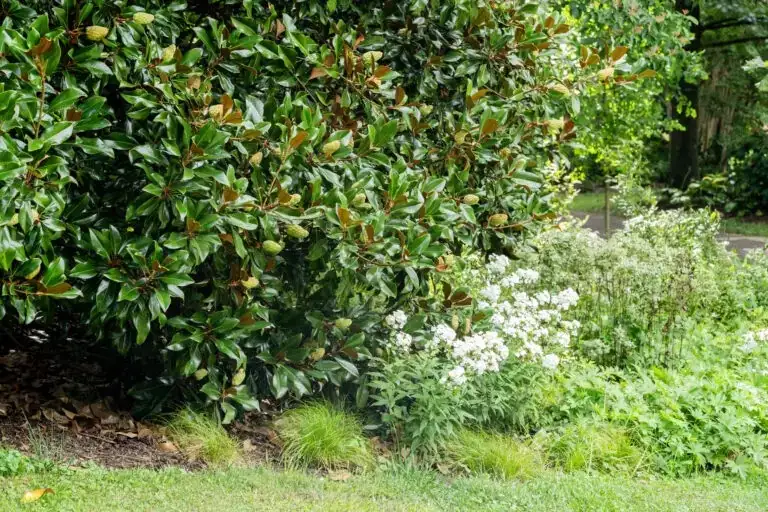
Planting Pointers
- Timing: Plant evergreen magnolias in early spring and deciduous varieties in the fall if you’re in the South, or in the spring if you’re in the North.
- Space: Ensure there’s plenty of room for growth, as magnolia roots are wide and shallow. Avoid planting too close to buildings or other structures.
- Protection: In regions prone to late frosts, consider later-blooming varieties or use breathable fabric covers on chilly nights.
Watering Wisdom
Magnolias are not particularly thirsty, but they do appreciate consistent moisture. During their first couple of years, water deeply about once a week, adjusting for heat and rainfall. Mature plants are more drought-tolerant but still prefer their roots to stay cool and slightly moist.
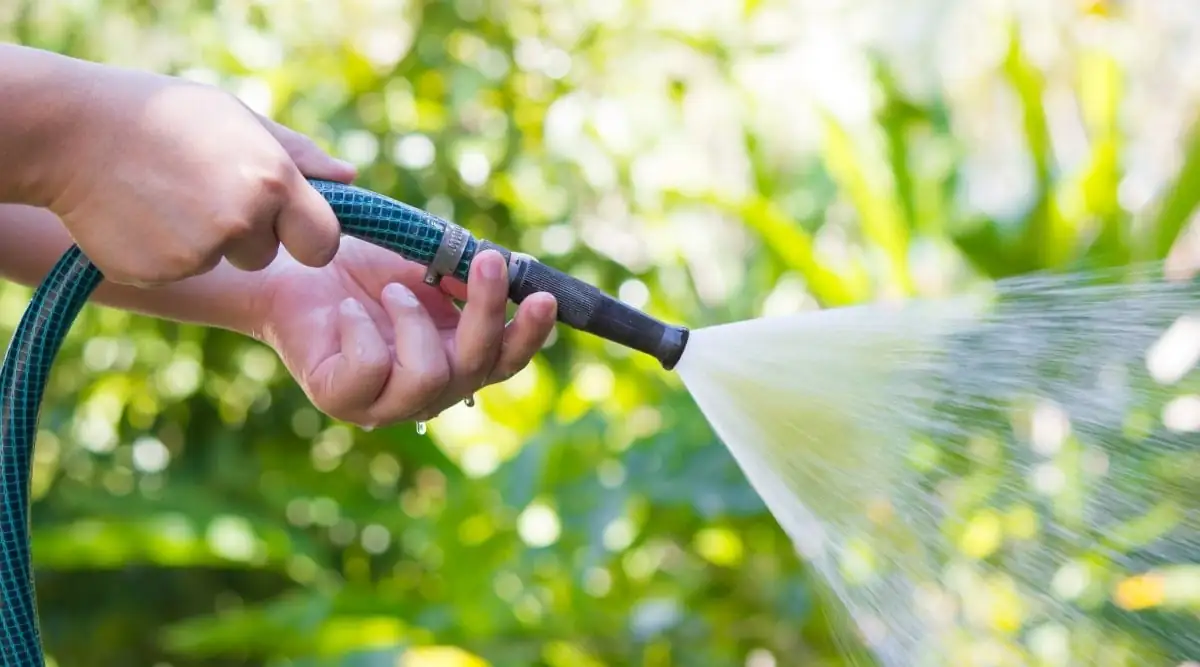
Tips for Hydration
- Mulching: Apply a wide mulch ring, keeping it away from the trunk, to conserve moisture and regulate soil temperature.
- Avoid Overwatering: Ensure soil is well-drained to prevent root rot—magnolias despise soggy feet!
Fertilization and Feeding
While magnolias are light feeders, a little nourishment goes a long way, especially for young plants. Use a slow-release balanced fertilizer in early spring. However, mature magnolias often need little more than an annual top-dress of compost.
Fertilizer Finesse
- Avoid Heavy Nitrogen: Too much can lead to lush foliage at the expense of flowers.
- Gentle Feeding: For bloom performance, a light feeding in spring and possibly a second after flowering is beneficial.
Pruning Practices
Pruning magnolias requires a delicate touch. These plants don’t appreciate heavy cutting and can be slow to heal. The best time to prune deciduous magnolias is right after flowering through mid-summer, while evergreen types are best pruned from late spring to mid-summer.
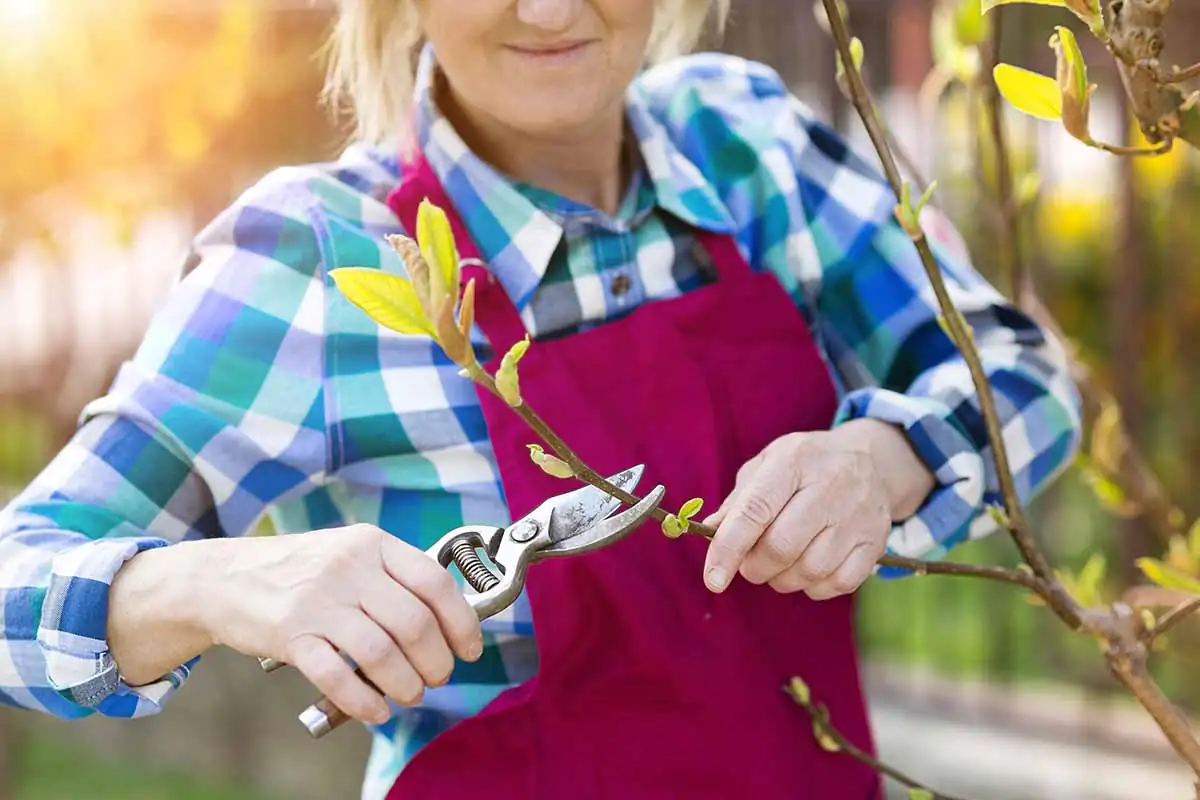
Pruning Priorities
- Focus: Remove dead, damaged, or crossing branches.
- Timing: Avoid late winter/early spring pruning due to sap flow, and late fall pruning to prevent frost damage.
Seasonal Care Calendar
Magnolias have their own rhythm through the seasons, and aligning your care with their natural cycle can enhance their beauty.
- Spring: Plant, water regularly, and apply light fertilizer or compost. Protect buds from late frosts.
- Summer: Maintain moisture with mulch, water during dry spells, and prune if necessary.
- Fall: Refresh mulch, plant in mild climates, and keep soil lightly moist.
- Winter: Reduce watering, especially in cold or wet periods, and protect young plants from severe weather.
Troubleshooting Magnolias
Despite your best efforts, magnolias might face challenges. Common issues include pests like magnolia scale and diseases such as leaf spot or powdery mildew. Proper siting, regular care, and prompt treatment can keep these problems in check.
Common Concerns
- Flower Buds Turning Brown: Often due to late spring frost. Consider planting later-blooming varieties or cover them on freezing nights.
- Few Flowers: Could be due to insufficient sunlight, over-fertilization, or improper pruning.
Magnolia Symbolism: More Than Just a Pretty Face
Magnolias are more than ornamental showpieces; they carry deep symbolic meanings. In Chinese culture, they represent feminine sweetness and enduring love, while in the American South, they embody hospitality and charm. Their colors convey various sentiments—white for purity, pink for fondness, and purple for passion.
With a touch of history, a sprinkle of care, and a dash of patience, your magnolias can be the crowning glory of your garden. So, roll up your sleeves and let these ancient wonders work their magic in your outdoor haven!


