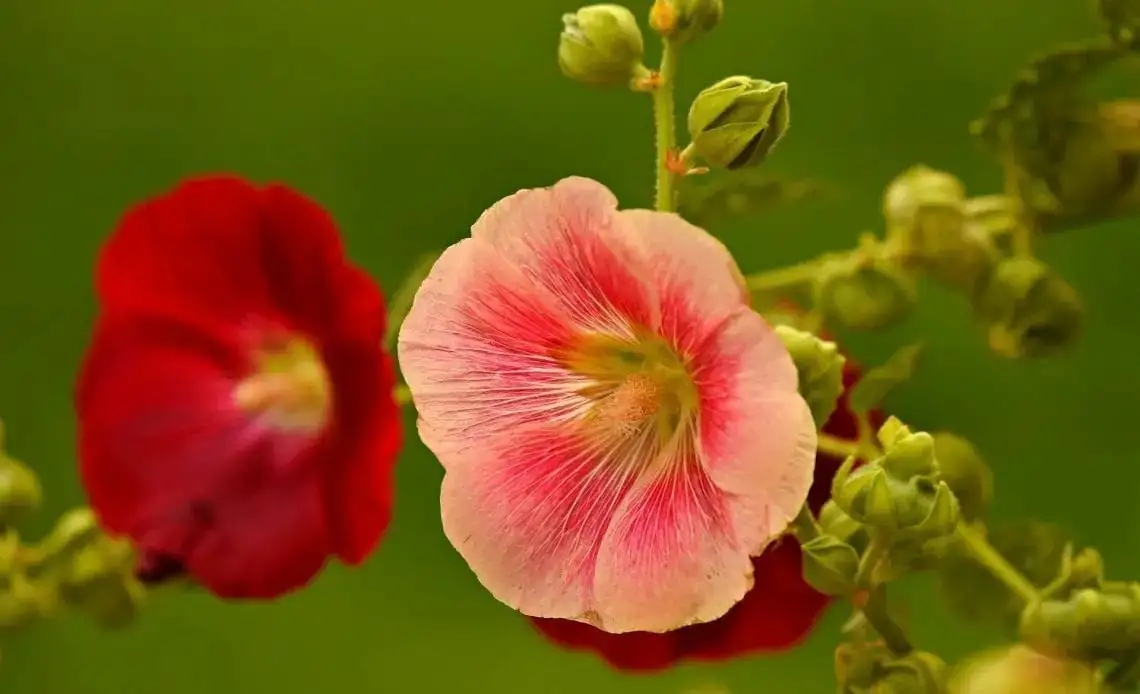
From the sun-drenched landscapes of Asia to the charming corners of European cottage gardens, Alcea rosea, better known as the hollyhock, has journeyed through history with a flair that is both poetic and practical. This towering beauty, with its vibrant spires of color, is more than just a pretty face in the garden—it’s a plant with a past as rich and varied as its hues.
An Asian Odyssey: The Origins of the Hollyhock
Picture this: ancient traders winding their way along the Silk Road, their camels laden with silks, spices, and seeds. Among these treasures were the seeds of the hollyhock, native to Asia, particularly southwestern China. For centuries, this plant captured the imagination of those who encountered it. In China, it wasn’t just its aesthetic appeal that was valued; its medicinal properties were highly regarded, used by herbalists to create soothing preparations.
Fast forward to ancient Greece and Rome, where hollyhocks found a place in ornamental gardens. The Greeks and Romans appreciated their beauty and even associated them with fertility and abundance—a theme that would echo through time.
The European Embrace: Hollyhocks in Medieval and Victorian Gardens
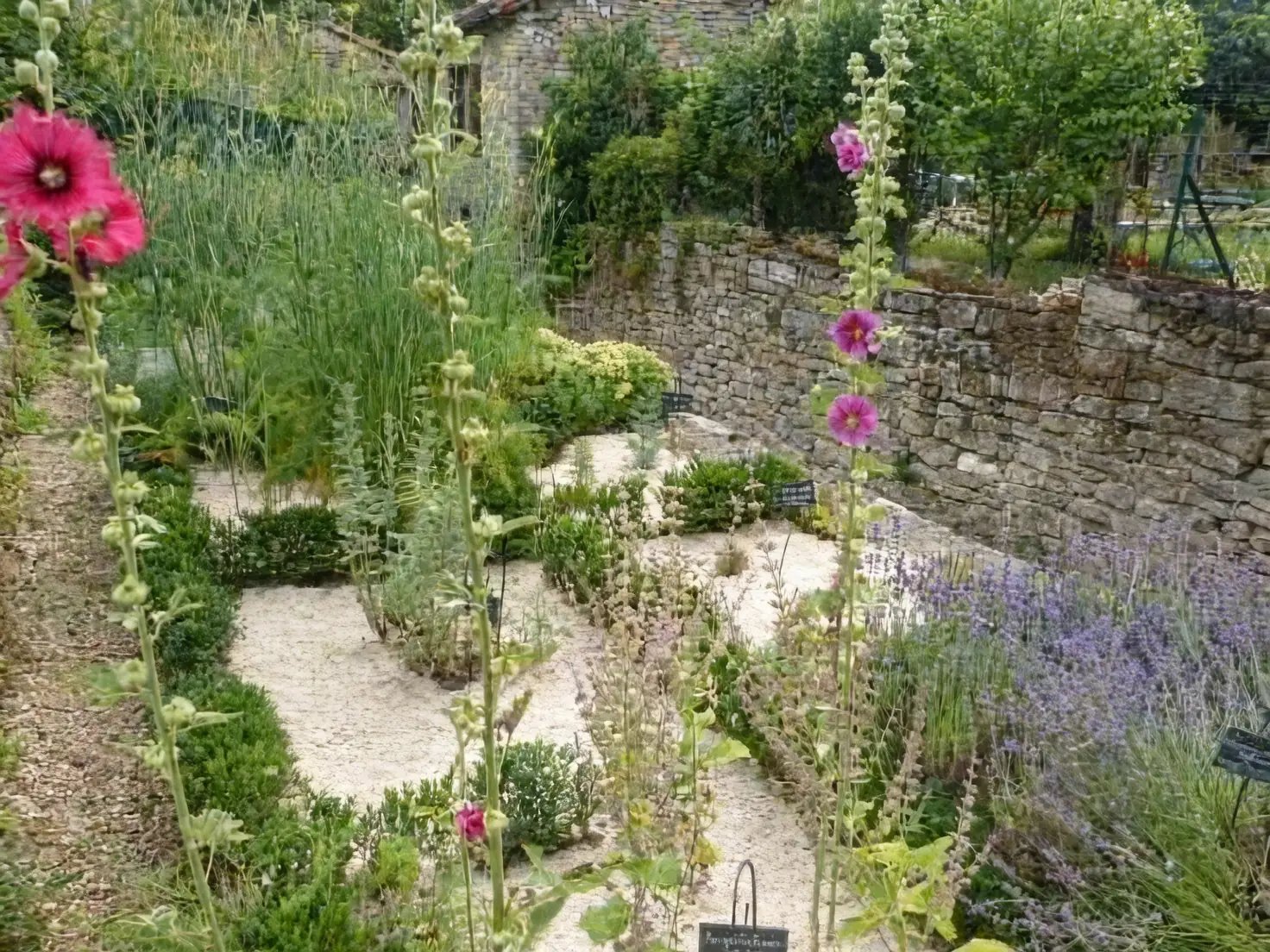
As the hollyhock continued its westward journey, it garnered a reputation that stretched beyond its origins. By the late medieval period, it had established itself in European gardens, thanks in part to those traversing the Crusades. A charming legend suggests that Crusaders brought hollyhock seeds back from the Holy Land, using the plant’s leaves to create salves for their horses’ hocks—hence the name “hollyhock.”
By the Victorian era, hollyhocks had become synonymous with the quintessential cottage garden. They were the “back of the border” stars, their lofty heights providing a natural screen for utilitarian areas like outhouses, earning them the nickname “outhouse flower.” In the Victorian language of flowers, hollyhocks symbolized ambition, fertility, and the cycle of life—a silent testament to the household’s prosperity when planted near the front door.
A Plant of Many Talents: Uses and Symbolism
Hollyhocks are not just ornamental showpieces. They are a beacon for pollinators like bees and butterflies, painting the garden with a living tapestry of movement and color. Their edible petals add a flourish to salads, while traditional uses extend to soothing remedies for respiratory comfort.
Culturally, the hollyhock has inspired art and literature, with its symbolism deeply rooted in the ideals of hope and abundance. In ancient Egypt, it was part of rituals of life and death, while in Chinese culture, it represented nobility and elegance.
Caring for Your Hollyhocks: A Gardener’s Guide
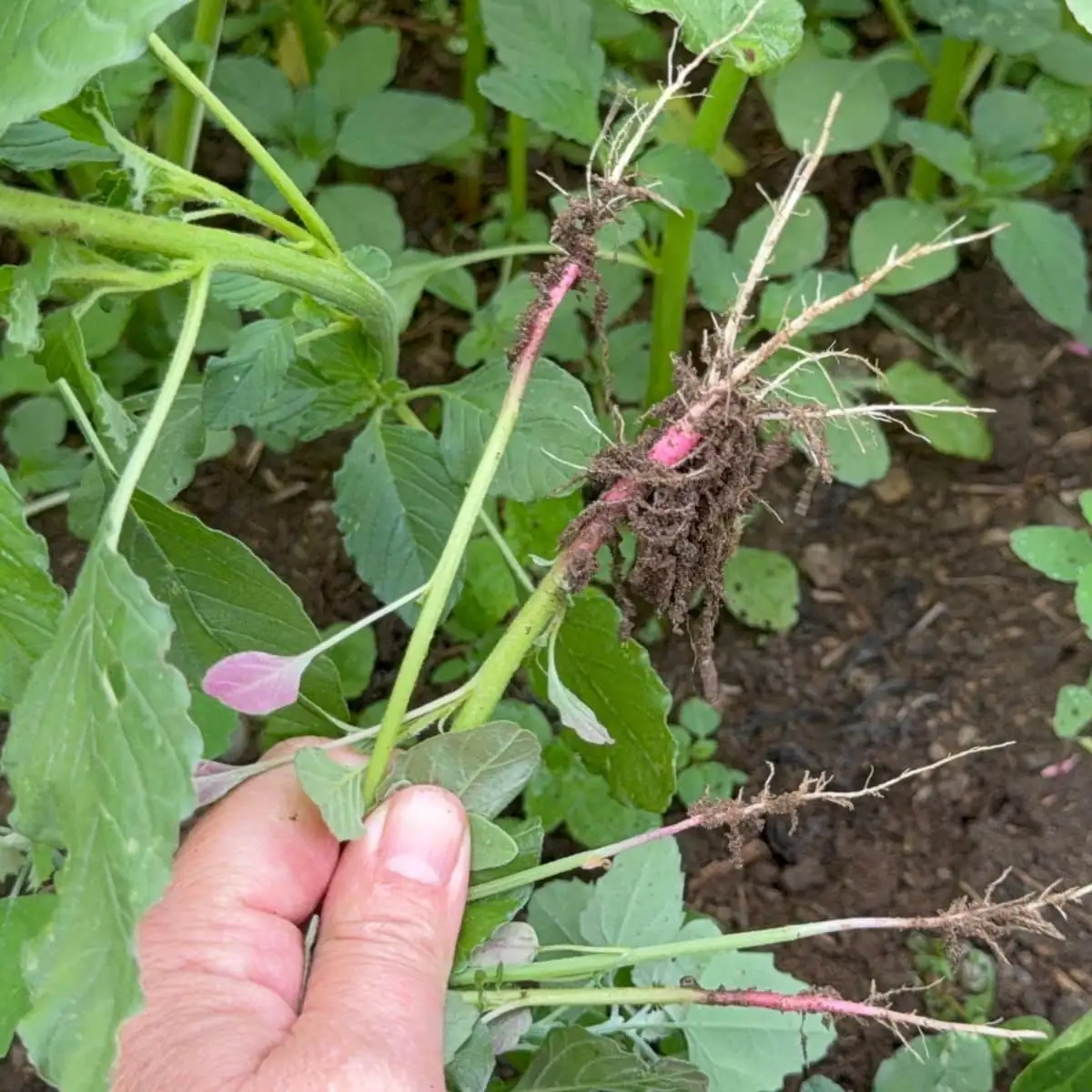
Growing hollyhocks is akin to embracing a piece of garden history. These plants thrive best in full sun and well-draining, nutrient-rich soil. They typically present their leafy rosettes in the first year, with the dramatic flower spikes making their grand appearance in the second. While generally easy to cultivate, hollyhocks do require some attention to prevent rust—a common ailment marked by yellow/orange spots on leaves. Ensuring good air circulation and proper watering techniques can mitigate this issue.
For those in colder climates, winter protection is key. A layer of mulch helps safeguard the plants against the harsh freeze-thaw cycles.
Conclusion: A Timeless Garden Companion
In the narrative of garden history, hollyhocks stand tall, not just physically but symbolically, weaving their story through the tapestry of human culture. They are a testament to the enduring appeal of nature’s beauty and resilience—a timeless companion for any garden, echoing the dreams and ambitions of those who plant them.
So next time you spot a hollyhock standing sentinel in a garden, remember its storied past and the journey it has taken through centuries. Perhaps, in its blooms, you too might find a whisper of ambition, a hint of hope, and a touch of the timeless.