Discover the Enchantment of Wisteria sinensis: Nature’s Quirky Climber
If you’ve ever wandered through a garden where the air is perfumed with sweet, intoxicating fragrance and the sight of cascading violet blooms takes your breath away, chances are you’ve encountered the magnificent Wisteria sinensis. A true marvel of nature, this flowering vine doesn’t just drape gardens in beauty—it invites you to delve into its fascinating quirks and tales.
A Climber with Character
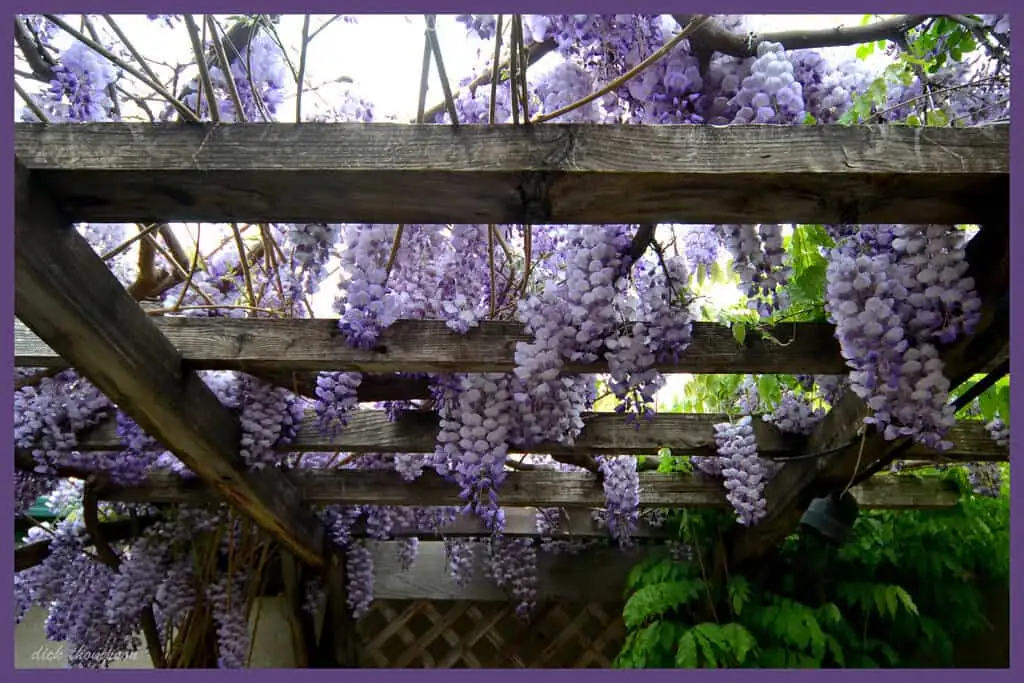
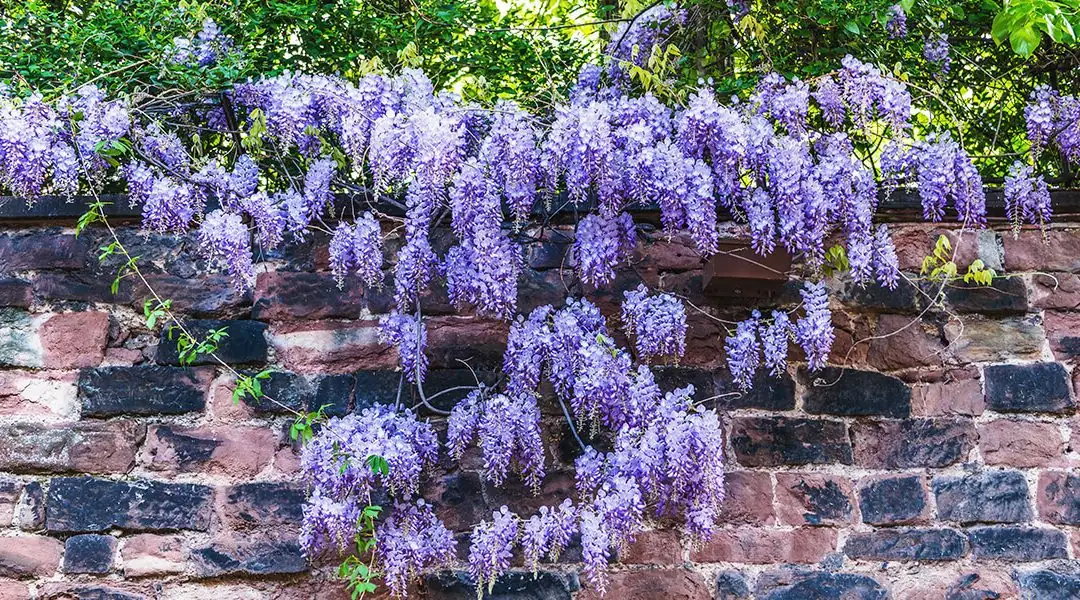
Forget about delicate vines struggling to cling to a trellis. Wisteria sinensis is a powerhouse, a botanical version of a gymnastic artist. This vigorous twining vine wraps itself in a counterclockwise embrace around anything sturdy enough to hold it—be it an arbor, pergola, or fence. As it matures, don’t be surprised to find it developing thick, woody stems that resemble tree trunks. It’s as if the vine aspires to become an arboreal giant in its own right!
The Longevity Legend
With proper care and the right conditions, Wisteria sinensis can live for over a century. It’s not just a plant; it’s a legacy. Imagine planting a vine that could blossom for your great-grandchildren, each spring unfurling a new chapter of family gatherings beneath its fragrant canopy. Its longevity is a testament to its resilience and the sheer endurance of nature’s creations.
A Symphony of Color and Fragrance
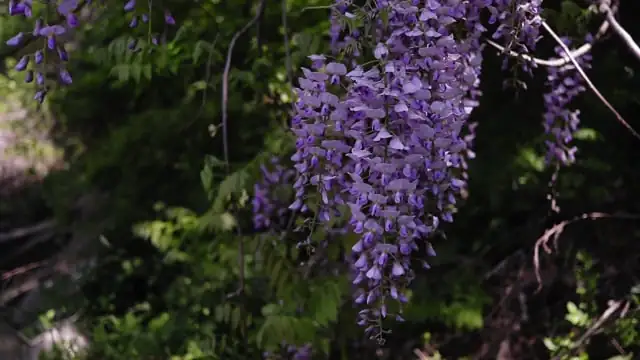
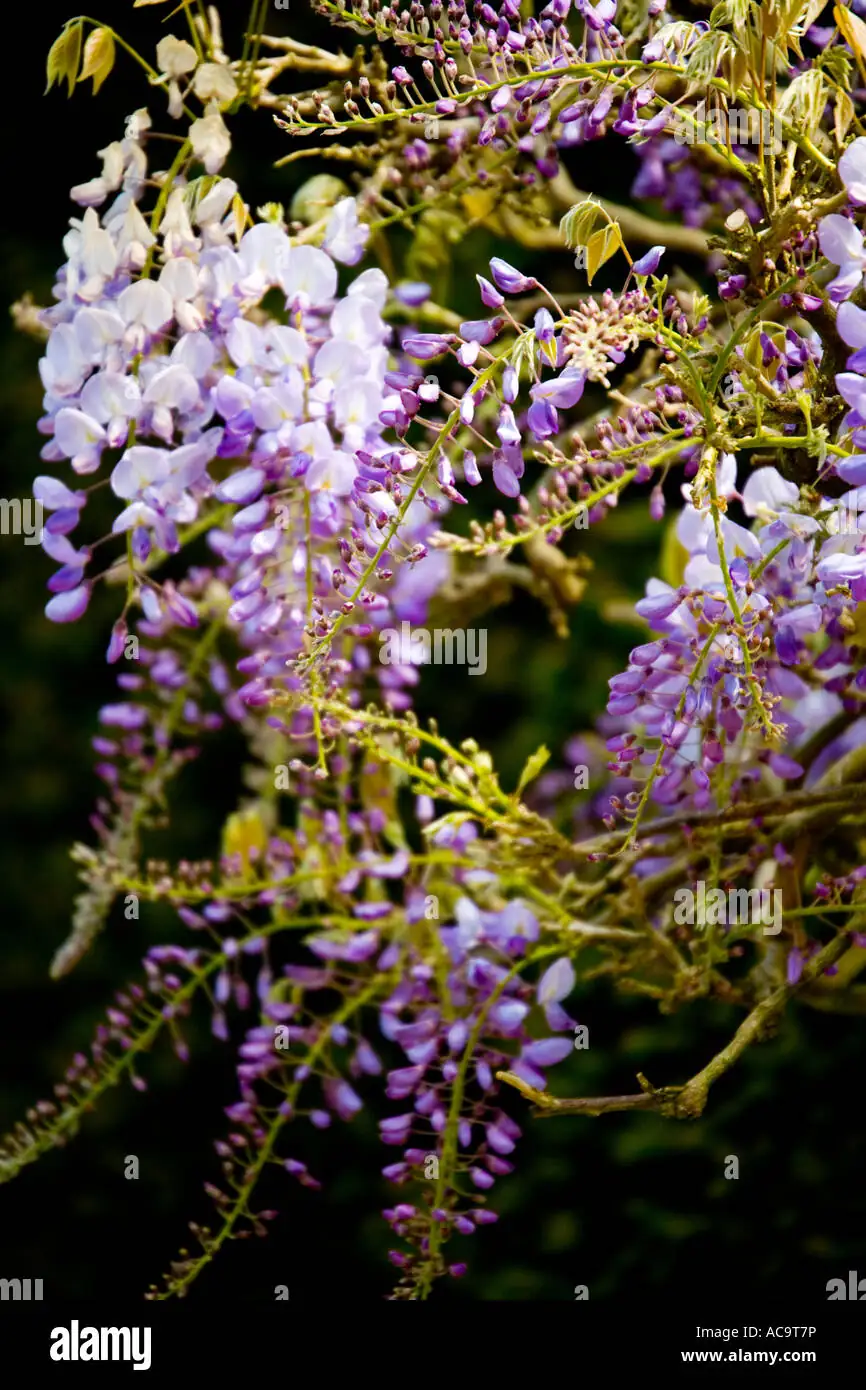
When Wisteria sinensis blooms in late April to early May, it steals the show with its long, dangling clusters of pea-family flowers. These racemes, measuring 30 to 45 cm, are a flurry of butterfly-shaped blooms in shades of bluish-purple, pink, or white. Their fragrance is akin to a sweet grape scent—a scent that lingers long after the last petal has fallen.
Not Just a Pretty Face
This vine is a member of the Fabaceae family, known for its ability to fix nitrogen in the soil—a trait it shares with peas and beans. This not only supports its own lush growth but also enriches the surrounding soil, making it a valuable addition to any garden ecosystem.
The Art of Patience and Pruning
Growing Wisteria sinensis is an exercise in patience and precision. Young vines need consistent watering to establish a deep root system, and twice-yearly pruning is essential to encourage those breathtaking blooms. It’s a dance between gardener and plant, a choreography of cuts and shaping that results in the grandeur of a well-trained wisteria.
A Cautionary Tale: Beauty with a Bite
While Wisteria sinensis is a feast for the eyes and nose, it comes with a warning label. All parts of the plant, particularly the seeds and pods, are toxic if ingested. This vine is like a charismatic character in a novel—captivating but with a dangerous edge. It’s vital to keep children and pets away from its tempting seed pods.
The Dance of Love and Legends
In the language of flowers, wisteria symbolizes romantic devotion and enduring love. This is fitting, considering the vine’s ability to entwine and cling so tenaciously. In Japanese culture, wisteria viewing is a time-honored spring tradition, akin to cherry blossom festivals, where people gather to admire the blossoms and reflect on the transience of life.
Planting Your Own Legacy
If you’re inspired to add this enchanting vine to your garden, remember to choose a grafted plant for quicker blooms. Provide it with full sun and a sturdy support, and it will reward you with a perennial spectacle each spring. But keep it well away from buildings—its strength and ambition can cause structural damage if left unchecked.
In the world of plants, Wisteria sinensis stands out not just for its beauty but for its stories, quirks, and the rich tapestry of history it weaves. Whether you’re a seasoned gardener or a curious nature lover, this vine invites you to explore the wonders of its world, one bloom at a time.