

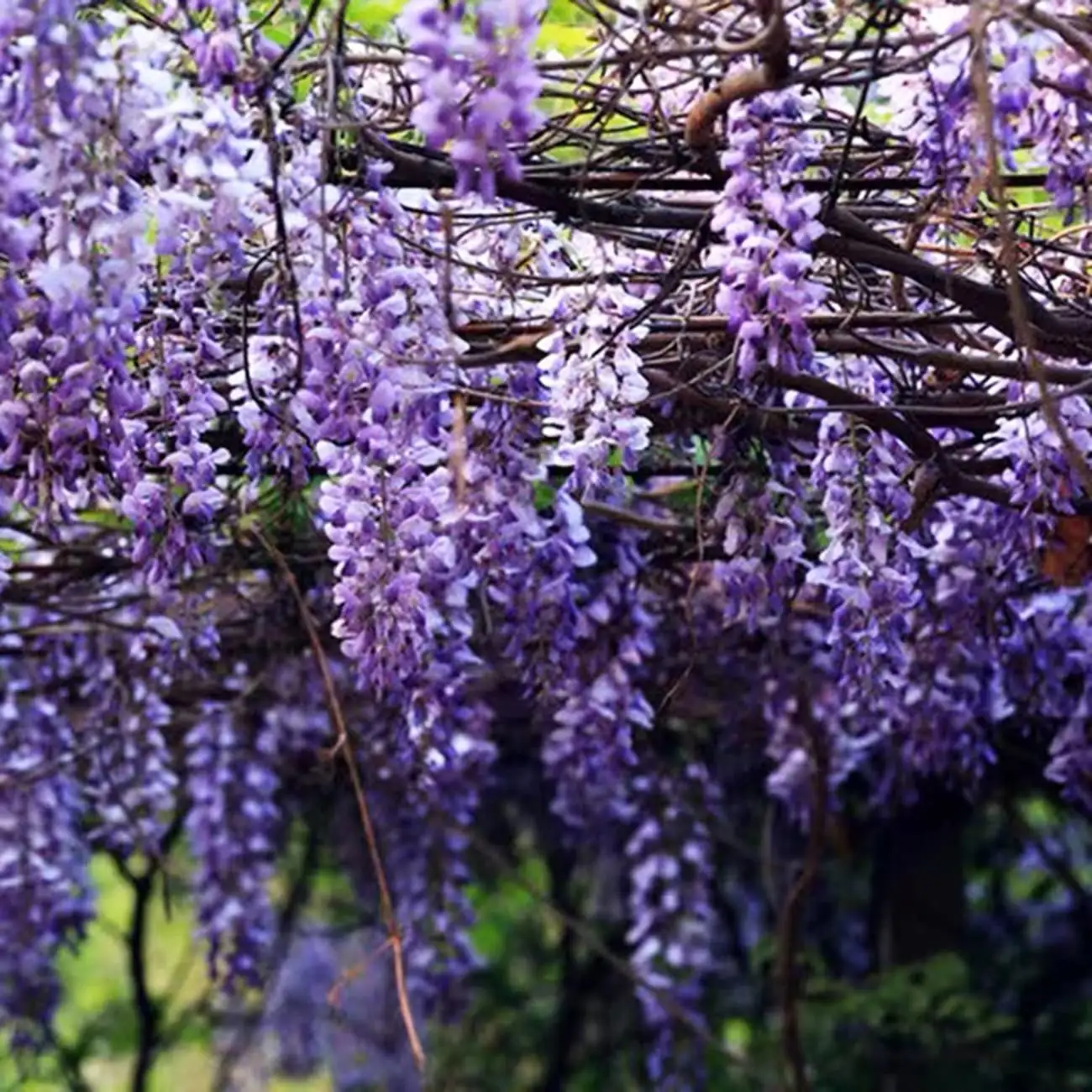
Wisteria sinensis, commonly known as Chinese wisteria, is a botanical wonder that has captivated hearts and adorned gardens for centuries. Imagine a cascading waterfall of fragrant blossoms, an emblem of romance and endurance that has its roots in the ancient gardens of China. Let’s embark on a journey through time to explore the enchanting history and horticultural significance of this remarkable vine.
A Blooming History
From China to the World
Wisteria sinensis is native to China, where it has been cherished for its beauty and fragrance since ancient times. Its presence in Chinese gardens is not just about aesthetics; it’s steeped in cultural symbolism. Often associated with devoted love and enduring bonds, wisteria vines tell stories of star-crossed lovers and timeless unions, much like the vine itself entwines around sturdy supports in an affectionate embrace.
The journey of Wisteria sinensis to the Western world is a tale of botanical adventure. It was in 1816 that John Reeves, the Chief Inspector of Tea at Canton, introduced this botanical marvel to Britain. The plant quickly became a favorite among gardeners, and by 1835, wisteria was a common sight in British gardens, with cuttings being sold at affordable prices.
A Botanical Treasure
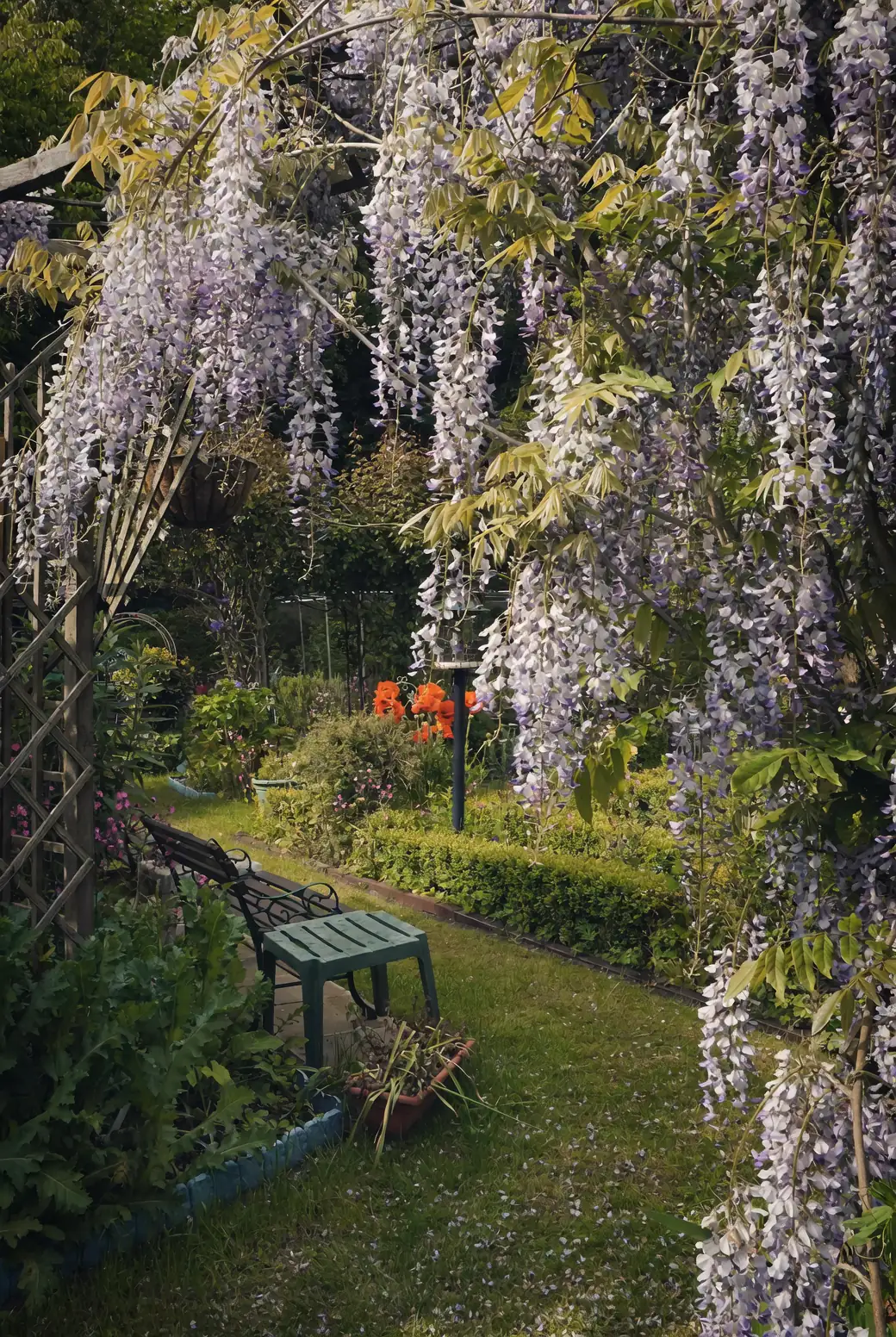
Belonging to the Fabaceae family, Wisteria sinensis is a deciduous vine known for its vigorous growth and longevity. In favorable conditions, it can live for over a century, becoming a family heirloom that passes from one generation to the next. Its robust climbing nature makes it ideal for adorning pergolas, arches, and trellises, transforming ordinary spaces into romantic retreats.
Cultivation and Care
Growing with Grace
To achieve the best flowering display, Wisteria sinensis thrives in full sun, needing at least six hours of direct light daily. While it’s adaptable to various soil types, it prefers fertile, well-drained soil with a slightly acidic to neutral pH. This vine is a hardy companion, flourishing in USDA Zones 5–9, and can endure winter lows of -29°C (-20°F) once established.
Pruning for Perfection
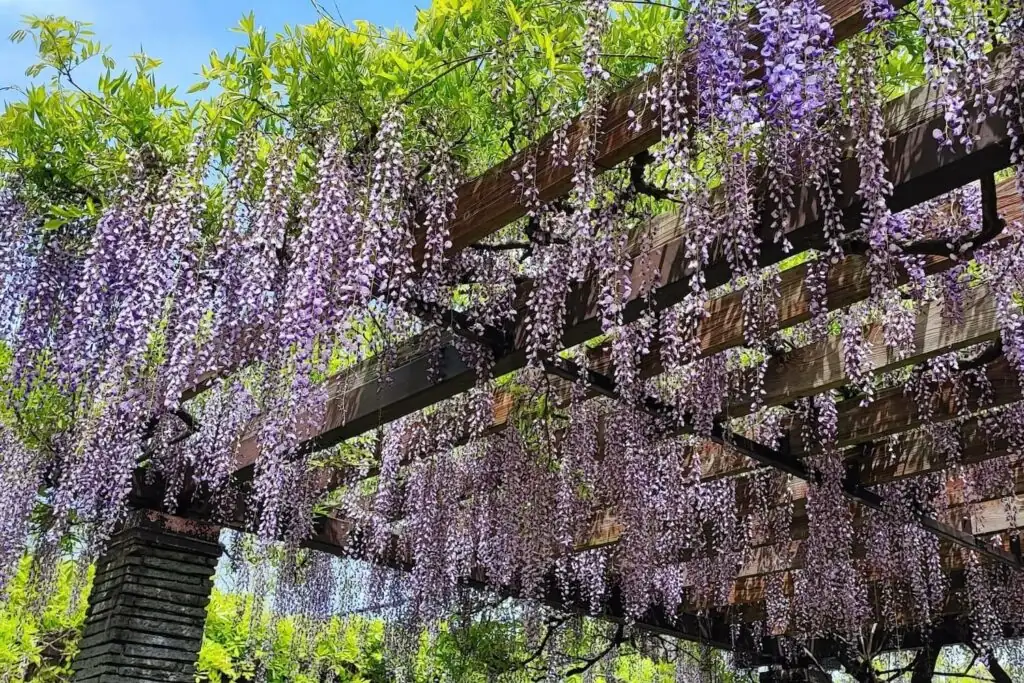
Pruning is both an art and a necessity when it comes to wisteria. To encourage abundant blooms, gardeners must prune in late winter and again after flowering in late spring. This process helps concentrate the plant’s energy on flowering spurs, ensuring a spectacular floral display each spring.
The Wisteria in Modern Gardens
Today, Wisteria sinensis continues to play a significant role in contemporary horticulture. Its dramatic blooms offer vertical interest and can provide cooling shade when grown over arbors and pergolas. However, gardeners must be mindful of its strength, ensuring it is planted away from buildings to prevent damage.
A Word of Caution
While Wisteria sinensis is a feast for the eyes, it is toxic to humans and pets. All parts of the plant contain compounds that can cause nausea and other symptoms if ingested, with seeds and pods being particularly dangerous. Therefore, it’s essential to keep wisteria out of reach of children and animals.
The Language of Flowers
In the Victorian language of flowers, wisteria symbolizes a longing for romance and the beauty of a well-cultivated relationship. Its cascading blooms and sweet fragrance evoke a sense of nostalgia and enchantment, serving as a reminder of the enduring ties that bind us.
Conclusion
Wisteria sinensis is more than just a plant; it is a living testament to the beauty and mystery of nature. From its origins in ancient China to its role in modern gardens, this vine continues to inspire and enchant with its timeless elegance. As you cultivate your wisteria, remember that you are not just growing a plant; you are nurturing a piece of history, a symbol of love and resilience that will flourish for generations to come.


