


When you imagine a garden adorned with Wisteria sinensis, it’s easy to picture a dreamy cascade of bluish-purple blooms, their fragrance mingling with the spring air. This climber is the embodiment of romance and timeless beauty, often draping its delicate floral waterfalls over pergolas and arches. Yet, like any enchanting tale, the journey of cultivating wisteria isn’t without its challenges. Enter the villains of our story: the pests and diseases that threaten to dull the vine’s vibrant glory. Fear not, for this guide will arm you with the knowledge to keep your wisteria healthy and resplendent.
Understanding the Adversaries
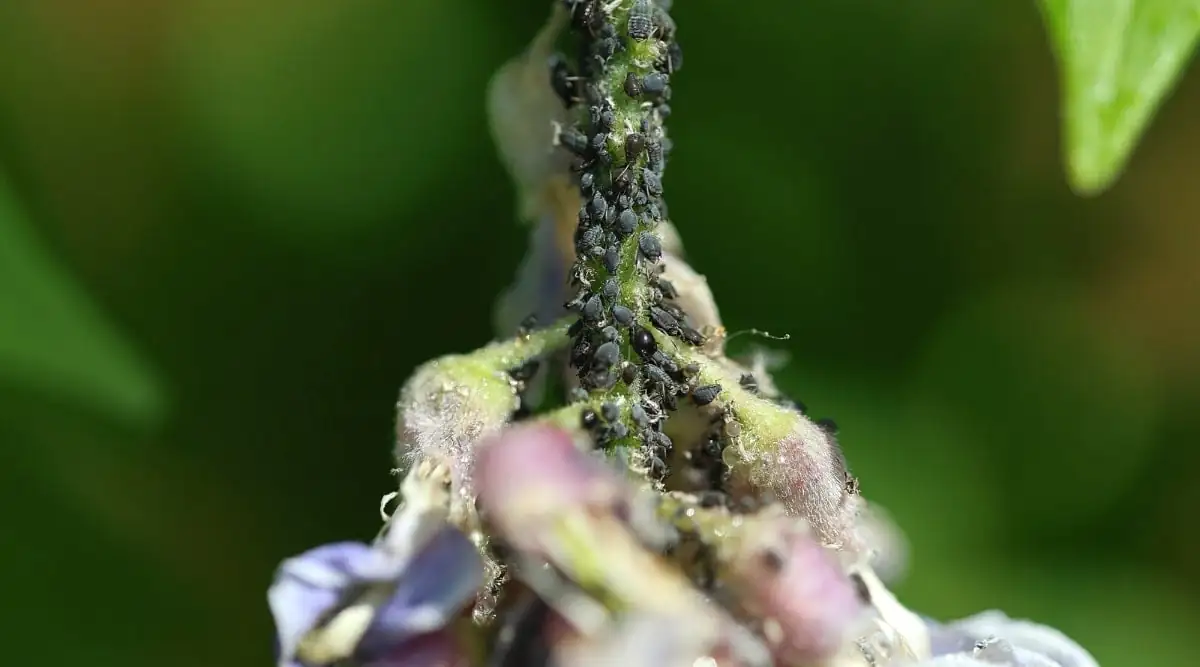
Aphids
These tiny sap-sucking insects love a good wisteria feast, often targeting new growth and flower buds. Aphids can cause leaves to curl and stunt growth, but they also attract ants with their honeydew, leading to sooty mold—a dark, unsightly fungus.
Spider Mites
Spider mites are minuscule, but their damage can be substantial. They thrive in hot, dry conditions, spinning webs under leaves and causing stippling—a pattern of tiny yellow spots. Left unchecked, they can lead to leaf drop and weakened plants.
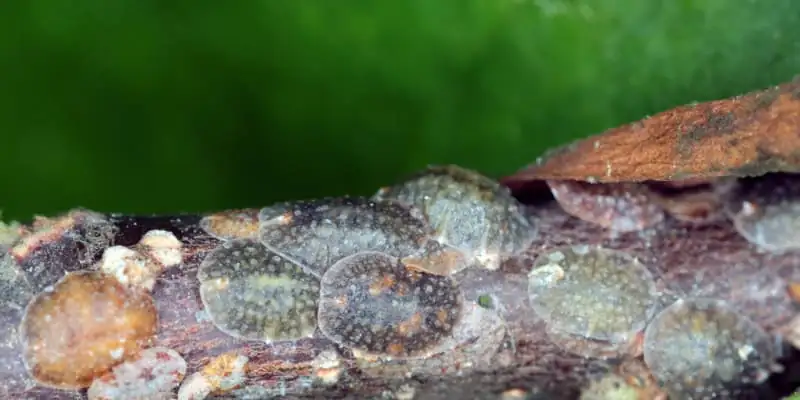
Scale Insects
Wisteria is particularly susceptible to scale insects, which appear as small, domed bumps on stems and leaves. These pests suck sap, weakening the plant and making it more vulnerable to diseases.
Japanese Beetles
These beetles are notorious for skeletonizing leaves. Their voracious appetites can quickly turn lush foliage into lace, interrupting the wisteria’s photosynthesis and overall health.
Strategies for Defense
Monitoring and Early Detection
The first step in pest management is vigilance. Regularly inspect your wisteria, especially under leaves and around new growth. Early detection is key to preventing a minor issue from becoming a full-blown infestation.
Natural Predators and Horticultural Oils
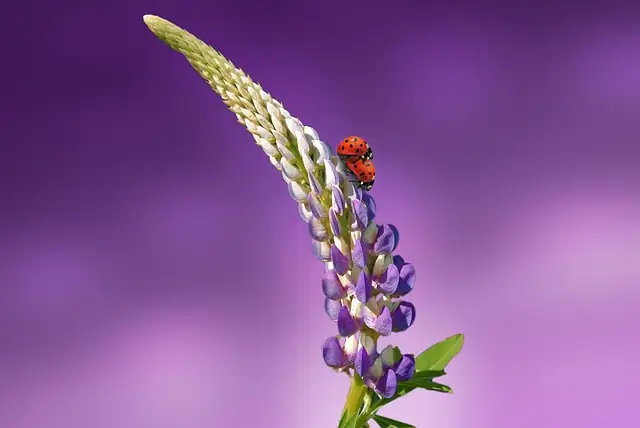
Encourage beneficial insects like ladybugs and lacewings, which feast on aphids and spider mites. For tougher infestations, consider horticultural oils or insecticidal soaps. These are effective against soft-bodied pests like aphids and spider mites without harming beneficial insects when used correctly.
Cultural Controls
- Water Wisely: Keep soil evenly moist, not soggy, to discourage pests like root rot-loving larvae.
- Prune for Airflow: Regular pruning improves air circulation, reducing the humidity that spider mites and fungus prefer. It also makes spotting and managing pests easier.
- Clean Up: Remove fallen leaves and debris to prevent overwintering pests and diseases.
Disease Dilemmas
Powdery Mildew
This fungal disease appears as a powdery white coating on leaves and stems. It thrives in dry, shaded conditions. Improve airflow through pruning and ensure your wisteria gets plenty of sunlight. A neem oil spray can help manage severe cases.
Leaf Spot
Characterized by dark spots that may develop into holes, leaf spot can be managed by removing affected leaves and improving air circulation. In persistent cases, use a copper-based fungicide.

Crown Gall
Crown gall causes swollen, woody tumors at the base of the plant. It’s often fatal, and unfortunately, there’s no cure. Prevent it by ensuring good drainage and avoiding wounding the plant during pruning.
Prevention is Your Best Ally
- Support Structure: Ensure your wisteria is growing on a sturdy support, as mature vines can become quite heavy.
- Sunlight: Aim for at least 6 hours of direct sunlight to promote vigorous growth and flowering, which naturally strengthens the plant against pests.
- Soil Health: Maintain well-drained, fertile soil with a slightly acidic to neutral pH. Healthy soil supports a robust root system and enhances the plant’s resilience.
By keeping a watchful eye and practicing proactive care, you can ensure your wisteria remains the star of your garden, unhindered by pests and disease. With a little effort and the right strategies, your wisteria will continue to enchant with its breathtaking blooms and intoxicating fragrance, season after season.


