
Propagating Rhapis excelsa: Your Guide to a Flourishing Indoor Oasis
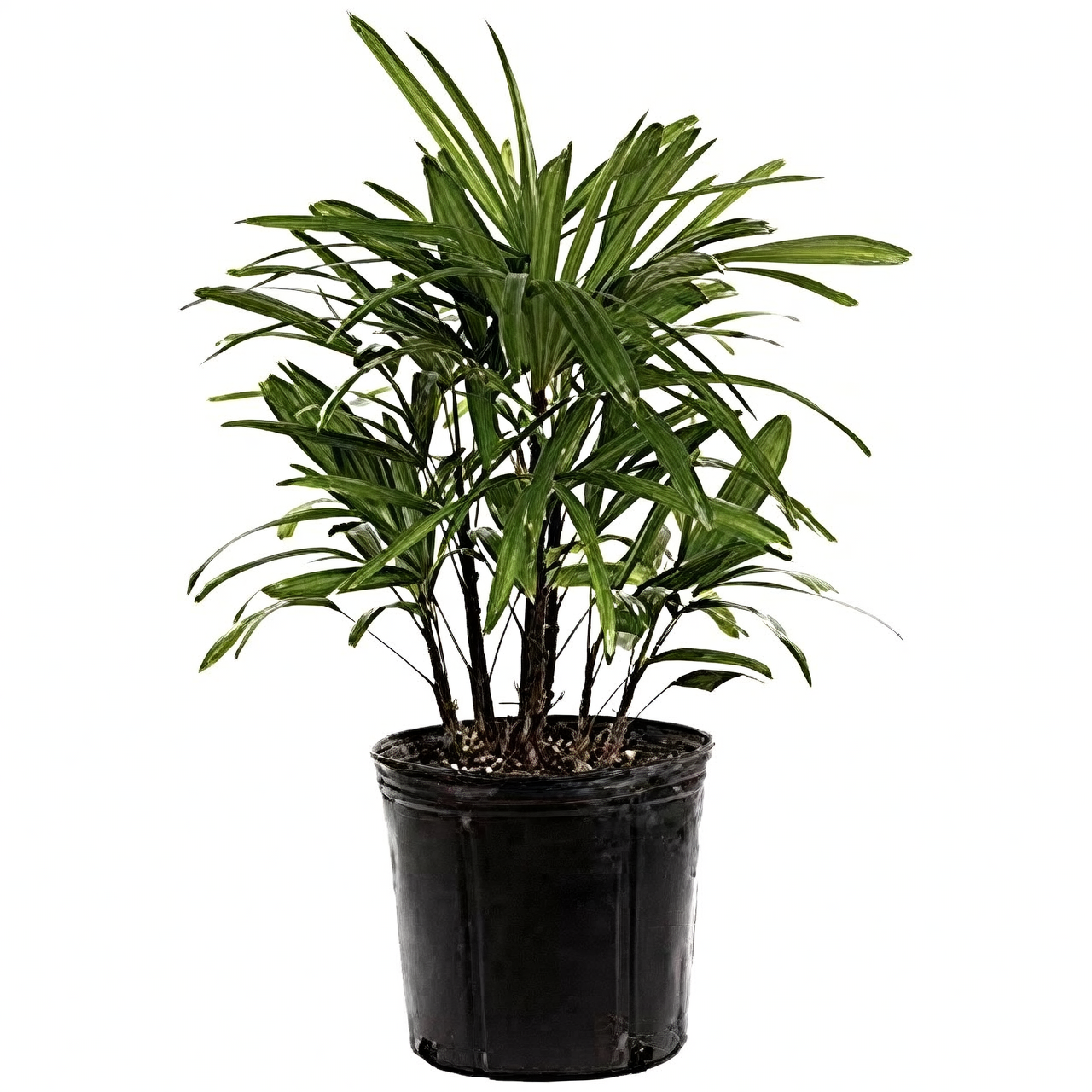
The Lady Palm, or Rhapis excelsa, is a beloved staple for indoor plant enthusiasts. Known for its bamboo-like canes and elegant, fan-shaped leaves, this slow-growing beauty is a top pick for creating a serene, tropical vibe in your home. But what if you want more of these lush green companions? Propagation by division is your fastest route to multiplying your Lady Palms and keeping their graceful uniformity intact. Ready to dive in? Let’s explore how to successfully propagate Rhapis excelsa through division, ensuring your indoor sanctuary remains lush and vibrant.
Why Choose Division?
When it comes to propagating the Lady Palm, you have two options: division and seeds. Division is akin to cloning your favorite plant, providing instant results with uniformity and reliability. Meanwhile, seed propagation is a slower process that can result in variability and unpredictability. For those eager to expand their collection or maintain the stunning variegation of certain cultivars, division is the way to go.
Preparing for Propagation
Before you start, ensure your Rhapis excelsa is healthy and mature, with multiple canes ready for division. Here’s a step-by-step guide to prepare for propagation:
- Timing: Spring is the ideal time. The growing season encourages faster recovery and root establishment.
- Hydration: Water your plant thoroughly a day before division. This softens the soil and makes it easier to separate the roots.
- Tools: Gather your tools—clean, sharp knives or pruning shears. Sanitize them to prevent the spread of disease.

The Division Process
- Removal: Gently remove the plant from its pot. Shake off excess soil to expose the root structure.
- Divide: Identify natural separations between the canes. Using your sanitized knife, carefully divide the roots, ensuring each section has a healthy root system and at least 2-3 canes.
- Replant: Pot each division into a container with a well-draining soil mix, similar to the original potting medium. Ensure the pots have drainage holes to avoid waterlogging.
Post-Division Care
Now that your divisions are potted, it’s time to pamper them a bit:
- Watering: Water each new plant to settle the soil. Keep the soil consistently moist but not waterlogged.
- Light: Place them in bright, indirect light. Avoid direct sunlight, which can scorch the leaves.
- Monitoring: Watch for signs of stress. Leaf yellowing can indicate overwatering or poor drainage.
Tips for a Thriving Lady Palm
- Humidity: While Rhapis excelsa is adaptable, providing moderate humidity (around 50%+) keeps those leaf tips looking pristine.
- Temperature: Keep your plants in a comfortable range of 10-25°C (50-77°F). Avoid cold drafts and keep them cozy in winter.
- Pest Watch: Be vigilant for spider mites, scale, or mealybugs. Regularly inspect your plants and treat any infestations early with insecticidal soap.

Common Pitfalls and How to Avoid Them
- Overwatering: One of the most common mistakes is drowning your Lady Palm. Ensure your pots have good drainage and let the top inch of soil dry out slightly before watering again.
- Cold Stress: Keep temperatures above 10°C (50°F) to prevent leaf browning or scorching.
- Neglecting Light Needs: While tolerant of low light, Rhapis excelsa thrives in bright, indirect light. Adjust placement in winter to maximize light exposure.
Conclusion
Propagating Rhapis excelsa through division isn’t just about growing more plants—it’s about cultivating an indoor jungle oasis where you can escape the hustle and bustle of daily life. With patience and care, your Lady Palms will reward you with their sculptural beauty, providing a lush, green backdrop that transforms any space into a serene retreat. Ready to get your hands dirty? Grab your tools and let’s start propagating!