Discovering the Mystique of the Lady Palm: Rhapis excelsa
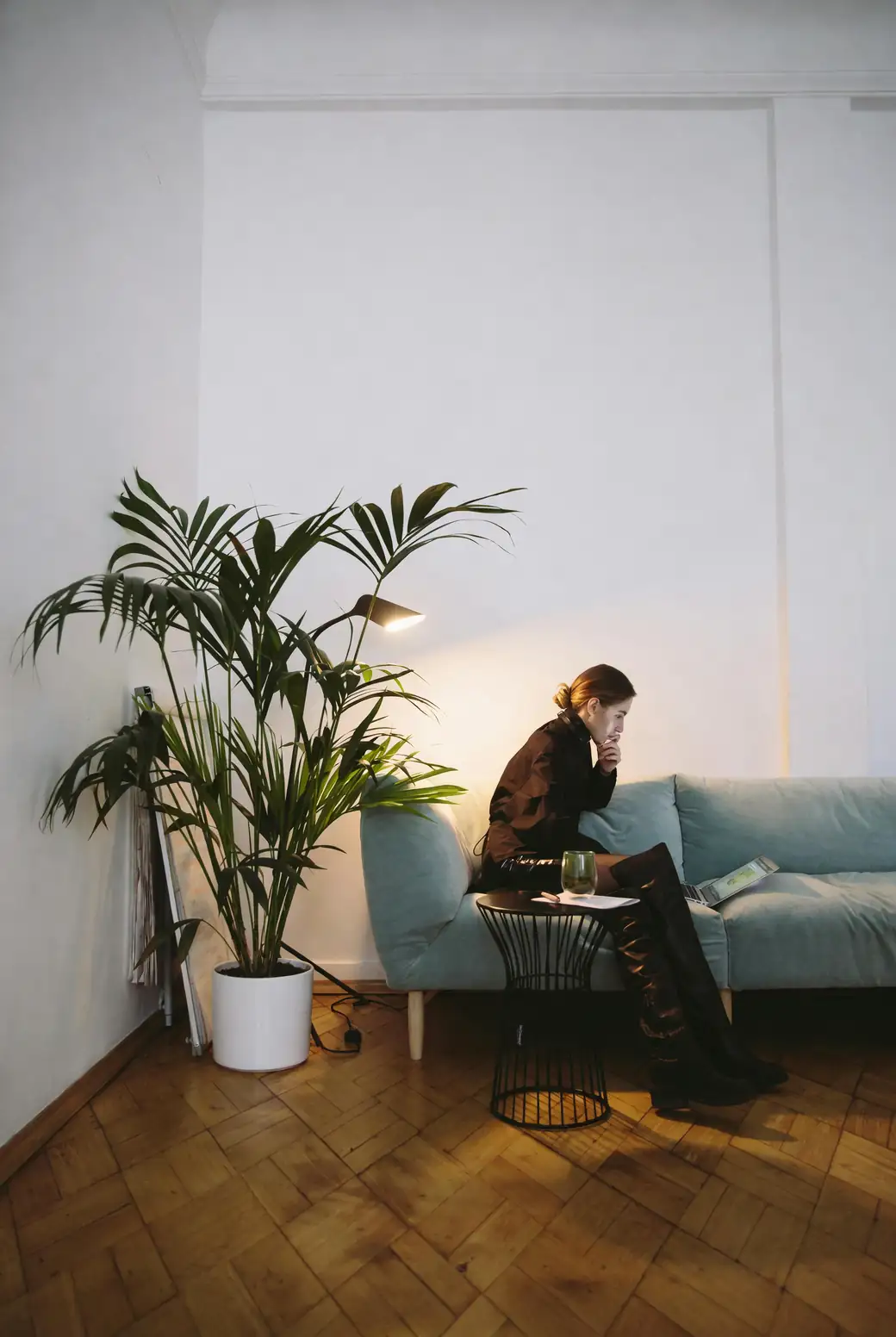
Have you ever stepped into a room and felt an immediate sense of calm and elegance, all thanks to a single plant? If so, you might have encountered the Lady Palm, or Rhapis excelsa. This striking plant, with its bamboo-like canes and fan-shaped leaves, is more than just a pretty face. It’s a botanical ambassador of cultural richness and a symbol of resilience and protection.
A Glimpse into the Origins
Rhapis excelsa, affectionately known as the Lady Palm, is a member of the Arecaceae family. Although its exact wild origin remains a mystery, it is often associated with southern China and Taiwan in horticultural practices. Over the centuries, the Lady Palm has found its way into homes and gardens across the globe, cherished for its adaptability and ornamental allure.

Cultural Significance and Symbolism
In the tapestry of Asian cultures, plants often carry meanings that transcend their physical beauty. The Lady Palm is no exception. In Japan, it was traditionally planted around the palaces of military commanders—a leafy guardian believed to ward off ill intentions. The pointed tips of its leaves were thought to act as a deterrent against negative energies, a botanical talisman of sorts.
The Lady Palm’s robust nature and longevity—often living for over a century with proper care—have also led it to be associated with resilience and endurance. Known as ‘Green Parrots’ in certain regions, these palms are testament to survival and strength, traits that are celebrated in many cultures.
The Journey from Palaces to Homes
The journey of the Lady Palm from being a decorative element in imperial Chinese palaces to its adoption in Japanese noble homes is a fascinating one. By the 16th century, this plant was a staple in container gardening, adding a touch of natural elegance to the grand interiors of the time. Its popularity didn’t stop there; the Lady Palm eventually made its way to Europe and the United States, becoming a beloved fixture in homes, offices, and shopping centers.
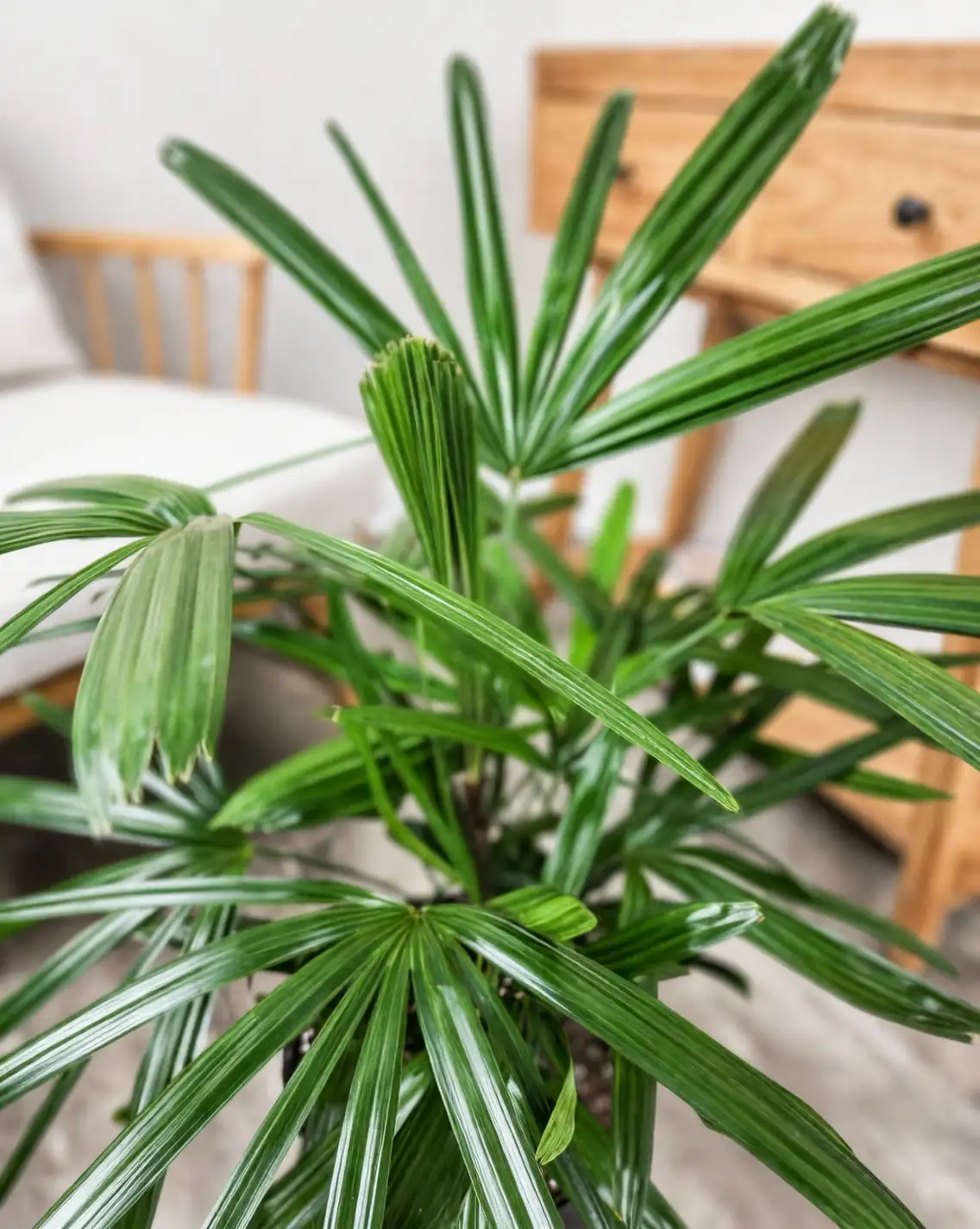
Why Choose a Lady Palm?
- Shade Tolerance: Unlike many palms, Rhapis excelsa thrives in low to moderate light conditions, making it perfect for indoor spaces that lack direct sunlight.
- Air Purification: Beyond its aesthetic charm, the Lady Palm is known for its air-cleaning properties, adding a breath of fresh air to your living space.
- Easy Care: With its forgiving nature, this palm is a favorite among beginners and seasoned plant enthusiasts alike. It doesn’t demand much, just a little attention to its watering and light needs.
Caring for Your Lady Palm
- Light: Prefers bright, indirect light but can adapt to lower light levels. Avoid harsh, direct sunlight that could scorch its leaves.
- Watering: Keep the soil evenly moist during the growing season, but allow the top layer to dry slightly between waterings in winter.
- Temperature and Humidity: Ideal temperatures range from 10 to 25°C (50 to 77°F). While it can handle average indoor humidity levels, a boost in humidity can prevent the dreaded brown tips.
A Plant Steeped in Lore and Beauty
The Lady Palm is more than just an indoor plant; it’s a piece of history and culture, a nod to the gardens of the past, and a resilient companion in today’s homes. Whether you’re drawn to its architectural elegance or its storied past, Rhapis excelsa offers a unique blend of beauty and symbolism that can elevate any space. So, the next time you cross paths with a Lady Palm, remember—this is not just a plant; it’s a living story of grace, protection, and endurance.