

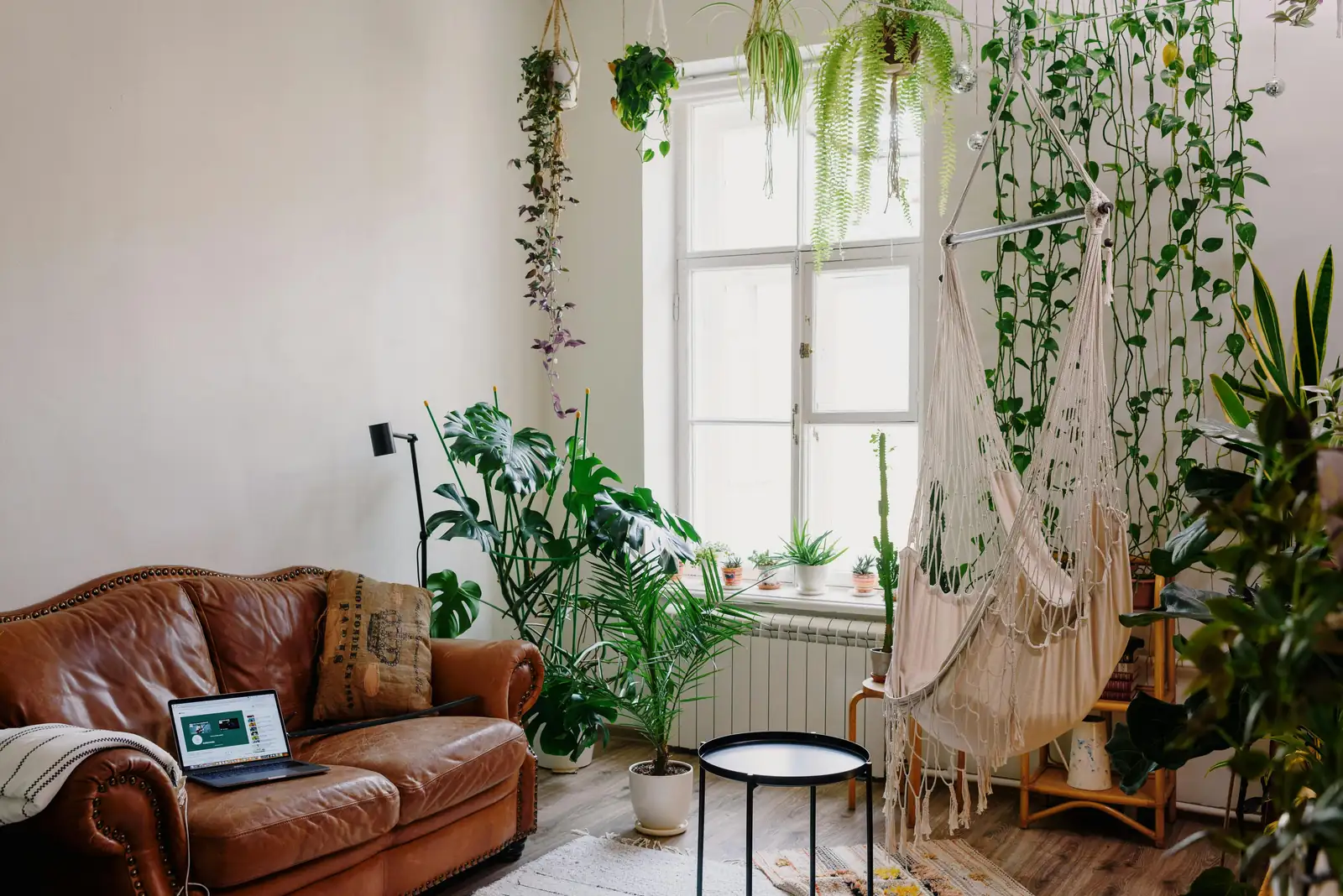
Welcome to the World of Philodendrons
Imagine a plant that brings the lush, tropical vibe of Central and South America right into your living room, effortlessly thriving and purifying the air you breathe. Meet the Philodendron spp., your new best friend in the plant world! With their bold, glossy leaves and forgiving nature, these plants are perfect for both novice and seasoned plant enthusiasts. Let’s dive into how you can make your philodendron not just survive, but truly thrive.
Light Requirements: Finding the Sweet Spot
Philodendrons have a unique relationship with light—they love it, but they’re choosy about the kind they get. Think of them as the Goldilocks of the plant kingdom: they want their light “just right.” Place them near an east- or west-facing window where they can soak up bright, indirect light. Direct sunlight, however, is a no-go; it can scorch those beautiful leaves faster than you can say “photosynthesis.” If your home is a bit on the dim side, don’t fret—philodendrons can tolerate lower light conditions, although they might grow a bit slower.
Watering Wisdom: Hydration Without Overindulgence
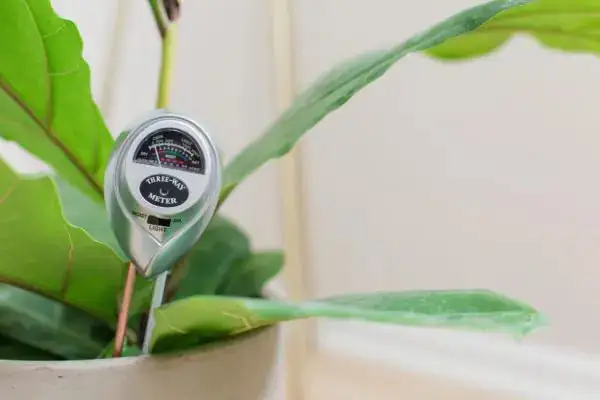
Watering a philodendron is like baking the perfect cake—you need the right balance of moisture. The rule of thumb? Water when the top 2.5 to 5 cm (1 to 2 inches) of soil feels dry to touch. In the vibrant days of spring and summer, this typically translates to a weekly watering schedule. As the colder months roll in, you can ease up, as their growth slows and they require less water. Always ensure your pot has good drainage to prevent root rot, a common plight of the overzealous waterer.
Temperature and Humidity: Creating a Cozy Environment
Your philodendron hails from the tropics, so it thrives in warmth and humidity. Keep your home at a comfortable 15–29°C (60–85°F). While they can adapt to average indoor humidity, they’ll give you a standing ovation if you bump it up to 60–80%. A humidifier or a simple pebble tray can help maintain that tropical feel.
Soil Mixology: The Perfect Blend for Growth
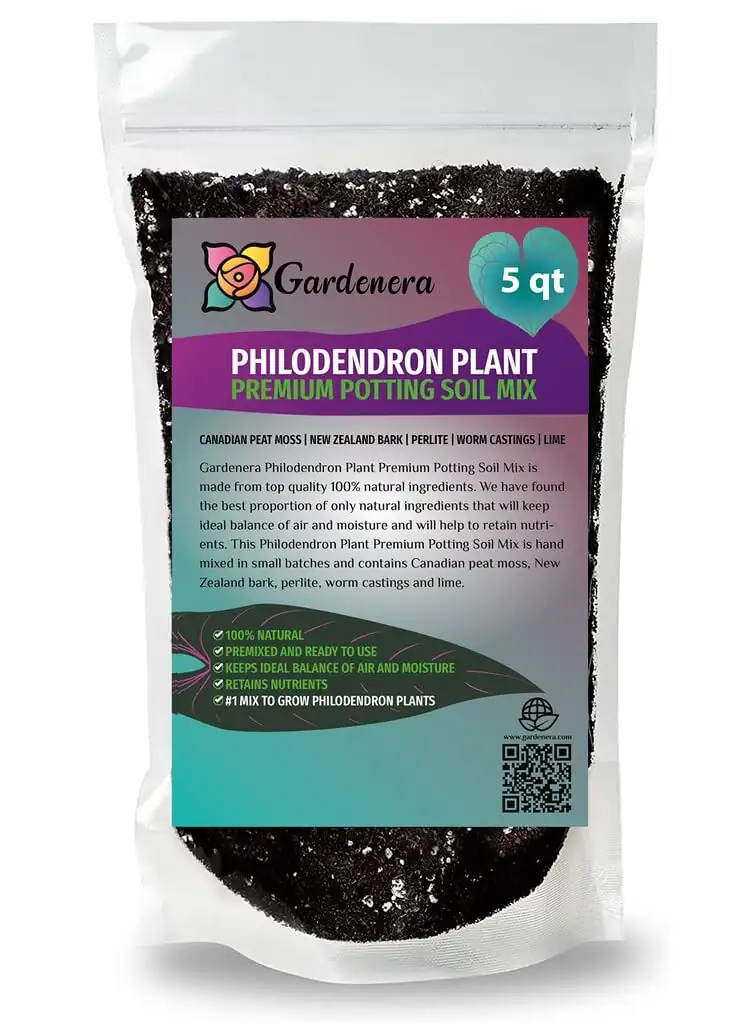
Philodendrons love a rich, airy, well-draining potting mix. Consider it their version of a five-star meal. A chunky mix combining potting soil, bark, and perlite is ideal, providing excellent airflow to the roots and preventing the dreaded soil compaction. A slightly acidic pH is their sweet spot, so aim for that when mixing your soil.
Feeding Time: Nutrition for Flourishing Foliage
Feeding your philodendron is crucial during its active growth phases in spring and summer. A balanced liquid fertilizer once a month will do wonders. As autumn and winter approach, reduce feeding frequency to every 6–8 weeks or pause altogether if growth slows to a crawl.
Pruning and Propagation: Keeping It Tidy and Thriving
Regular pruning not only keeps your plant looking neat but also encourages new growth. Trim vining types that become sparse or leggy from spring through summer. If you’re feeling adventurous, propagation is a breeze—simply take a stem cutting with a node and root it in water or directly in soil.
Common Pests and Problems: Staying Ahead of Trouble
Philodendrons are generally hardy, but they can occasionally fall victim to pests like aphids, mealybugs, or spider mites. A quick spritz of insecticidal soap or neem oil usually does the trick. Overwatering is the most common issue, potentially leading to root rot, so always check your soil moisture before watering.
Flower Language: A Tree Lover’s Tale
The name “Philodendron” is derived from the Greek words “philo” (love) and “dendron” (tree), reflecting both their tree-climbing habit and their popularity as a symbol of growth and renewal. Their heart-shaped leaves are often gifted to express warmth and open-hearted kindness, a living embodiment of heartfelt connection.
Fun Facts to Impress Your Friends
- Philodendron is one of the largest genera in the aroid family, with over 600 species described.
- Some species can partner with ants, offering shelter or nectar in exchange for protection.
- They can exhibit leaf “metamorphosis,” where juvenile leaves look dramatically different from adult ones.
With these tips in hand, you’re ready to welcome a philodendron into your home and watch it flourish. Whether you’re training it up a moss pole or letting it trail down a shelf, the philodendron is sure to add a touch of the tropics to your interior oasis.


