

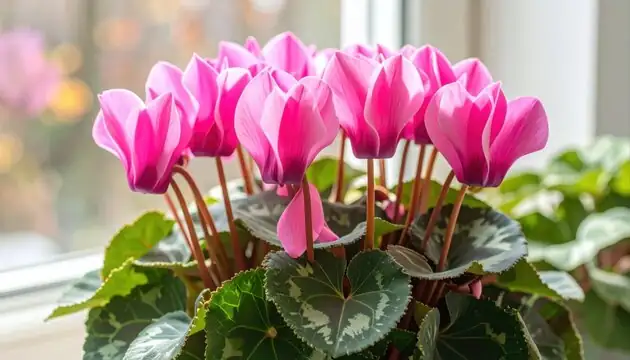
The Enchanting Symbolism and Cultural Significance of Cyclamen persicum
Ah, the Cyclamen persicum! This captivating plant, often known as the Florist’s Cyclamen or Persian Cyclamen, is much more than just a pretty face in the botanical world. With its delicate, butterfly-like blooms and heart-shaped leaves, cyclamen has charmed its way into homes and hearts across the globe. But beyond its visual appeal, this plant carries layers of symbolism and cultural significance that make it a fascinating subject to explore.
A Flower with Ancient Roots
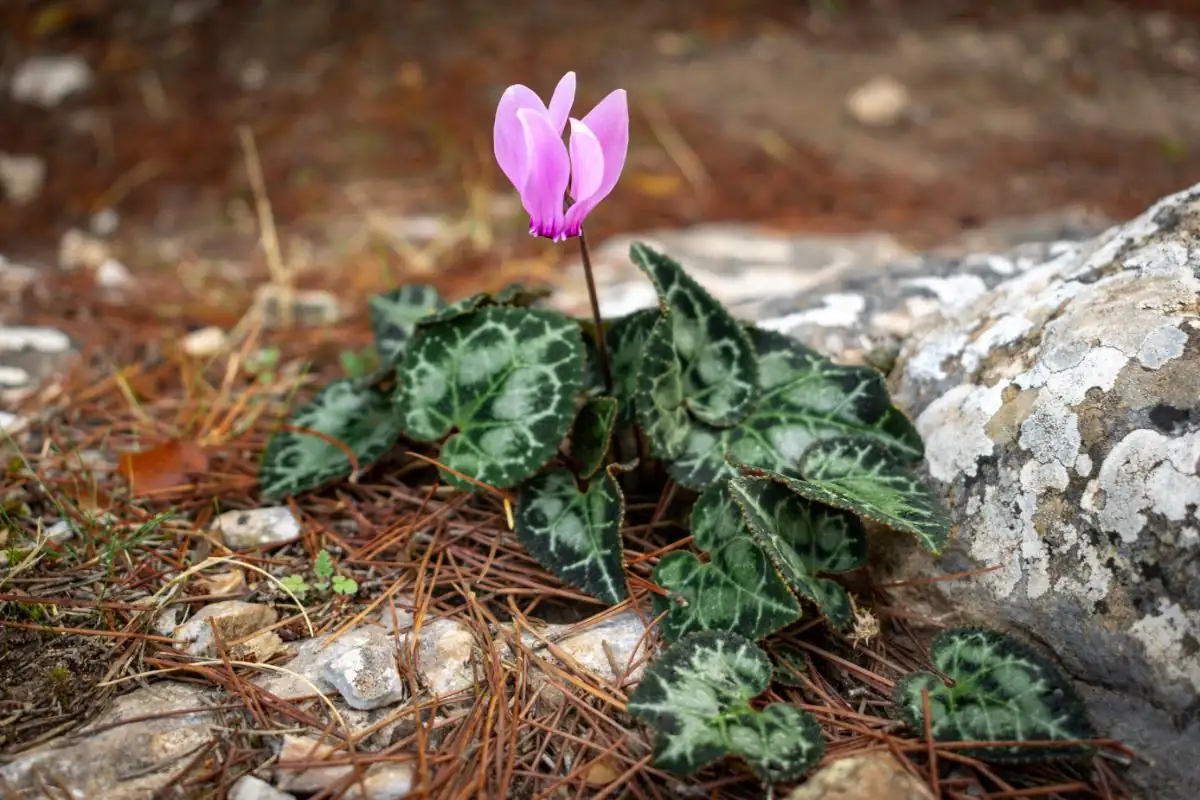
Cyclamen persicum hails from the picturesque landscapes of the Eastern Mediterranean, including regions around Turkey, Cyprus, and Israel. Its journey into modern homes began centuries ago, with ancient philosophers like Plato describing its circular form—a nod to its Greek etymology, derived from “kuklos,” meaning circle.
This circular motif goes beyond its shape; it represents the cycle of life, renewal, and the enduring nature of love. The plant’s resilience, capable of withstanding the cooler months, adds to its symbolic weight as a harbinger of hope and perseverance.
A Symbol of Modesty and Love
Historically, the cyclamen has been linked with qualities like modesty and diffidence. As Henry Phillips noted in his 1825 book “Floral Emblems,” the cyclamen’s unassuming nature and gracefully bowed petals reflect a humble beauty that doesn’t seek the spotlight. This modest demeanor is often compared to the gentle, affectionate love of a devoted partner.
In various cultures, cyclamen symbolizes empathy, devotion, and even sacred love. Its heart-shaped leaves and tender blossoms are frequently associated with Holy love, making it a popular gift during religious holidays like Christmas. In Japan, the cyclamen holds a special place in the heart, symbolizing sacred love, often exchanged between lovers on Valentine’s Day.
The Language of Flowers
Flower language, or floriography, assigns meanings to different flowers, and cyclamen is no exception. This practice became especially popular during the Victorian era, where flowers were used to convey sentiments that words could not. Cyclamen, with its delicate petals and unobtrusive presence, became a messenger of good wishes, success, and family happiness.
But as with many symbols, interpretations can vary. In the Mediterranean, cyclamens are often found in monasteries, representing empathy and devotion. Meanwhile, in some cultures, white cyclamens might be avoided for certain occasions due to differing symbolic interpretations.
More Than Just a Pretty Plant
Aside from its symbolic allure, Cyclamen persicum is a favorite for winter and early-spring decor. Its ability to bloom during the colder months, when most other plants are dormant, makes it a cherished addition to homes. Whether adorning a windowsill or brightening up a festive gift basket, the cyclamen stands as a testament to nature’s enduring beauty and the promise of brighter days ahead.

Caring for a cyclamen requires a touch of understanding and respect for its unique needs. It thrives in bright light and cool temperatures, with good airflow to prevent rot. Its sensitivity to waterlogging and preference for free-draining soil highlight the plant’s delicate balance between thriving and wilting.
Closing Thoughts
Cyclamen persicum is more than an ornamental plant; it’s a living emblem of love, humility, and resilience. Its journey from the rugged terrains of the Mediterranean to the cozy corners of our homes is a testament to its universal appeal. So, the next time you see those vibrant petals nodding in the winter light, remember the rich tapestry of meanings they carry—each petal a whisper of love and hope, waiting to be shared.


