Cyclamen persicum: From Mediterranean Shores to Global Living Rooms
Cyclamen persicum, widely known as Florist’s Cyclamen, is a charming and vibrant plant that has journeyed from the rocky hillsides and woodlands of the Eastern Mediterranean to homes around the world. This cool-growing tuberous plant, part of the Primulaceae family, captivates with its whimsical, butterfly-like blooms that dance above heart-shaped, marbled leaves. Let’s take a closer look at the fascinating history and characteristics that have made Cyclamen persicum a beloved houseplant globally.
A Journey Through Time
Native to the Eastern Mediterranean, Cyclamen persicum thrives in the wilds of southern Turkey and the Levant. Its natural habitat is characterized by rocky hillsides and shrublands, where it basks in the cool, moist winters and retreats during the dry, hot summers. This seasonal rhythm is crucial to its survival, a trait it retains even as a domesticated houseplant.
The plant’s journey into cultivated gardens began as early as the 17th century when it was introduced to Western Europe. Over the centuries, Cyclamen persicum has been selectively bred for larger flowers, more vibrant colors, and a compact growth habit, ideal for indoor settings. This transformation has made it a staple of winter décor, especially around the holiday season when its bright blooms bring life to otherwise dormant interiors.
The Art of Cultivation
Cultivating Cyclamen persicum is akin to a dance, requiring attention to its particular needs. Picture placing it in a bright, airy spot, perhaps near an east-facing window where it can soak up gentle sunlight. The plant prefers cool conditions, ideally between 12–20°C (54–68°F), with good ventilation to prevent rot and disease—a crucial tip for anyone who has ever watched in dismay as their cyclamen’s leaves yellow and droop.
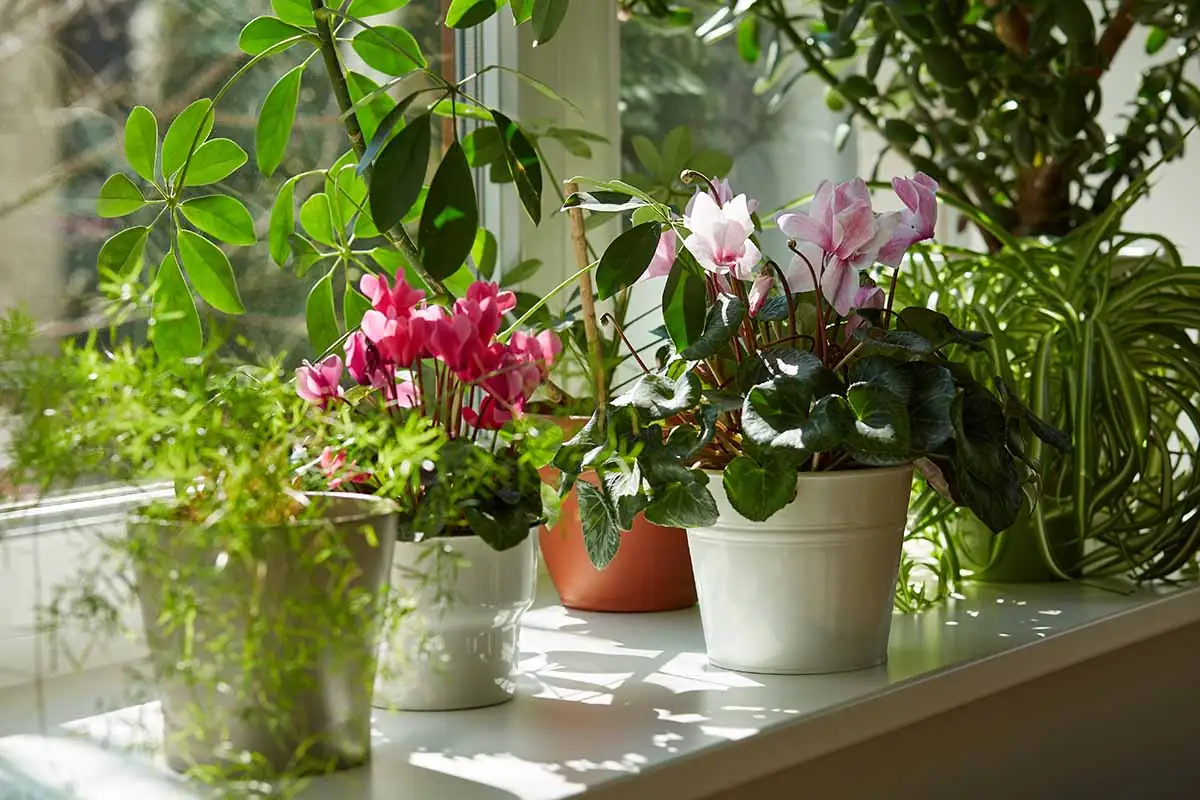
The soil is another key player in the dance of cultivation. A loose, free-draining mix is essential to prevent the dreaded soggy soil that can lead to tuber rot. This is a plant that likes to keep its feet dry; water thoroughly, but let the soil dry slightly before the next watering. Overwatering is a common pitfall, and avoiding waterlogging is crucial.
A Palette of Blooms
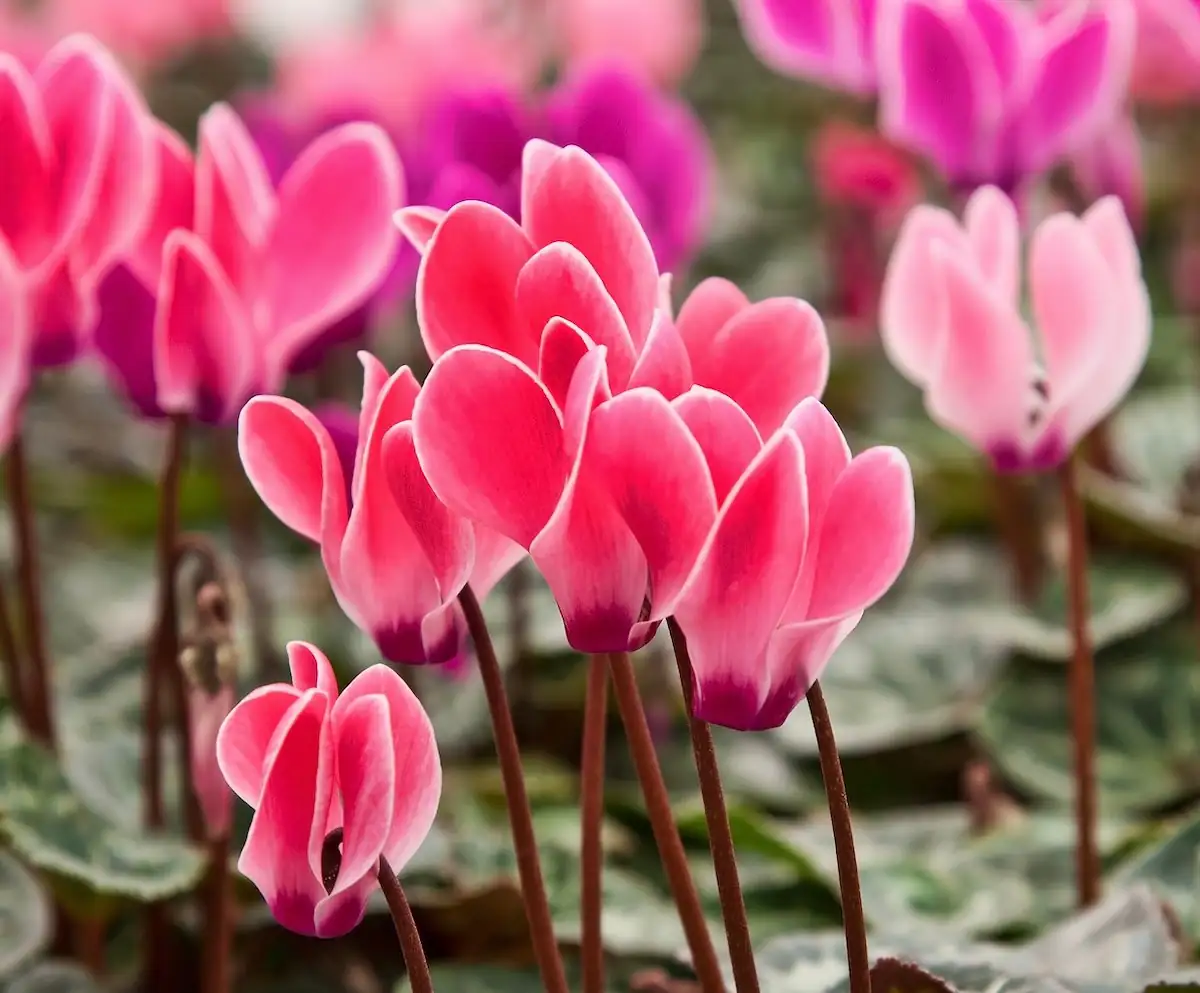
The flowers of Cyclamen persicum are a visual delight. Rising on graceful stems, the blooms come in a variety of colors—white, pink, red, magenta, and purple—each petal swept back as if caught in a gentle breeze. These flowers are more than just pretty faces; they symbolize affection and thoughtful love in the language of flowers. Cyclamen’s vibrant presence during the winter months has led to its association with good wishes and family happiness—a perfect gift for the holiday season.
Keeping the Cyclamen Happy
Caring for Cyclamen persicum involves a few key practices:
- Light and Placement: Place in bright indirect light; avoid harsh midday sun.
- Temperature and Humidity: Maintain cool temperatures and moderate humidity.
- Soil and Watering: Use a free-draining soil mix and water with care, ensuring the tuber isn’t submerged.
- Feeding: During active growth, feed with a balanced liquid fertilizer every 10 days to two weeks.
- Pruning: Remove spent flowers and yellowing leaves to prevent mold and keep the plant tidy.
A Word of Caution
While beautiful, Cyclamen persicum is toxic if ingested, particularly the tuber. This makes it important to keep the plant out of reach of pets and children to avoid any accidental ingestion that could lead to gastrointestinal distress or worse.
The Modern Cyclamen
Today, Cyclamen persicum is available in countless cultivars, from miniature varieties to those with ruffled or bicolored petals. Breeders continue to innovate, creating plants that are not only aesthetically pleasing but also more adaptable to different climates and growing conditions. These developments have secured Cyclamen persicum’s place as a perennial favorite in homes and gardens around the globe.
In conclusion, the journey of Cyclamen persicum from its Mediterranean origins to its status as a global houseplant is a testament to its enduring charm and adaptability. Whether you’re a seasoned gardener or a houseplant enthusiast, this delightful plant offers a splash of color and a touch of nature’s whimsy to any living space. As you care for your cyclamen, remember that you are part of a long history of plant lovers who have cherished its beauty and resilience.