


Cyclamen persicum, commonly known as Florist’s Cyclamen, is a beloved indoor plant, celebrated for its vibrant blooms and butterfly-like flowers. Yet, beneath its charming facade, this tuberous beauty can sometimes fall prey to a few pesky pests and troublesome diseases. Fear not! With a touch of vigilance and a sprinkle of know-how, you can keep your Cyclamen persicum thriving through the winter months.
Common Pests and How to Banish Them
The Usual Suspects
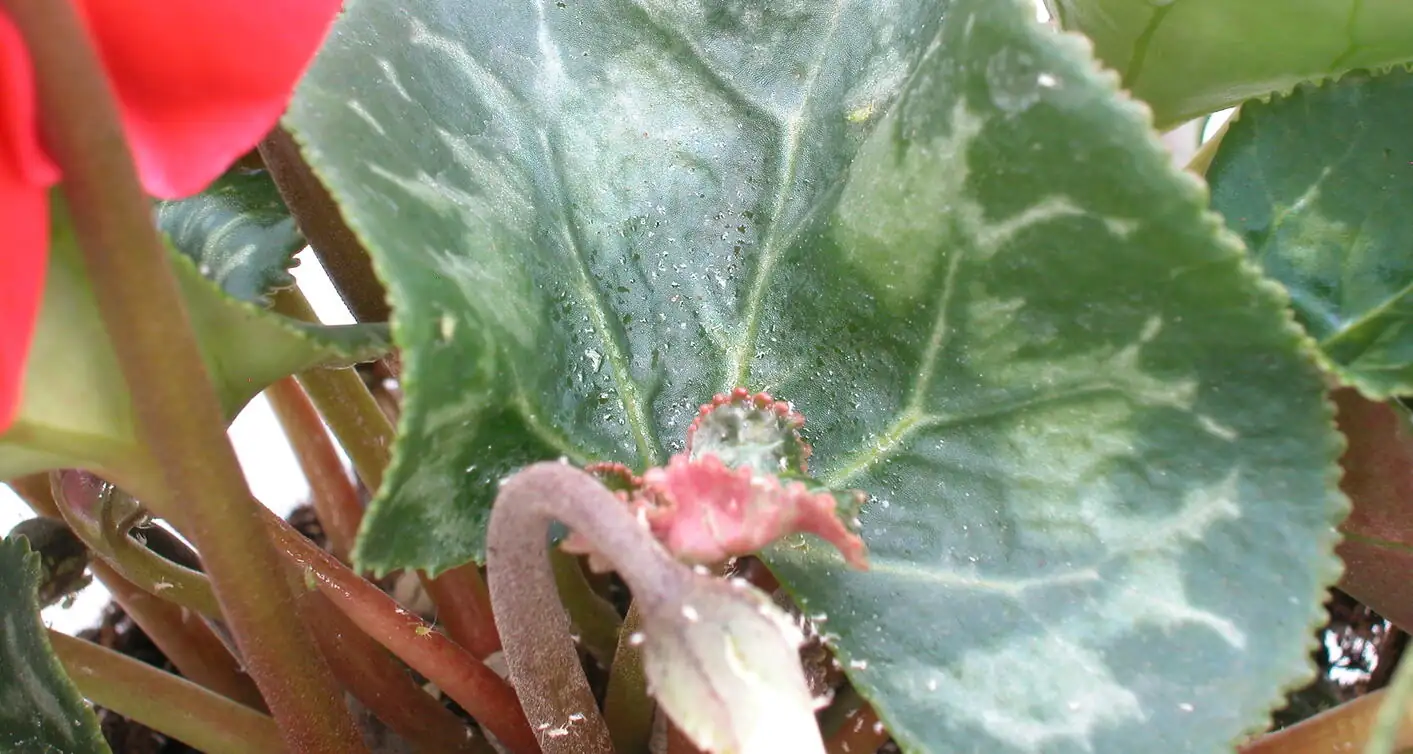
- Aphids: These tiny sap-suckers can make themselves right at home on your cyclamen, often clustering on new growth and flower buds. Left unchecked, they can cause distorted leaves and stunt growth.
- Cyclamen Mite: Invisible to the naked eye, these microscopic mites can wreak havoc, causing twisted, yellowed leaves and deformed flowers. They thrive in warm, humid conditions—exactly what you want to avoid for a healthy cyclamen.
- Vine Weevil: While the adult beetles are nocturnal and nibble on leaf edges, it’s the larvae you need to worry about. They feast on roots and tubers, leading to plant collapse.
Friendly Fixes
- Aphid Management: A simple spray of insecticidal soap or a gentle wash with water can help dislodge these pests. For natural predators, introduce ladybugs to your garden if possible.
- Cyclamen Mite Removal: Prevention is your best ally here. Maintain cool temperatures and good airflow around your plant. If mites strike, discard heavily infested plants to prevent spread.
- Vine Weevil Control: Regularly inspect your plant and soil for larvae. Introduce nematodes to the soil, which are natural predators of vine weevil larvae. For adult beetles, handpicking during their nocturnal outings can help.
Diseases to Watch Out For
The Unwanted Infections
- Soft Rot: Often occurring in hot, wet conditions, soft rot can rapidly decay the plant’s tissues, especially the tuber.
- Leaf Spot: Typically appearing as brown or black spots on leaves, this disease can spread quickly in stagnant, humid environments.
- Grey Mould: This fungal disease loves damp, crowded conditions and can cause fluffy grey growth on flowers and stems.
Preventive Practices
- Soft Rot Prevention: Ensure your cyclamen is never sitting in soggy soil. Use a well-draining potting mix and let the soil dry slightly between waterings.
- Leaf Spot Defense: Improve air circulation around your plant and promptly remove affected leaves to reduce the spread.
- Grey Mould Avoidance: Keep humidity levels moderate and avoid getting water on the leaves and flowers. Remove any dead plant material immediately.
Cultivating a Healthy Environment
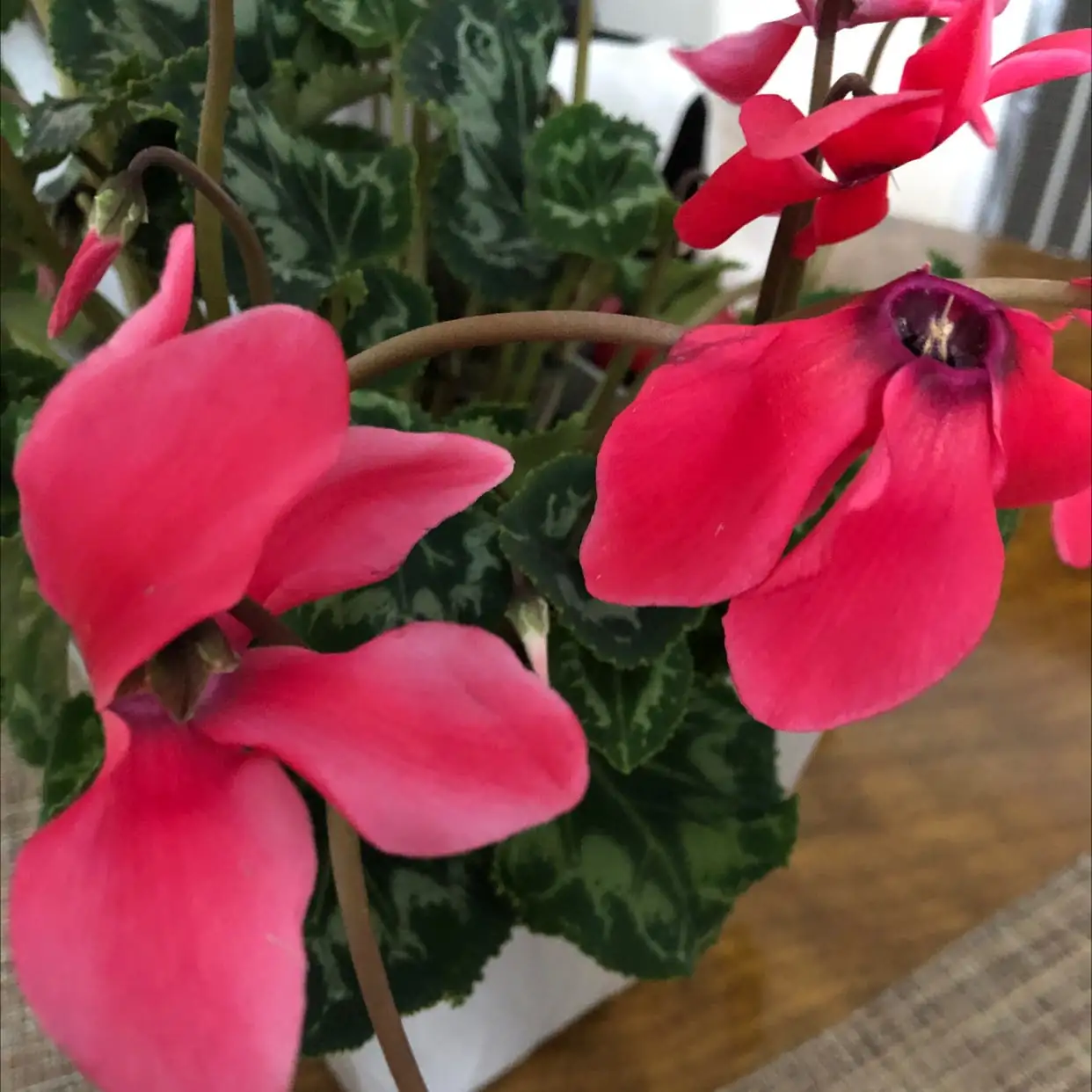
Cyclamen persicum prefers a bright, airy spot with indirect light. An east-facing window or a bright, filtered south exposure is ideal. Cool temperatures between 12–20°C (54–68°F) are perfect for maintaining vibrant blooms and healthy foliage. Avoid temperatures below 10°C (50°F) and prolonged heat above 35°C (95°F), as these can push your cyclamen into dormancy or worse.
Tips for a Thriving Cyclamen
- Watering Wisdom: Water thoroughly, allowing the soil to dry slightly between waterings. Avoid letting water sit in the crown of the plant to prevent rot.
- Feeding Routine: During active growth, feed your cyclamen every 10–14 days with a balanced liquid fertilizer. Avoid foliar contact with fertilizer to prevent leaf burn.
- Good Hygiene: Remove spent flowers and yellowing leaves promptly to avoid mold and keep your plant looking its best.
Flower Language and Cultural Significance
Cyclamen persicum is more than just a pretty face; it’s a symbol of affection and thoughtful love. Traditionally, this plant has been a cheerful winter gift, representing good wishes and happiness. Its delicate flowers, with their reflexed petals, remind us of butterflies—epitomes of transformation and grace.
In conclusion, while Cyclamen persicum may have its challenges, a little knowledge goes a long way in keeping it healthy and blooming. With proper care and attention to its environment, your florist’s cyclamen can be a stunning centerpiece, bringing warmth and color to your home during the cooler months. Remember, a happy cyclamen is a bright and beautiful addition to any indoor space!


