

Propagating African Violets: Your Step-by-Step Guide to Growing Beauty from Leaves
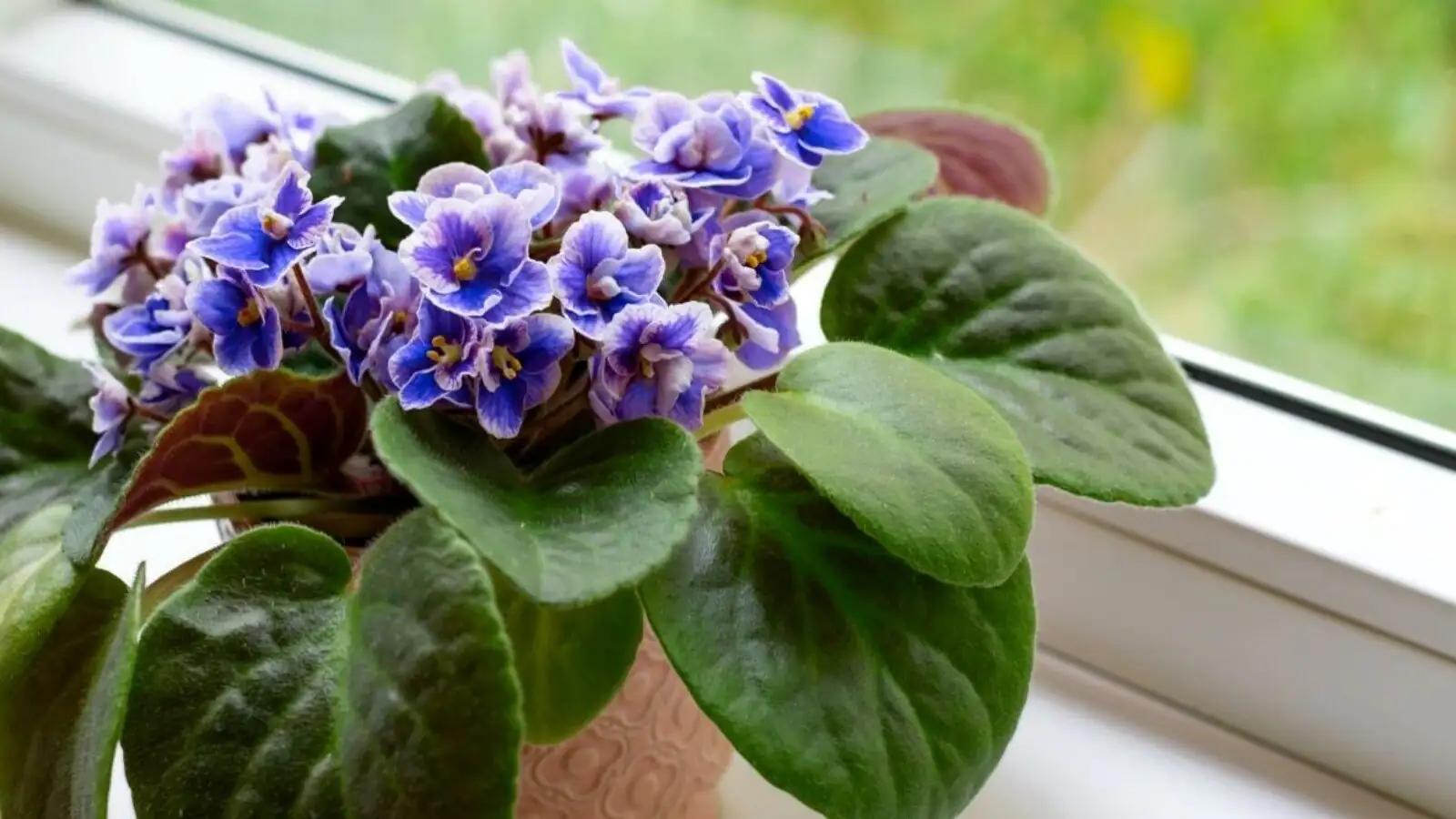
Imagine a plant that blooms with the vibrant charm of a tropical paradise, yet fits snugly on your windowsill. The African violet, or Streptocarpus ionanthus, is just that—a compact houseplant that boasts a rosette of velvety leaves and a crown of cheerful blooms. But why stop at one when propagating these beauties is as simple as nurturing a single leaf?
Let’s dive into the delightful world of propagating African violets from leaf cuttings, a skill that lets you multiply these enchanting plants effortlessly.
Supplies You’ll Need
Before embarking on your propagation journey, gather the following supplies to ensure a smooth process:
- Healthy host plant: Choose a vigorous African violet.
- Rooting medium: A light, airy peat-based mix amended with perlite works best.
- Rooting hormone (optional): This can speed up root development.
- Sharp knife or pruners: For clean cuts.
- Plastic pots (2-inch): Perfect for small starts.
- Clear plastic container: To create a mini greenhouse effect.
Step-by-Step Propagation Process
Step 1: Choose Your Leaf
Select a mature, healthy leaf from your African violet. Opt for leaves that are firm and deep green. Avoid older leaves as they are more prone to rot and may take longer to root.
Step 2: Prepare the Leaf
Using a sterilized sharp knife, slice the leaf stem (petiole) at a 45-degree angle. Aim for a stem length of about 1-2 inches; this angle promotes optimal root growth.
Step 3: Prepare the Rooting Medium
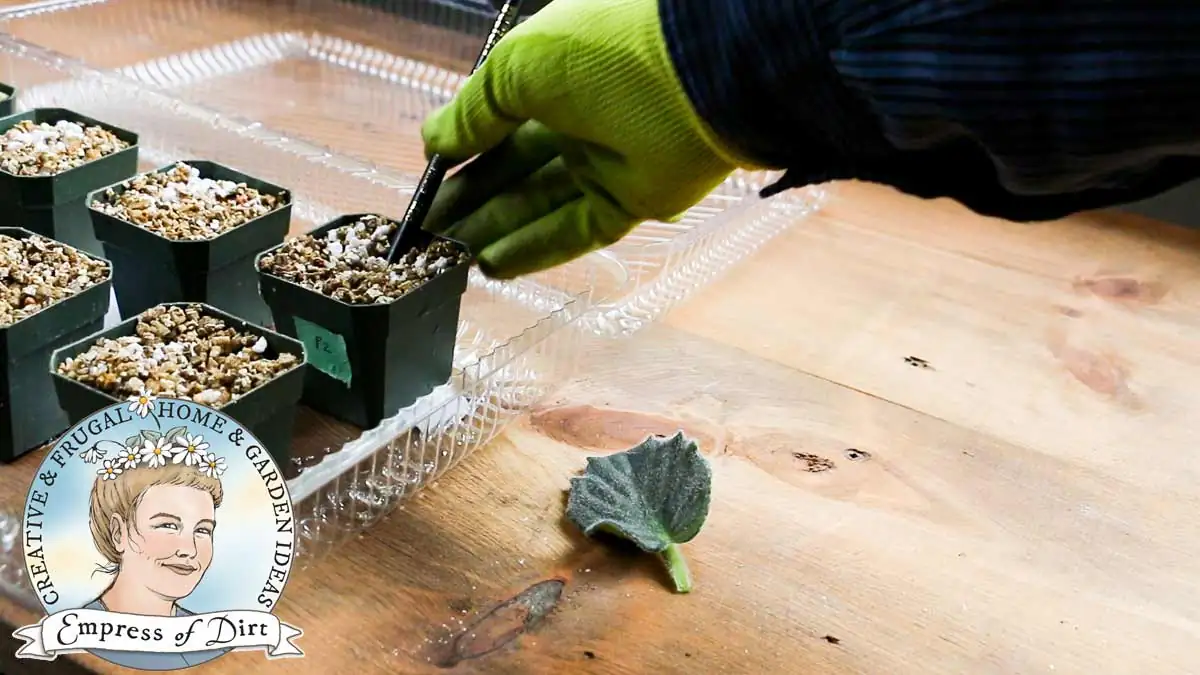
Fill your pots with a pre-moistened mix of peat and perlite. This combination provides the perfect balance of moisture retention and aeration.
Step 4: Optional Rooting Hormone
Dip the cut end of the leaf into rooting hormone. While optional, this step can enhance the speed and success of root formation.
Step 5: Plant the Leaf
Insert the cut end of the leaf into the prepared potting medium, ensuring it stands upright. Firm the mix gently around the leaf to hold it in place.
Step 6: Create a Mini Greenhouse
Place the pot inside a clear plastic container or cover it with a plastic bag to maintain high humidity. This microenvironment is crucial for successful rooting.
Step 7: Provide Ideal Conditions
Set your mini greenhouse in a warm spot with bright, indirect light. Consistent temperatures between 18–24°C (64–75°F) are ideal, and avoid direct sunlight, which can scorch the leaves.
Step 8: Patience and Care
Check the moisture levels regularly, ensuring the soil remains lightly damp but not soggy. Roots typically begin to form in about 3-4 weeks. Tiny plantlets will start to emerge from the base of the leaf after about a month.
Transplanting Your New Violets
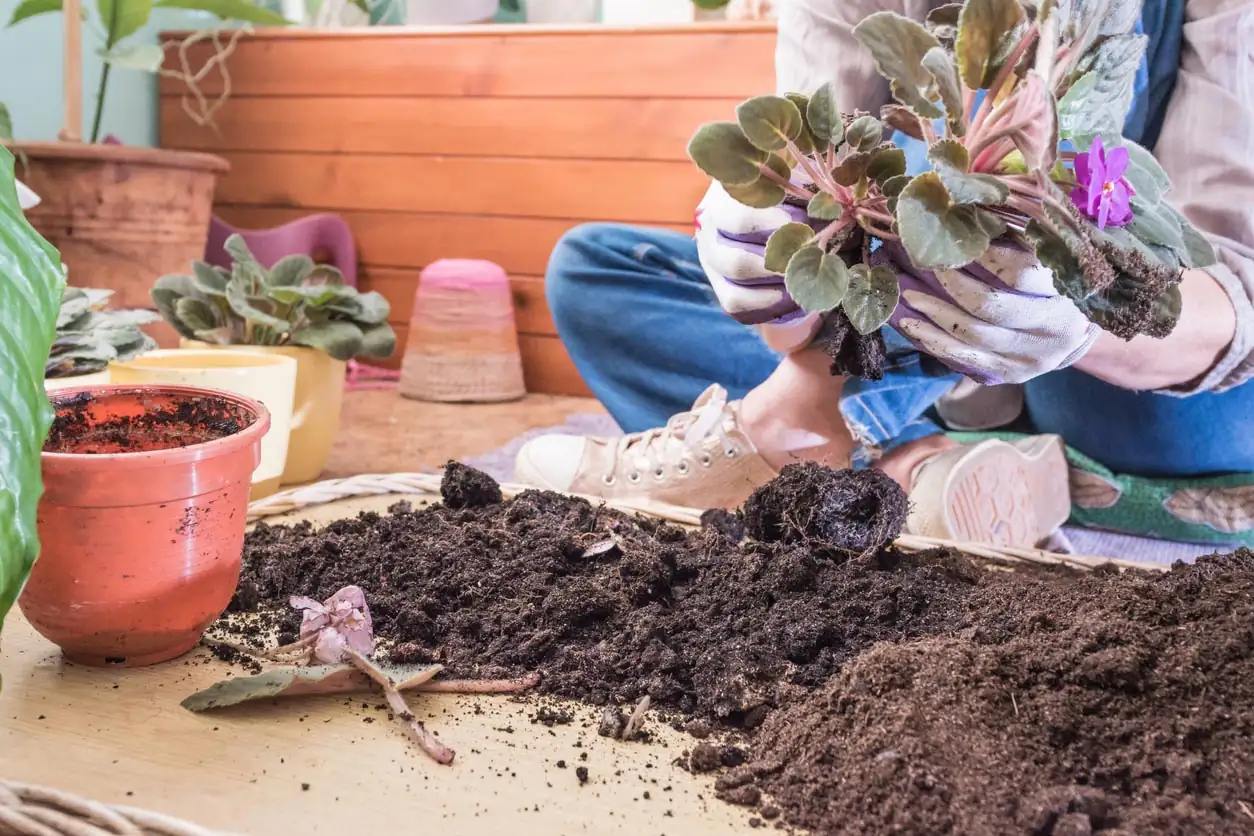
Once the plantlets are a few inches tall, they’re ready for transplanting. Carefully separate them from the mother leaf and pot them into individual containers using the same light, well-draining mix. Remember, African violets prefer snug pots, so choose containers that are roughly 3-4 inches in diameter.
Fun Facts and Flower Language
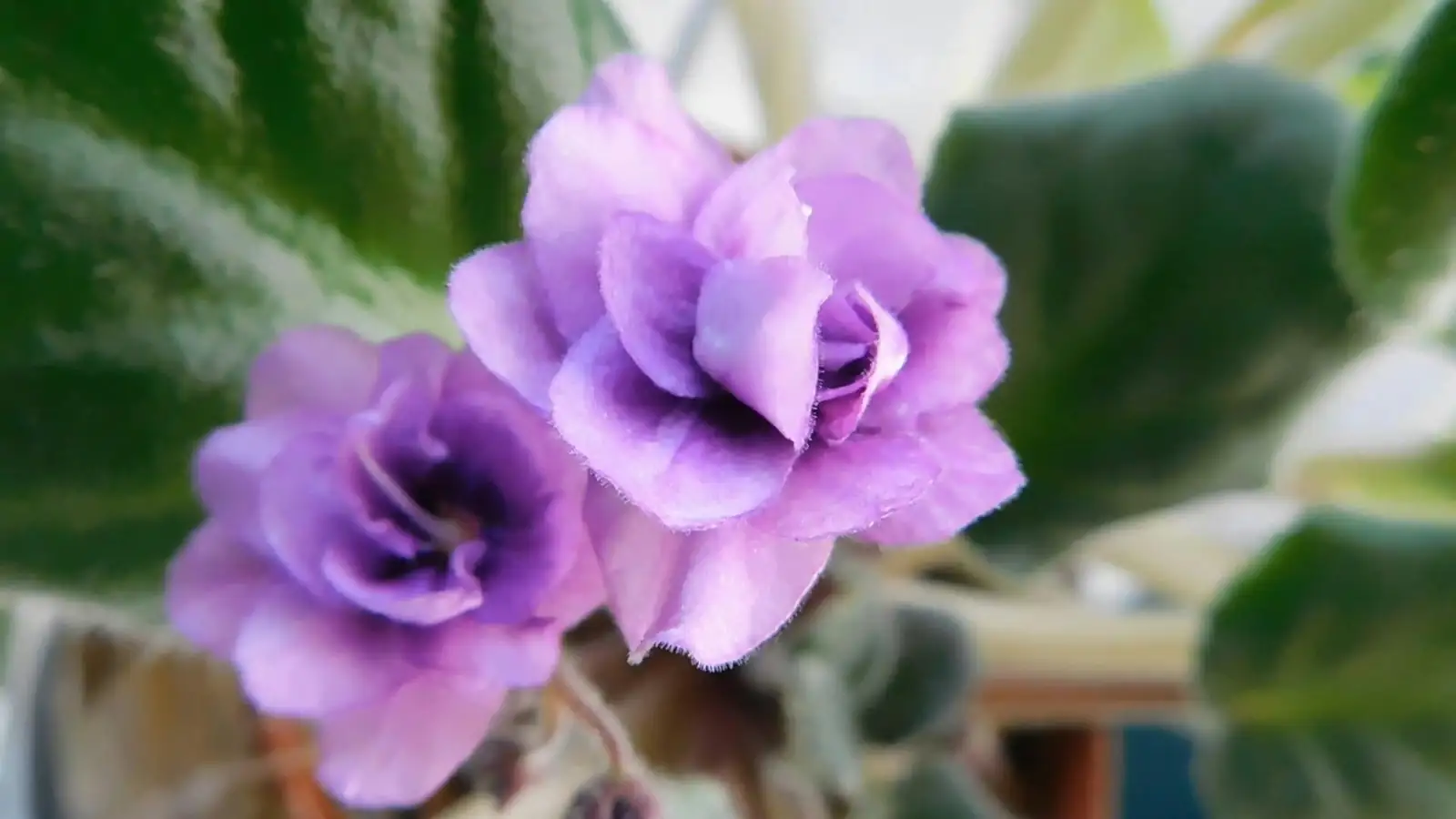
Did you know that African violets symbolize faithful love and devotion? This charming association, coupled with their enduring beauty, makes them a favorite gift for loved ones. Their vibrant blooms, often in shades of purple, evoke a sense of romance and comfort—a perfect reminder of the warmth and care that goes into their cultivation.
Troubleshooting and Tips
- Why isn’t my leaf cutting rooting? Ensure your leaf is healthy and the potting medium is moist but not waterlogged. High humidity and warmth are crucial.
- Can I propagate during winter? Yes, but provide supplemental lighting and maintain a warm environment to encourage growth.
- Why use bottom-watering? This technique helps keep the sensitive leaves and crown dry, minimizing the risk of rot.
Conclusion
Propagating African violets from leaf cuttings is not just a gardening task—it’s a rewarding experience that brings the joy of creation right into your home. Whether you’re an eager beginner or a seasoned plant enthusiast, this simple process can add a touch of tropical elegance to any windowsill. So grab a leaf, and let your green thumb thrive as you multiply your collection of these delightful blooms!


