Unearthing the Charm: The African Violet’s Journey from Wild to Window
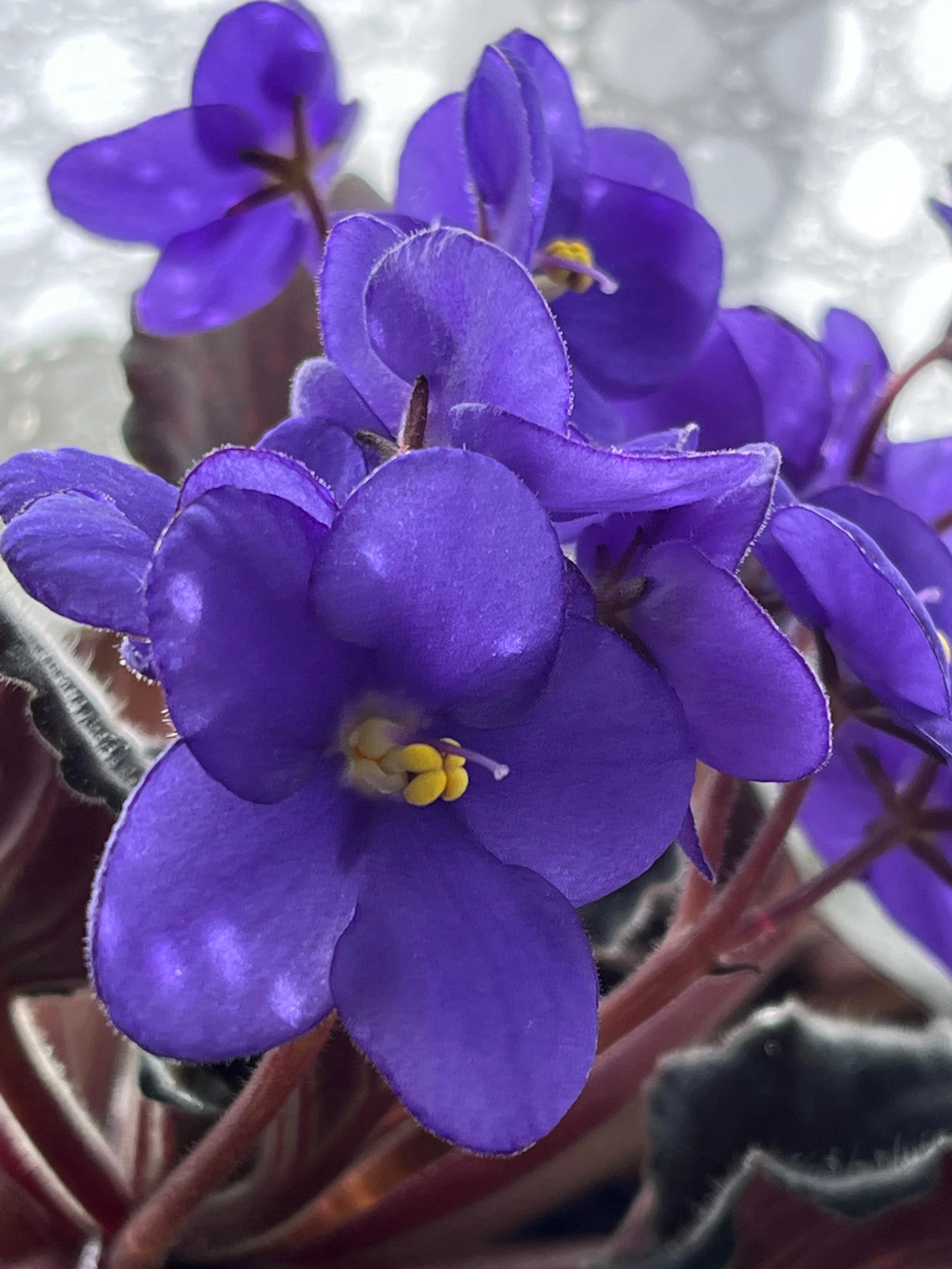
Imagine a plant so enchanting that it captures the hearts of plant enthusiasts around the world, yet so rare in its native habitat that it teeters on the brink of obscurity. Welcome to the world of the African violet, scientifically known as Streptocarpus ionanthus (formerly Saintpaulia ionantha). This beloved houseplant, with its velvety leaves and vibrant blooms, has a story as rich and colorful as its petals.
A Discovery in the Misty Mountains
Our tale begins in the lush, mist-cloaked Usambara Mountains of Tanzania, where in 1892, a German colonial official named Baron Walter von Saint Paul-Illaire stumbled upon these charming plants. The baron was an avid traveler and collector, and his discovery wasn’t just a mere happenstance but a testament to his keen eye for botanical treasures. The African violet was initially known as the Usambara violet, named after the mountains that harbored it.
Thrilled by his discovery, Saint Paul-Illaire sent seeds back to his father in Germany, who was an enthusiastic horticulturist. The elder Saint Paul cultivated these seeds, and soon, the first African violets bloomed in Europe. They were introduced to the botanical elite by Hermann Wendland, a leading botanist who named the genus Saintpaulia in honor of the baron.
A Blooming Journey Across the Globe
From those early days in Germany, African violets embarked on a global voyage. They arrived in the United States by the late 19th century, although their initial reception was frosty—quite literally—due to the harsh east coast climate that stunted their growth. It wasn’t until the advent of fluorescent lighting in the 1930s that these plants truly found their stride, allowing them to flourish in indoor environments. By the mid-20th century, African violets had bloomed into a cultural phenomenon, with enthusiasts across America nurturing them under the glow of artificial lights.
The Evolution of a Houseplant Icon
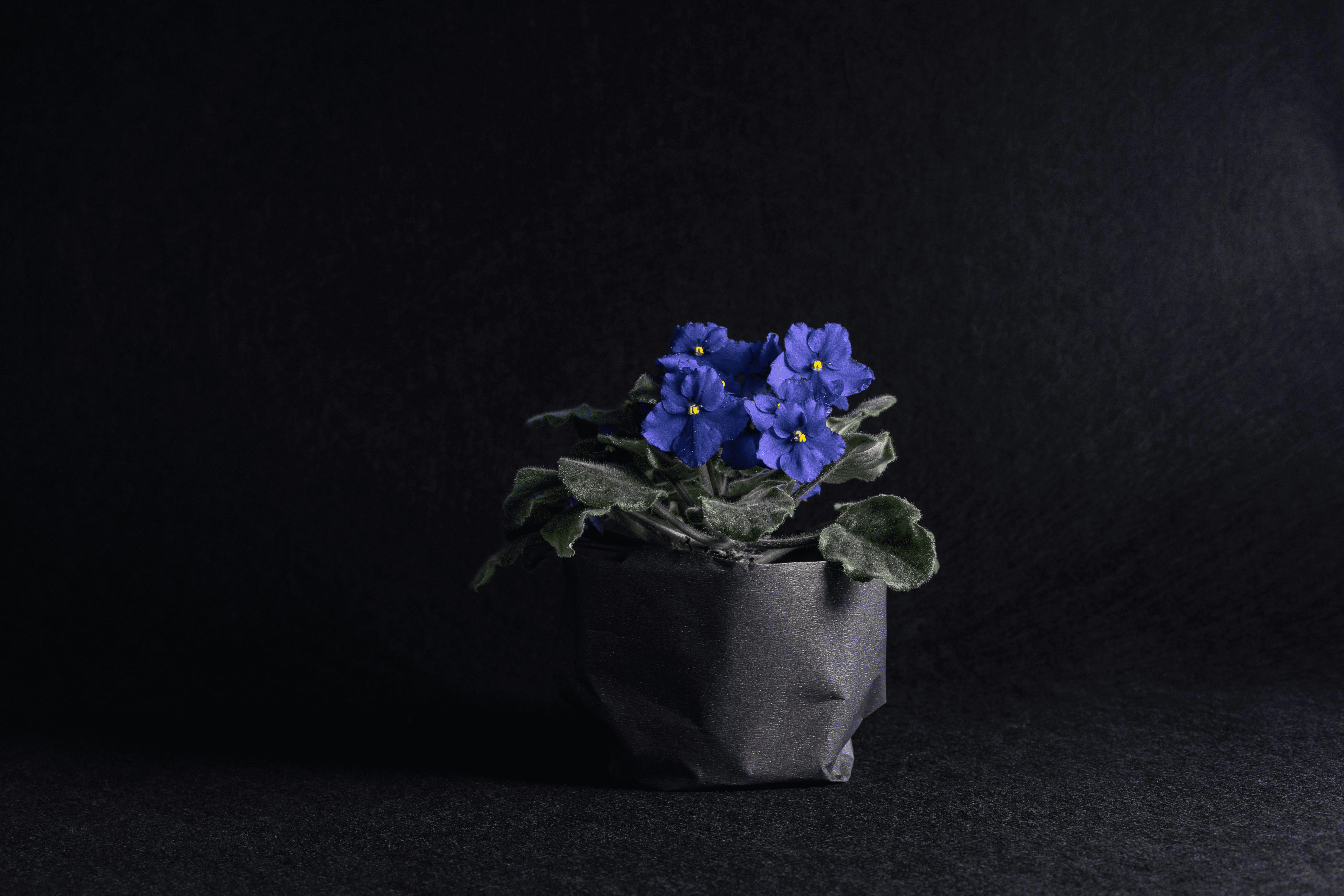
Today, African violets are a staple of indoor gardening, especially prized for their ability to bloom year-round with proper care. Their compact size and vibrant, fuzzy flowers make them perfect for small spaces like desks and windowsills. This adaptability is partly why they’ve remained so popular, evolving through countless cultivars and hybrids—over 32,000, by some accounts. Each variety offers a unique twist on the classic violet, from ruffled petals to variegated leaves.
Despite their domestic prevalence, wild African violets are rare, existing in limited numbers in their native habitats. The Udzungwa Mountains, often dubbed the “Galapagos of Africa,” are one of the few places where these plants naturally thrive. Conservation efforts are vital to protect these regions from poaching and development, ensuring the survival of these botanical gems in the wild.
Care Tips: Cultivating Your Own Violet Haven
For those looking to bring the magic of African violets into their homes, here are a few expert tips:
- Lighting: African violets thrive in bright, indirect light. Too much direct sunlight can scorch their leaves, while too little can hinder blooming.
- Temperature and Humidity: Keep them in environments with temperatures between 16–24°C (61–75°F) and moderate humidity. Avoid cold drafts and excessive heat.
- Watering: Bottom-watering is often recommended to keep their crowns dry and prevent leaf spotting. Use lukewarm water and ensure the soil is well-draining.
- Soil and Potting: A light, airy peat-based mix works best. African violets prefer snug pots, so only repot when necessary.
A Symbol of Devotion
Beyond their aesthetic appeal, African violets carry a rich symbolism. Often associated with faithful love and gentle comfort, these plants make heartfelt gifts, particularly in their vibrant purple hues. Their enduring beauty and ability to bloom continuously mirror the constancy of true affection and devotion.
A Living Legacy
As you nurture your African violet, remember that you are part of a legacy that spans continents and centuries. From the misty mountains of Tanzania to the cozy corners of your home, these plants have traveled far, adapting and thriving in human care. They remind us of the beauty and resilience found in nature, and the joy that comes with cultivating a living piece of history. So, the next time you admire those velvety leaves and cheerful blooms, take a moment to appreciate the storied past and promising future of the African violet—a true testament to nature’s enduring artistry.