

Navigating the World of Alocasia Macrorrhizos: Tackling Common Pests and Diseases
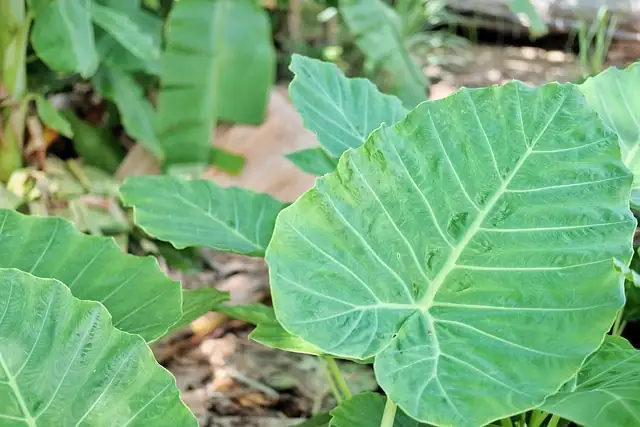
Alocasia macrorrhizos, commonly known as the Giant Taro or Elephant Ear, is a plant that commands attention with its enormous, glossy leaves and dramatic tropical presence. However, like any grand performer, it has its share of backstage challenges. If you’re an enthusiast of this verdant spectacle, it’s crucial to know how to deal with the pests and diseases that can turn its foliage from fabulous to frazzled.
The Uninvited Guests: Common Pests
Aphids: The Tiny Green Marauders
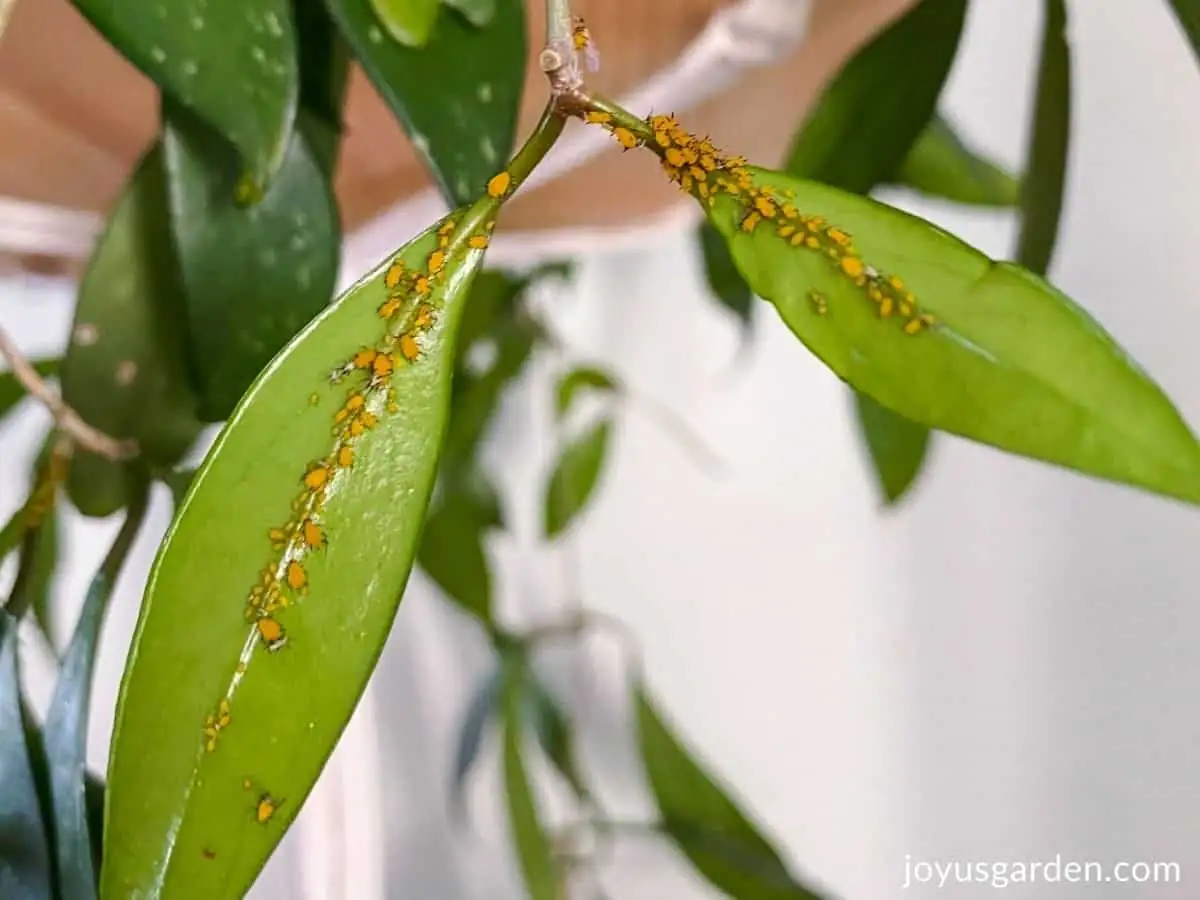
Aphids are like the uninvited guests who show up at your party and refuse to leave. These tiny insects can invade the lush leaves of your Giant Taro, sucking sap and weakening the plant. You might notice yellowing leaves or a sticky substance called honeydew, which can attract other pests or lead to sooty mold.
Prevention and Treatment:
- Isolation: New plants should be quarantined for a couple of weeks to ensure they aren’t carrying these hitchhikers.
- Natural Predators: Ladybugs and lacewings are natural aphid hunters and can help keep populations in check.
- Insecticidal Soap: A regular application of insecticidal soap or horticultural oil can effectively control aphid infestations. Be sure to cover both sides of the leaves and follow the instructions to avoid harming your plant.
The Lurking Threats: Common Diseases
Gray Mold (Botrytis): The Stealthy Invader
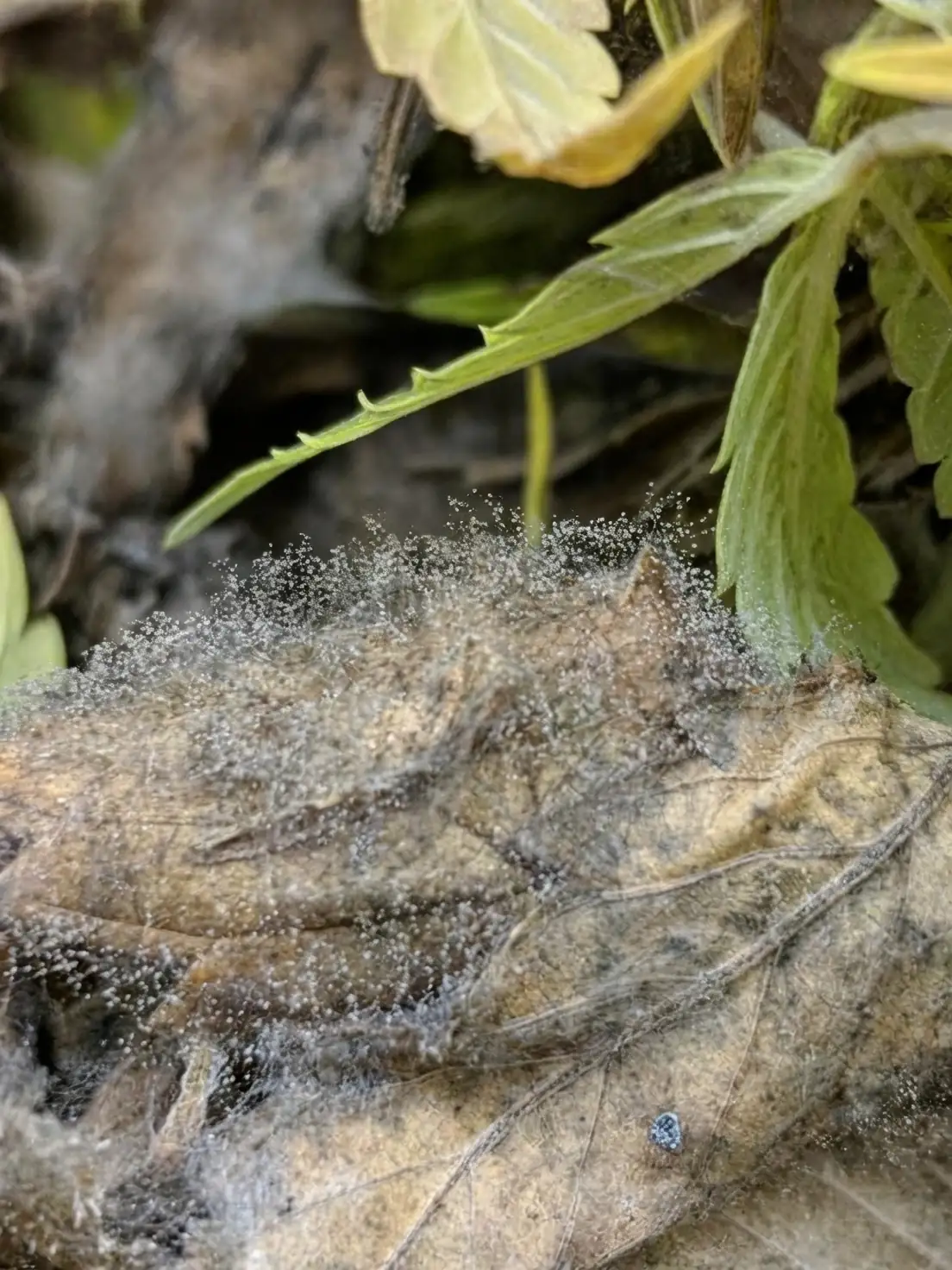
Gray mold can creep in when conditions are cool, damp, and stagnant, much like a stealthy fog rolling into a valley. It appears as fuzzy gray spores on the leaves and stems, often attacking weakened or damaged tissue.
Prevention and Treatment:
- Airflow: Ensure good airflow around your plant by not overcrowding it and using a fan if necessary.
- Remove Affected Tissue: Cut away any infected parts with sanitized tools to prevent the spread.
- Watering Routine: Avoid wetting the leaves late in the day and ensure the potting mix has good drainage. This helps keep the environment less hospitable to mold.
Keeping Your Giant Taro Happy
Creating the Ideal Environment
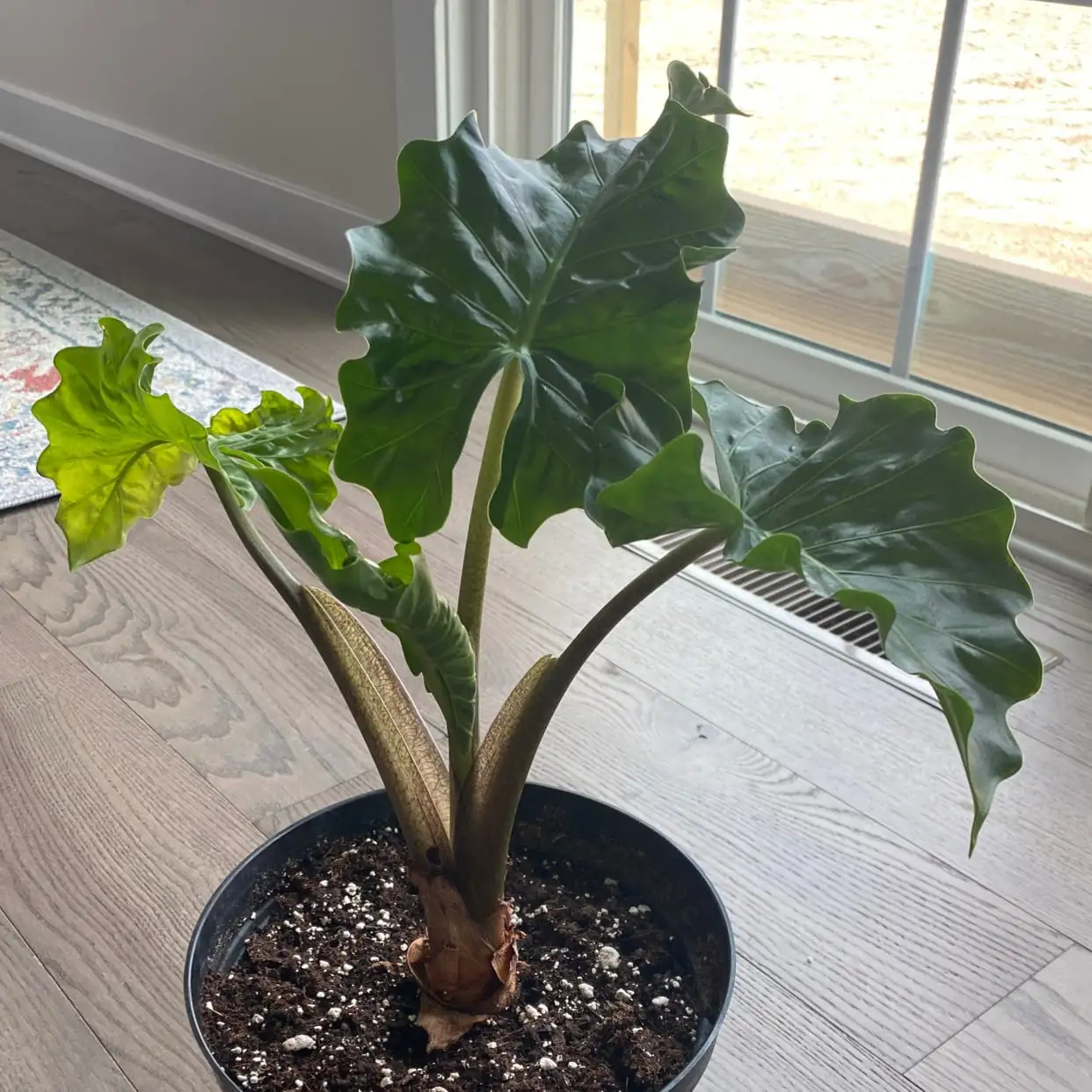
The Giant Taro thrives in conditions that mimic its native tropical habitat. Here’s how you can create an ideal setting:
- Light: Bright, indirect sunlight or partial shade is perfect. Too much direct sun can scorch the leaves, while too little light can lead to leggy growth.
- Humidity and Temperature: Maintain high humidity (70-80%) and a warm environment (20–30°C or 68–86°F). This plant is not a fan of the cold, so keep it above 15°C (59°F) even in winter.
- Soil and Watering: Use a rich, airy mix that retains moisture without becoming waterlogged. Water thoroughly when the top inch of soil dries out, but reduce watering in cooler months when growth slows.
Handling with Care
Remember, Alocasia macrorrhizos has a milky sap containing calcium oxalate crystals, which can be irritating if touched or ingested. Always handle with gloves if you’re sensitive, and keep it out of reach of curious children and pets.
Final Thoughts
Caring for a Giant Taro is like hosting a grand theatrical production. It demands attention and care, but the reward is a stunning performance that can transform any space into a lush, tropical paradise. By keeping an eye out for aphids and gray mold, and ensuring the right growing conditions, your Alocasia macrorrhizos will continue to take center stage with its magnificent foliage. So, are you ready to take on the role of director in this green drama? With the right strategies, you can ensure your Giant Taro remains the star of the show.


