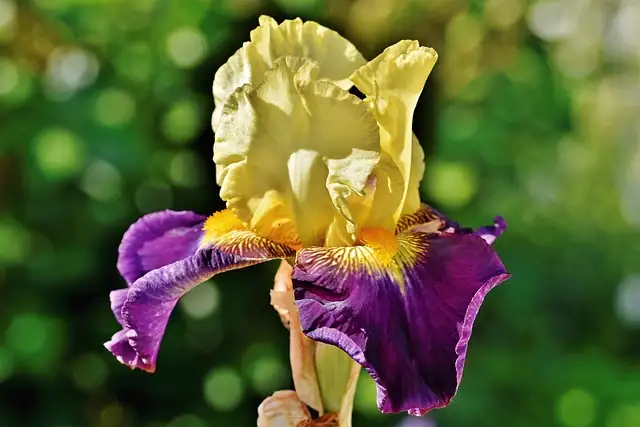
Imagine your garden as a vibrant canvas, painted with the majestic hues of Iris spp., known to many as the “Rainbow Flower” or “Fleur-De-Lis.” With their regal blooms swaying gracefully in the breeze, irises are more than just a feast for the eyes—they’re a symbol of hope, wisdom, and courage, echoing tales of the Greek goddess Iris herself. But even these perennial beauties can face challenges. From sneaky iris borers to persistent leaf spots, several pests and diseases might try to dull your garden’s masterpiece. Fear not! With a bit of knowledge and care, you can keep your irises thriving and dazzling.
Common Pests: The Tiny Invaders
Iris Borers: The Stealthy Tunnelers
Iris borers are perhaps the most notorious pests in the iris world. These cunning caterpillars bore into the foliage, eventually making their way to the rhizomes. The damage they cause can lead to bacterial soft rot, a nasty, foul-smelling affliction. To prevent these intruders, start with good garden hygiene: remove dead foliage in the fall to eliminate their overwintering sites. If you notice any damage, inspect and remove affected parts immediately. Additionally, consider using a targeted insecticide if infestations are severe.
Aphids and Thrips: The Sap Suckers
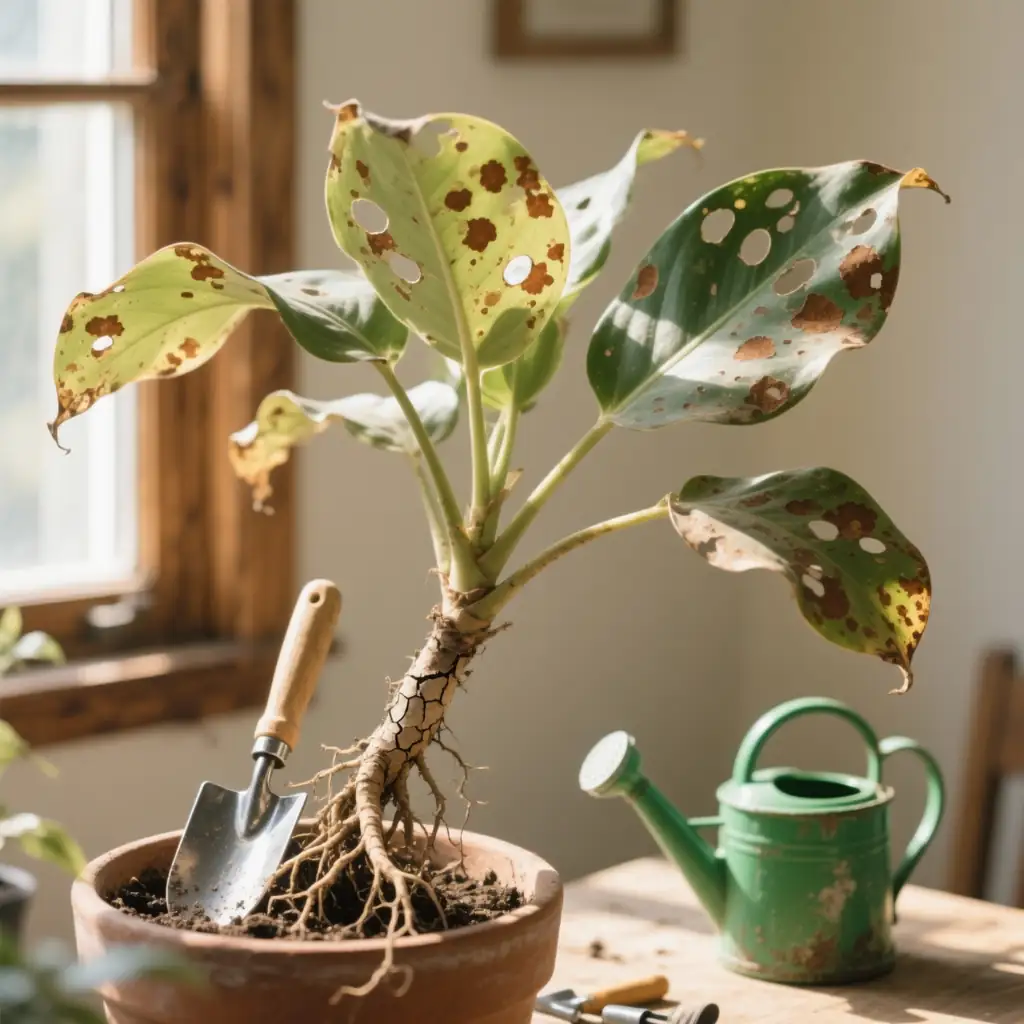
While not as damaging as borers, aphids and thrips can still cause trouble by sucking sap from iris leaves, leading to discolored and distorted foliage. Encouraging natural predators, such as ladybugs, and using insecticidal soap can help keep their populations in check. Regular inspections and swift action are key to managing these pests.
Diseases: The Silent Threats
Leaf Spot: The Unwanted Artist
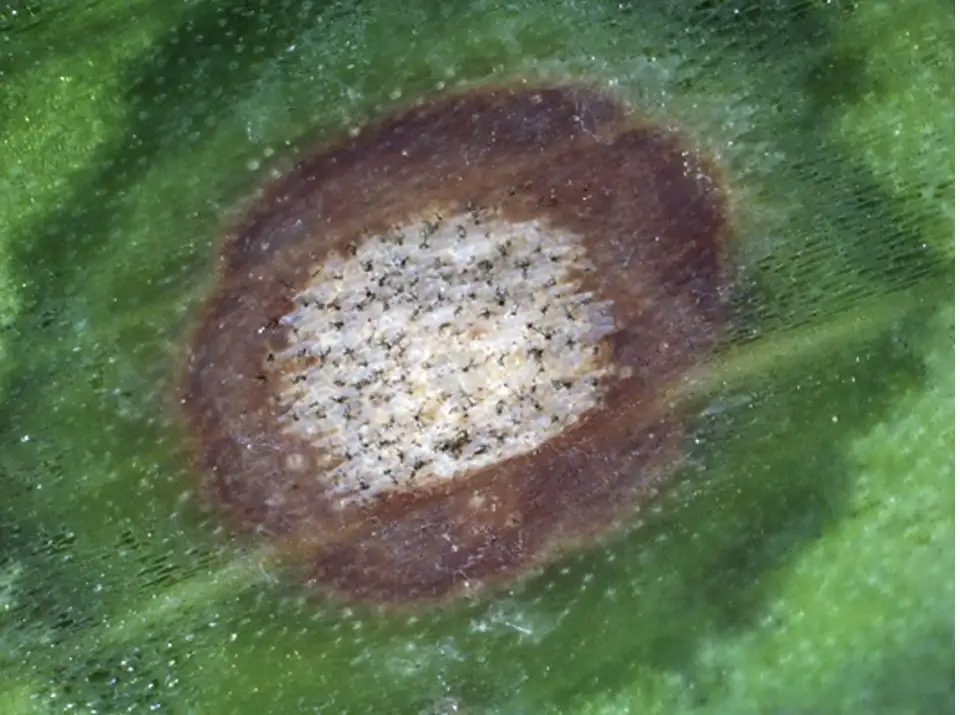
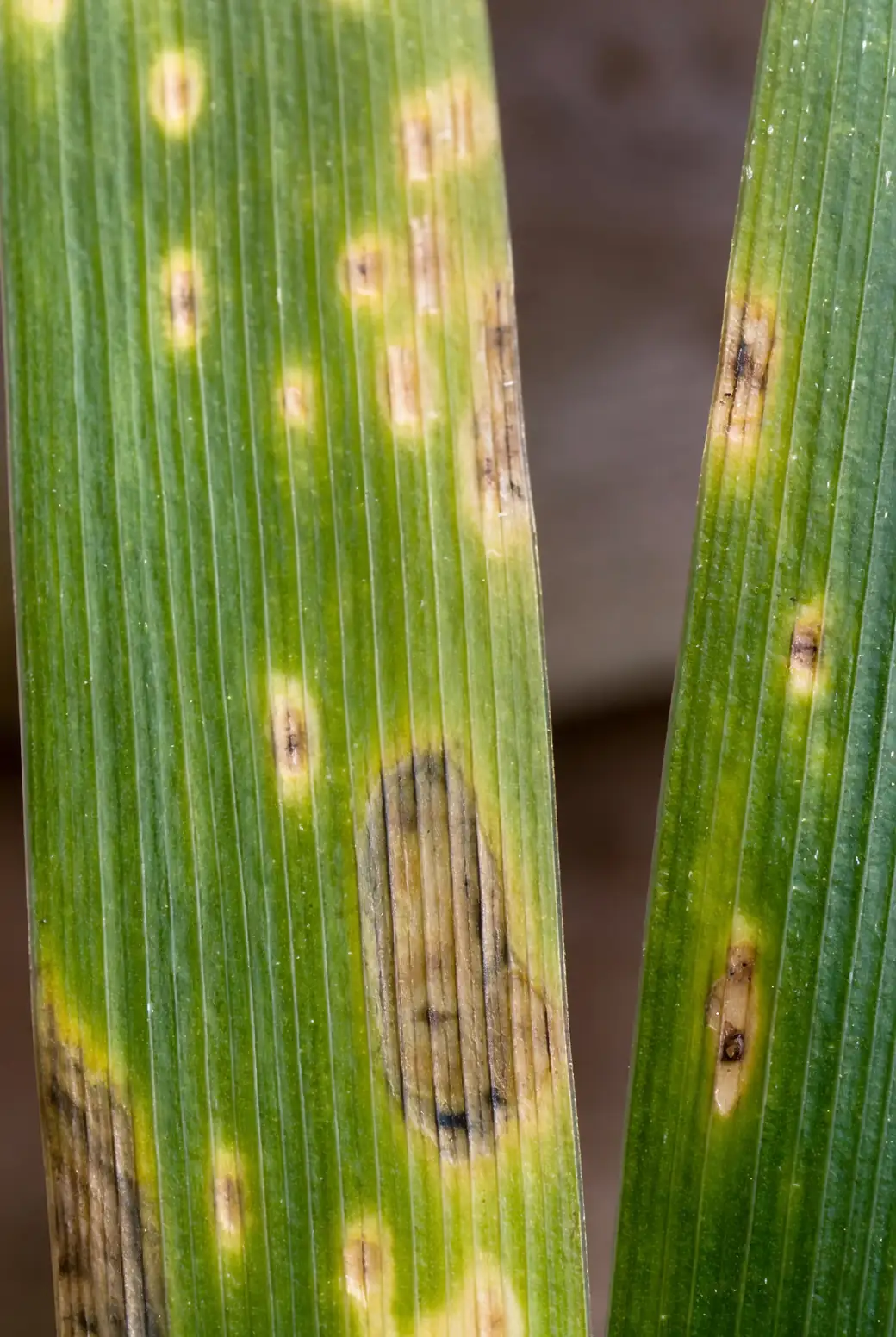
Leaf spot, often caused by the fungus Cladosporium iridis, paints unwanted brown spots across the lush green canvas of your iris leaves. In wet weather, these spots can develop a sooty growth of fungal spores. To combat leaf spots, ensure your irises are well-spaced for good air circulation and avoid overhead watering. Remove and destroy affected leaves, and consider applying a copper-based fungicide in late fall or early spring as a preventive measure.
Bacterial Soft Rot: The Stinky Saboteur
This disease, often linked with iris borers, targets the rhizomes, turning them into a slimy, foul-smelling mess. The culprit is Pectobacterium carotovorum, and it thrives in wet conditions. To prevent soft rot, plant irises in well-draining soil and avoid overwatering. If an infestation occurs, remove and dispose of infected parts immediately, and allow the sun to help dry and sanitize the remaining rhizomes.
Rust: The Leaf Tarnisher
Rust, caused by Puccinia iridis, leaves orange-brown pustules on iris leaves, eventually turning them an unhealthy yellow. While it might sound like a job for a detective, spotting and managing rust is straightforward. Ensure good air circulation and remove infected foliage. If rust becomes persistent, a fungicide may be necessary.
Practical Solutions: Keeping Your Iris Garden Healthy
- Sunlight and Spacing: Ensure your irises receive at least 6–8 hours of direct sunlight daily. Proper spacing promotes air circulation, reducing the risk of diseases.
- Watering Wisely: Water deeply and allow the soil to dry somewhat between waterings. Avoid wetting the foliage to prevent fungal diseases.
- Sanitation: Regularly remove debris and dead foliage. This simple act can prevent pests and diseases from gaining a foothold.
- Fertilization: Use a balanced fertilizer in early spring to support growth and flowering. Avoid high-nitrogen fertilizers, which can encourage leaf growth over blooms.
- Inspection: Regularly check your plants for signs of pests or disease, acting quickly to remove and treat affected areas.
Irises, with their stunning palette and majestic presence, are worth the extra effort to maintain. By understanding and addressing the common pests and diseases that challenge them, you can ensure your garden remains a vibrant testament to nature’s beauty and resilience. So grab your gardening gloves and get ready to protect your floral masterpiece, allowing your irises to continue telling their timeless story of hope and beauty.