

The Art of Growing Irises: Your Ultimate Guide to a Blooming Success
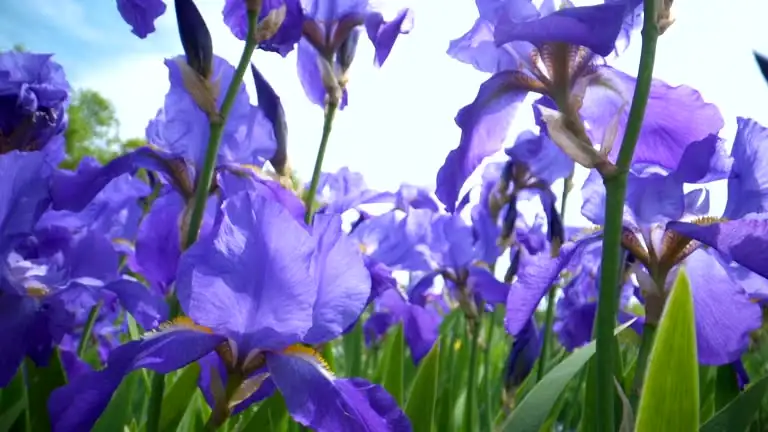
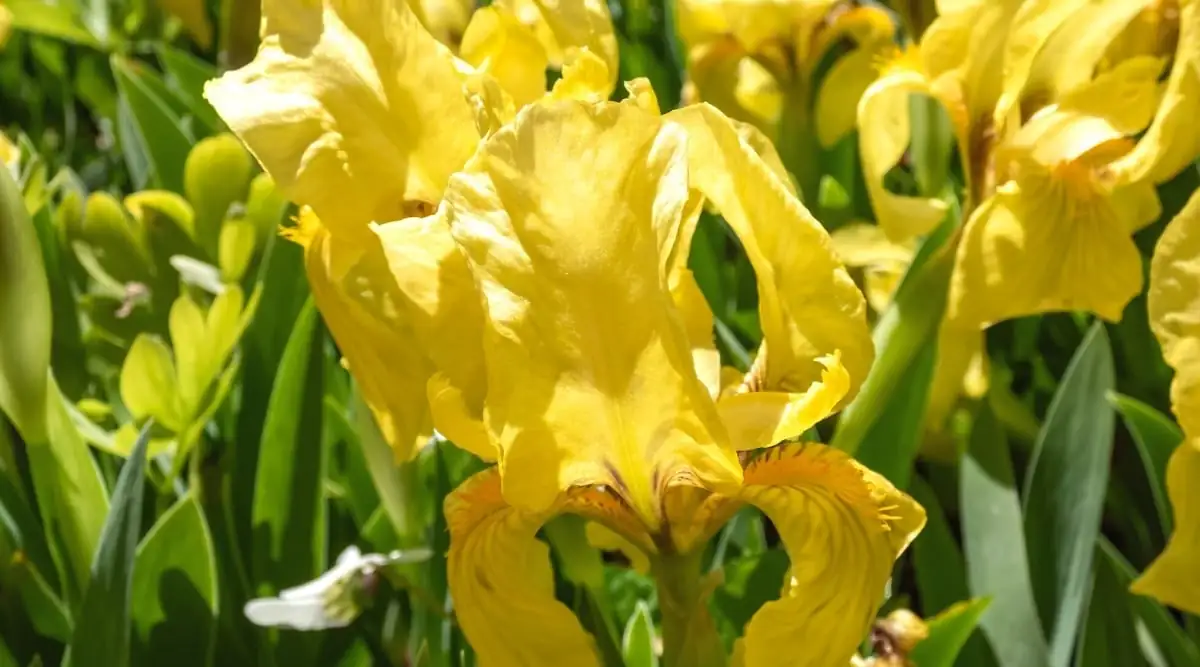
Imagine a palette of colors so vibrant and varied, it could rival a rainbow. This is the world of irises—an enchanting garden staple that brings myth and magic to life. Named after the Greek goddess Iris, the divine messenger who rode rainbows, these perennial beauties offer a kaleidoscope of colors, from the deepest purples to sunny yellows and every hue in between. But to truly master the art of growing these regal flowers, one must dance with the seasons and understand their subtle needs. Let’s dive into the wonderful world of irises and uncover the secrets to cultivating their breathtaking blooms.
Understanding the Iris: A Brief Introduction
With over 300 species spread across the Northern Hemisphere, irises are as diverse as they are beautiful. The most famous—bearded irises—originated in the Mediterranean, while Siberian irises hail from the cooler regions of Central Europe and Russia. These flowers are distinguished by six petal-like segments: three upright “standards” and three drooping “falls.” Bearded varieties present an additional flourish—a fuzzy “beard” on the falls, adding texture to their elegance.

Light Up Your Garden: Sunlight and Placement
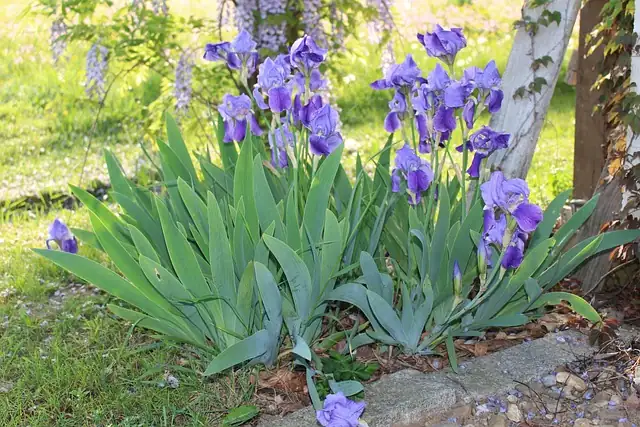
Irises are sun worshippers. For the most dazzling display, plant them where they can bask in full sun for 6 to 8 hours daily. While they tolerate partial shade, reduced light often leads to fewer blooms. Bearded irises, in particular, demand their own space, free from the looming shadows of taller plants. Position these beauties in mixed borders, cutting gardens, or as the focal point in your landscape, and watch your garden come to life.
The Foundation of Bloom: Soil and Watering
Irises thrive in fertile, well-drained soil with a neutral to slightly acidic pH (around 6.5–7.0). Bearded irises prefer sharp drainage, while their Siberian and Japanese cousins enjoy more consistent moisture. A good rule of thumb is to ensure “wet feet, but dry knees.” This means the soil should be moist, but not waterlogged, particularly during winter. Deep, less frequent watering encourages strong root development, but be cautious—overwatering is a common pitfall that can lead to rot and disease.
Nutrient Know-How: Fertilization Essentials
In early spring, a balanced fertilizer (such as 10-10-10) can kickstart the growing season. For best results, opt for a lower-nitrogen formula to encourage blooming over leafy growth. Some reblooming varieties benefit from a second, lighter feeding after their initial bloom cycle. An annual top-dress of compost can enhance overall plant vigor, preparing your irises for a show-stopping performance.
Seasonal Choreography: Planting and Pruning
Timing is everything in the garden, and irises are no exception. Plant most irises in late summer to early fall, giving them ample time to establish before winter. When blooms fade, deadhead spent flowers to conserve energy, and trim back foliage after a hard frost to about 6 inches for a tidy winter appearance.
Propagation and Repotting: Keep the Magic Alive
To maintain vibrant blooms and prevent overcrowding, divide irises every 2 to 5 years, usually in late summer. Lift the clumps, separate the healthy rhizomes from the old, woody centers, and replant them with the roots spread out. For container-grown irises, refresh the potting mix every 2 to 3 years, ensuring the rhizomes are at or just below the soil surface.
Guarding the Rainbow: Pests and Diseases
Irises are not immune to garden challenges. Iris borers, aphids, and thrips can pose threats, while diseases like bacterial soft rot and leaf spot lurk in poorly drained areas. Combat these issues with good sanitation, proper spacing, and avoiding overhead watering. Remember, healthy plants are your best defense against pests and disease.
The Language of Flowers: Symbolism and Significance
Irises carry rich symbolism, often associated with faith, hope, wisdom, and courage. The colors themselves speak volumes: purple for royalty and wisdom, white for purity, and blue for hope. In mythology, Iris was a divine messenger, her namesake flowers conveying messages of admiration through their vibrant blooms. As you nurture these flowers, you become part of an ancient tradition of beauty and meaning.
Fun Facts to Brighten Your Day
Did you know that orris root, derived from certain iris rhizomes, is a prized ingredient in perfumery? It takes years to develop its signature scent, reminiscent of violets. And in art, Vincent van Gogh’s “Irises” remains one of the most celebrated floral paintings, capturing the essence of these stunning blooms.
Growing irises is more than a gardening task—it’s a harmonious blend of art and science. By understanding their needs and rhythms, you can enjoy a garden filled with the enchanting colors of the rainbow, year after year. Embrace the journey, and let irises transform your landscape into a masterpiece of nature.


