A Quirky Journey Into the World of Olea europaea: The Olive Tree
Ah, the olive tree—Olea europaea if we’re getting all formal. This Mediterranean marvel isn’t just the purveyor of our beloved olive oil; it’s a botanical wanderer with stories as twisty as its ancient trunk. Let’s dive into some quirky and lesser-known facts about this evergreen wonder that might just make you look at your next bottle of extra virgin in a whole new light.
The Wise Old Tree with a Twist
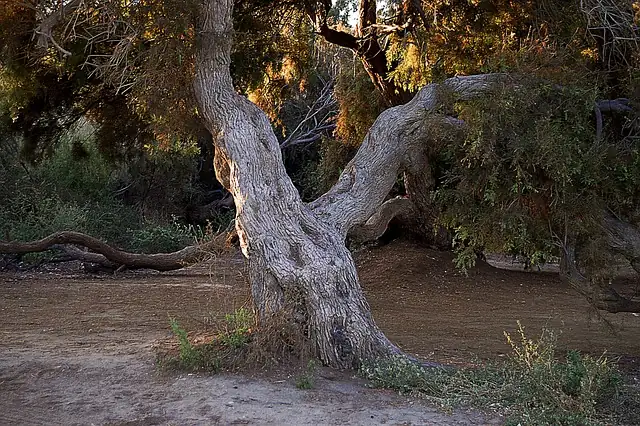
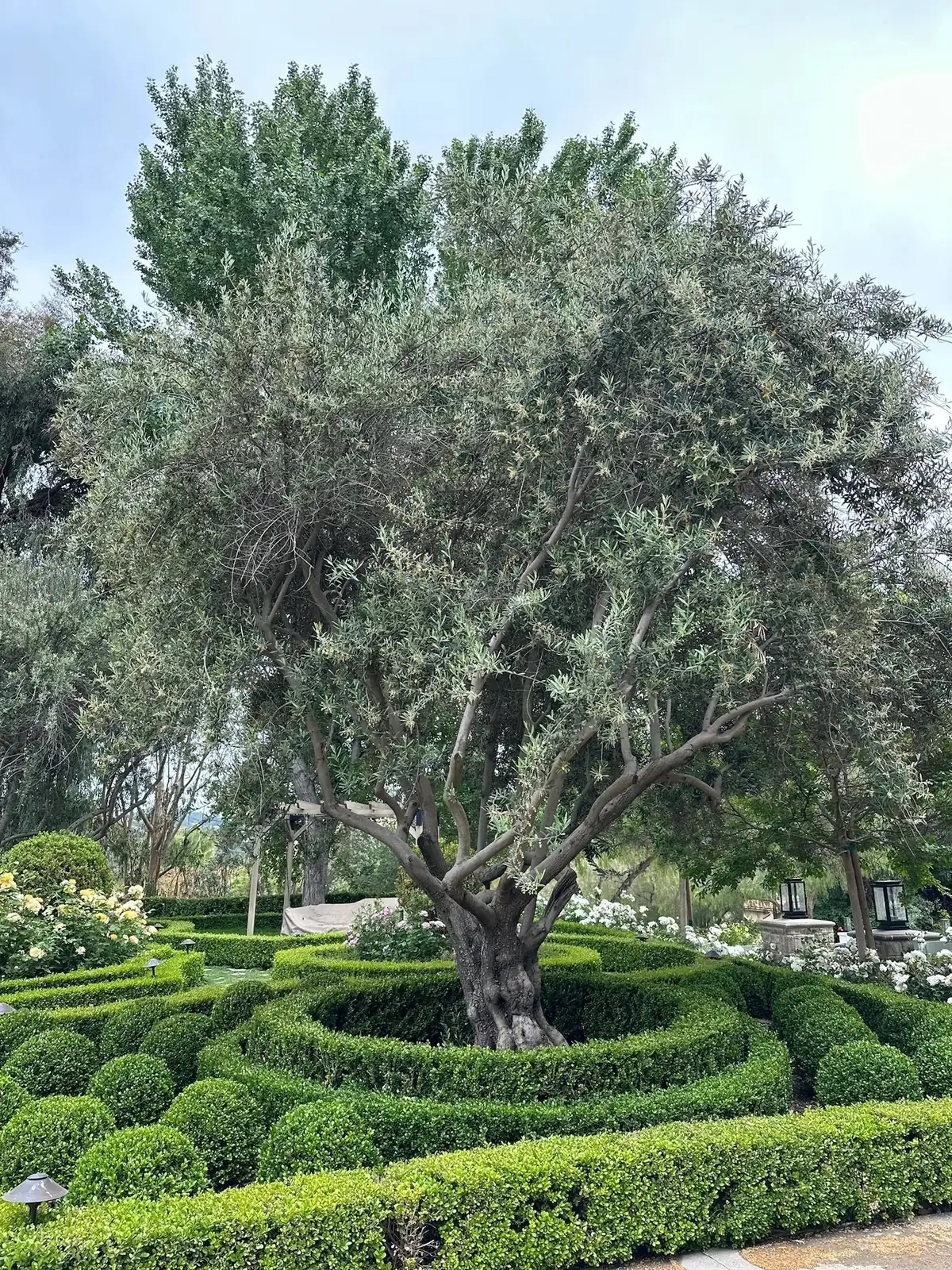
Imagine a tree that holds the secrets of millennia and the whispers of ancient civilizations. Olive trees are not just old; they are ancient. Some olive trees are believed to be over 1,000 years old, with the oldest certified ones in Crete and Puglia claiming a jaw-dropping 2,000 to 4,000 years! These arboreal elders have witnessed the rise and fall of empires, their trunks gnarled and twisted like nature’s own sculptures.
But age is not the only quirky feature of the olive tree. As it ages, its trunk may hollow out, yet it continues to thrive. Its resilience is legendary—these trees can endure droughts and, remarkably, can recover even after wildfires. Their root systems are like regenerative superheroes, ready to shoot out new growth even when the above-ground parts seem to have given up.
The Art of Playing Hard to Get
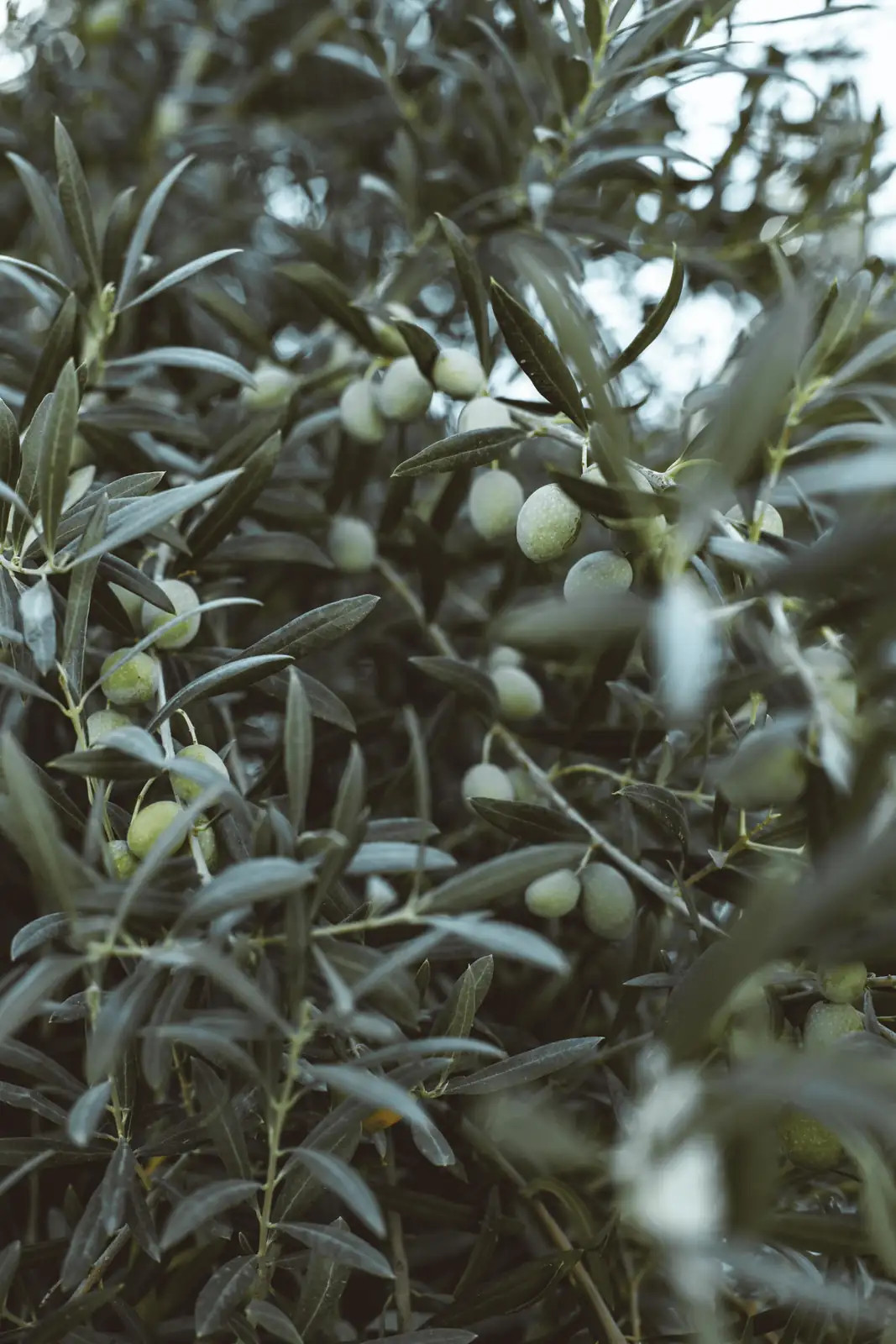
In the world of olive trees, patience is more than a virtue; it’s a necessity. It takes about 15 years for an olive tree to reach maturity and start producing fruit. And just when you think you’ve got the hang of it, the tree throws you a curveball with its alternate bearing habit. One year, you’re blessed with a bountiful harvest, and the next, it’s as if the tree has decided to take a sabbatical, offering only a modest yield.
This biennial bearing phenomenon may seem capricious, but it’s a part of the olive tree’s charm. It balances its energy and resources, ensuring survival over the long haul. So, if you’re planning to start your olive grove, be prepared for this delightful unpredictability.
Sun, Soil, and a Mediterranean Mindset
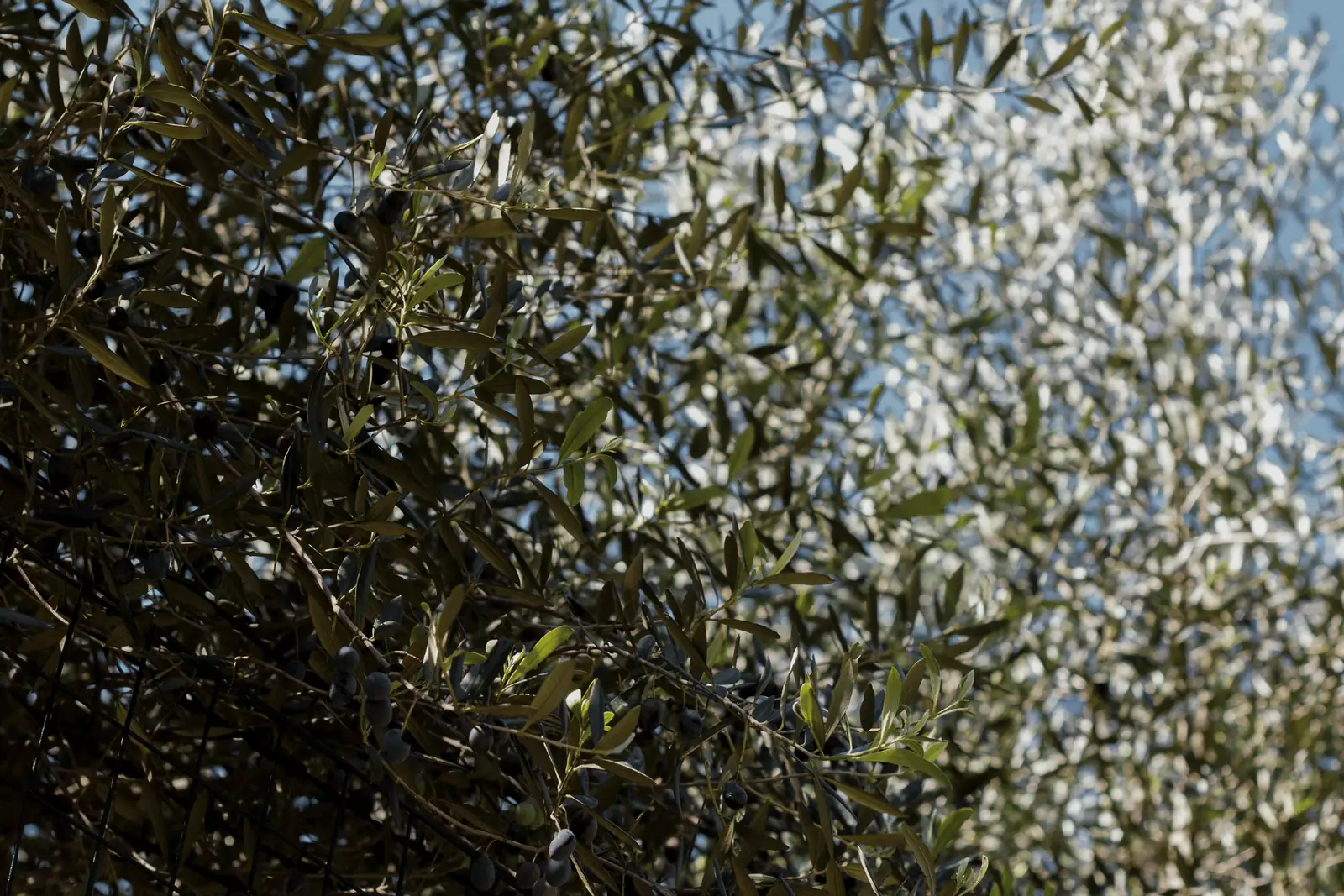
Olive trees are the quintessential sun-worshippers. They thrive in full sun, basking in at least 6-8 hours of direct light. Their love for warm conditions makes them a natural fit for Mediterranean climates, where they can soak up the sun’s rays and produce those luscious olives we adore.
These trees aren’t picky about soil either. Give them well-drained, slightly alkaline soil, and they’ll be content. However, waterlogged conditions? That’s a no-go zone. Olives prefer a “soak, then dry” watering routine, showing their drought-tolerant nature once established.
The Symbolism of the Olive Branch
Throughout history, olive trees have been more than just a source of sustenance. The olive branch is an enduring symbol of peace, hope, and reconciliation. From ancient Greece to the United Nations, this simple branch has declared armistice and adorned national flags.
Beyond peace, olive trees symbolize wisdom and longevity. They have an aura of serenity and strength, standing as botanical testaments to the passage of time and the endurance of life.
Fun Facts to Impress Your Friends
- Olive oil is often dubbed “liquid gold,” and for good reason. It’s a cornerstone of the Mediterranean diet, celebrated for its health benefits and culinary versatility.
- Olive trees have a unique twisting growth pattern, reminiscent of human DNA spirals, adding an extra layer of mystique to their already enigmatic presence.
- The olive tree’s fruit isn’t just for oil. Olives, cured and brined, are a staple in Mediterranean cuisine, though biting into one straight from the tree might lead to a bitter surprise.
In conclusion, the olive tree is more than just a plant; it’s a living piece of history, a symbol of resilience, and a source of culinary delight. Whether you’re savoring a drizzle of olive oil or simply admiring its silvery foliage, remember the quirky, enduring spirit of Olea europaea. Next time you pass an olive tree, give it a nod—it might just nod back with a thousand years of wisdom.