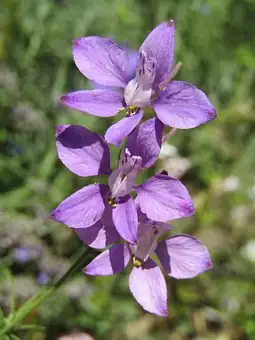
Delphiniums, often known as larkspurs, are like the prima ballerinas of the garden world—tall, graceful, and with a knack for captivating an audience. Their iconic tall spikes of true blue flowers are a rare sight in nature and a treasure in the botanical realm. But even these showstoppers can benefit from a supporting cast of companion plants in the garden. Let’s explore how to pair delphiniums with the best botanical partners to create a stunning, balanced, and ecologically vibrant garden.
The Art of Companion Planting with Delphiniums
Imagine your garden as a symphony, with each plant playing a unique role. Delphiniums are the dramatic soloists, but the ensemble of companion plants can create harmony and depth. Proper companions can enhance the visual appeal of your delphiniums, provide natural support, and even help in pest management.
Tall and Stately: The Backdrop Companions
Delphiniums, with their statuesque height—reaching up to 180 cm (6 ft)—are perfect for the back of the border. You want to choose companions that complement this vertical elegance:
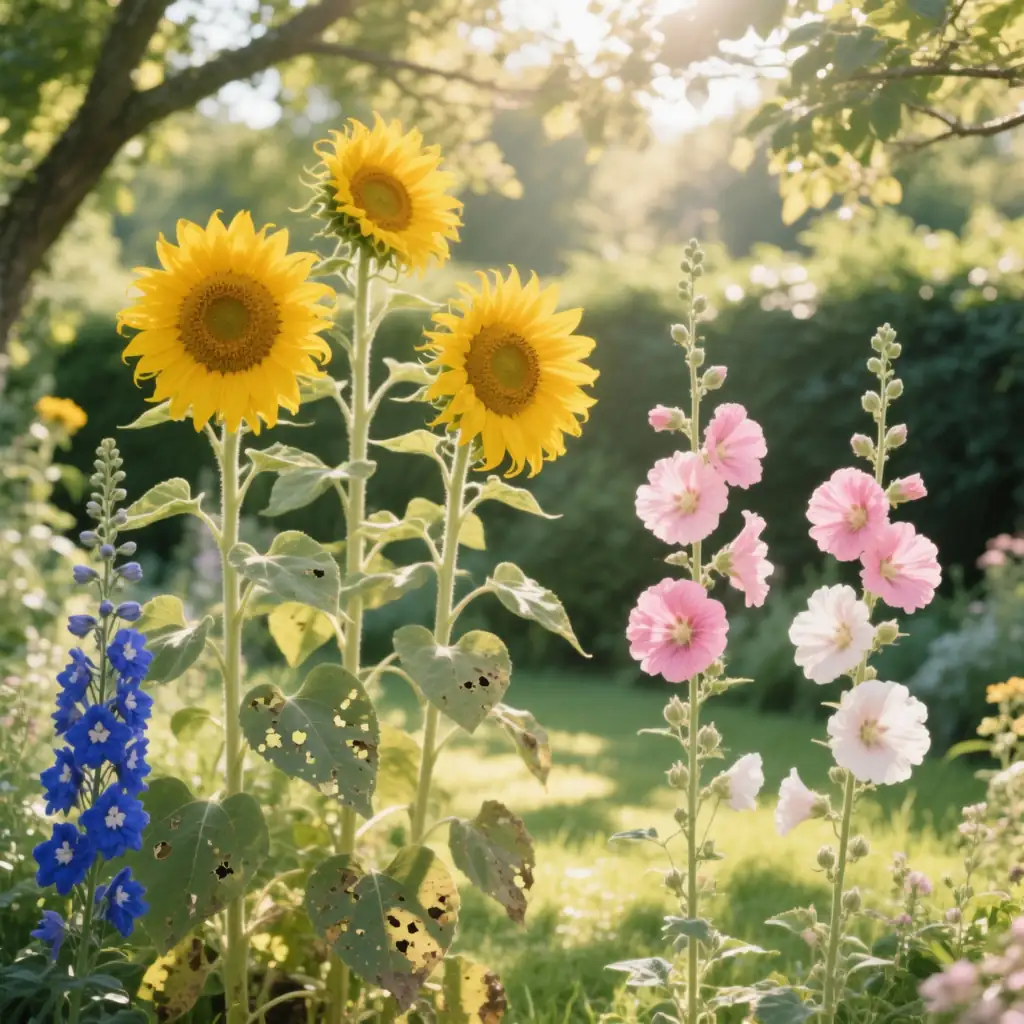
- Sunflowers and Hollyhocks: These giants can echo the towering presence of delphiniums, creating a layered backdrop that protects against wind and provides a stunning contrast with their broad leaves and vibrant blooms.
- Tall Grasses and Joe Pye Weed: These add texture and movement, with their airy plumes swaying in the breeze, offering a natural foil to the dense spikes of the delphinium.
Mid-Height Charmers: The Middle Ground
Medium-height plants can act as a bridge between the towering delphiniums and the ground-level blooms:
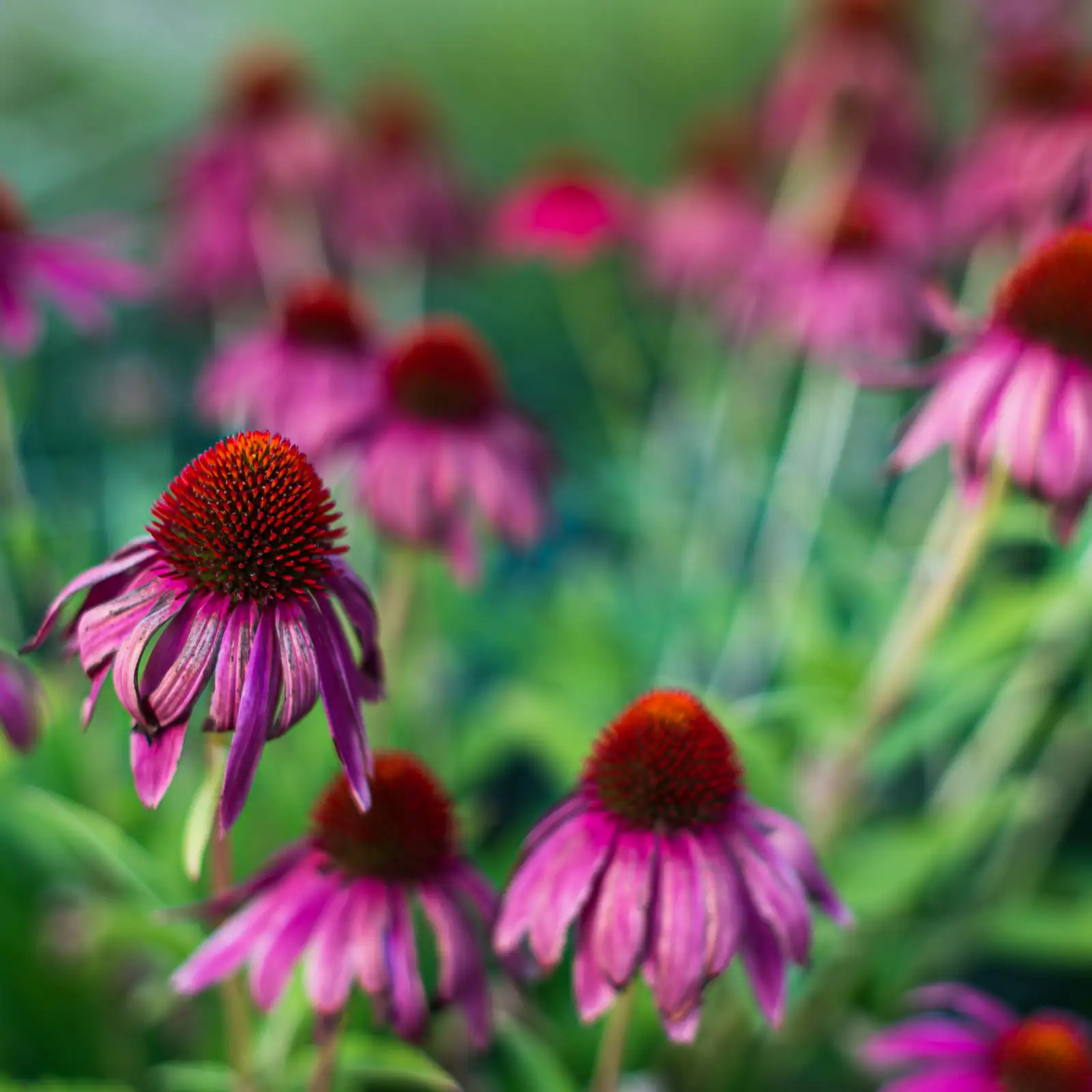
- Echinacea and Phlox: These perennials add a burst of color and can mask any support stakes used for delphiniums, enhancing the overall aesthetics.
- Foxglove and Rudbeckia: With their striking vertical lines and vibrant colors, these plants mirror the height of the delphiniums while adding depth and dimension.
Ground-Level Beauties: The Foreground
At the garden’s edge, low-growing plants round out the composition and provide a counterpoint to the vertical drama:
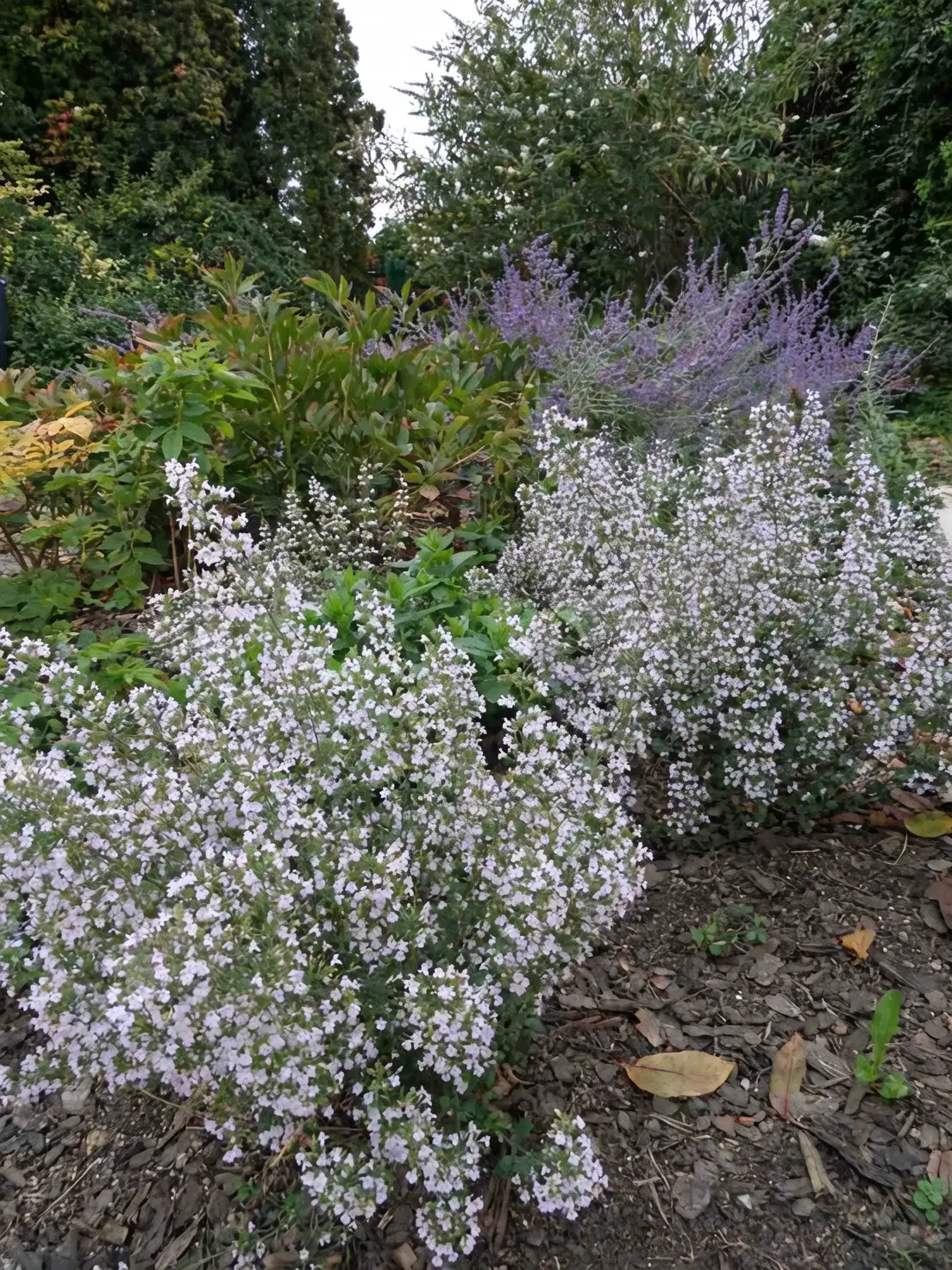
- Salvia and Nepeta: These ground covers offer a soothing contrast with their more subdued hues and soft, flowing forms.
- Daylilies and Poppies: Their bright, cheerful blooms create a lively carpet that complements the stately spikes of the delphiniums.
Beyond Beauty: The Ecological Symphony
While aesthetics are important, companion planting also serves ecological functions. Delphiniums are known for attracting pollinators like bees and butterflies. By including a variety of plants, you can create a biodiverse environment that supports a myriad of beneficial insects.
Natural Pest Management
Delphiniums have a secret weapon: their toxicity. While this makes them dangerous to humans and pets, it also deters pests. Japanese beetles are drawn to delphiniums but often perish after consuming their toxins. This can indirectly benefit surrounding plants, creating a protective halo.
The Importance of Soil and Sun
Delphiniums thrive in well-drained, humus-rich soil and prefer a sunny spot with some protection from harsh afternoon rays. Companion plants should share similar soil and light preferences to ensure cohesive growth. Slightly alkaline soil, often favored by delphiniums, can be achieved by adding lime, benefiting plants like clematis and poppies that thrive under similar conditions.
Designing Your Garden Symphony
When planning your garden, consider the visual and ecological roles each plant will play alongside your delphiniums. Think of your garden as a living painting, where color, form, and function blend seamlessly. Delphiniums, with their association with clarity and beauty, can become the centerpiece of a garden that is not only visually stunning but ecologically balanced.
So, are you ready to let your delphiniums take center stage while their companions support and enhance their performance? It’s time to orchestrate your garden masterpiece, one that sings with beauty and buzzes with life.