

Exploring the Symbolism of Delphinium in Flower Language
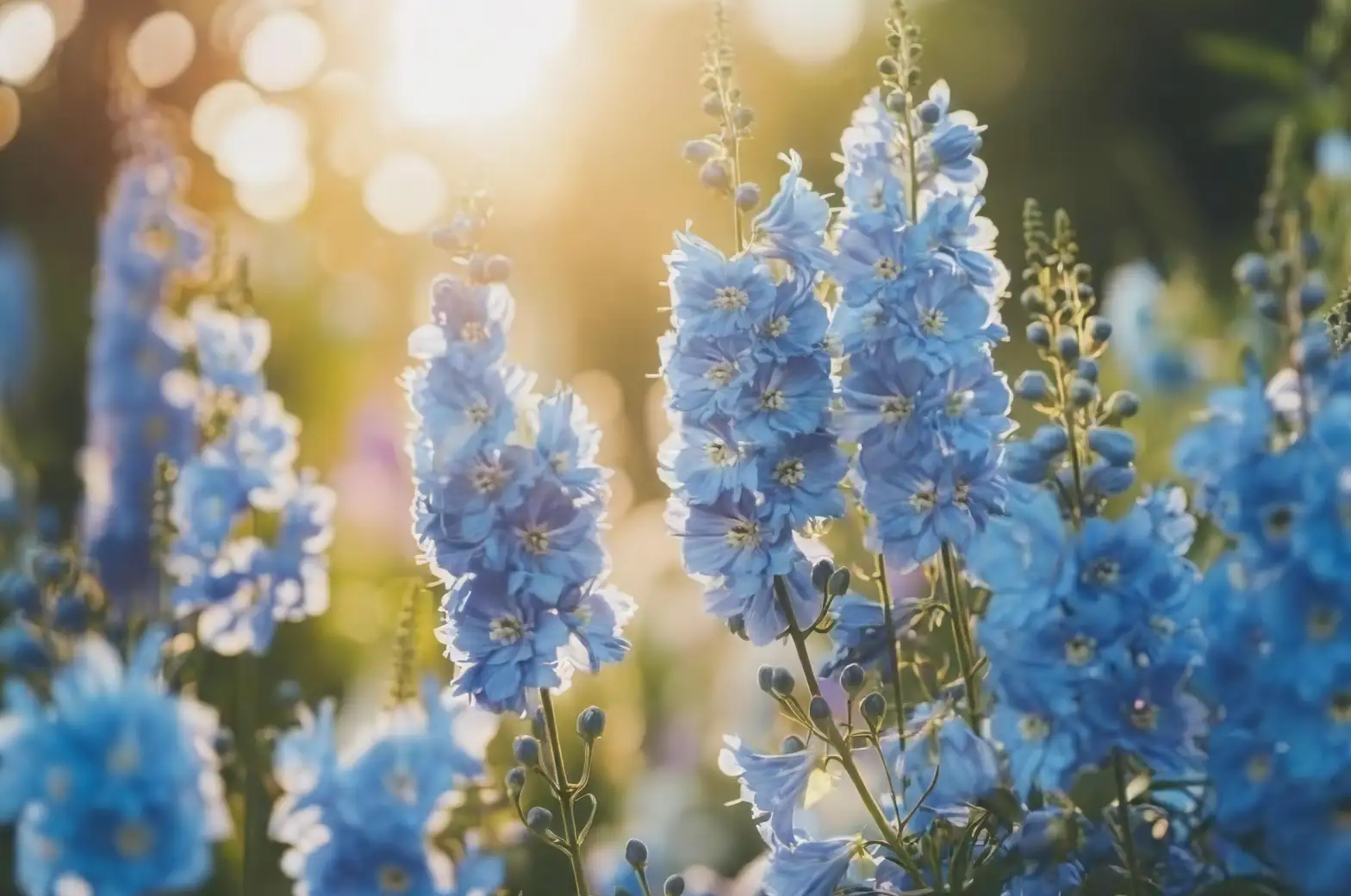
Imagine walking through a sun-drenched garden, where towering spikes of vibrant blue flowers sway gently in the breeze. Among these floral giants, the Delphinium—or larkspur—stands as a beacon of both beauty and meaning. Known for its true blue hue and dolphin-nosed blooms, the Delphinium is more than just a visual delight; it carries a wealth of symbolism that spans cultures and centuries.
A Brief Dive into Delphinium’s Etymology and Origins
The Delphinium’s name is derived from the Greek word “delphis,” meaning dolphin—aptly describing the shape of its buds. This elegant perennial is a member of the buttercup family (Ranunculaceae) and is native to the Northern Hemisphere, with over 300 species gracing gardens and wild landscapes alike. Historically, Delphiniums were often referred to as “larkspur,” a name inspired by the flower’s nectary, which resembles a lark’s claw.
Delphinium’s Symbolic Language: A Bouquet of Meanings
In the language of flowers, each blossom speaks volumes. Delphiniums, with their towering presence and rich colors, convey messages of lightness, joy, and protection. These flowers are often associated with:
- Openness and New Beginnings: Just as these flowers bloom upward, reaching for the sky, they symbolize an openness to new experiences and opportunities.
- Cheerfulness and Goodwill: Their vibrant hues evoke a sense of joy and warmth, making them perfect for conveying goodwill and positive energy.
- Protection and Remembrance: In folklore, Delphiniums were believed to ward off negative energies and scorpion stings, highlighting their protective symbolism. They’re also used in remembrance, symbolizing a connection to loved ones lost.
Cultural Threads and Traditional Uses
Across different cultures, Delphiniums have held various meanings and uses. Native Americans and European settlers alike valued these flowers for their ability to produce a striking blue dye. In traditional lore, the Delphinium was a protective talisman, believed to offer safety from harm.
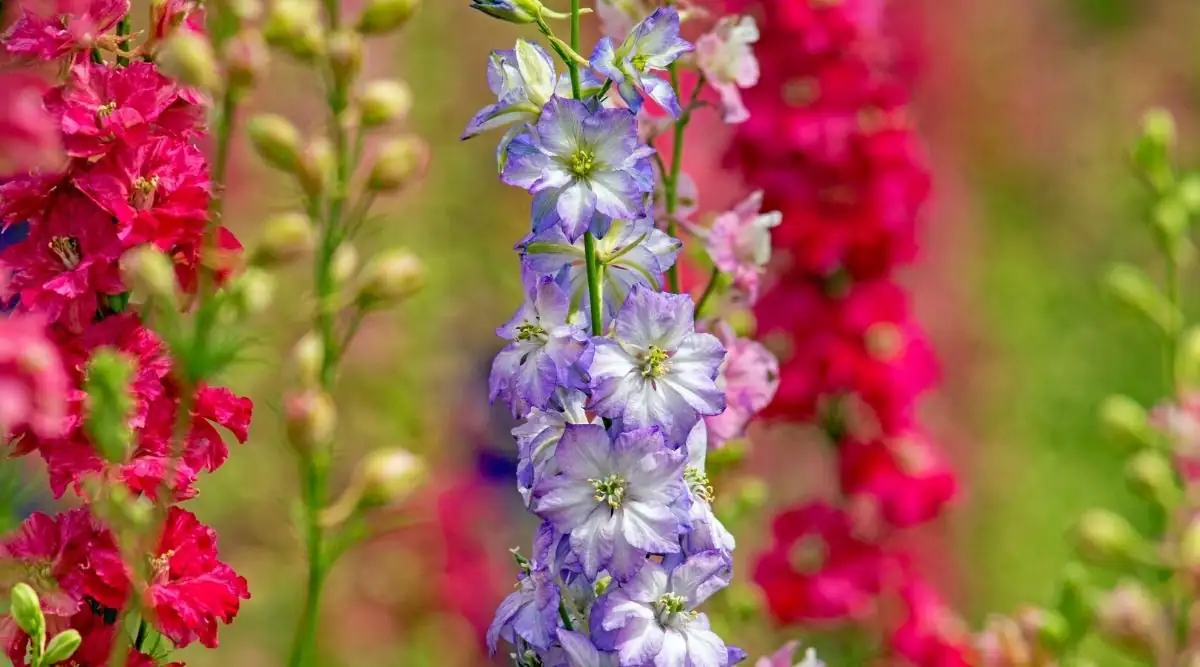
In Victorian flower language, these blooms were often used to communicate deep emotional connections, such as strong bonds of affection and love. Their meanings can vary with color: pink for poetry, blue for melancholy, purple for affection, and white for elegance.
Delphiniums as Gifts: When and Why to Choose Them
Gifting Delphiniums can be a delightful way to express a multitude of sentiments:
- Celebrations of New Ventures: Whether it’s a new job, a new home, or a new chapter in life, presenting Delphiniums can symbolize encouragement and support.
- Expressions of Affection: Their association with love and affection makes them a wonderful choice for romantic gestures or to celebrate a cherished friendship.
- Symbols of Protection and Remembrance: Offering these flowers can also convey wishes for safety or serve as a tribute to someone special who has passed.
The Beauty and Challenges of Growing Delphiniums
While their symbolism is captivating, growing Delphiniums requires a touch of dedication. They thrive in cool-summer conditions with well-drained, humus-rich soil and plenty of sunlight—around 6-8 hours a day. However, their tall, hollow stems often need staking to withstand wind and rain, and they prefer evenly moist soil to avoid fungal diseases.
Delphiniums are not just a feast for the eyes; they’re a testament to the intricate tapestry of meanings woven into the language of flowers. Whether you’re planting them in your garden or gifting them to a loved one, these elegant blooms carry a message as vibrant as their petals. Embrace the opportunity to let Delphiniums speak the language of your heart, and watch how they transform any space into a canvas of color and meaning.


