When it comes to herbs that capture both the heart and the kitchen, rosemary stands in a league of its own. Known scientifically as Salvia rosmarinus (previously Rosmarinus officinalis), this aromatic wonder is much more than a garnish for your Sunday roast. With its Mediterranean roots, rosemary is a resilient perennial that can thrive in your garden or in pots, provided you meet its simple but specific needs. Let’s delve into the expert tips that can help you grow rosemary like a pro, while avoiding the common pitfalls that often lead to its untimely demise.
The Sun Worshipper: Rosemary’s Light Requirements
Imagine rosemary as the sunbather of the plant world. It thrives in bright, full sunlight, needing at least 6 to 8 hours of direct sun daily to maintain its health and vigor. This need for light is not just a preference; it’s a lifestyle. Place your rosemary in the sunniest spot available—whether it’s a garden bed, a patio, or a south-facing windowsill indoors. If your rosemary seems a bit stretched or leggy, it might be signaling for more light, so consider adjusting its location or supplementing with a grow light indoors.
Soil Savvy: The Need for Speedy Drainage
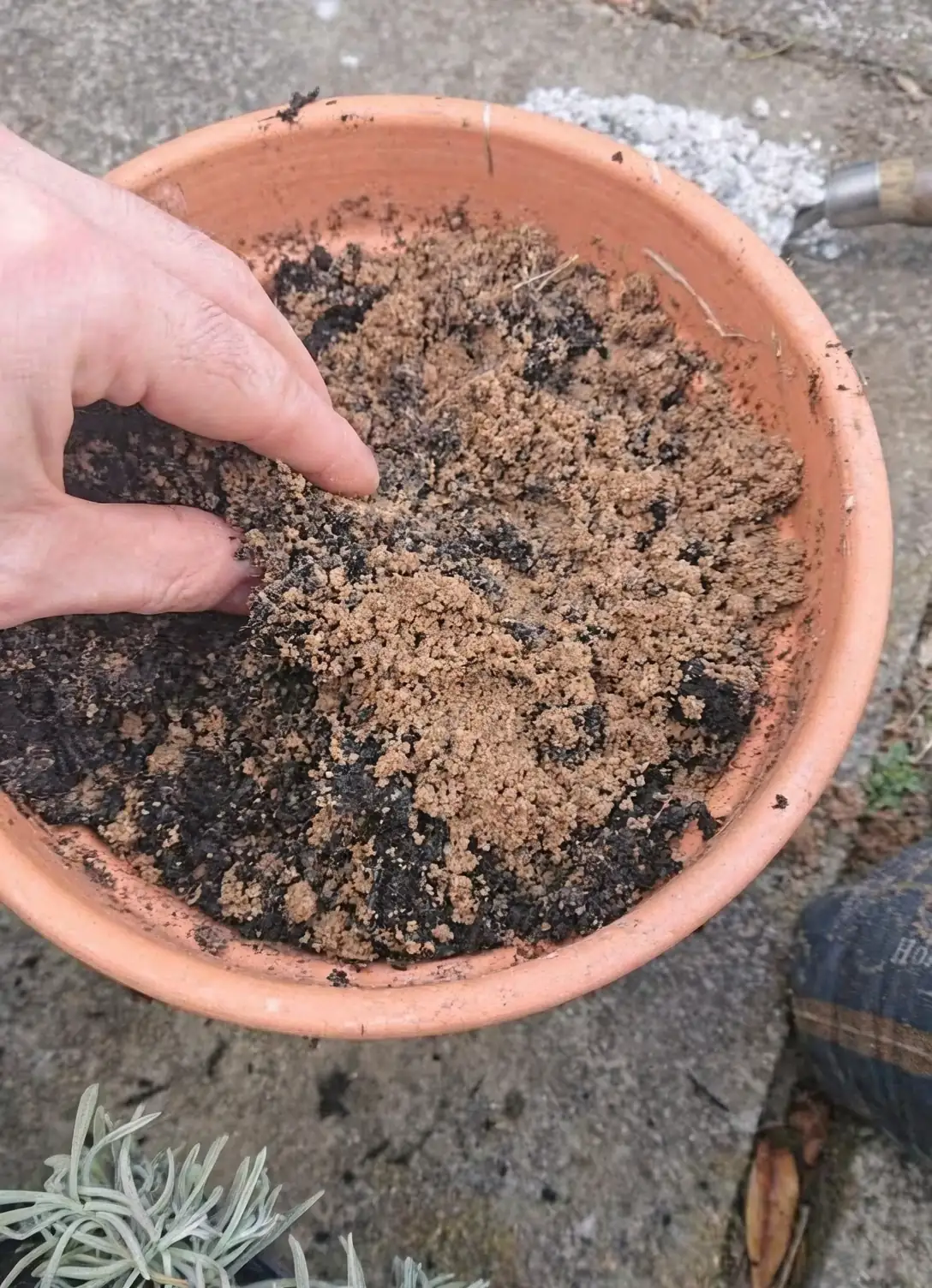
Rosemary’s roots are like those of a nomadic traveler—they despise being waterlogged. The key to successful rosemary cultivation lies in ensuring fast-draining soil. Think of this as providing a sandy beach for your plant to relax on. Use a gritty, sandy, or rocky loam for garden planting, and opt for a potting mix amended with coarse sand or perlite for containers. This setup mimics the plant’s natural habitat along the Mediterranean coastline, where the soil drains quickly and efficiently.
Water Wisely: The Art of Avoiding Overwatering
One of the most common pitfalls in growing rosemary is overwatering, which can quickly lead to root rot. Adopt a less-is-more approach: water deeply, then let the soil dry out thoroughly before watering again. In hot weather, you might need to check the soil more frequently, but always ensure the top couple of inches are dry before adding more water. Remember, rosemary thrives on neglect when it comes to moisture, embracing drought-tolerant conditions once established.
Container Considerations: Choosing the Right Pot
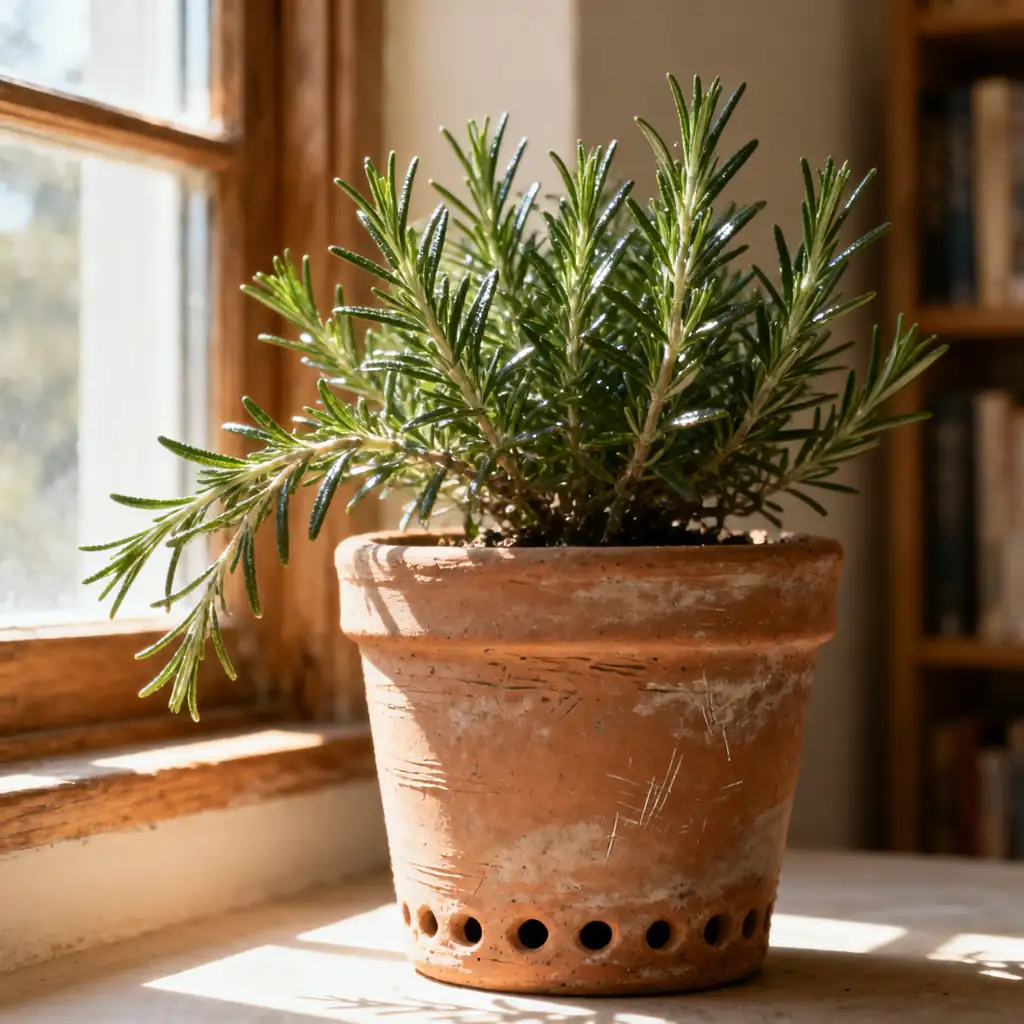
For those growing rosemary in containers, choosing the right pot is crucial. Terracotta pots are excellent as they allow the soil to breathe and dry out faster than plastic. Ensure your pot has plenty of drainage holes to prevent water from pooling at the bottom. Keep in mind that rosemary will appreciate a slightly larger pot as it grows, typically needing repotting every 1–3 years to refresh the soil and check root health.
Feeding and Pruning: Less Is More
Unlike some high-maintenance plants, rosemary doesn’t demand a feast. When grown in the ground, it often requires little to no fertilization. However, if you’re nurturing it in a pot, a light monthly feeding during its active growth phase can suffice. Pruning is your friend here—regular tip-pruning encourages bushy growth and prevents the plant from becoming too leggy. Avoid cutting into old, leafless wood, as it may not sprout new growth.
Common Challenges and Solutions
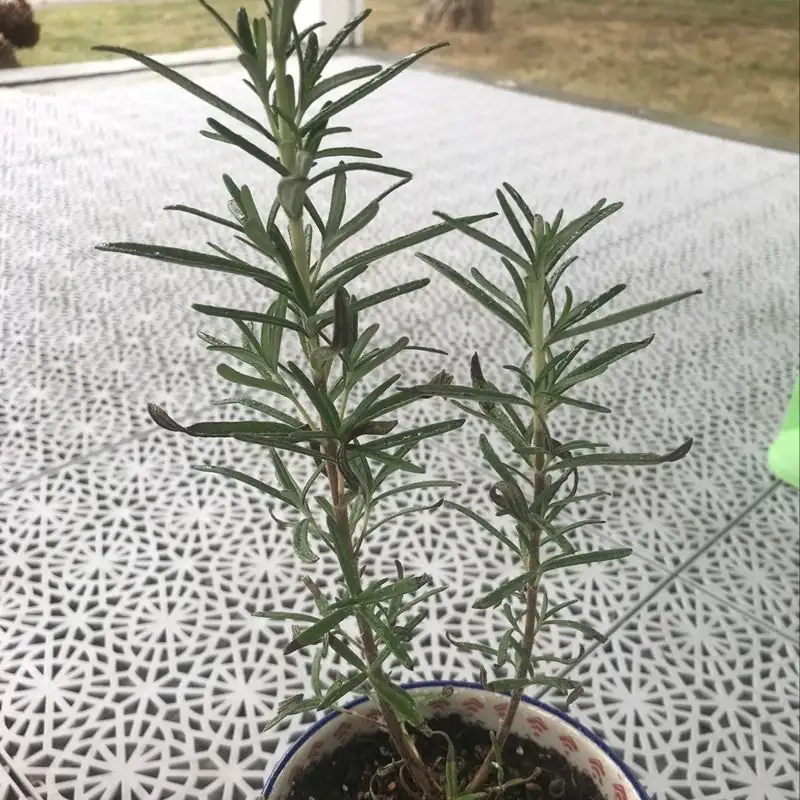
Even the most diligent gardener can face challenges. If your rosemary is turning brown, root rot from excessive moisture, frost damage, or insufficient light may be to blame. Address drainage first, then ensure adequate light, and trim any dead tips once conditions improve. Indoors, spider mites and low humidity can also pose problems, so maintaining good airflow and humidity control can help fend off these issues.
A Symbol of Remembrance
Beyond its culinary and ornamental applications, rosemary carries rich symbolism. In many cultures, it represents remembrance, fidelity, and enduring love. This association dates back to ancient Greek and Roman times, where students wore rosemary garlands to enhance memory. Shakespeare even referenced this in his play, “Hamlet,” highlighting rosemary’s deep-rooted connection to memory and sentiment.
In essence, growing rosemary is like forming a friendship—it thrives on light, warmth, and a bit of space to breathe. With these expert tips, you’ll be well on your way to cultivating a rosemary plant that not only survives but flourishes, providing fragrant sprigs for your favorite dishes and a touch of Mediterranean elegance to your home or garden.