

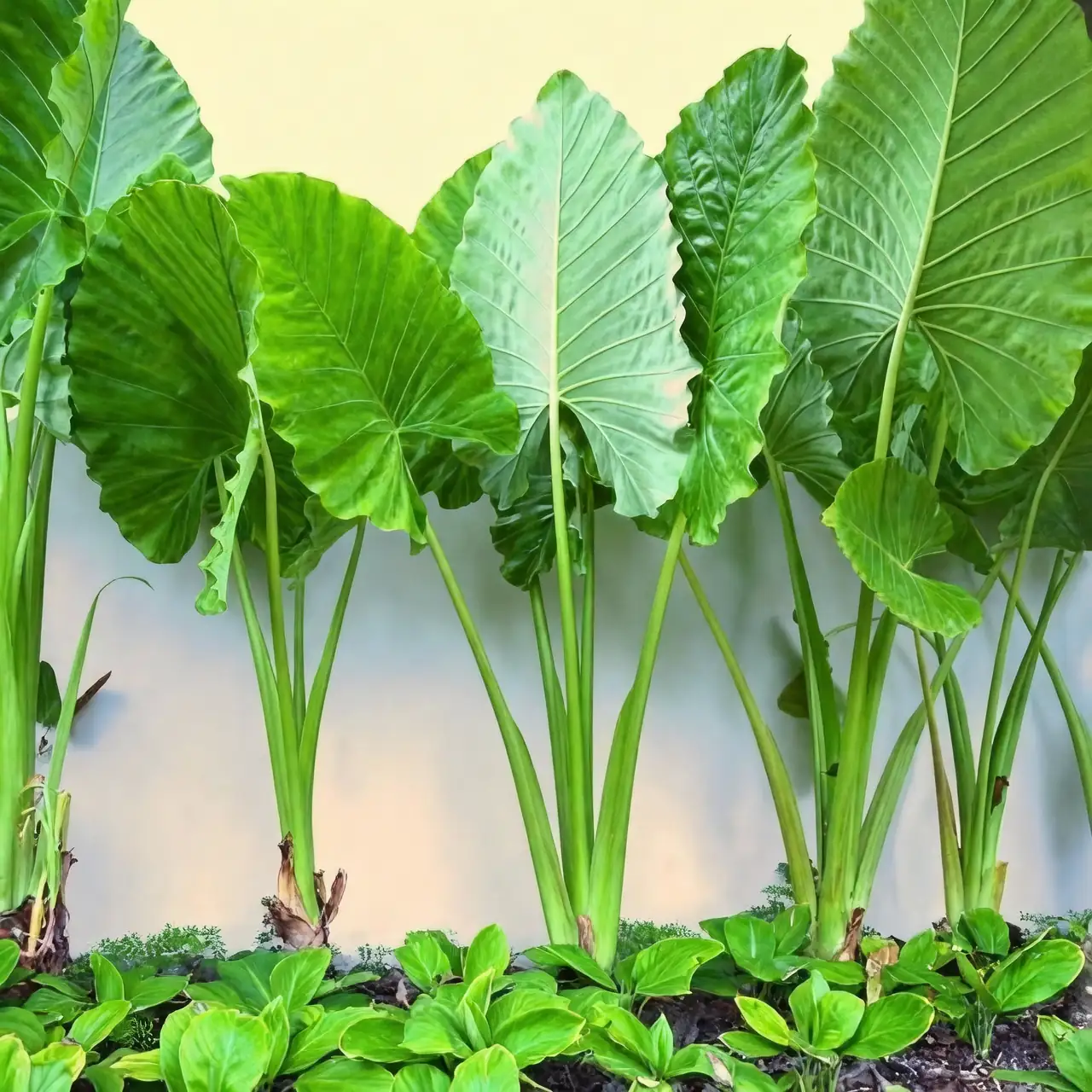
When it comes to creating a lush, tropical oasis in your home or garden, few plants can rival the majestic presence of Alocasia macrorrhizos, commonly known as Giant Taro or Elephant Ear. With its enormous, glossy green leaves that evoke the grandeur of an elephant’s ear, this plant is a showstopper all on its own. But why stop there? By pairing it with the right companion plants, you can craft a visually stunning and harmonious display that enhances the beauty of your Giant Taro while promoting a healthy growing environment.
The Perfect Companions for Alocasia macrorrhizos
Choosing the right companions for your Giant Taro involves more than just aesthetic appeal; it’s about creating a mini-ecosystem where plants can thrive together. Here are some ideal companions that complement the lush foliage of Alocasia macrorrhizos:
1. Ferns
Ferns are a natural choice when it comes to pairing with Giant Taro. Both plants share a love for humid conditions and dappled light, making them perfect partners. The delicate, feathery fronds of ferns add a textural contrast to the bold, broad leaves of the Giant Taro, creating a balanced and visually interesting display.
2. Caladiums
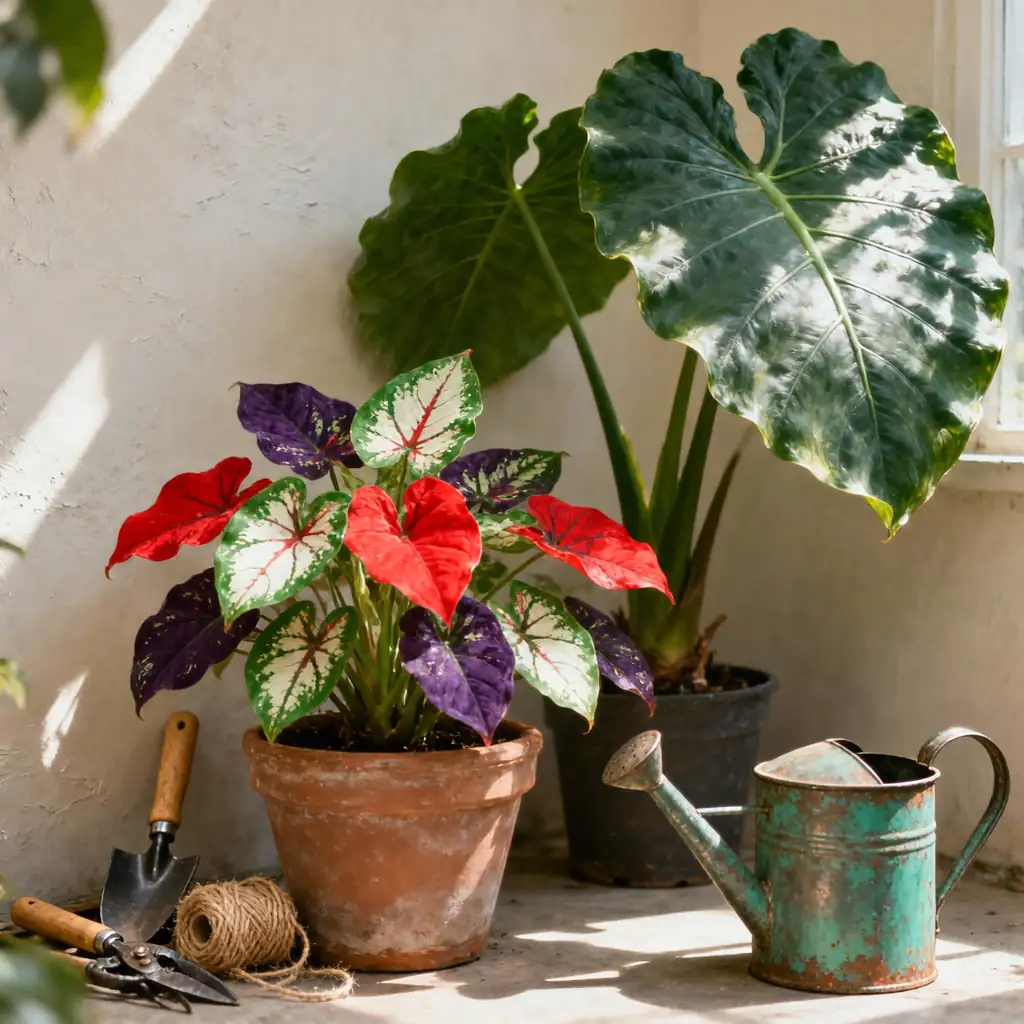
Known for their vibrant, heart-shaped leaves, caladiums can bring a splash of color to your Alocasia display. With shades ranging from white to pink to deep red, these plants thrive under the same light and moisture conditions as Giant Taro. The interplay between the solid green of the taro and the colorful patterns of caladiums can create a dynamic visual tapestry.
3. Agaves
For a striking contrast, consider pairing your Alocasia with agaves. While agaves prefer slightly drier conditions, the architectural structure of their leaves works well alongside the lush, tropical vibe of the Giant Taro. This pairing can be particularly effective in outdoor landscapes where you can control watering conditions.
4. Crotons
To extend the tropical theme indoors, crotons are fantastic companions. Their bold, variegated leaves and vibrant hues can hold their own beside the Giant Taro. Crotons thrive in similar light conditions and can add a burst of color that highlights the rich green of the Alocasia leaves.
Crafting a Harmonious Display
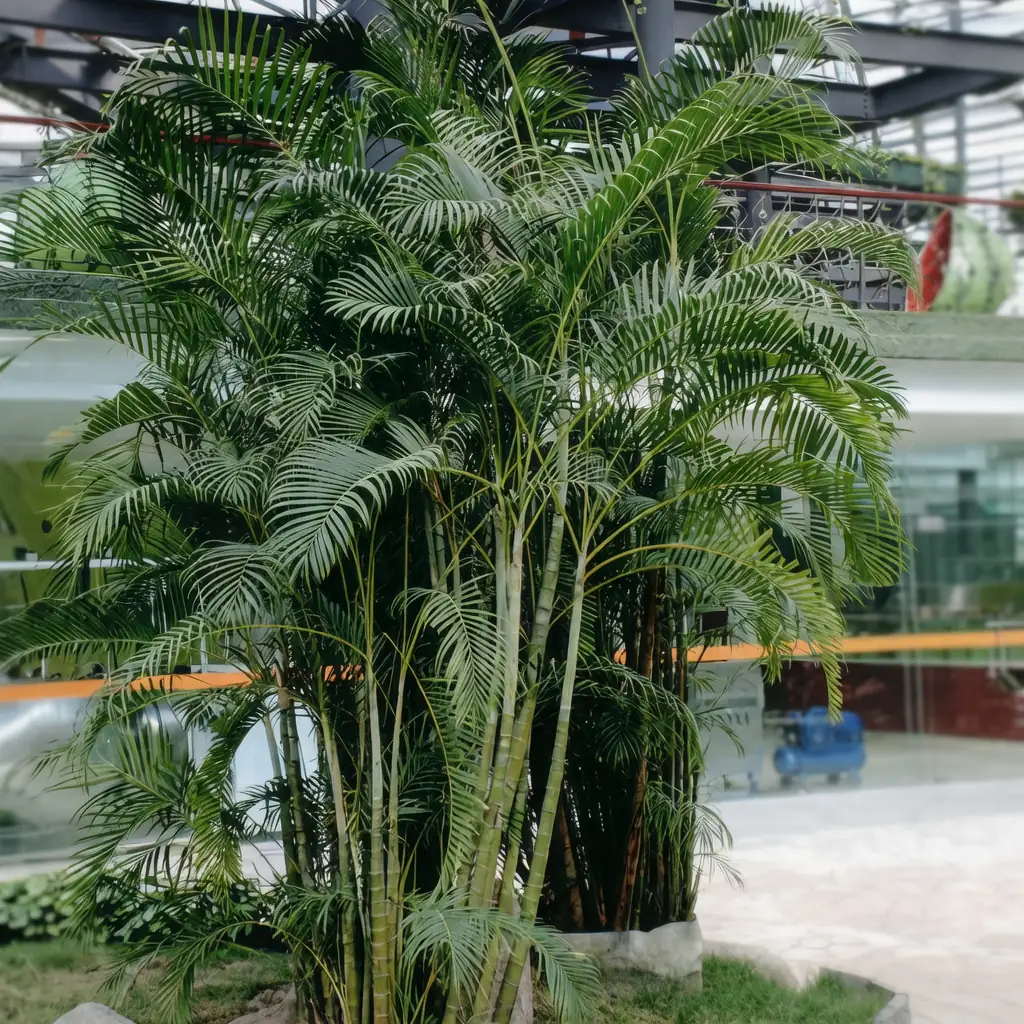
Creating a harmonious plant display doesn’t just stop at choosing the right plants. Here are some tips to ensure your Alocasia macrorrhizos and its companions flourish together:
- Light and Placement: Ensure that your plant grouping receives bright, indirect light. A south- or southeast-facing window with a sheer curtain can be ideal for indoor displays. Avoid direct sunlight, which can scorch the leaves.
- Humidity and Temperature: Both Giant Taro and its companions thrive in high humidity. Consider using a humidifier or pebble tray to maintain humidity levels around 70–80%. Keep temperatures around 20–30°C (68–86°F) for optimal growth.
- Soil and Watering: Use a rich, moisture-retentive potting mix for all plants involved. Water regularly to keep the soil evenly moist, but avoid waterlogging. Adjust watering frequency based on the seasonal growth patterns.
- Protecting Your Plants: Given the toxic nature of Alocasia macrorrhizos’ sap, always handle with care. Ensure it’s placed in a location that’s safely out of reach of pets and small children.
Benefits of Companion Planting
Companion planting not only enhances the visual appeal of your plant display but also promotes a healthier growing environment. By emulating the diversity found in natural ecosystems, these plant groupings can help deter pests, improve soil health, and create a more resilient garden. Moreover, the varied textures and colors can elevate the aesthetic appeal of your space, turning it into a vibrant sanctuary of nature.
So, whether you’re cultivating a jungle-like ambiance indoors or designing a tropical landscape outdoors, pairing your Alocasia macrorrhizos with the right companions can transform your plant collection into a living masterpiece. Dive into the adventure of companion planting and watch your Giant Taro and its botanical friends thrive together in harmony.