

Discovering the Quirky Charm of Alocasia macrorrhizos
In the world of houseplants, where personality often takes root in the most unexpected places, Alocasia macrorrhizos stands as a bold, adventurous spirit. Also known as the Giant Taro, this plant is a charismatic member of the Araceae family, boasting leaves so large they could easily double as umbrellas. But there’s more to this intriguing plant than just its impressive size. With a flair for drama and a penchant for the unusual, the Giant Taro is a plant that demands attention—and rewards it with lush, tropical splendor.
Enormous Leaves That Demand Respect
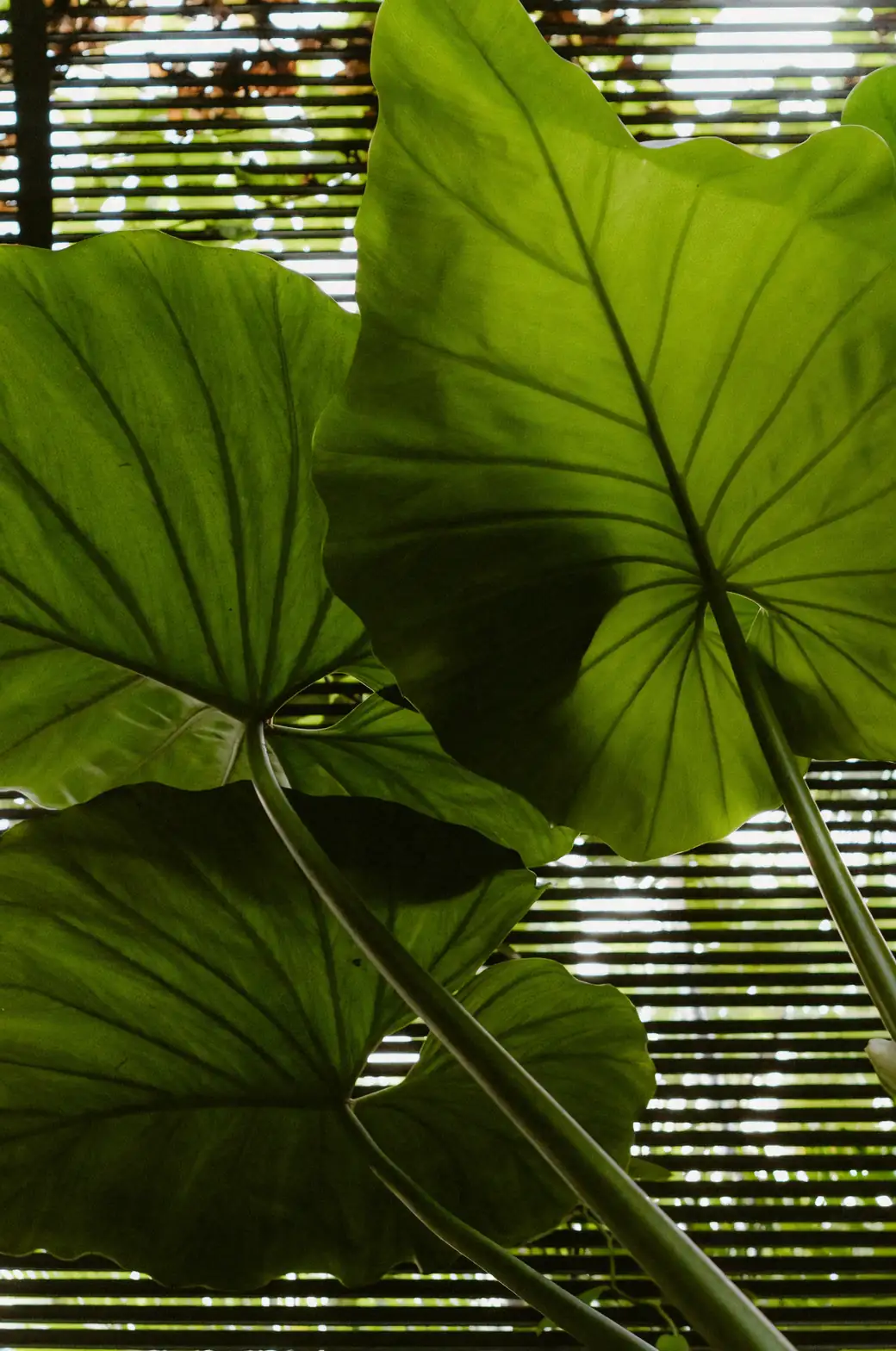
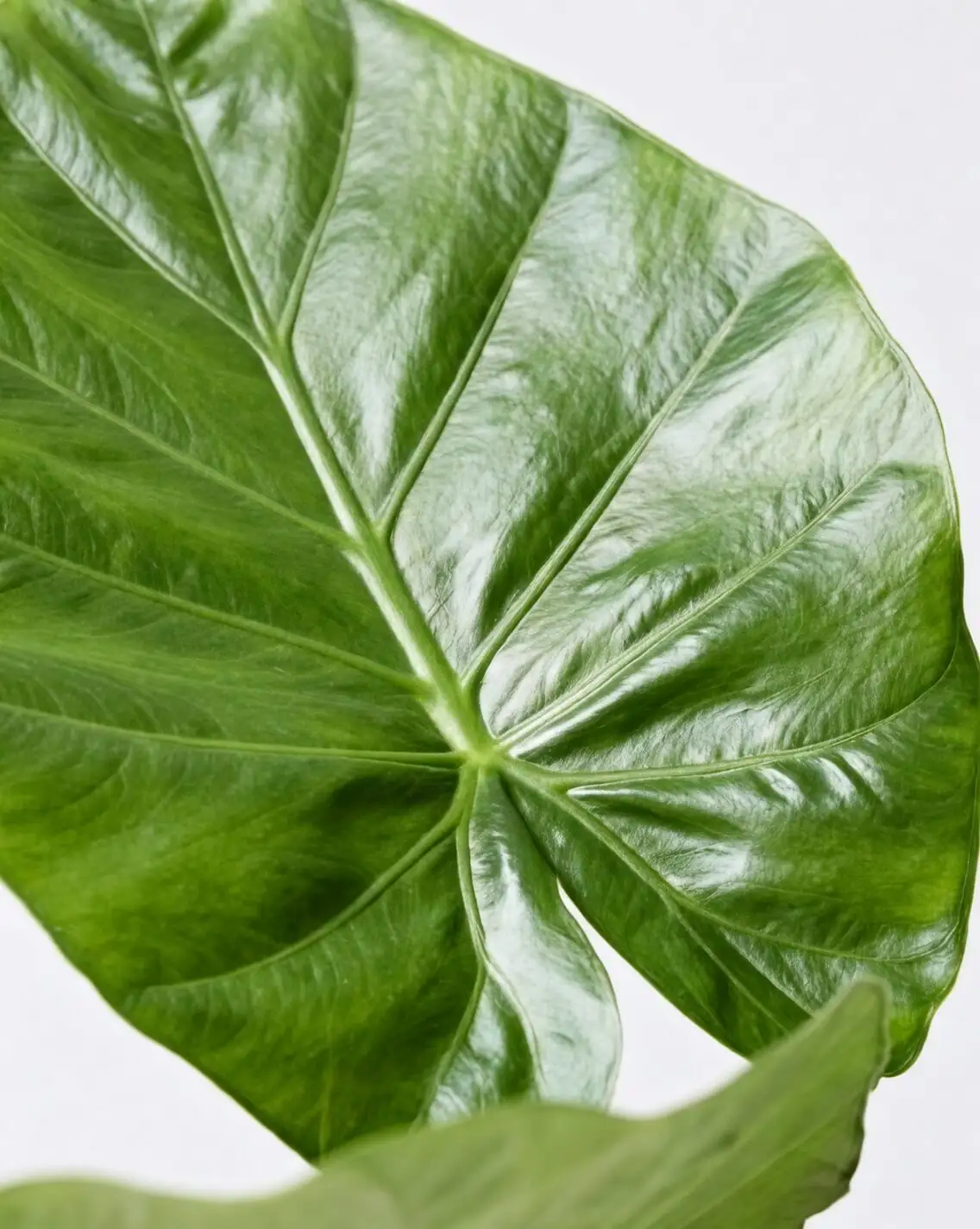
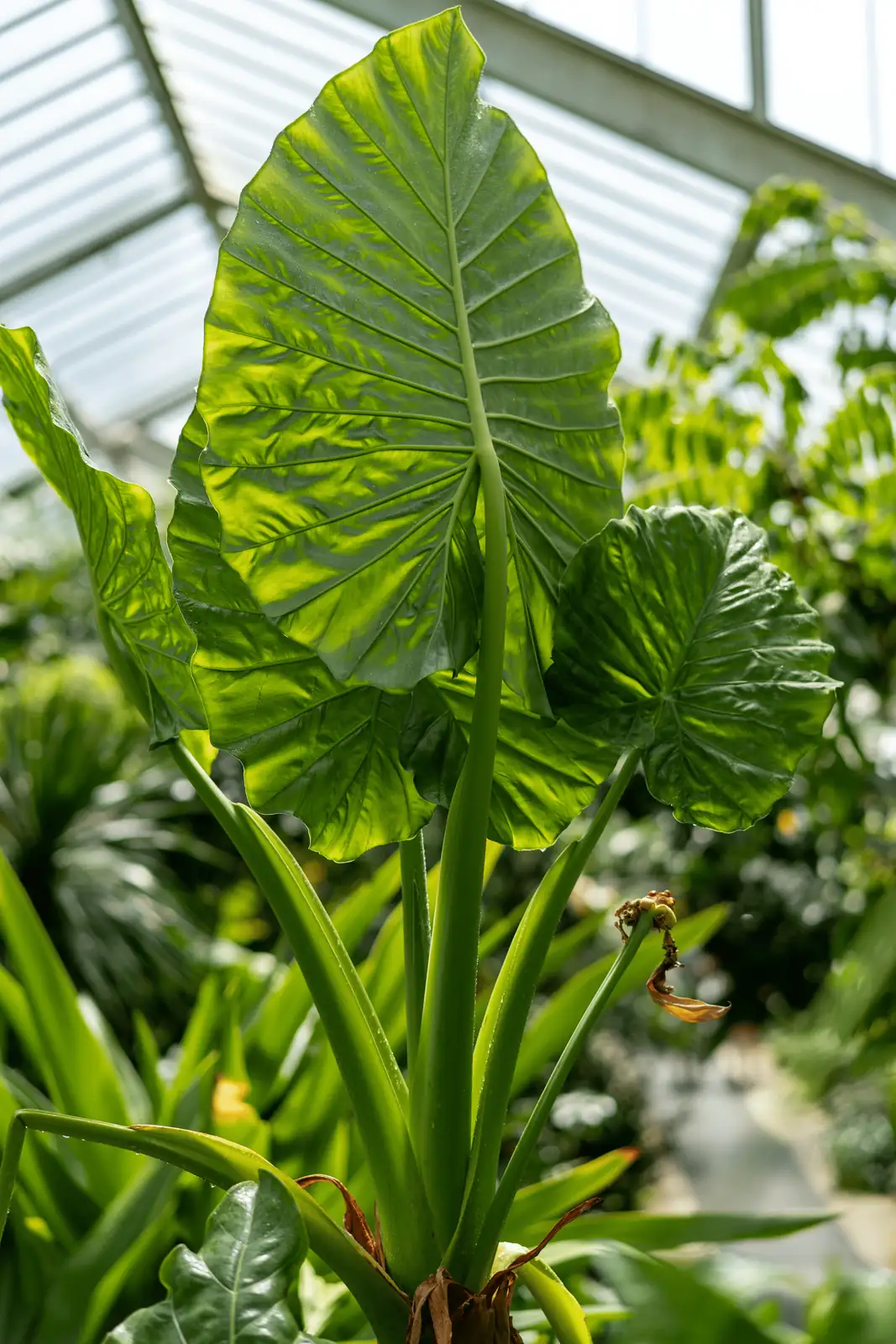
Imagine a plant with leaves so grand they could be mistaken for an elephant’s ears. The Giant Taro’s foliage is not only vast but also strikingly beautiful, with glossy green surfaces and prominent veins that speak to its tropical origins. Each leaf can stretch up to six feet in length, presenting a majestic, prehistoric look that transforms any room into a jungle paradise. But handle with care—these leaves, while sturdy, can tear if jostled or exposed to strong drafts.
A Rare Blooming Marvel Indoors
While Alocasia macrorrhizos is primarily celebrated for its foliage, it holds a secret talent: flowering. Though uncommon indoors, when conditions mimic their natural tropical habitat, these plants can surprise you with their aroid blooms—a pale spathe elegantly wrapped around a central spadix. This floral event is a summer spectacle, a rare but rewarding sight for those who manage to replicate the steamy, humid conditions the plant craves.
Cultivating the Giant: Light, Water, and Humidity
This plant may have big leaves, but it doesn’t ask for much—just bright, filtered light, warmth, and humidity. Think of it as a sunbather who prefers the shade over the scorching midday sun. A south-facing window with a sheer curtain is often its favorite spot. And like any tropical dweller, it thrives in high humidity, rewarding your efforts with fuller, more vigorous growth.
Watering is an art form with the Giant Taro. During its active growing phase, it drinks deeply but dislikes soggy feet. Let the top inch of soil dry between waterings, and in winter, ease back, allowing the plant to rest just like it would in its natural cycle.
The Intrigue of Indoor Blooming
Indoor flowering is as elusive as it is enchanting. Should your Giant Taro decide to bloom, it offers a visual treat that many plant enthusiasts count as a rare privilege. The spadix and spathe bloom is typical of the Araceae family, but don’t expect a fragrant aroma—its scent is more of an acquired taste, adding another layer of intrigue to this remarkable plant.
A Word of Caution: Handle with Care
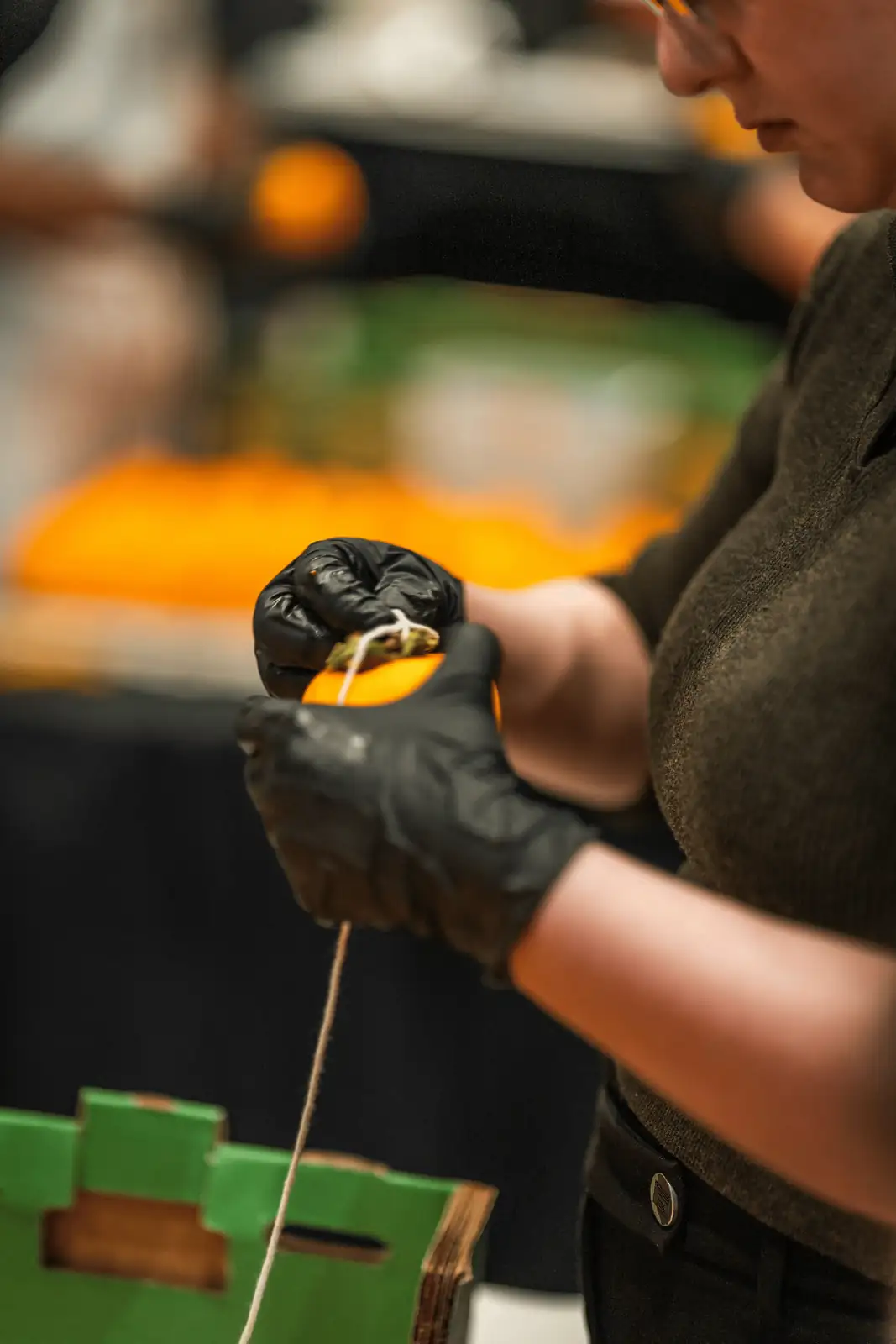
While Alocasia macrorrhizos is a delight to behold, it comes with a warning label. Its sap contains calcium oxalate crystals, which can irritate skin and are toxic if ingested. This means keeping it out of reach of curious children and pets is essential. Wearing gloves during handling can also prevent any unwanted skin irritation.
The Art of Propagation and Care
For those looking to expand their collection, propagation through division is the way to go. In spring, when the plant is waking up, simply separate offsets or sections of the rhizome. This not only rejuvenates the parent plant but also rewards you with a new Giant Taro to nurture.
Troubleshooting: Keeping Your Giant Happy
Yellowing leaves? It could be a sign of stress—anything from insufficient light to overwatering or cold drafts. Begin by ensuring your plant enjoys bright, indirect light and temperatures above 15°C (59°F). Adjust your care routine, and your plant should perk up in no time.
Embrace the Elephant Ear
Alocasia macrorrhizos is more than just a plant; it’s a statement, a conversation starter, and a slice of the tropics right in your home. Whether you’re drawn to its massive leaves, its rare blooms, or its demanding yet rewarding nature, the Giant Taro stands as a testament to the incredible diversity and beauty of the plant kingdom. With the right care, you’ll find yourself not just growing a plant, but cultivating a vibrant piece of living art.


